Eliminating Malaria in Senegal: Strengthening Territorial Leadership for a Sustainable Local Response
Dakar, Senegal | 15–16 December 2025
Senegal has made significant progress in the fight against malaria over the past decade. Through the implementation of effective interventions based on World Health Organization recommendations — including the distribution of long-lasting insecticidal nets (LLINs), free malaria case management, and seasonal malaria chemoprevention — the country has recorded a notable decline in malaria-related morbidity and mortality.
“These achievements are the result of proven interventions and sustained commitment from all actors within the health system,” recalled Dr Ibrahima Diallo, Deputy Coordinator of the National Malaria Control Programme (NMCP/PNLP).
Despite this progress, malaria remains a public health challenge in several parts of the country. Achieving the national goal of malaria elimination by 2030 will require sustained efforts, stronger multi-stakeholder coordination, and a deeper anchoring of interventions at the territorial level, where transmission persists.
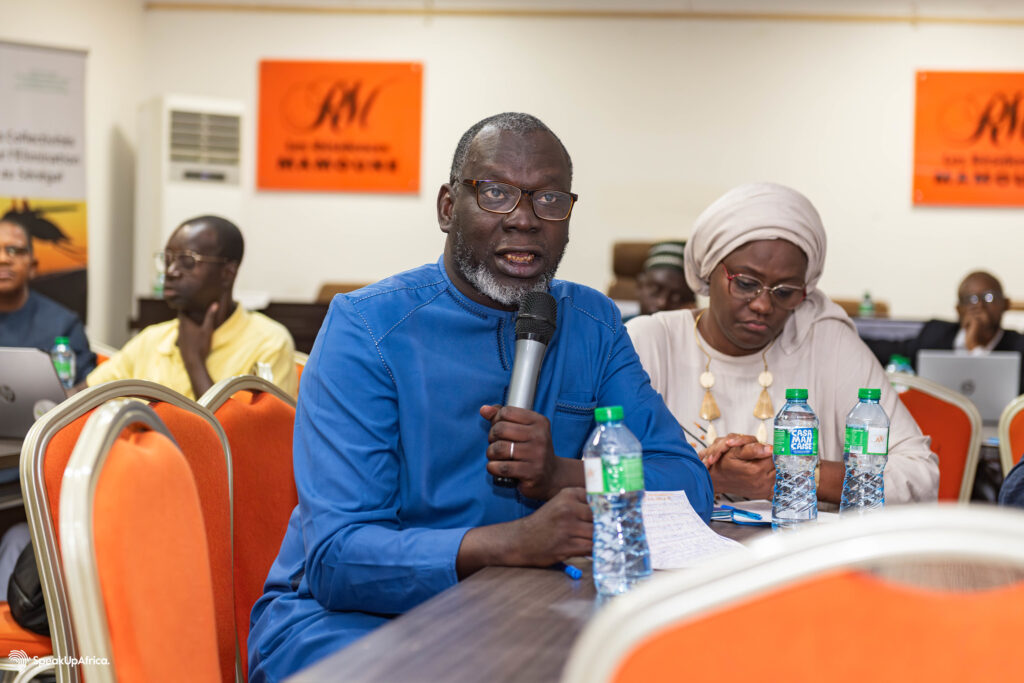
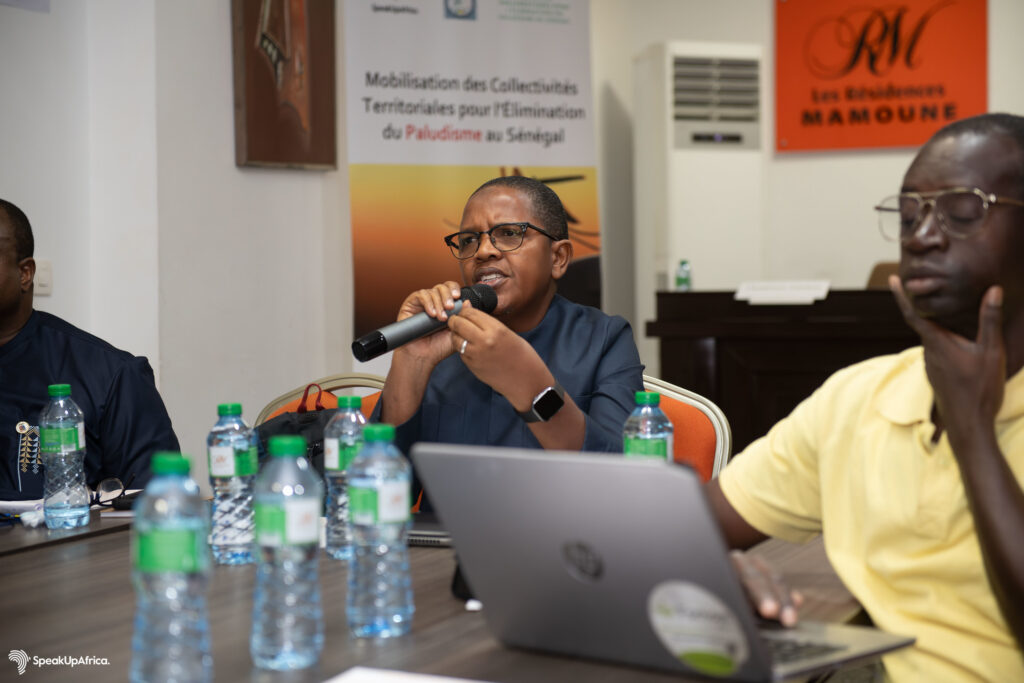
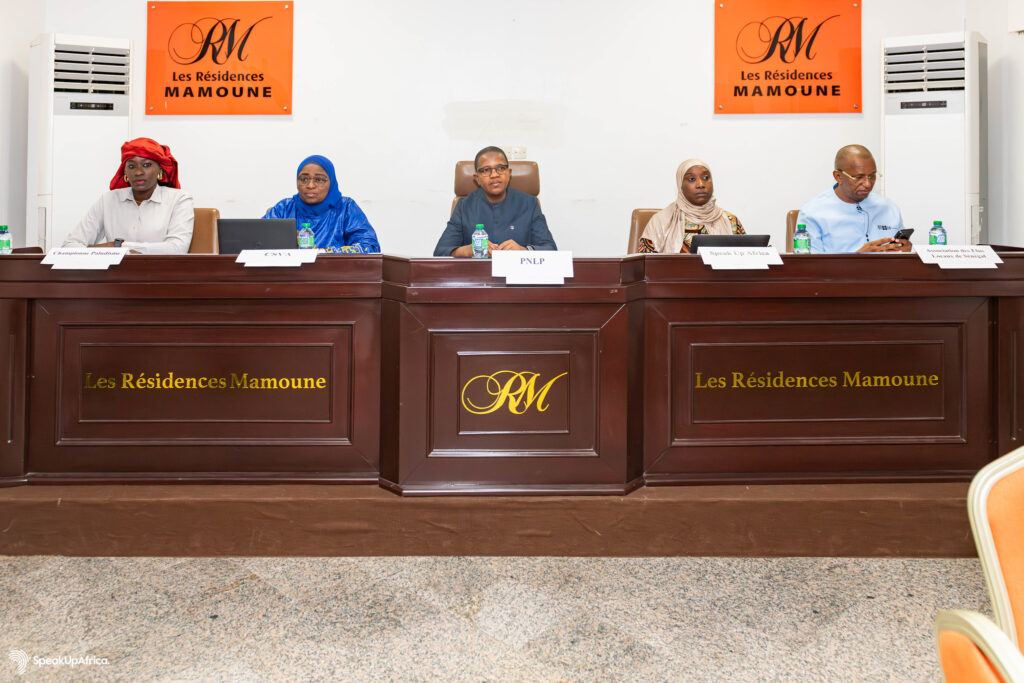
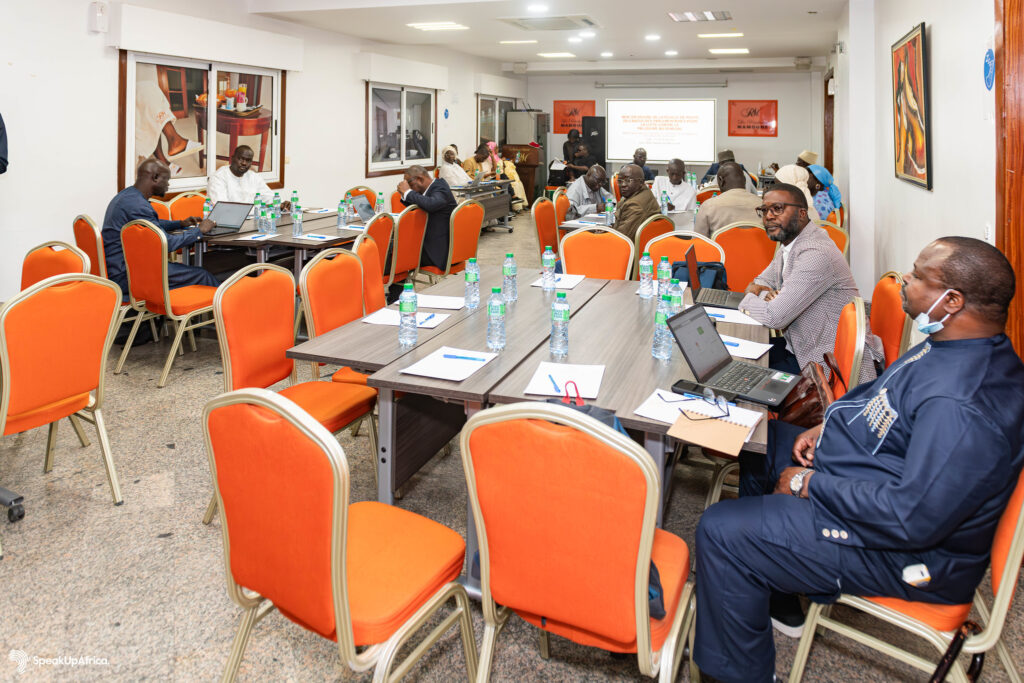
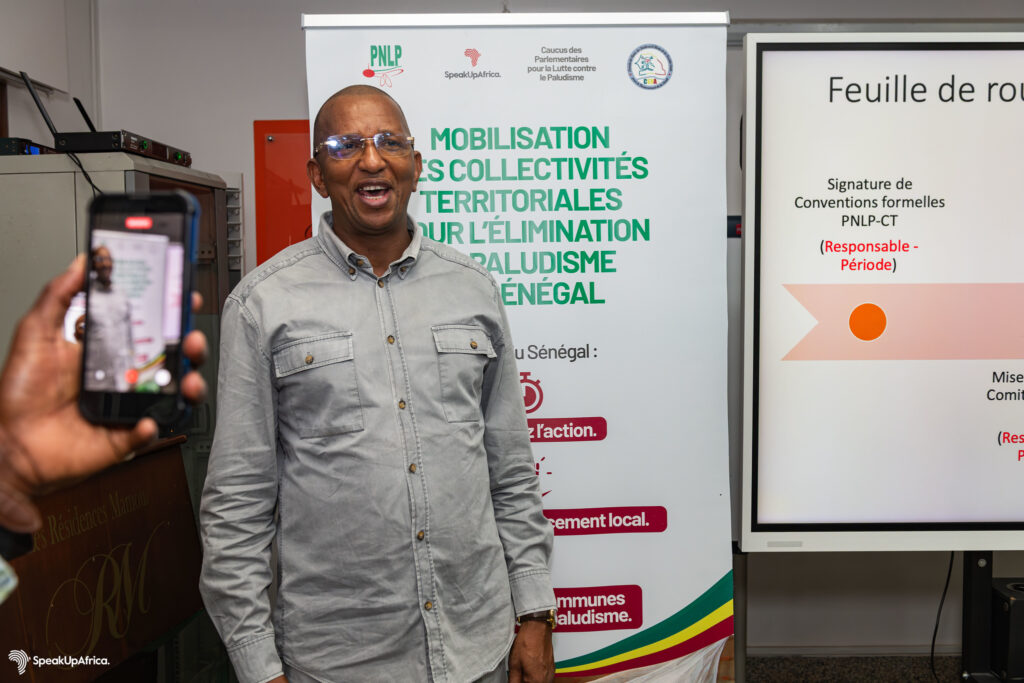
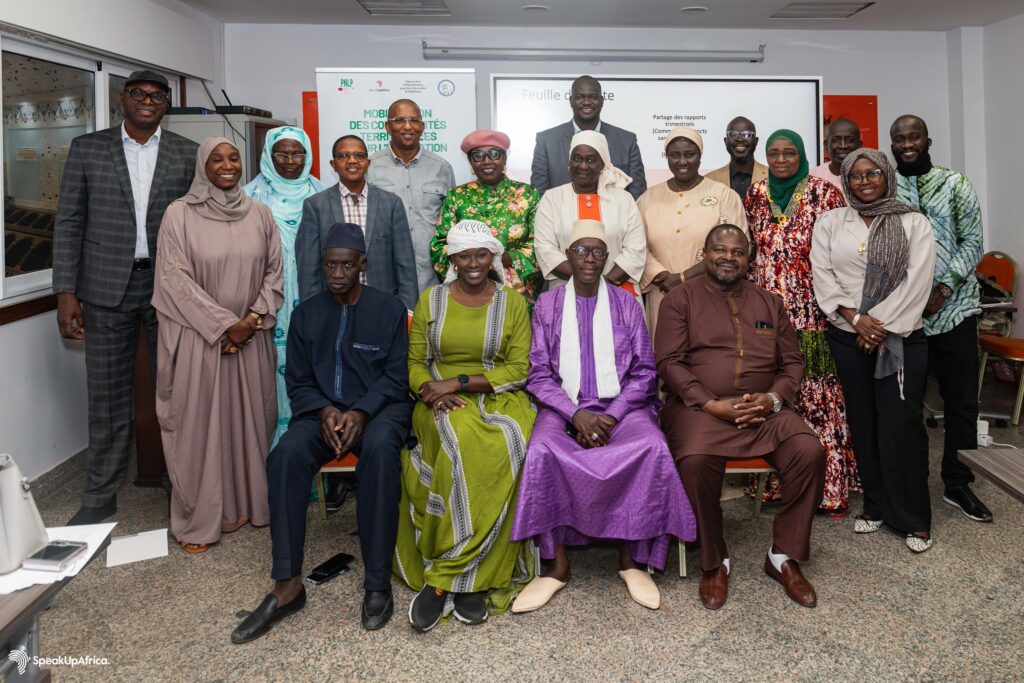
It is within this context that the National Malaria Control Programme (NMCP/PNLP), in partnership with Speak Up Africa and civil society actors, convened a workshop on sharing the malaria situation in Senegal with local governments, held in Dakar on 15–16 December 2025.
Local governments as a strategic lever of the national response
Discussions highlighted the strategic role of local governments in local health governance. Responsible for key areas such as public hygiene, sanitation, environmental management, and local development, local authorities represent a critical link in malaria prevention efforts and in sustaining progress achieved to date.
“Malaria is fought first and foremost in neighborhoods, villages, and municipalities. Without strong and effective engagement from local governments, elimination cannot be achieved,” emphasized Mamadou Oury Diallo, Mayor of Vélingara and President of the Union of Associations of Local Elected Officials of Senegal (UAEL).
Participants noted that persistent challenges — including stagnant water management, inadequate sanitation, and the limited reach of communication activities — call for stronger involvement of local authorities and better integration of malaria priorities into local development plans.
Technical dialogue and co-creation of context-appropriate solutions
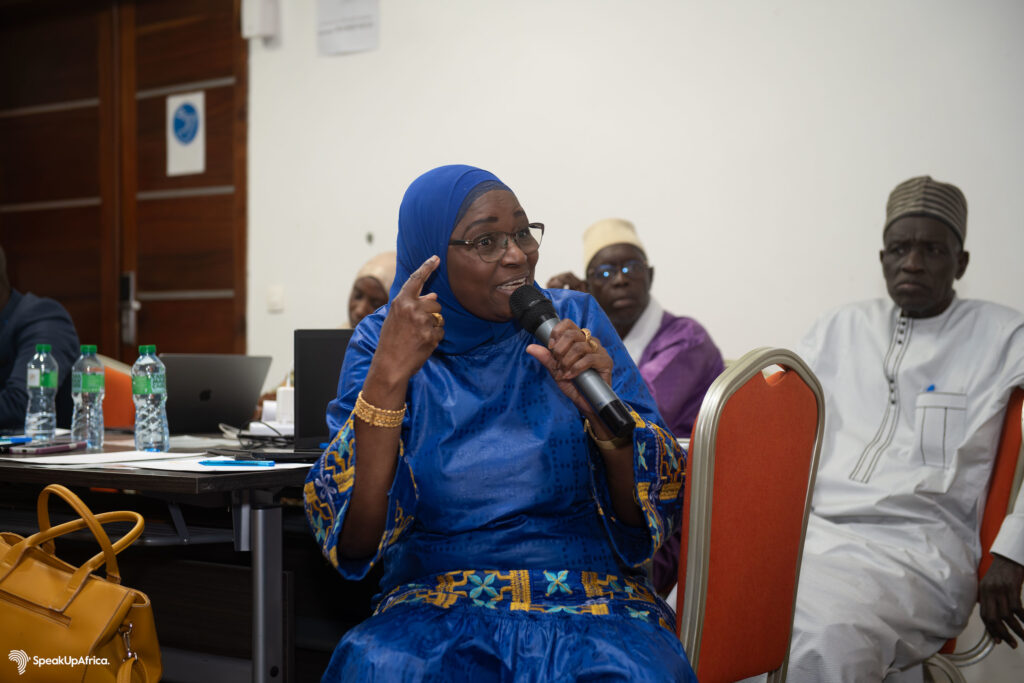
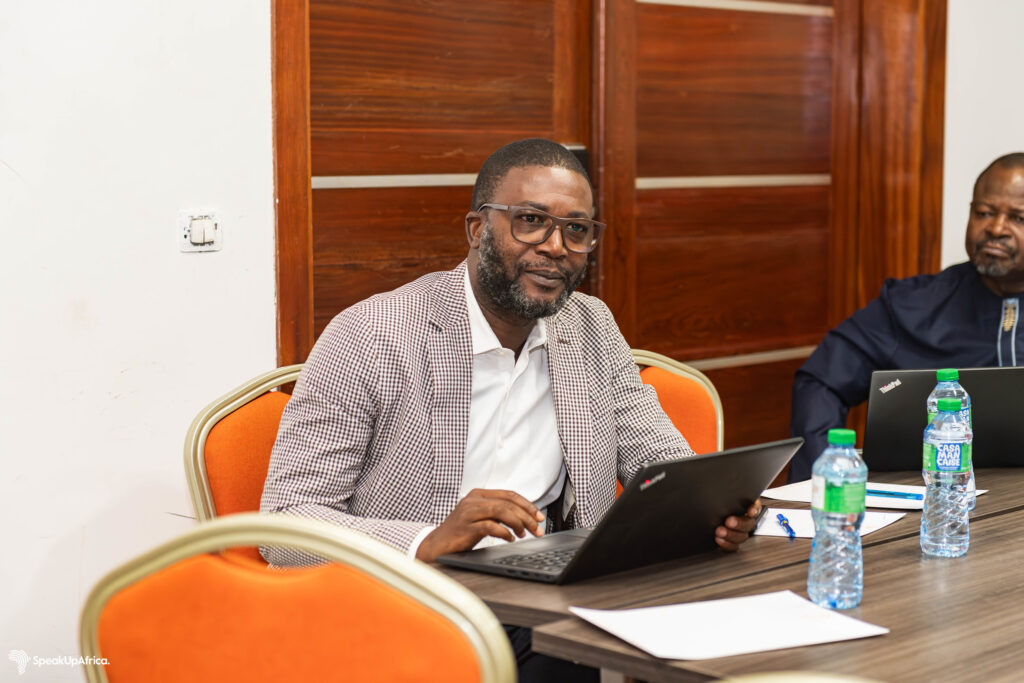
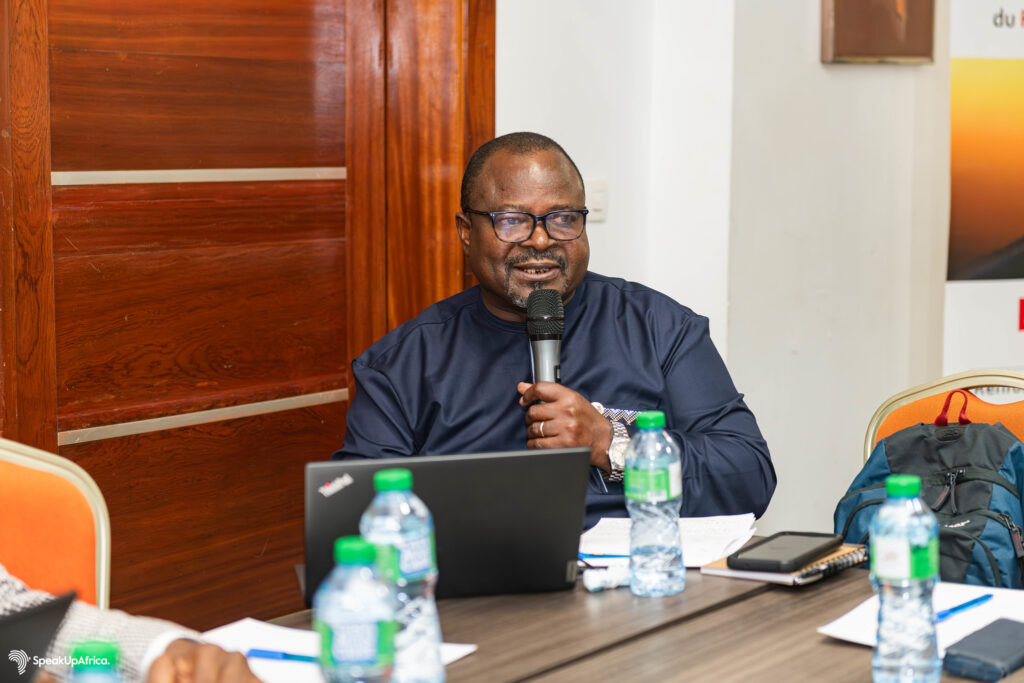
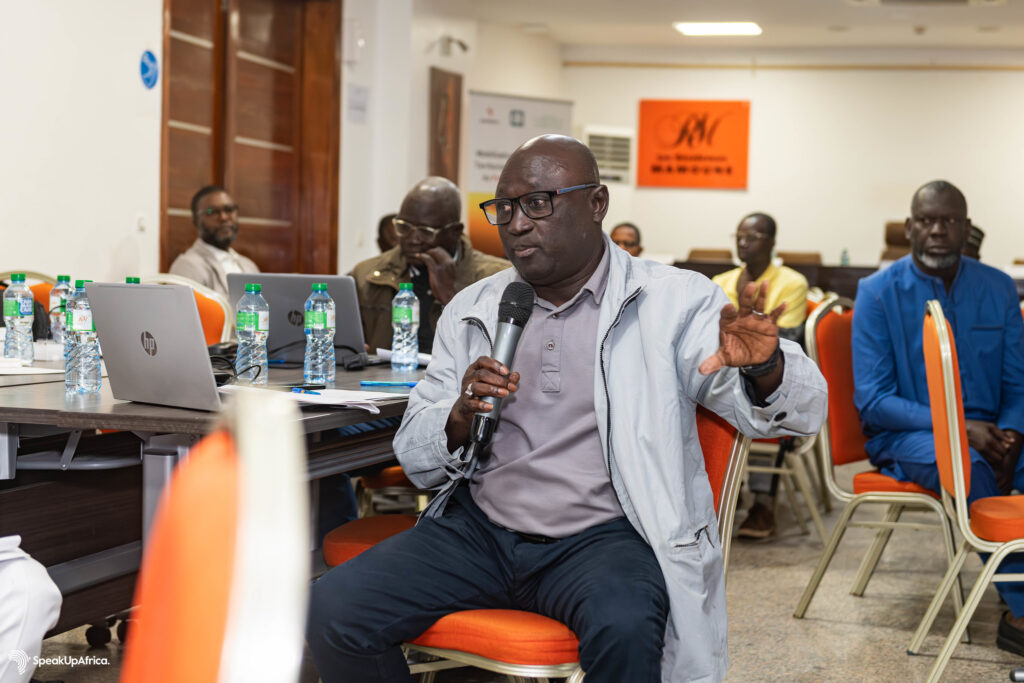
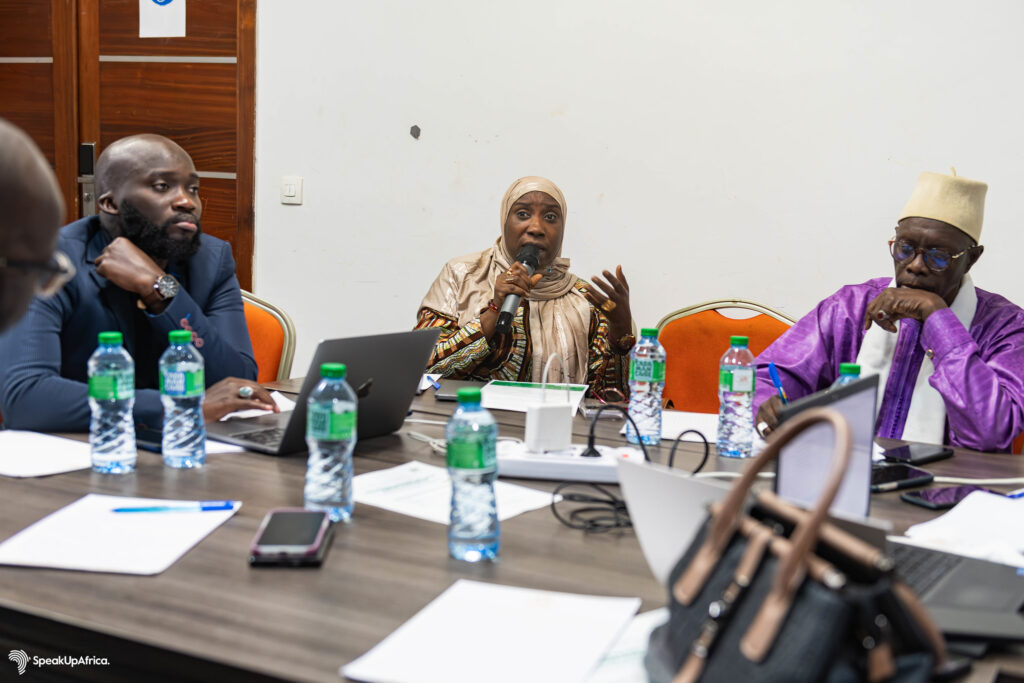
The workshop served as a platform for technical and institutional dialogue, bringing together local elected officials, health authorities, civil society, and partners. It enabled the sharing of practical experiences, identification of existing coordination mechanisms, and exploration of realistic pathways to strengthen the contribution of local governments.
At the conclusion of group work, participating local authorities developed territorial roadmaps, identifying actions they are able to implement in alignment with priorities expressed by the NMCP, particularly around:
- prevention (IPTp, SMC, distribution and use of LLINs);
- mass communication and community health promotion;
- monitoring and evaluation of malaria interventions.
“The roadmaps developed reflect a clear willingness by local governments to act, at their level, in a structured manner aligned with national priorities,” noted a representative of territorial technical services.
A long-term commitment driven by national champions
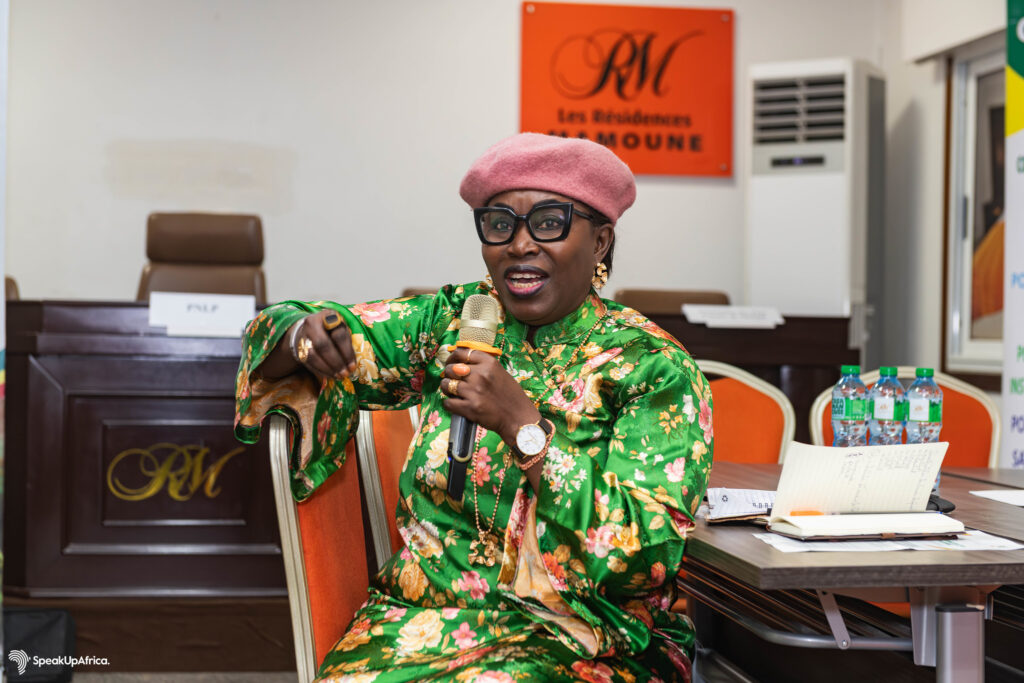
The workshop also builds on years of sustained mobilization led by national champions engaged in the fight against malaria. In this regard, Honourable (Ret.) Mariétou Dieng, Malaria Champion, reaffirmed her longstanding commitment alongside the National Malaria Control Programme and Speak Up Africa, notably through the ZERO MALARIA! I Commit campaign.
“Local governments play a strategic and indispensable role in the fight against malaria: they can mobilize resources, influence policies, and ensure that vulnerable communities are protected,” she recalled during her intervention.
This momentum aligns with the implementation of the roadmap of the Parliamentary Caucus on Malaria, which identifies strengthened dialogue with local governments as a key lever for accelerating progress toward elimination. The workshop operationalized this orientation by creating a space for technical and institutional exchanges among local elected officials, health actors, and partners.
Technical recommendations led by local governments
Throughout the discussions, local governments put forward several structuring technical recommendations, grounded in their on-the-ground realities and experience in implementing prevention actions.
Participating mayors notably emphasized the importance of anticipating and supporting the gradual introduction of the malaria vaccine, as a complement to existing interventions. According to them, the success of this new approach will depend on adequate territorial preparedness, including community awareness, organization of local service delivery, and coordination with health services.
In addition, local elected officials highlighted the need to strengthen national health sovereignty through the establishment of a national production unit for long-lasting insecticidal nets (LLINs). Such an initiative would help secure supply chains, reduce external dependency, and improve responsiveness to operational needs on the ground.
These recommendations, collectively advanced by the mayors, were submitted to the Director of the Delivery Unit, with the proposal that they be conveyed to the Prime Minister’s Office, in order to inform national strategic reflection on levers to accelerate malaria elimination.
A shared responsibility to achieve elimination
All interventions reiterated that malaria elimination is built on shared responsibility and complementary roles among national institutions, local governments, civil society, and partners.
“We cannot win this battle alone. Every actor, at every level, has a role to play in bringing Senegal closer to malaria elimination,” stated Dr Astou Fall, Director of Programmes at Speak Up Africa.
In this context, Speak Up Africa reaffirmed its commitment to supporting national and territorial dynamics as a facilitating partner, fostering multi-stakeholder dialogue, experience sharing, and the promotion of evidence-based solutions.
Toward sustained territorial engagement
The workshop concluded with a shared commitment to strengthen collaboration between the NMCP and local governments, and to continue the dialogue through appropriate follow-up mechanisms.
By highlighting the central role of local governments and identifying key technical levers, this initiative represents an important step toward a sustainable, inclusive, and territorially driven malaria elimination effort in Senegal.


Date of publication
Category
Program