Our Champions
The Speak Up Africa Leadership Award celebrates exceptional individuals who demonstrate courage, dedication, and impact in championing Africa’s health and development priorities. Our champions show us what’s possible when we invest in African voices, African solutions, and African ownership.
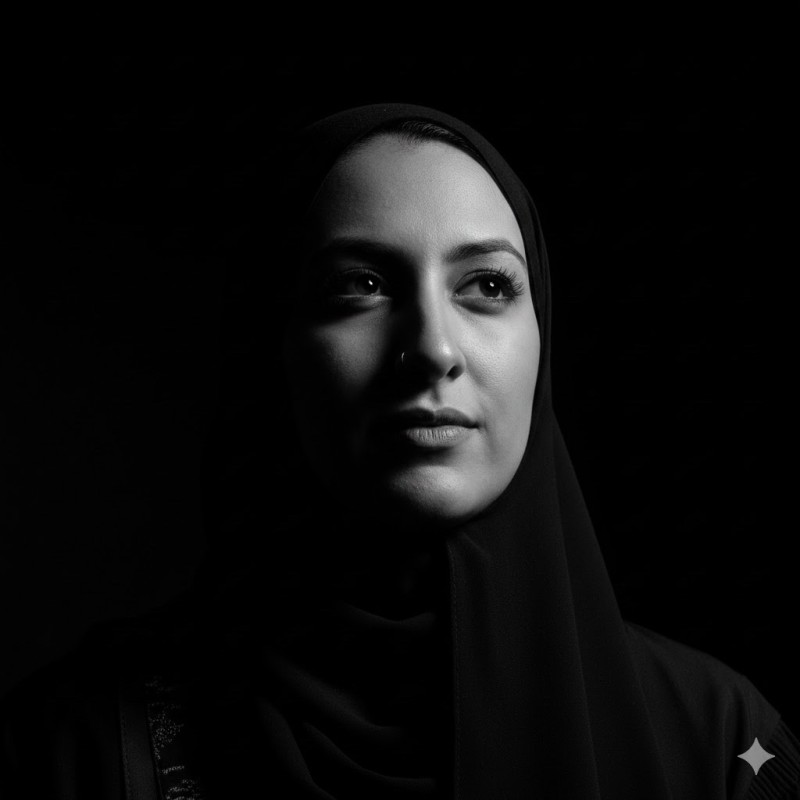
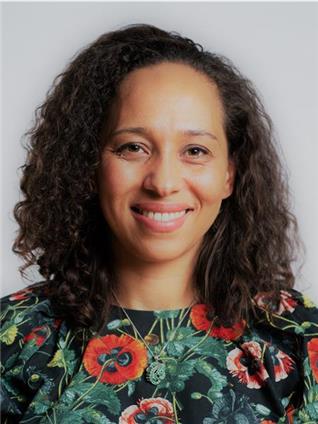
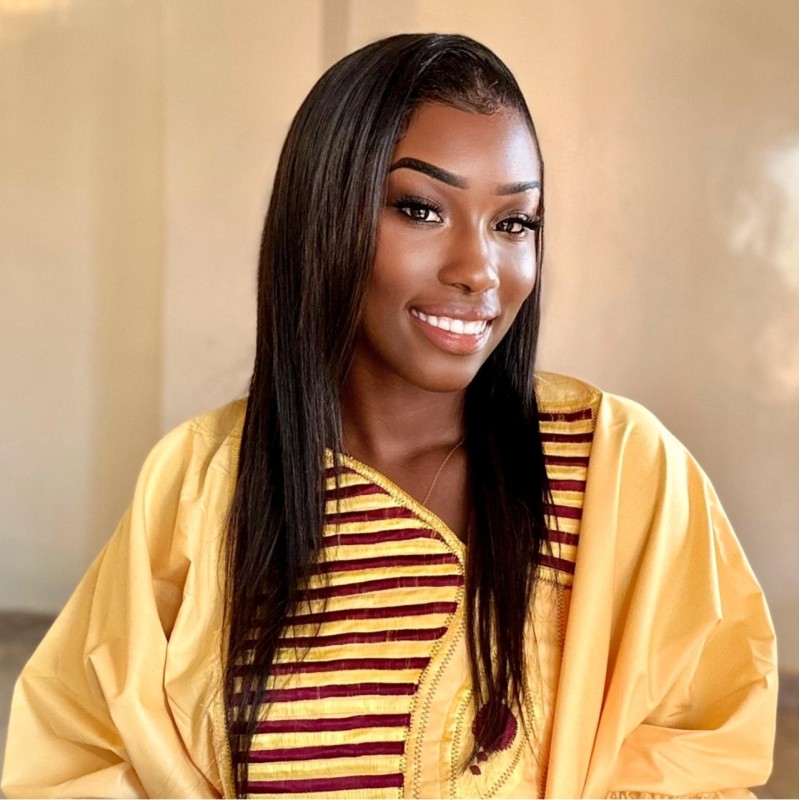

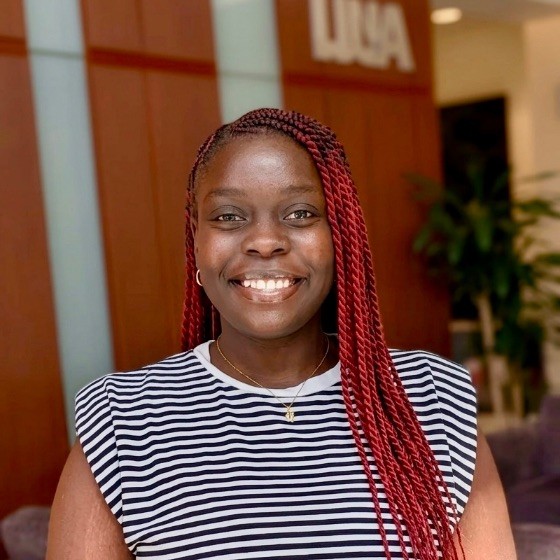





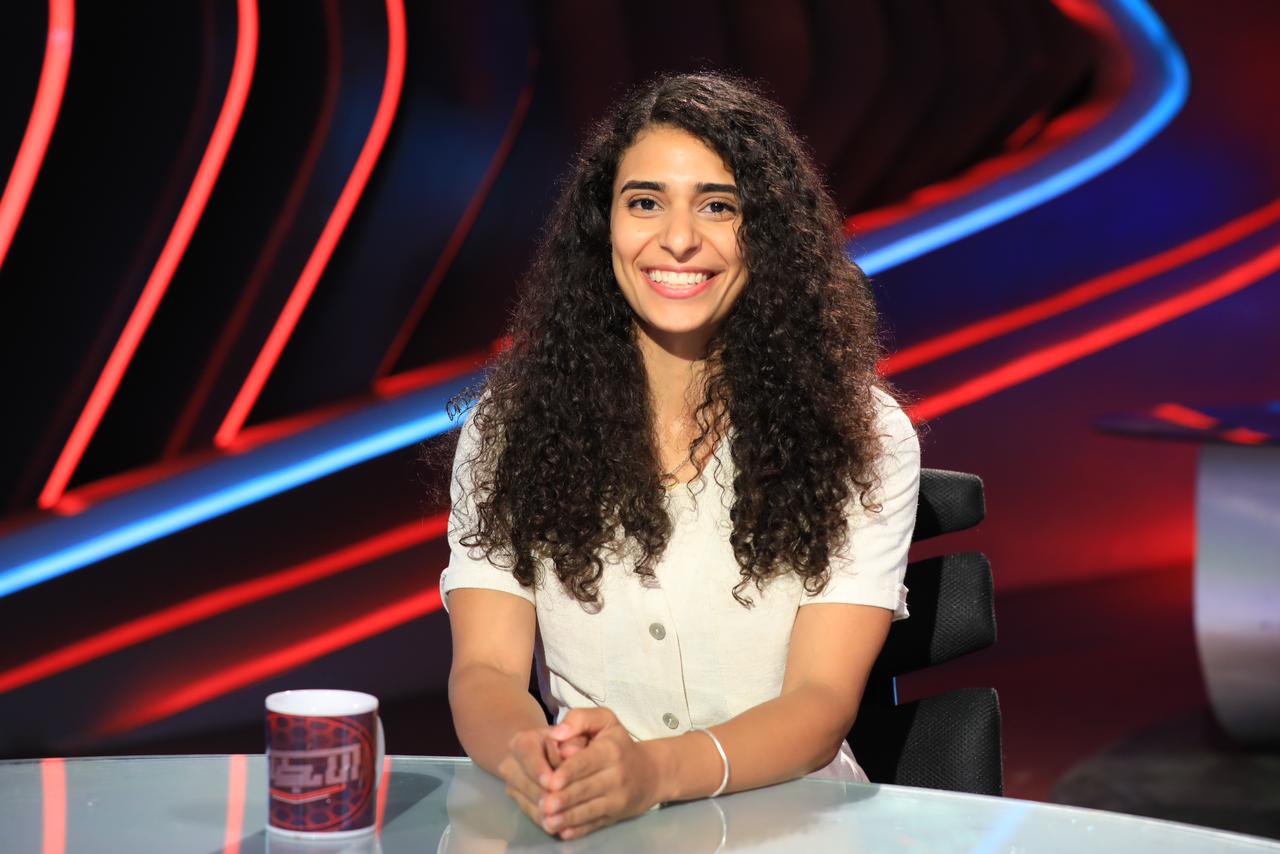
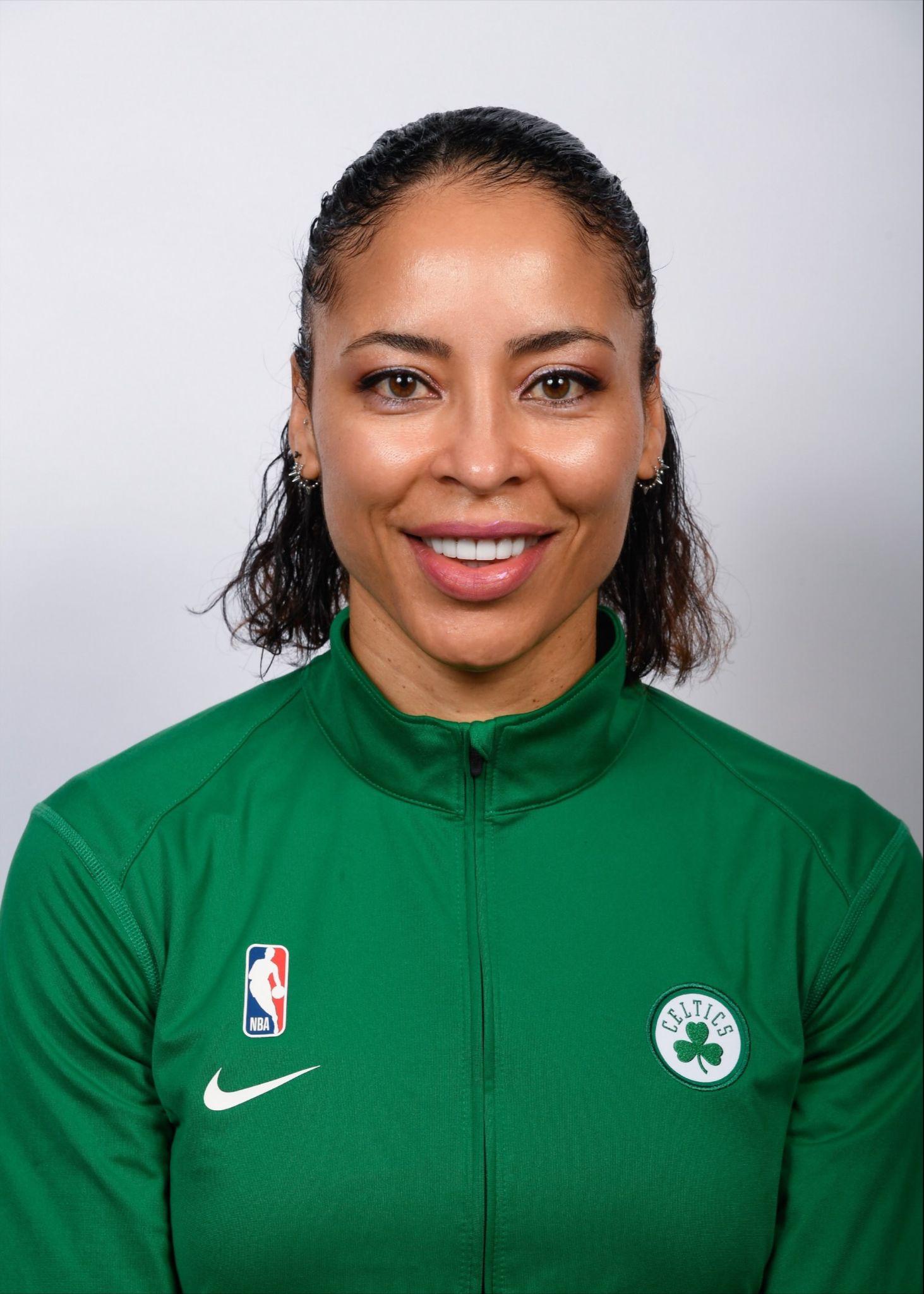
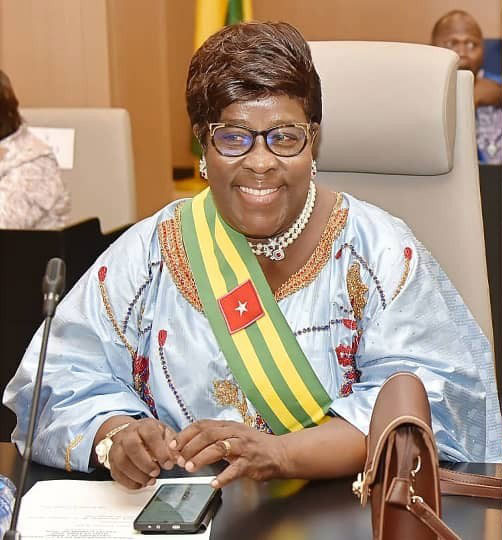
Madame KABISSA Issoyotou, titulaire d’un master en gestion des projets et passation des marchés, plus de 25 ans de facilitation des formations en Genre, Leadership, Elections, VBG. c’est une figure influente et engagée dans la Région des Savanes au Togo. Elle est reconnue pour son travail en développement communautaire; lutte contre l’extrémisme violent, la consolidation de la paix, la promotion de la cohésion sociale et de l’autonomisation des femmes.
Madame KABISSA Issoyotou, est la Coordinatrice du Réseau des Femmes et Développement des Savanes. Grâces à ses efforts, elle a contribué à améliorer les conditions de vie des femmes et à promouvoir l’égalité des genres.
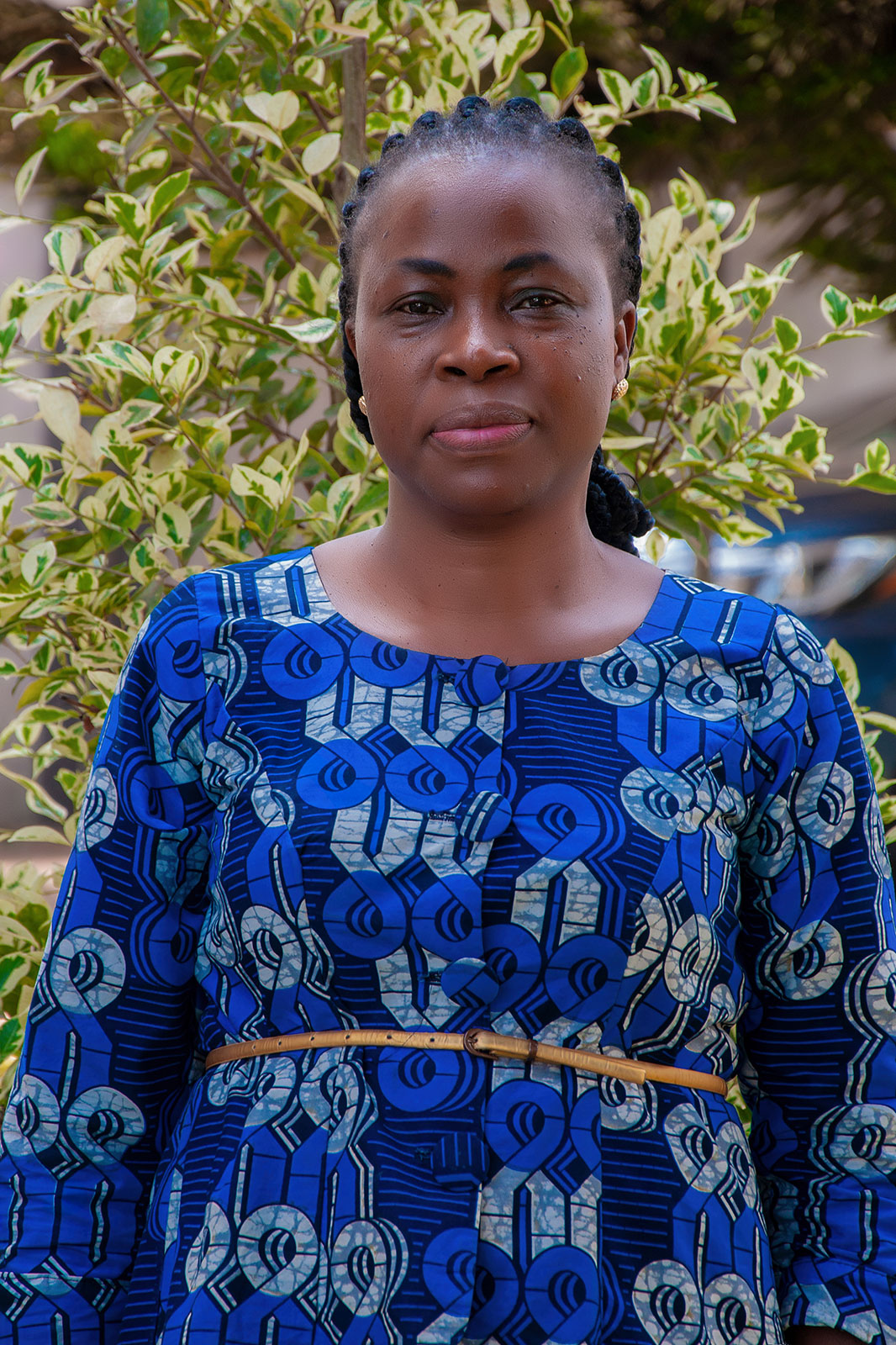
Mme AVOSSE A. Akofa Clémentine est une femme leader engagée pour le développement social et l’émancipation féminine au Togo. Titulaire d’une licence en philosophie et d’un certificat de maîtrise en éthique et politique, elle est professeur titulaire de philosophie et censeur de lycée. Actuelle Présidente du Conseil d’Administration de l’ONG Femme De Demain, elle est également Conseillère municipale à Kloto 1. Militante de terrain, elle est active depuis 2007 au sein du CERPAR et coordonne le Cercle de Réflexion et d’Action Philosophique (CRAPH). Mme AVOSSE est aussi Présidente de la commission permanente des femmes et jeunes filles et initiatrice de l’association CRAPEFE et du réseau des coopératives de femmes UCOFECY. Elle allie réflexion philosophique et engagement communautaire pour construire un avenir plus équitable.
Le REFED/S assure l’épanouissement socioéconomique des femmes en s’offrant comme cadre de référence pour la concertation, les échanges d’informations et d’idées. Aussi comme pierre angulaire en matière de renforcement des capacités, de la représentation dans un climat de solidarité, de partenariat et d’engagement individuel et collectif.
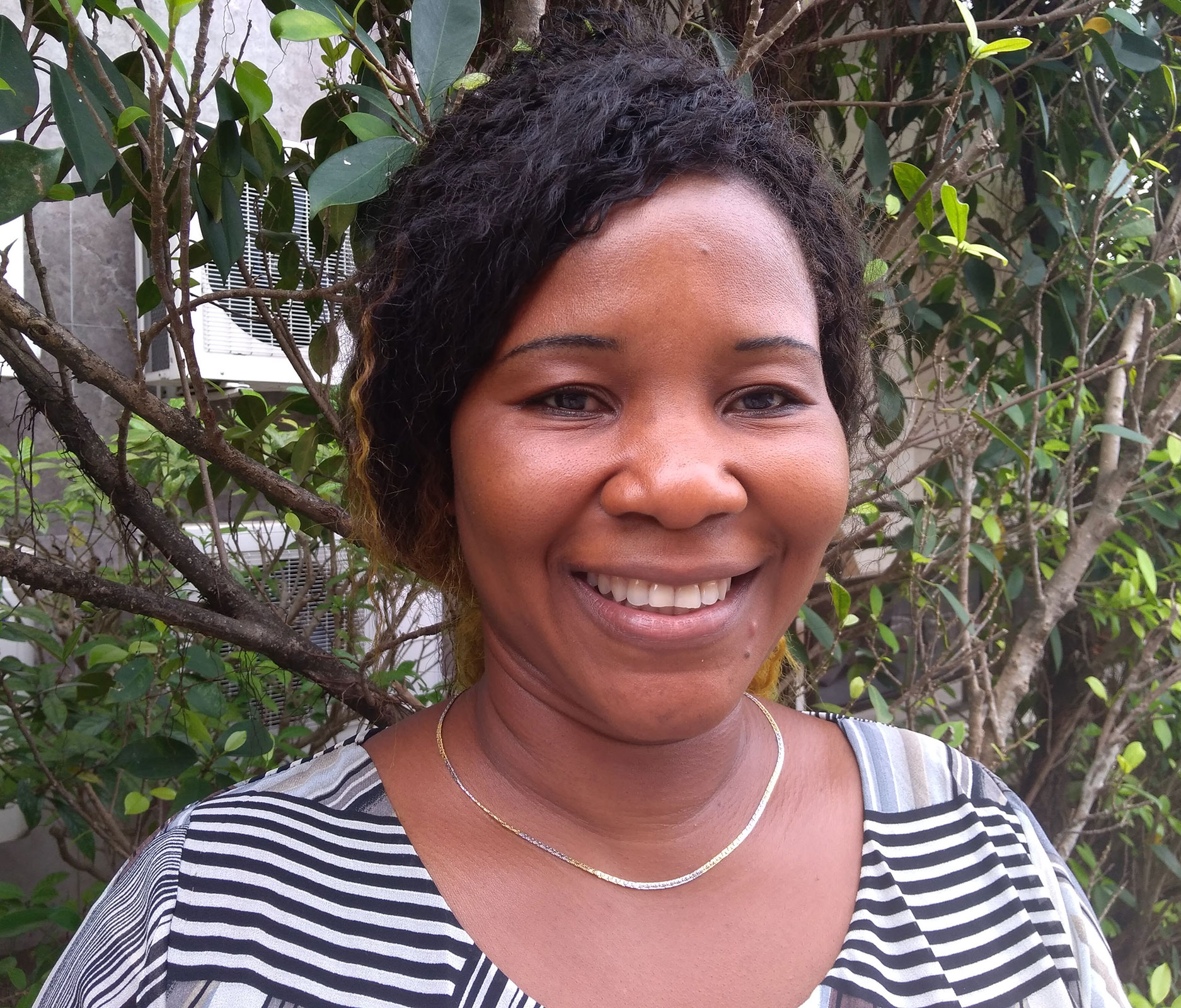
Mme Rachel Awoussi BOYINDJO est une ardente défenseure des droits des femmes, engagée activement dans leur promotion, protection et valorisation. Titulaire d’un Master 2, son mémoire a porté sur le thème : « Place des femmes dans les mécanismes communautaires de culture de la Paix et la cohésion sociale dans la préfecture de Tchaoudjo, Région Centrale du Togo ».
Actuellement, elle poursuit une thèse doctorale co-encadrée par l’Université de Lomé (Togo) et l’Université ZALF (Allemagne), sur le sujet : « Préjugés, dogmes sociaux, origines génétiques, les raisons de l’absence des femmes dans certaines activités socio-économiques de la restauration des paysages forestiers, cas de la Préfecture de Tchamba ». Elle intervient en tant qu’experte nationale reconnue sur les questions de genre.
Femme De Demain (FDD) est une organisation non gouvernementale togolaise engagée pour l’épanouissement des femmes et des jeunes filles. Depuis sa création, FDD œuvre pour l’accès à l’éducation, la protection sociale, la santé communautaire et l’autonomisation économique. À travers ses projets phares comme EPEFID et PASME, l’ONG accompagne les populations vulnérables vers un avenir meilleur. […]
TATEY Adzoavi Nyuito est une militante togolaise engagée pour les droits des femmes et Directrice Exécutive de l’ONG ALAFIA, qu’elle dirige depuis sa création en 1997. Sociologue de formation, Spécialiste en éducation des adultes, elle œuvre pour l’élimination des pratiques traditionnelles néfastes comme le veuvage coutumier et milite pour l’autonomisation des femmes et des jeunes filles au Togo.
Sous son leadership, ALAFIA est devenue une organisation de référence dans la promotion de la santé, des droits humains et de l’égalité de genre. Elle continue de mobiliser les communautés et les autorités pour un développement social inclusif.
Dimension Humaine (DH) est une ONG Togolaise créée en Septembre 1998. Dimension Humaine œuvre pour la promotion, la protection et la défense des droits de l’Homme en général, ceux de la femme et de l’enfant en particulier et pour une justice sociale dans la Paix.
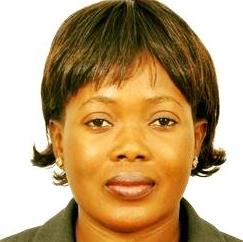
Madame Délali APEGNOWOU est sociologue spécialisée en développement communautaire et Directrice Exécutive de l’ONG Famille Engagée pour le Développement Inclusif en Afrique (FEDIA). Elle est nantie d’une maîtrise en sociologie obtenue à l’Université de Lomé et cumule plus de 15 ans d’expérience dans la formation, la gestion de projets, et l’appui aux initiatives féminines. Son leadership est reconnu dans la promotion de l’autonomisation des femmes, le développement inclusif et la préservation de l’environnement.
ALAFIA – Femmes, Santé et Développement est une ONG togolaise d’initiative féminine créée en 1997, engagée dans la promotion des droits des femmes, des jeunes et des enfants. Elle œuvre dans les domaines des droits humains, de la santé, de l’éducation, de l’assainissement et de l’environnement. Forte d’une approche communautaire participative, elle lutte notamment contre […]
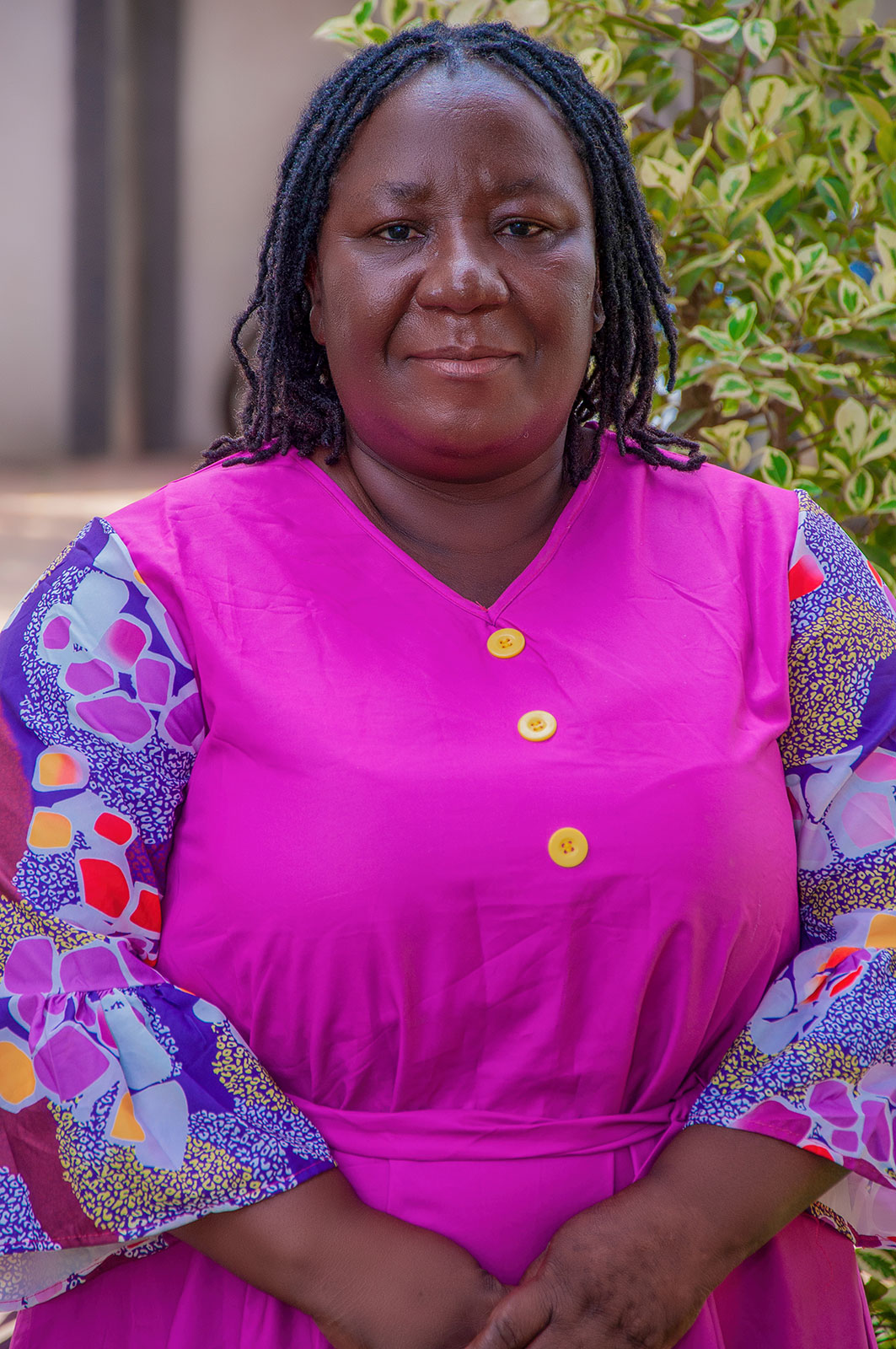
Madame Honorine Honkou-Laté, sociologue, docteure en théologie et cheffe d’entreprise, est une figure majeure de la société civile togolaise, engagée dans la promotion des droits des femmes et la lutte contre les violences basées sur le genre (VBG) Forte de plus de 20 ans d’expérience dans des postes de responsabilité, elle a été conseillère au Togo pour le Fonds Mondial pour les Femmes et lauréate de l’Académie politique des femmes leaders de l’Union Européenne.
Fondée en 2013, FEDIA (Familles Engagées pour le Développement Inclusif en Afrique) est une organisation féminine, apolitique et à but non lucratif basée au Togo. Elle œuvre pour la promotion des droits des femmes, des enfants et des jeunes, tout en s’engageant activement pour la protection de l’environnement. Sa vision est celle d’un monde où […]
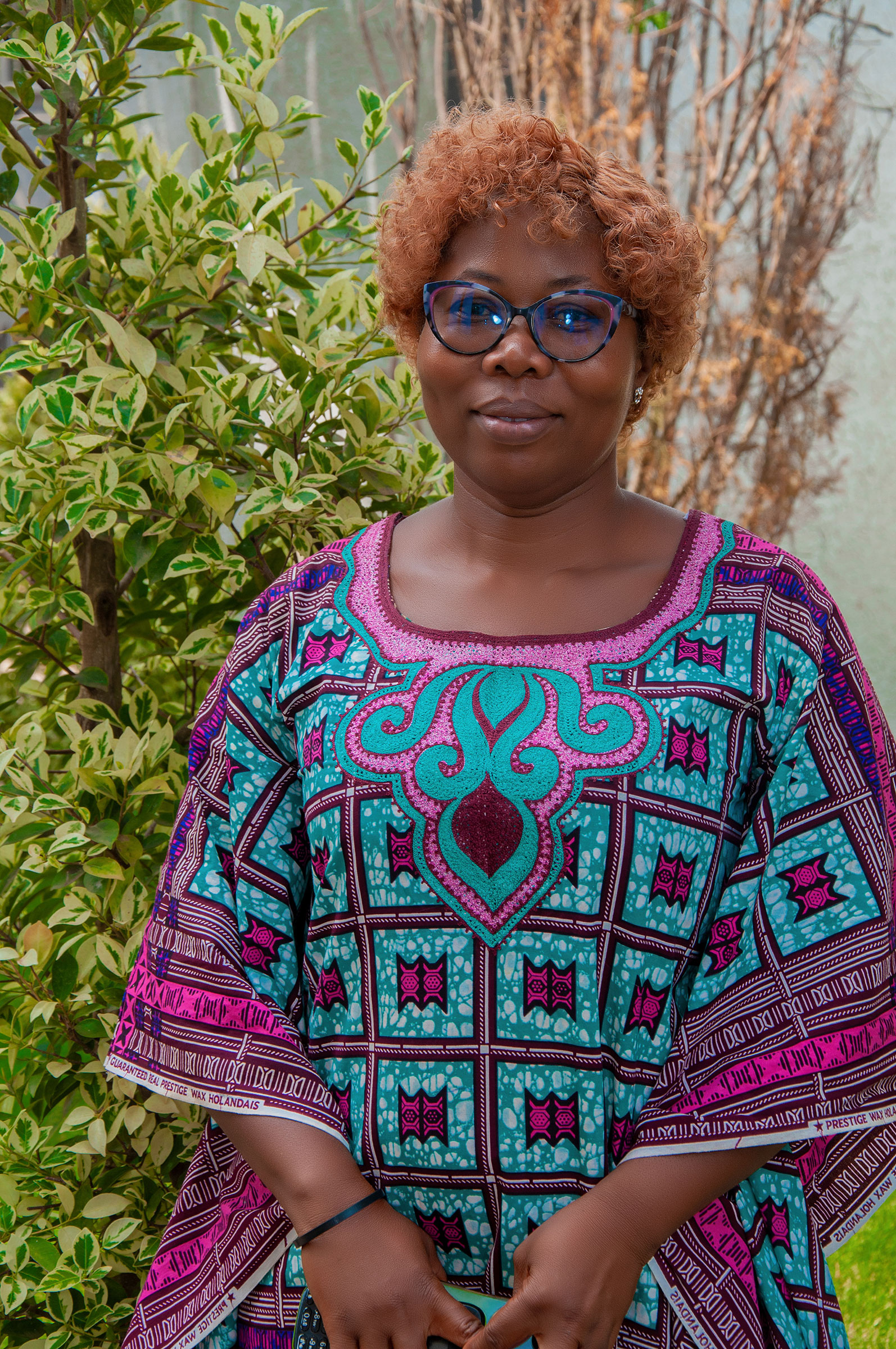
ESSEH Afua Kafui, sociologue de formation et présidente de CADEFE est l’une des actrices engagée dans la lutte pour la promotion des droits des femmes, filles et des couches vulnérables à la base.
La COFET (Coordination des Organisations Féminines du Togo),créée en 2018, est la faîtière nationale des organisations de femmes pour les droits des femmes, l’égalité du genre, l’autonomisation des femmes et filles, et le développement durable au Togo. Elle se veut un cadre de référence où toutes les organisations féminines au Togo retrouvent leur identité, renforcent […]
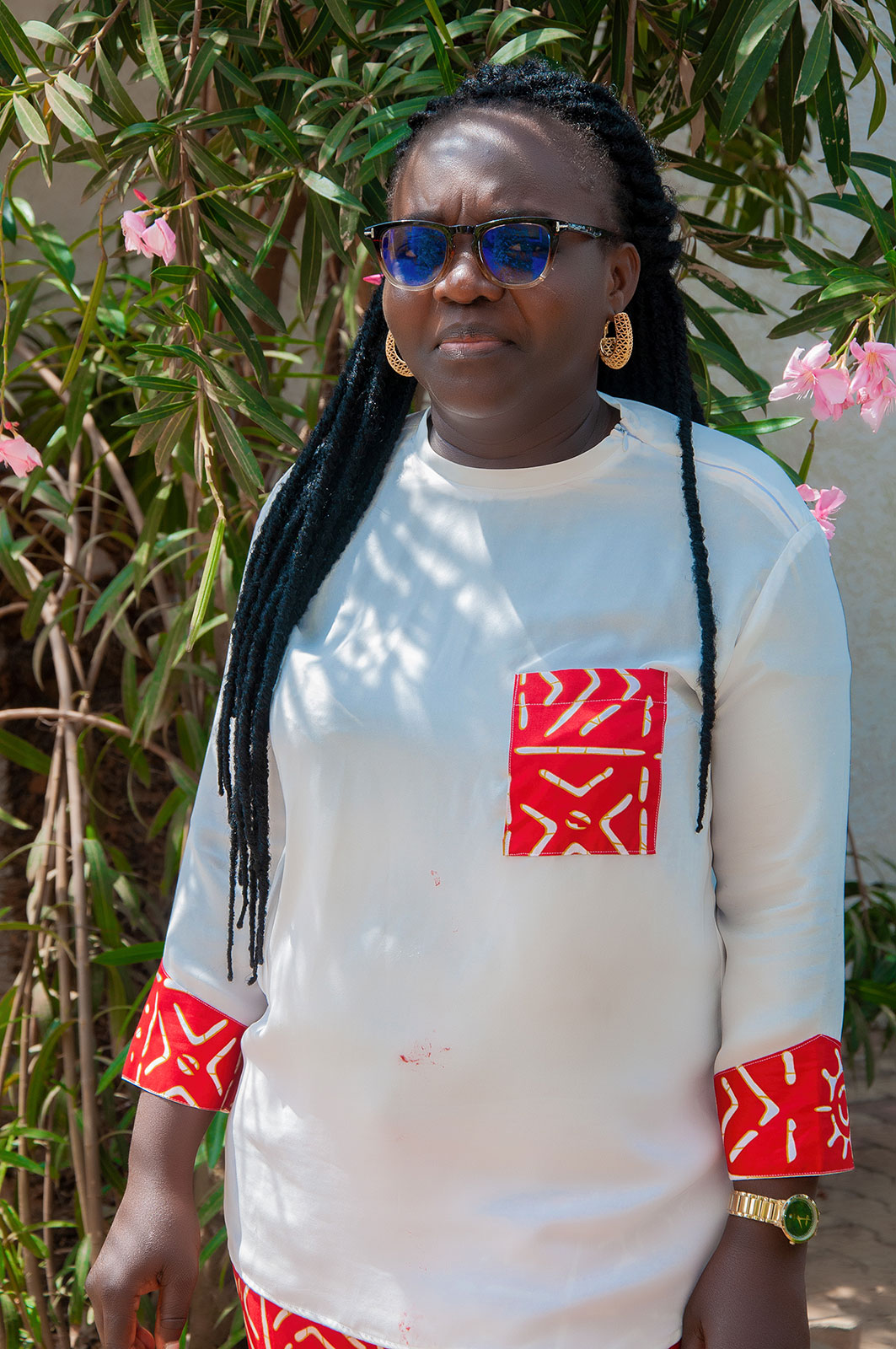
Mme TONGNI Enyonam B. est une femme leader engagée dans les droits des femmes vulnérables notamment les Professionnels de Sexe. Humaniste, militante fervente et convaincue de la cause de la femme en général mais aussi des personnes vulnérables en particulier, elle a une grande capacité de mobilisation et de négociation. Elle met son leadership au service de l’amélioration de la qualité de vie des personnes vulnérables : les Professionnels de sexe, les portefaix, les enfants mais aussi les femmes en situation de vulnérabilité.
CADEFE est une ONG togolaise créée le en décembre 2008 le 22 décembre 2008 par des jeunes volontaires de compétences diverses. Elle a pour but d’œuvrer à l’épanouissement de la femme et de l’enfant pour un développement humain durable et a pour mission essentielle de contribuer à l’amélioration des conditions de vie des femmes, des […]
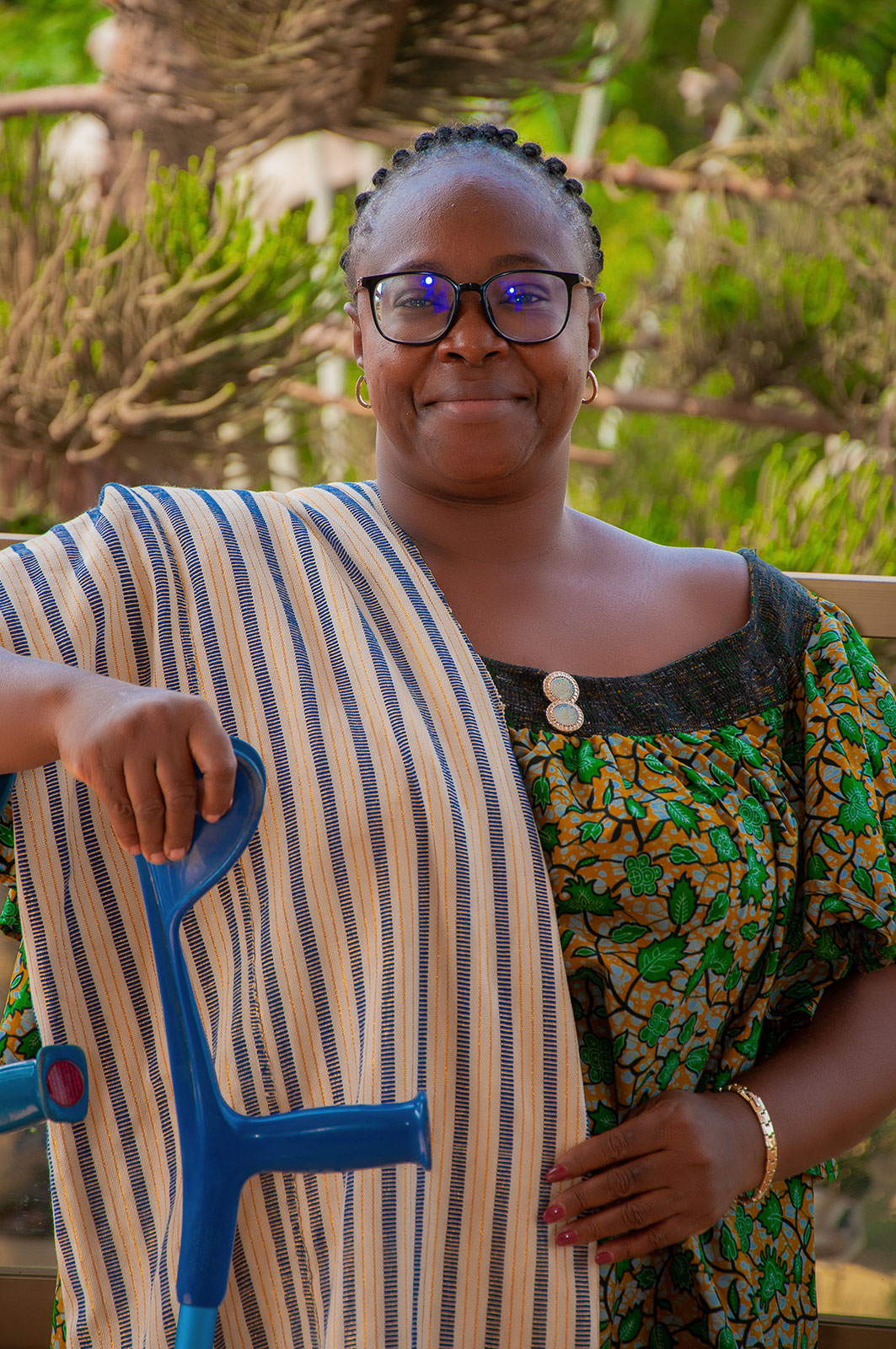
Madame Nambkoua DOGOMANGUE, âgée de 46 ans, est une militante engagée pour les droits des personnes en situation de handicap, en particulier des femmes et des filles. Mère de trois enfants et vivant elle-même avec un handicap physique, elle s’est investie depuis 2005 dans la lutte pour l’inclusion, l’égalité et la dignité de toutes les personnes marginalisées. Elle est la fondatrice et responsable de l’Association des Femmes et Filles Handicapées Vaillantes de la Région des Savanes (A2FHV-S), une organisation créée en 2021 pour promouvoir l’autonomisation, la santé, l’éducation et la protection contre les violences basées sur le genre.
AFAZ est une organisation à but non lucratif qui œuvre pour l’offre des services de prévention et de prise en charge de qualité en matière de VIH/sida, IST et autres infections opportunistes, pour l’autonomisation des femmes et contribue à la création d’un environnement favorable sur les plans sociaux, juridiques et sanitaires pour les femmes marginalisées […]
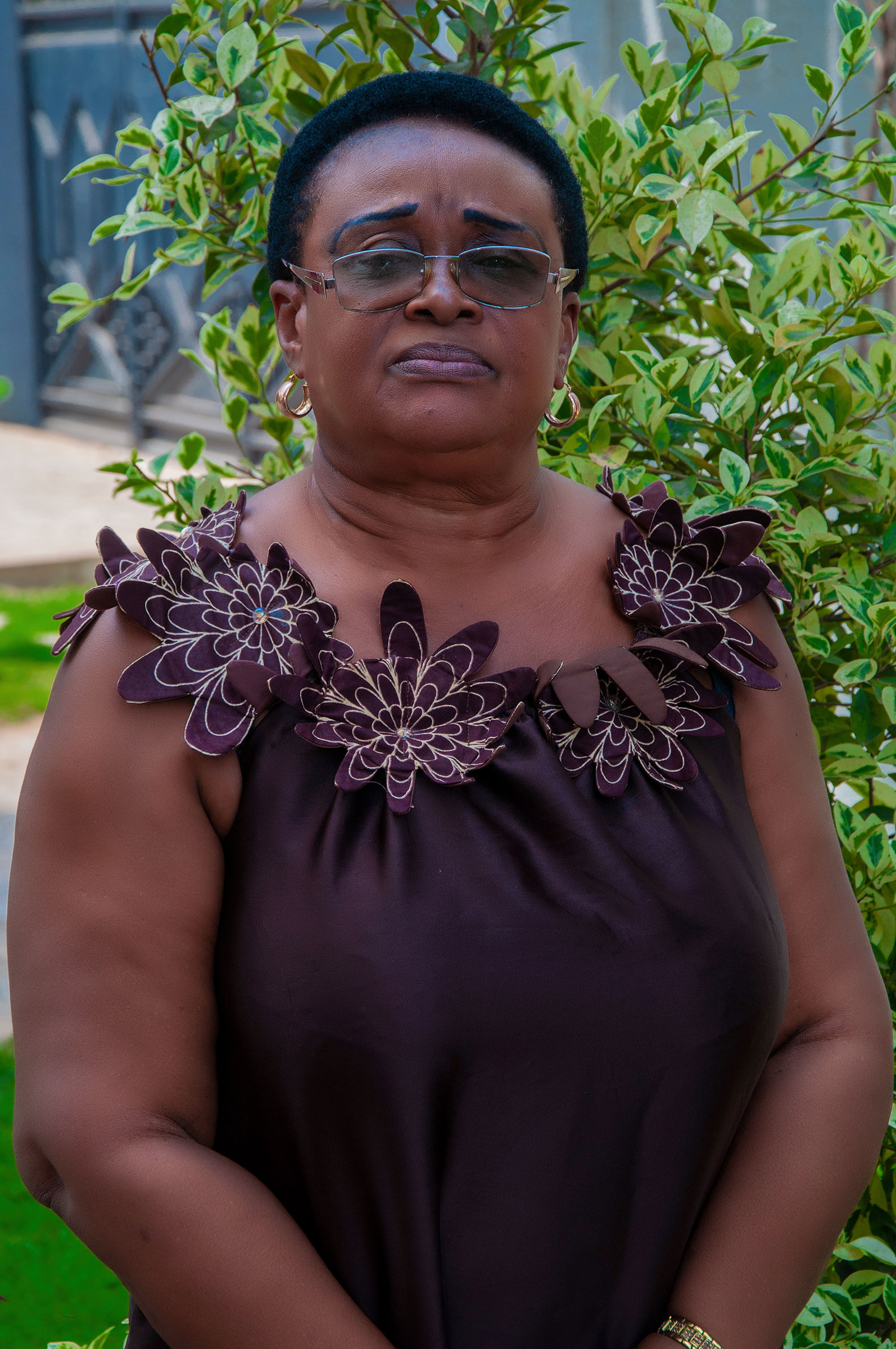
Mme Birregah Ata est une actrice engagée du développement communautaire, investie dans la promotion des droits et du bien-être des femmes; Elle met son leadership au service du développement communautaire et de l ’autonomisation des femmes. Elle dirige l’association avec passion et détermination.
Créée le 3 mai 2021, l’A2FHV-S est une organisation engagée pour la promotion des droits des femmes et filles en situation de handicap dans la région des Savanes au Togo. Officiellement reconnue le 13 juin 2024, elle lutte contre toutes formes de discriminations et milite pour une société inclusive et égalitaire. L’association agit dans les […]
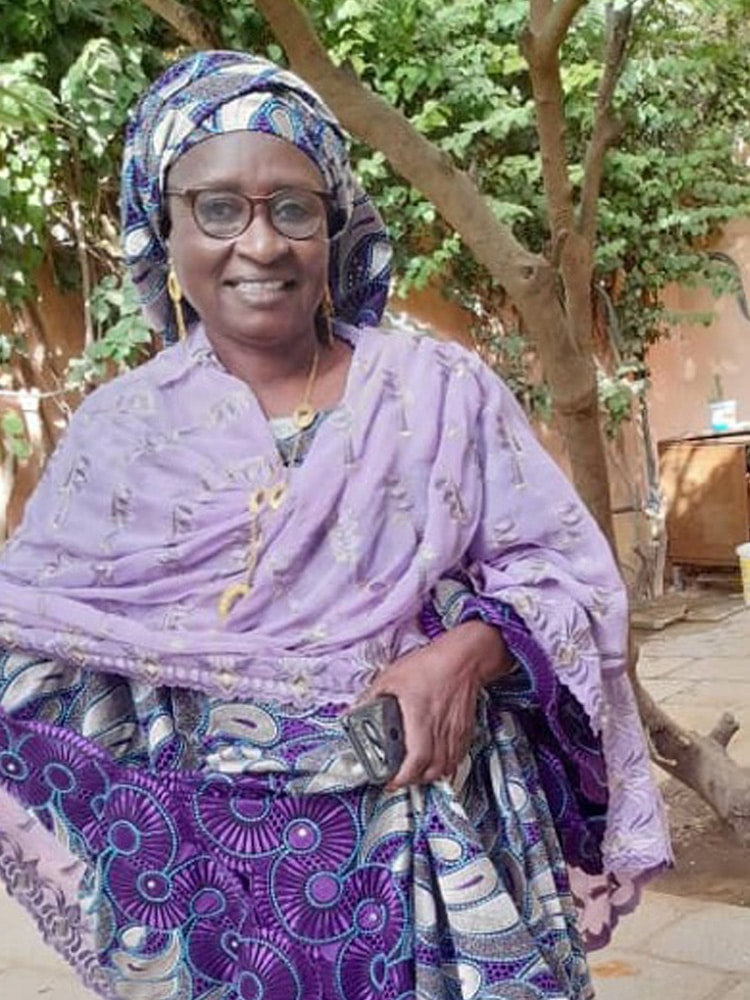
Née à Kaolack, Khadidiatou Wane s’implique dans la vie communautaire comme relais polyvalent au district sanitaire de Mbour depuis 1999 pour aider et orienter les femmes en matière de santé.
Son engagement communautaire l’a poussé à créer l’Association Soppe Sa Jabotte pour l’autonomisation des femmes et la prévention des maladies. Son engagement et son encrage communautaire ont fait qu’elle soit élue la présidente des « Badienou Gox » du département de Mbour en 2010, poste qu’elle occupe jusqu’à présent et préside également la mutuelle d’épargne et de crédit FDEA.
Convaincue que les femmes doivent être formées pour garantir leur autonomie, elle détient un diplôme de couture et un autre en transformation de fruits et légumes et céréales. Enfin, elle a ouvert chez elle une salle de couture pour récupérer les filles en milieu défavorisé qui n’ont pas les moyens de se payer une formation.
L’AFED est une organisation de la société civile qui œuvre pour l’épanouissement, l’autonomisation des femmes à travers des actions de formation, d’appui économique et de sensibilisation aux droits. Elle lutte contre les violences basées sur le genre au Togo en menant des actions de plaidoyer, de sensibilisation et d’accompagnement des femmes en situation de vulnérabilité. […]
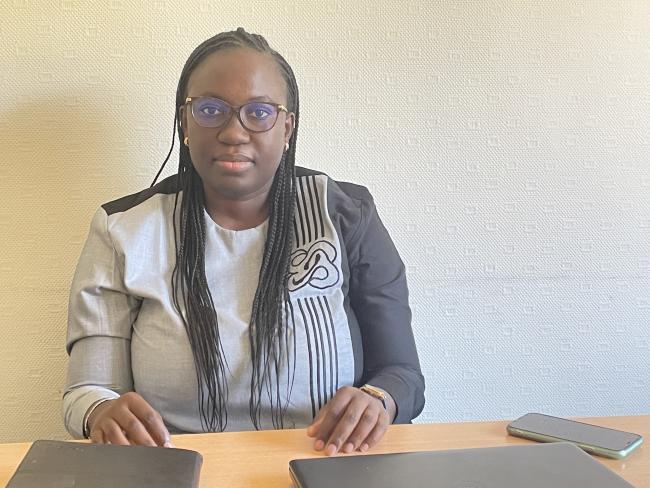
Juriste – Chercheure, Coordonnatrice nationale du ROAJELF SENEGAL, Spécialiste Genre, Communication, Paix et Sécurité. Coordonnatrice de projet, Chargée de subventions Consultante
Soppe Sa Jabotte est une association qui œuvre pour l’autonomisation des femmes et la prévention des maladies. Leur démarche consiste à former des relais qui ont un certain niveau d’études choisi par leurs pairs dans la communauté qu’ils vont aller former sur différentes thématiques à savoir la santé, la communication pour un changement de comportement, […]
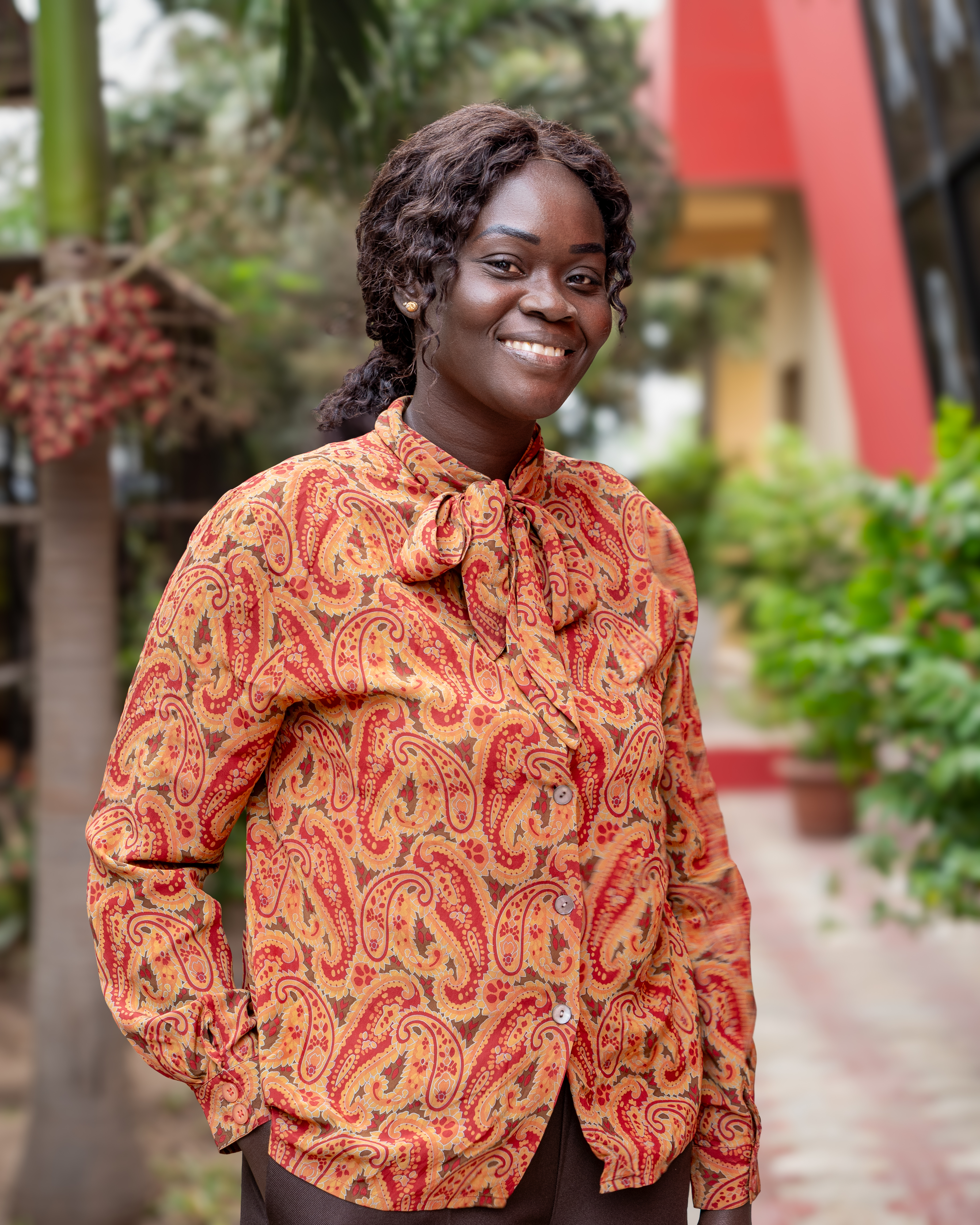
Adji Fatou Ndiaye – Née le 28 Novembre 1991 à Dakar, sortie d’école depuis 2018 comme sage-femme, j’ai fait plusieurs stages dans plusieurs structures sanitaires publiques et privées du Sénégal : CHU de FANN, Le Dantec, etc. De 2018 à 2021, elle a été recrutée par l’ONG AcDev pour intégrer leur équipe mobile de prestation mobile en SR/PF dans les districts sanitaires de la région médicale de Dakar, actuelle direction régionale de Dakar. Depuis 1 an, je suis devenue la présidente de la section féminine du RN-ASLUT et superviseur dans le projet OCAS au nom du RN-ASLUTASLUT
En tant qu’organisation de la société civile ouest africaine, le ROAJELF Sénégal, organisation féminine ambitionne de développer pleinement le potentiel des jeunes femmes en vue de favoriser leur participation aux processus de décision et développement de la sous région. Le réseau ouest africain des jeunes femmes leaders prévoit d’être un outil de mise en œuvre […]
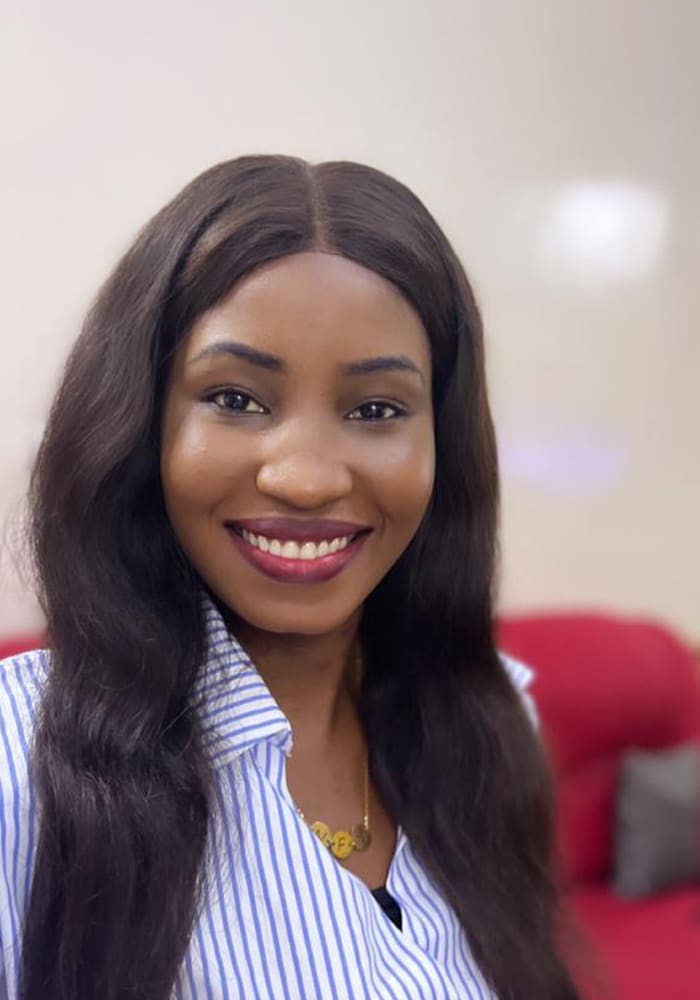
Madame Ndeye Farma NDAO est la Présidente nouvellement élue lors de la dernière assemblée générale ordinaire du Réseau des Jeunes tenue en février 2022, elle est une militante active des droits des femmes et des enfants, encadreuse au sein du Mouvement National des Pionniers du Sénégal, elle est Juriste Conseil d’Entreprises et d’Affaires et a obtenu son Master II en Droit Privé à la Faculté des Sciences Juridiques et Politiques de l’Université Cheikh Anta Diop de Dakar.
RN/ASLUT est une entité faitière qui regroupe plusieurs associations présentes dans les 14 régions du Sénégal et qui sensibilise et informe les communautés pour l’adoption des comportements adéquats pour faire face à ce fléau. A ce titre RN/ASLUT, depuis sa création, a participé activement à toutes les phases de la lutte contre la tuberculose au […]
Point focal « Neaw deal » depuis 2015, Sylvie est une jeune leader animatrice, fervente militante des droit humains plus particulièrement les droits des filles et des enfants en collaboration avec le Centre Conseil Adolescent de Kolda et Paroles aux jeunes.
Ses activités principales tournent autour de la santé de la reproduction et la sexualité des jeunes, les mariages précoces, l’excision, l’autonomisation de la fille, la question d’état civil, l’éducation, la nutrition et récemment sur des alternatives à la migration clandestine.
Créé en 2015, le Réseau des Jeunes est une organisation à but non lucratif qui est en charge des questions liées aux violences basées sur le genre spécifiquement les Mutilations Génitales Féminines et les mariages d’enfants. Il a été enregistré officiellement auprès du ministère de l’intérieur en 2016. Il est constitué de 31 organisations faîtières […]
Présidente de JGEN Sénégal (Women Global Entrepreneurship), Maimouna Astou YADE est une jeune militante féministe sénégalaise âgées de 32 ans, entrepreneure sociale, elle travaille dans le plaidoyer pour l’égalité des sexes et les droits sexuels des femmes.
Elle est une jeune féministe passionnée et dédiée à la cause des femmes et des filles, elle milite pour la valorisation et la prise en compte effective du pouvoir des jeunes et des femmes dans toutes les politiques de développement économique, politiques et sociales, au plan national et au plan régionale. Juriste de formation, elle est spécialisée en genre, développement et droits humain. Maimouna s’est engagée très jeune pour faire avancer les droits des femmes et des filles dans son pays et a dirigé plusieurs organisations de jeunes filles et de jeunes femmes leaders depuis 2010.
Maimouna est également impliquée dans l’intégration des jeunes femmes africaines notamment en Afrique francophone, ainsi elle a initié et cofondé la PLAJEFLF (la plateforme africaine des jeunes femmes leaders francophones. Cette plateforme a été créée à Niamey, en novembre 2019.
Le Club des Jeunes Filles de Kolda a été créé en 2015 à Kolda et regroupe des jeunes filles âgées de 12 à 24 ans. Le club lutte contre le mariage des enfants et les grossesses précoces, promeut le leadership féminin et l’autonomisation des jeunes filles et femmes. Le club est regroupé dans les quartiers […]
Bénéficiaire principale JGEN Senegal est une organisation de jeunes femmes qui promeut l’élimination de la violence contre les femmes et les filles et travaille aussi pour la promotion du leadership et de l’entrepreneuriat féminin.
Née à Thiès, Fatou Badiane est une femme de développement travaillant dans la santé communautaire depuis 1983 et actrice de dynamique communautaire depuis 2009. Présidente des Badienou Gox de la région de Thiès, elle est nommée meilleure Badienou Gox du district sanitaire de Thiès et est la 2éme meilleure Badienou Gox de la région de Thiès.
Le Comité da pour but le suivi des Subventions du Fonds Mondial pour le Sida , la Tuberculose et le Paludisme et de doter le Sénégal d’un système communautaire, performant, proactif, visible, inclusif, crédible. Ce systeme se veut complémentaire du système public de santé, permettant ainsi d’éliminer les contraintes d’accès aux services de santé et […]
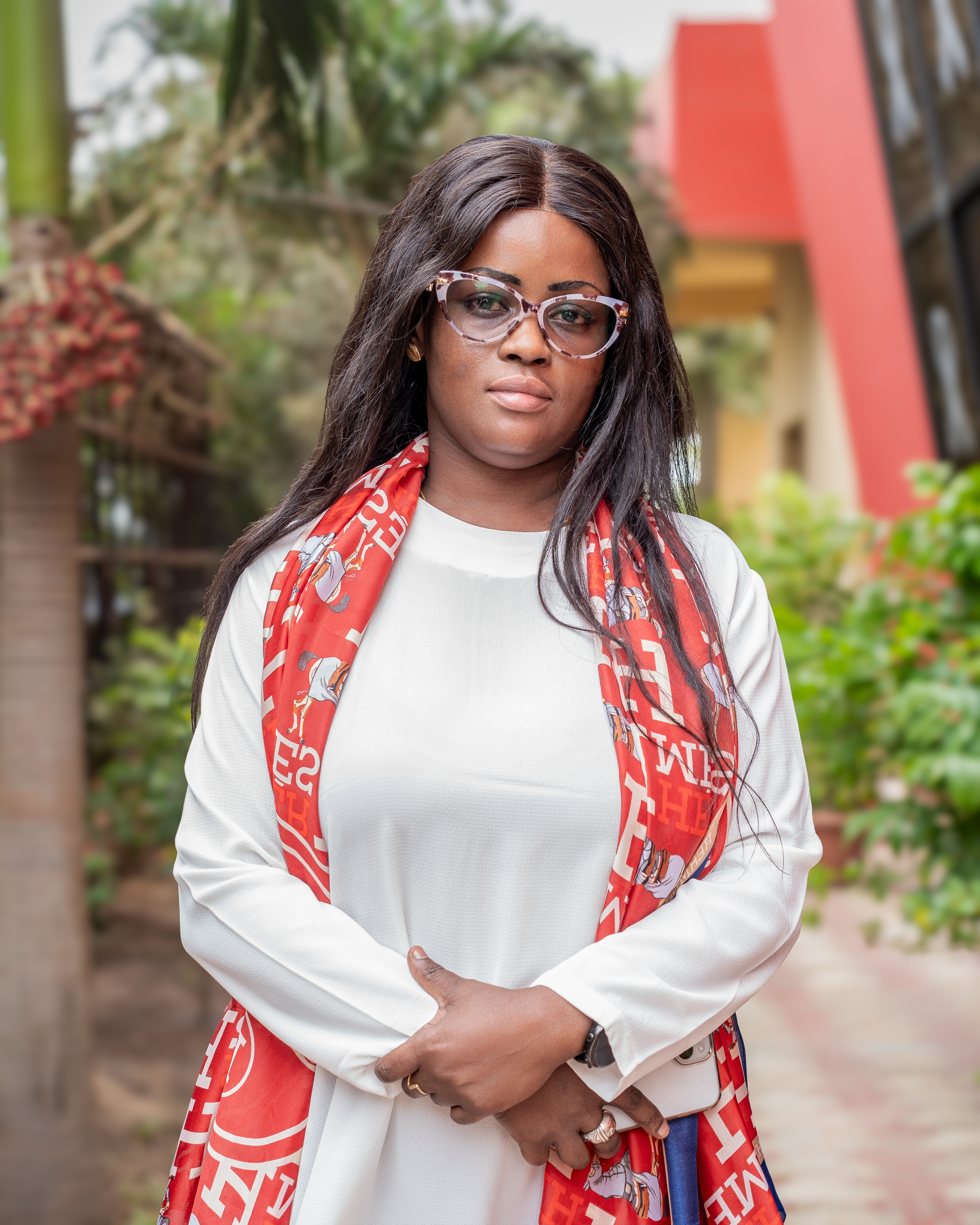
Je suis une jeune femme travaillant dans le milieu de la santé publique et de l’humanitaire depuis plus de 10 ans ; soucieuse de l’avenir de la jeunesse et plus particulièrement des femmes, j’ai eu l’honneur en 2011 de rejoindre l’Association des jeunes pour le Développement (AJD/Pasteef) en tant que assistante chargée de programme. Ce poste m’a permis très tôt, de piloter plusieurs programmes de lutte contre les violences faites aux femmes et jeunes. Vivant dans une société patriarcale ou l’homme est considéré comme supérieure à la femme, nous notons depuis des siècles de multiples violences exercées à l’encontre de ces dernières. C’est pourquoi, j’ai décidé de participer à la conscientisation de mes sœurs et frères afin de changer ce mutisme.
Citation : « Pour participer à la lutte contre les mutilations génitales féminines il est important d’impliquer les futurs parents à savoir les jeunes ». » Participer à l’émancipation des femmes et filles et un devoir de tout citoyen ».
Toujours, dans le même sillage, j’occupe actuellement le poste de Secrétaire exécutif de l’Association Sénégalaise pour l’Avenir de la Femme et de l’Enfant (ASAFE), créée depuis 1997 et reconnue juridiquement en 2002. En effet, je suis Titulaire d’un diplôme Supérieur en Travail Social option gestion des Services Sociaux, d’un master II en finance et gestion publique, d’un Master 2 en citoyenneté, droit de l’homme et action Humanitaire et d’un diplôme d’État en travail social, spécialiste en éducation surveillée.
Je suis passionnée par la petite enfance et mon combat est de voir une représentation significative des jeunes dans les instances de prise de décision. Sur ce, j’ai été récemment élue adjointe au maire de la ville de Guédiawaye.
Bajenu Gox est un programme communautaire créé par le ministère de la Santé et de l’action sociale pour la promotion de la santé de la mère, du nouveau-né et de l’enfant. Il couvre l’ensemble du territoire national. Dans le cadre de la mise en œuvre du programme, les « bajenu Gox » ont pour missions […]
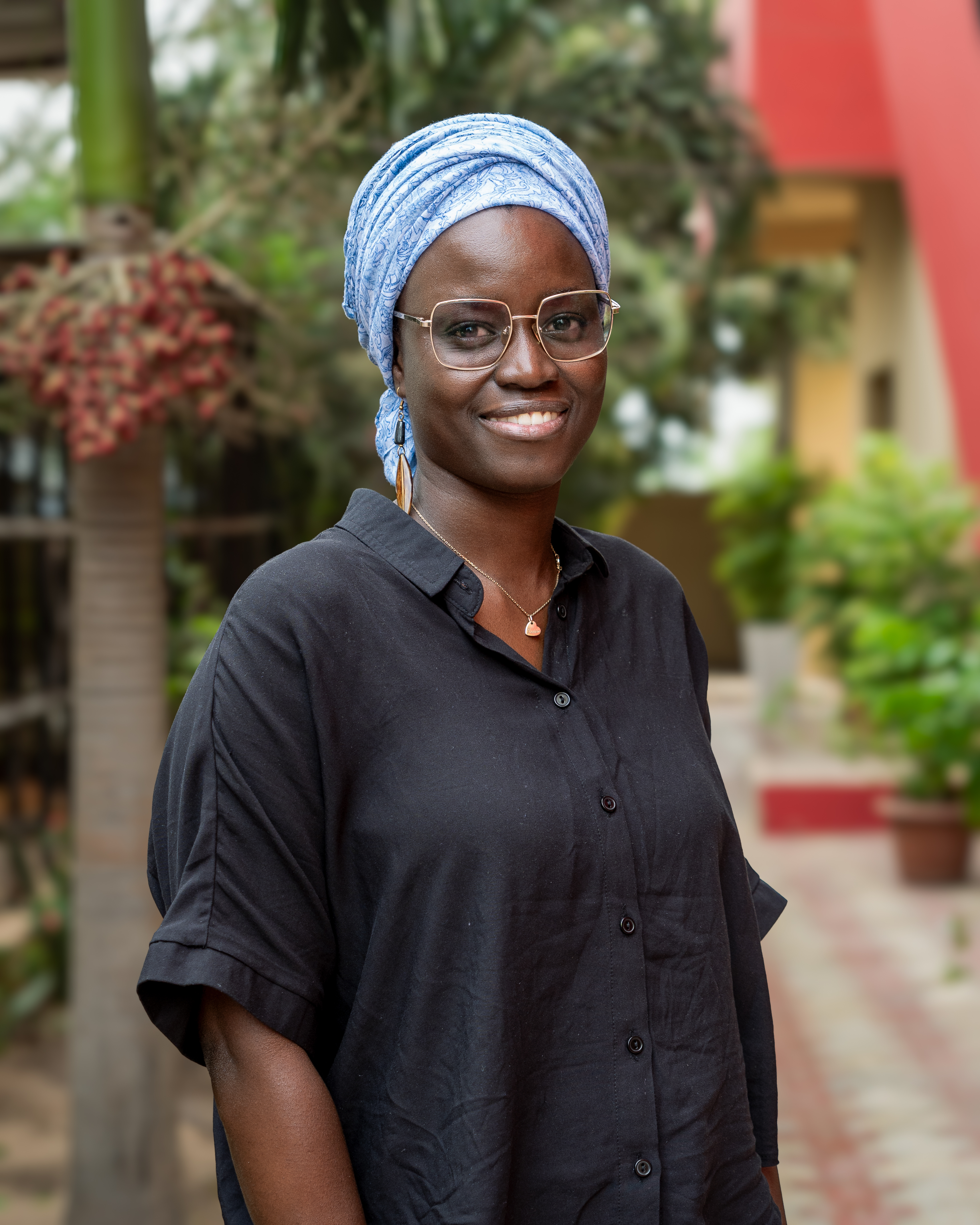
L’Association pour le Maintien des Filles à l’Ecole (AMFE Sénégal) est créée le 10 avril 2010 par un groupe de jeunes filles adolescentes, élèves au CEM (actuel lycée) les Agnam, conformément aux lois et règlements en vigueur dans la République du Sénégal. L’AMFE est une association apolitique, non gouvernementale et indépendante.
Étant une association visant l’éducation, l’autonomisation et le leadership des filles et des femmes, AMFE Sénégal s’emploie à refléter les spécificités de ses missions, tout en incarnant des valeurs d’inclusivité, d’égalité, de solidarité et de respect des droits humains.
La vision d’AMFE Sénégal est de Contribuer à faire du Sénégal un pays où toutes les filles et les femmes ont un accès égal et permanent à la santé, à une éducation et une formation de qualité, aux ressources nécessaires pour s’autonomiser, avec un leadership affirmé. La mission consiste à promouvoir, de façon participative et inclusive, l’accès à la santé, à l’éducation, à la formation, le leadership et l’autonomisation des filles et des femmes au Sénégal.
AMFE Sénégal compte 40 cellules dirigées par des jeunes filles, âgées de 12 à 19 ans. Les cellules sont situées dans les établissements scolaires des régions du fleuve (Matam, Saint-Louis et une partie de la Mauritanie), dans les universités publiques et Instituts Supérieurs d’Enseignement Professionnel (ISEP) du Sénégal.
ASAFE a été fondée en 1997 et intervient principalement sur les mariages d’enfant, les grossesses précoces, la mortalité maternelle et les mutilations génitales féminines. Elle est présidée actuellement par Fatimata Mamadou Lamine Sy, juriste de formation. L’association sensibilise les familles habitant dans les régions où la pratique de l’excision est toujours présente afin de les […]
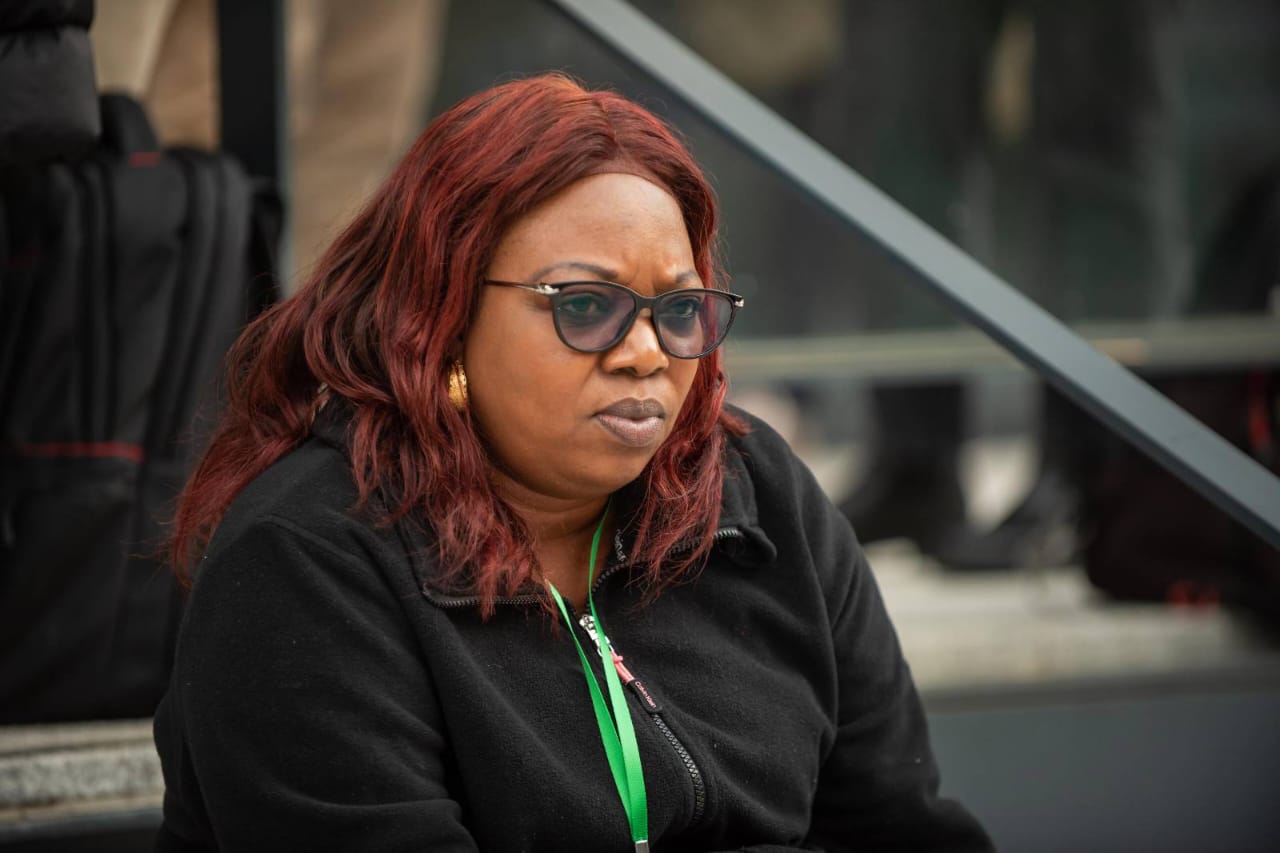
Je suis leader activiste, travailleuse du sexe sénégalaise. Je suis dans la réponse au VIH depuis 1995. J’ai débuté comme relais, pair éducatrice au sein d’une organisation d’encadrement des travailleuses du sexe nommé AWA.Apres mes études, j’ai suivi une formation en management organisationnel, puis en éducation thérapeutique, en accompagnement soutien pour mes pairs par ESTHER. Je suis vice-présidente du RENAPOC et je représente les populations clés au niveau du CCM. J’ai été médiatrice en santé au niveau du district sanitaire Sud 2003-2017. J’ai été superviseur District Sud pour l’enquête nationale sur la cartographie de la vulnérabilité organisée par le CNLS en 2016. J’ai également participé à l’élaboration du model stratégique régional des populations clés sur le VIH. Et aussi participer à la révision du plan stratégique national sur le VIH au Sénégal. J’ai participer à de nombreuses conférences nationales et internationales ( JSS, forum des médiateurs ,CSW, Icasa, AfriVIh , Aids, etc. ..)
Actuellement je dirige une organisation de travailleuses du sexe qui s’appelle And Soppeku
Woppa Diallo est juriste, spécialiste en droits humains, genre et éducation, et militante féministe sénégalaise engagée dans la promotion et la protection des droits des femmes et des filles en Afrique de l’Ouest. Elle est actuellement Directrice exécutive de l’AMFE Sénégal (Association pour le Maintien des Filles à l’Ecole), une organisation dédiée à l’éducation et […]
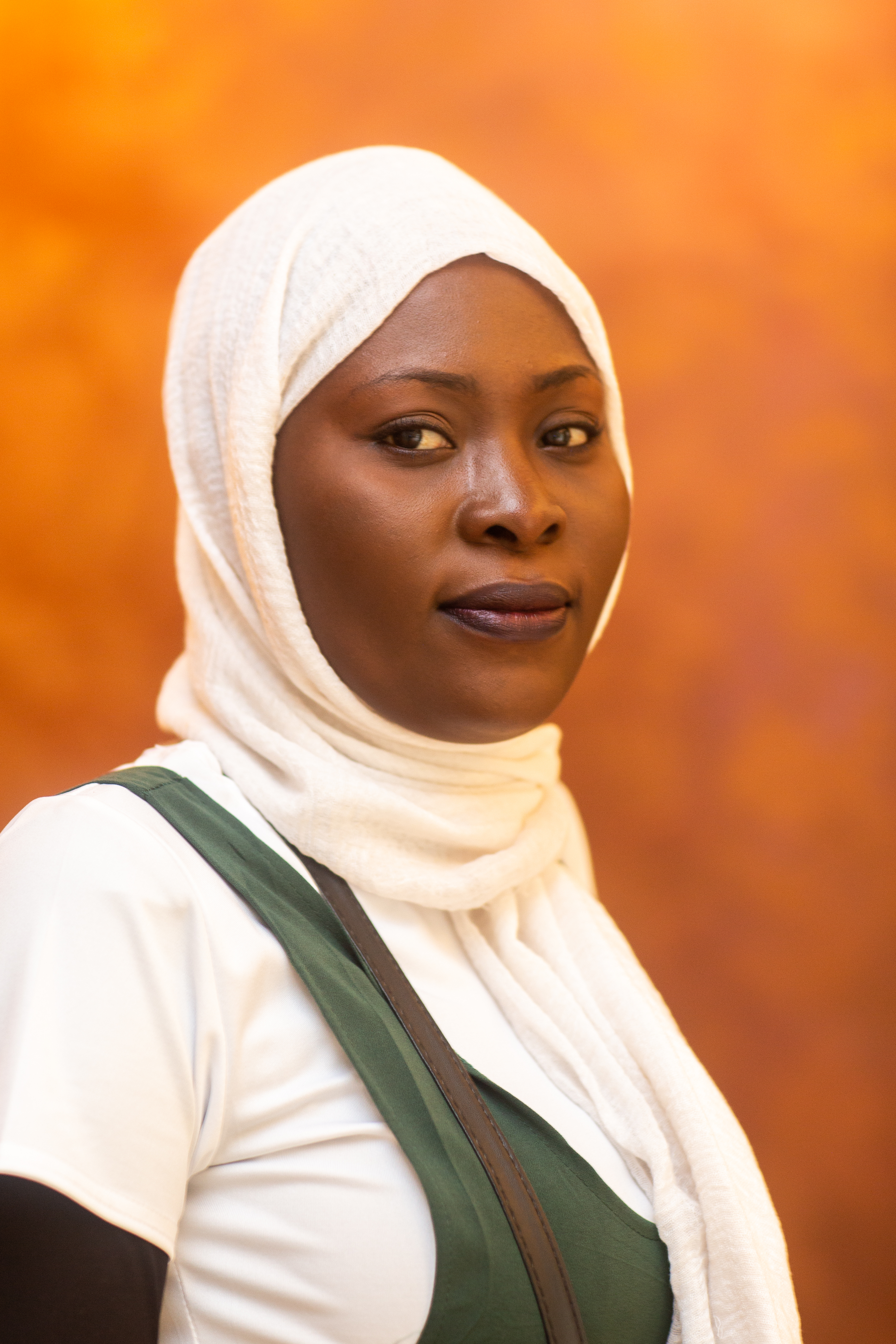
Née en 1960 à Thienaba dans la region de Thiès, Nogaye SOW a arreté ses etudes à la classe de CM2 à l’école primaire Serigne Ibrahima Seck de Thienaba. Chargée de communication dans l’AISM de Thienaba, présidente de la mutuelle de sante jaapoo fadjo à Thienaba, présidente badiane gokh district de khombol depuis 1999, Secretaire Générale GIE FASS DIOM de Thienaba. En 2016 elle a été nommée meilleure Badiane gokh dans la rÉgion de Thiès.
Elle est née en 2008 et a eu sa reconnaissance juridique en 2009. Elle est composée de 1000 travailleuses du sexe. Elle couvre 14 régions du Sénégal. Nous sommes dans la prévention, l’appui à la prise en charge médicale, psychosociale, nutritionnelle, au plaidoyer, à la promotion des droits humains. Notre organisation travaille aussi sur la distribution […]
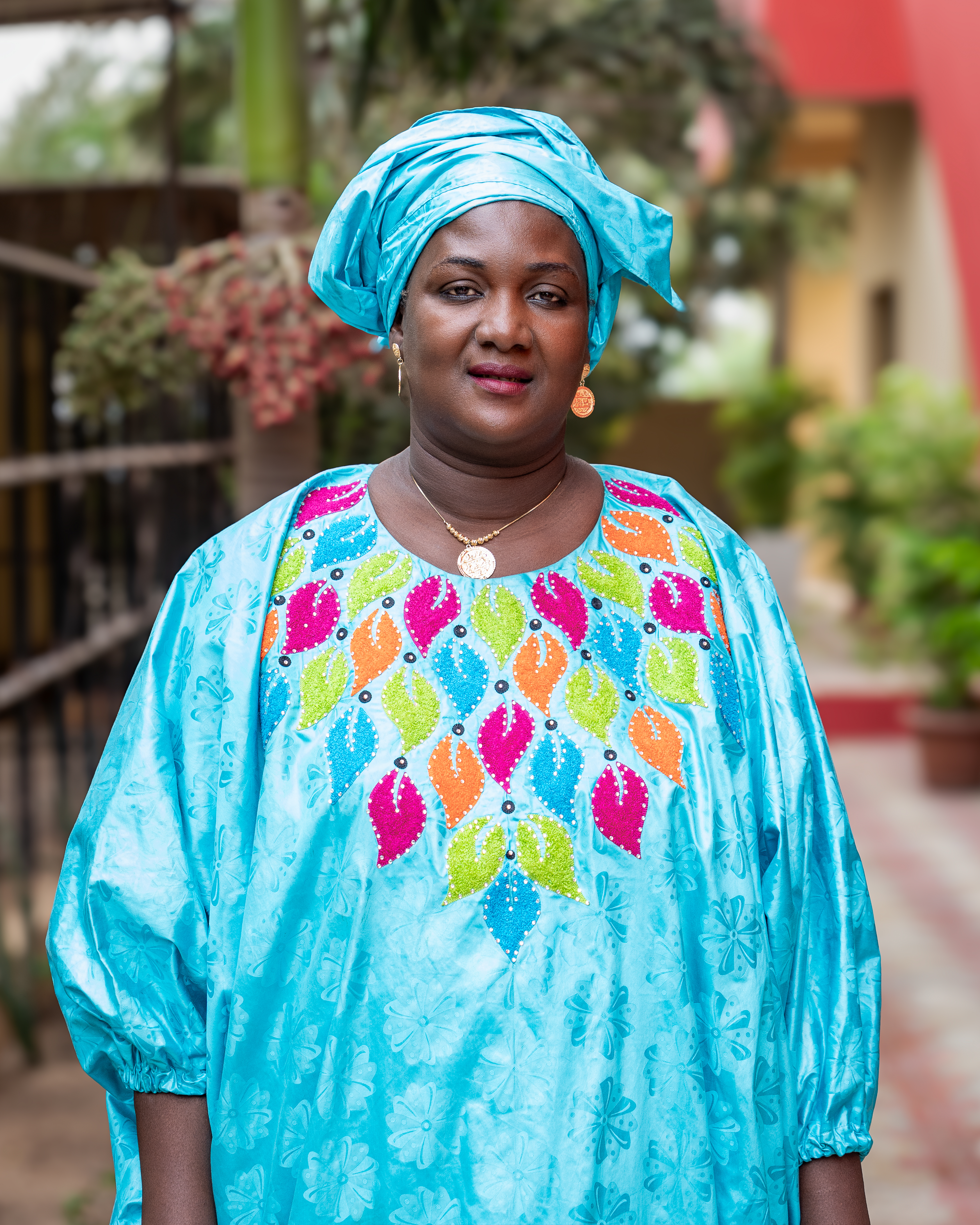
Née le 02 juillet 1973 à Diourbel, j’ai fait mes études primaires à l’école Franco de Mouride de Diourbel. Après le diplôme de l’entrée en sixième j’ai poursuivi l’école secondaire dans la même ville au CEM de Diourbel jusqu’à la classe de troisième où j’ai obtenu mon BFEM en 1997. Je suis militante pour une meilleure implication des femmes vivant avec le VIH dans les instances de décision, membre fondateur de l’association ABOYA en 2001, je fus Secrétaire Générale de 2003 à 2010, et Présidente de la dite organisation de 2011 à nos jour.
Membre du comité Directeur du Réseau National des associations de Personnes vivant avec le VIH (RNP+), cette fonction m’a permis d’être membre d’une organisation internationale des femmes vivant avec le VIH (ICW West Africa) branche Afrique de l’Ouest et depuis 2016, je suis Présidente du Conseil d’Administration de cette même organisation. Je suis aussi conseillère au niveau du Conseil National de Lutte contre le Sida (CNLS) et membre du Conseil d’administration de l’Alliance Nationale des Communautés pour la Santé (ANCS).
En 2022, je suis sortie de la 2e promotion des cartolocs formée par Enda/Santé sur la cartographie et l’estimation de la taille des populations clés.
Dans les années 90, les populations de Thiénaba ont payé un Lourd tribut en termes de morbidité (3459 cas d’accès palustre), de mortalité élevée, d’impact socio-économique dû au paludisme. Parmi ces enfants une fille de 12 ans du nom d’AMI DIOP qui, après 02 jours de souffrance, est finalement décédée. AMI DIOP est la fille […]
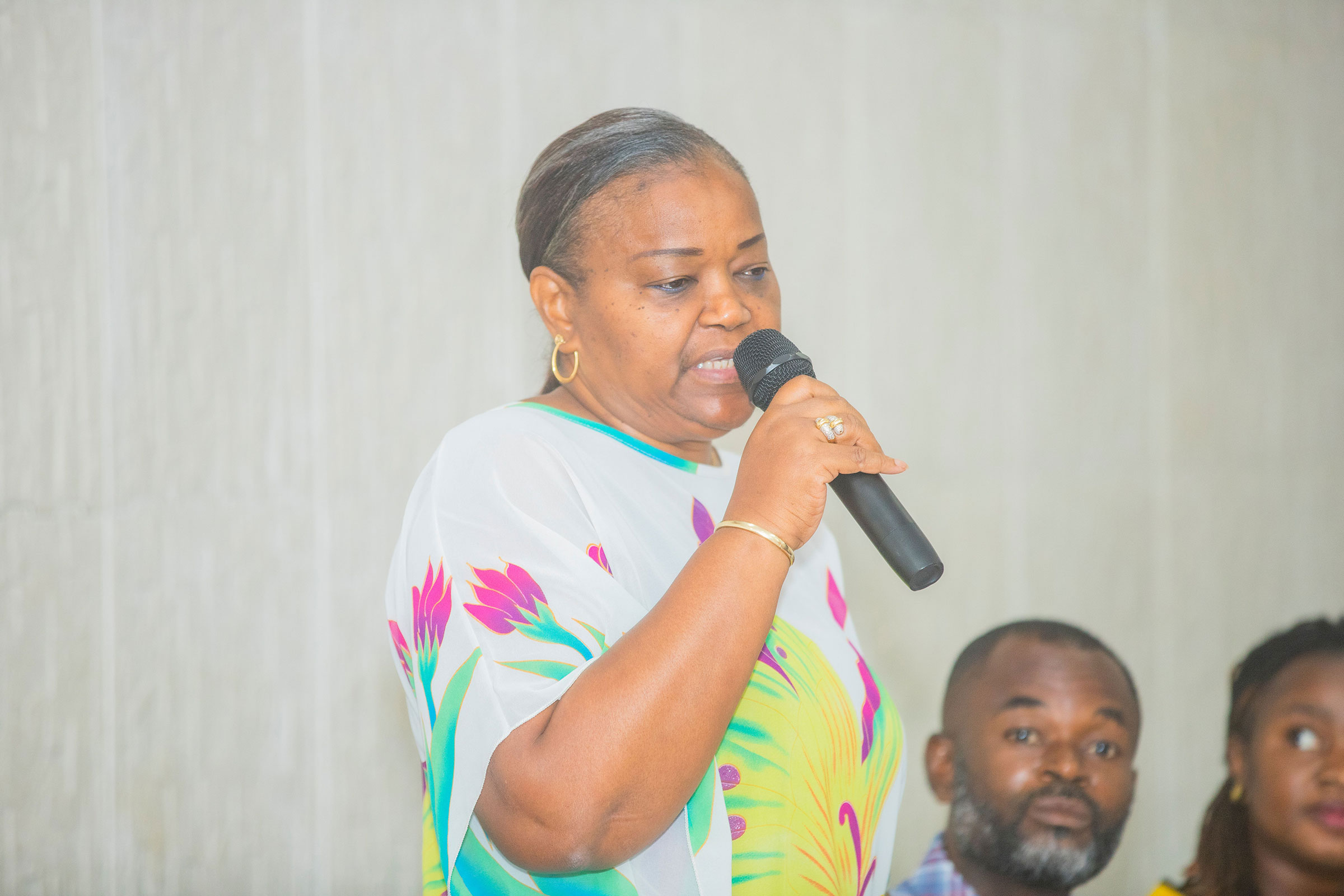
Madame MÉDOR épouse BOGUIFO Madeleine Cécile Marie Joseph. Née le 04 août 1961 à Saint-Louis du Sénégal. Juriste de formation. Soucieuse du bien-être des populations notamment les plus vulnérables, elle œuvre, de façon bénévole, à l’ONG « Y-Voir & Sourire » qui a pour mission de contribuer à la réinsertion sociale des jeunes et femmes en difficulté, y compris en milieu carcéral.
Dans le cadre de l’ONG elle a suivi une formation Universal Prevention Curricula (UPC) avec Colombo Plan financée par le Département d’Etat Américain. Reconnue comme formateur de formateurs pour la Côte d’Ivoire en matière de prévention fondée sur des preuves (Evidence-based prevention) en milieu scolaire.
Dix (10) femmes composées de médecins, anthropologue, assistantes sociales et d’acteurs communautaires ont créé l’association «ABOYA» dénommée And Bokk Yakaar qui a été portée sur les fonts baptismaux en 2001. Elle a son siège à Guédiawaye, qui sert de cadre d’échanges et de discussions pour toutes les femmes infectées et affectées par le VIH. En […]
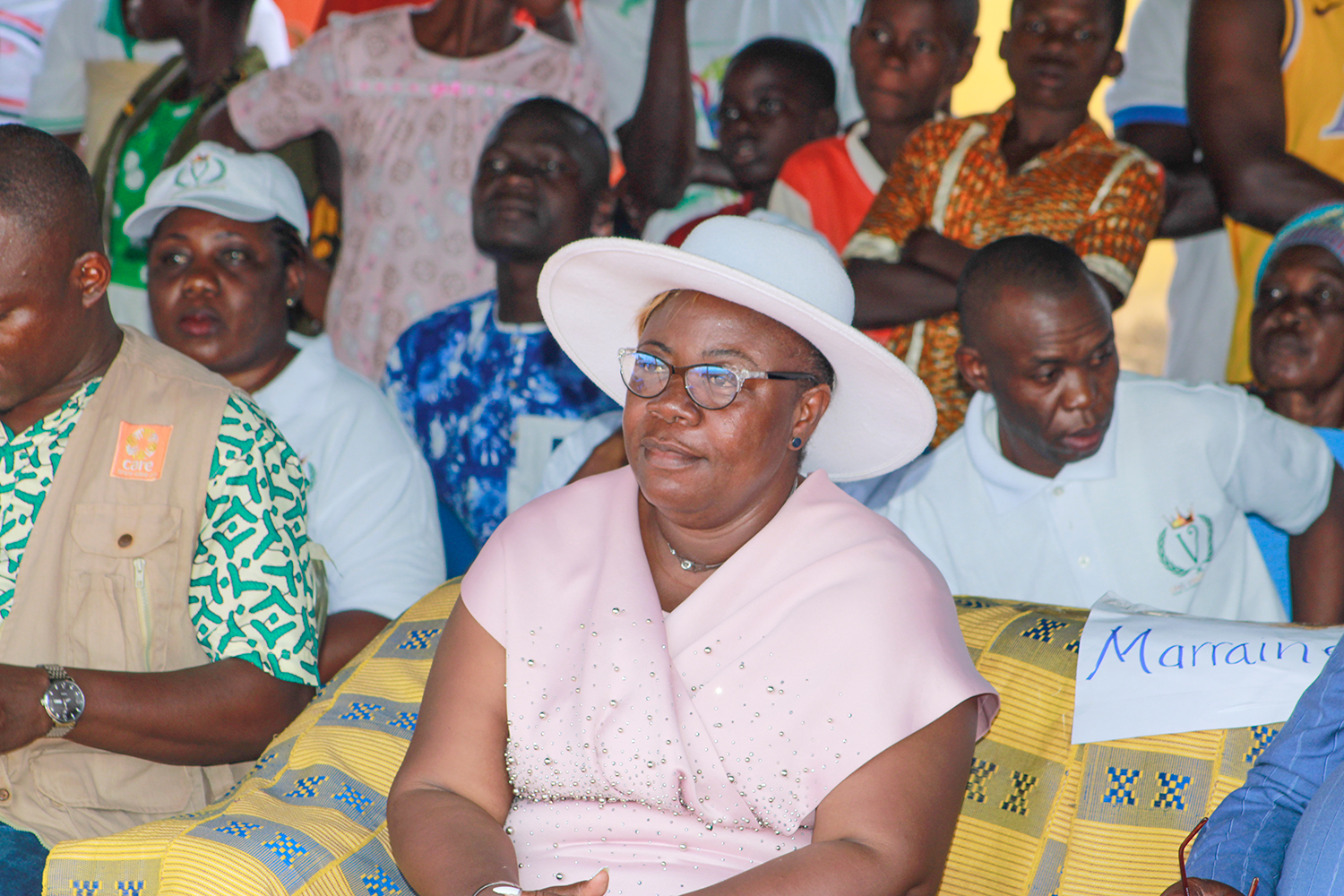
Partie du petit commerce de vente de banane plantain en 1999, dans lequel elle excella pour aboutir à une femme autonome. Mme KOUADIO VICTORINE crée en 2012 son entreprise de promotion immobilière ; En 2016, Mme KOUADIO Victorine est élue Femme Modèle de réussite pour la zone d’Abidjan sous l’égide de Care international ; 2020 Madame KOUADIO Victorine crée l’ONG Vision pour promouvoir l’autonomisation économique et sociale de la femme et de la jeune fille.
L’ONG Y-VOIR & SOURIRE : « Y.V.S » a été créée le 20 octobre 2015 avec pour Coordinatrice, la Sœur Emmanuelle ANELONE, membre de la Communauté Catholique des Béatitudes. Elle est appuyée, par des spécialistes de tout corps de métiers indispensables à la gestion des activités induites par les projets réalisés et axés sur son […]
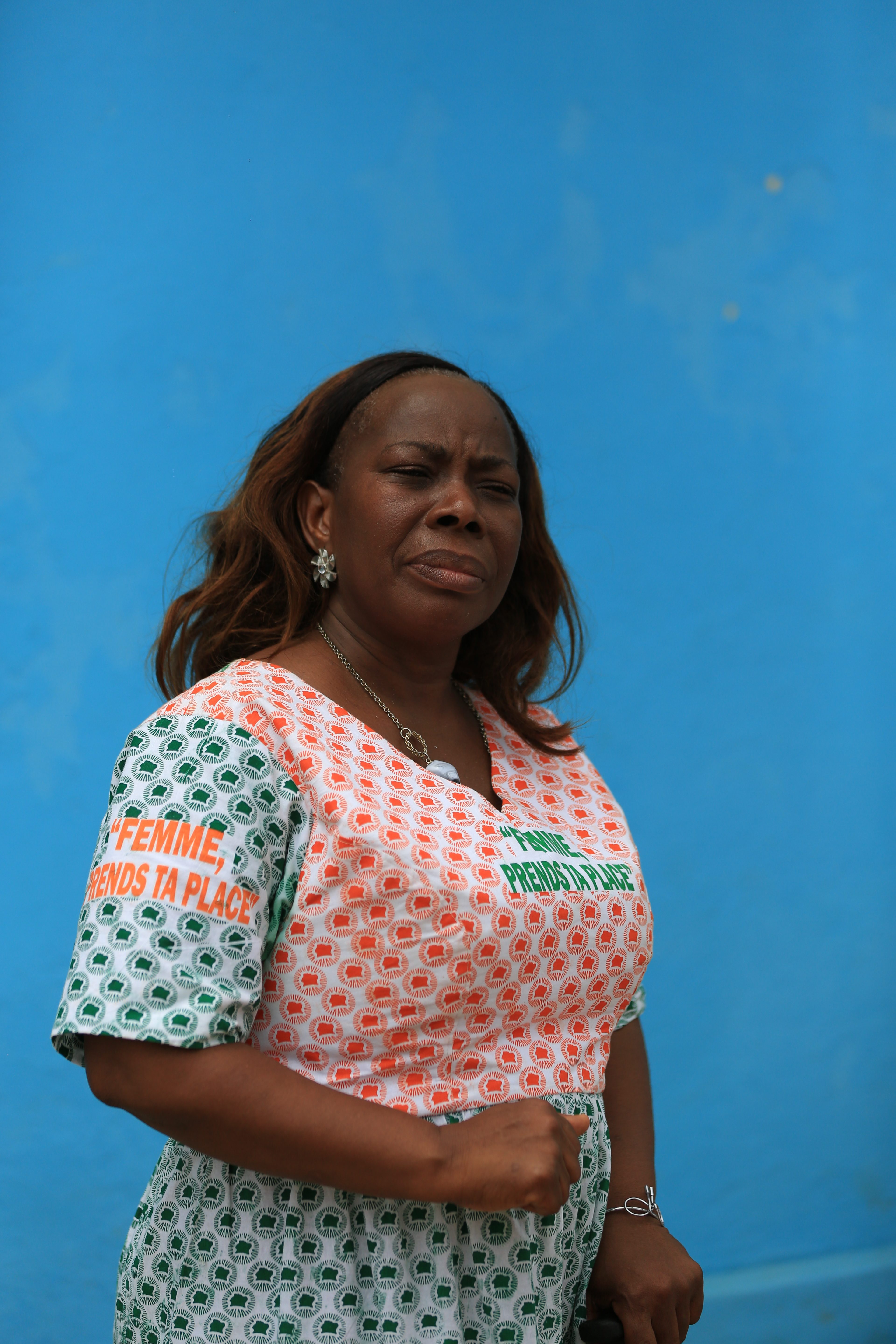
Née le 26 mars 1970 à Dimbokro en RCI, Anne CECILE KONAN est titulaire d’une maitrise en Géographie option population et d’un DESCOM en communication option gestion des ressources humaines. Secrétaire Générale de la Fédération des Association pour la promotion sociale des handicapés de Cote d’Ivoire(FAHCI) depuis septembre 2005.Elle est membre de fondatrice de unafehci où elle a exercé le titre de présidente 2006 à 2010 puis de 2018 à ce jour.
L’ONG Vision Royale est une organisation de la société civile ivoirienne à but non lucratif. C’est une organisation non gouvernementale (ONG) régie par la loi N 60-315 du 21 septembre 1960 relative aux associations. L’ONG dénommée ONG Vision Royale, en abrégé VR, elle a été créée en juin 2020 pour être plus proche des femmes […]
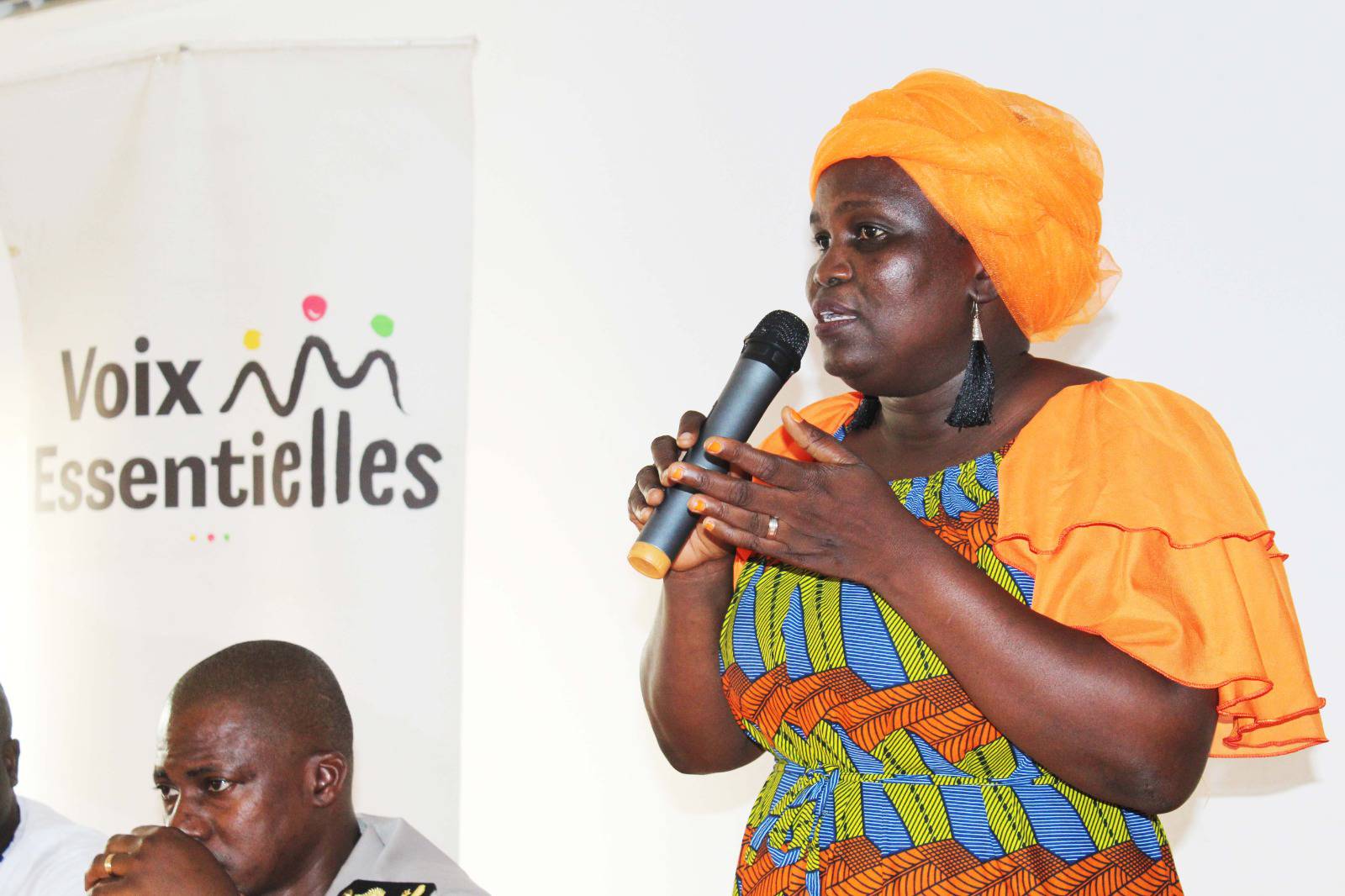
OUATTARA Gnininmankiyé epse Ineka est née en 1981. Elle a fait des études en Secrétariat de Direction Bilingue. Elle a travaillé quelques années comme Secrétaire de Direction et comptable, puis après se consacre à son initiative l’ONG TCHELE WOYE et son commerce. Passionnée du monde humanitaire, elle fait plusieurs certifications sur plusieurs thématiques liées aux Droits Humains ( Droit International de l’homme, Gestion de projet, gestion administrative et financière, Leadership, prévention et gestion de conflits, médiation communautaire, …)
Unafehci a été créé en 2006. C’est une organisation qui cible principalement les femmes handicapées et qui intervient dans les thématiques comme la santé sexuelle et reproductive, le paludisme et l’autonomisation des femmes handicapées. L’UNAFEHCI est affiliée à :
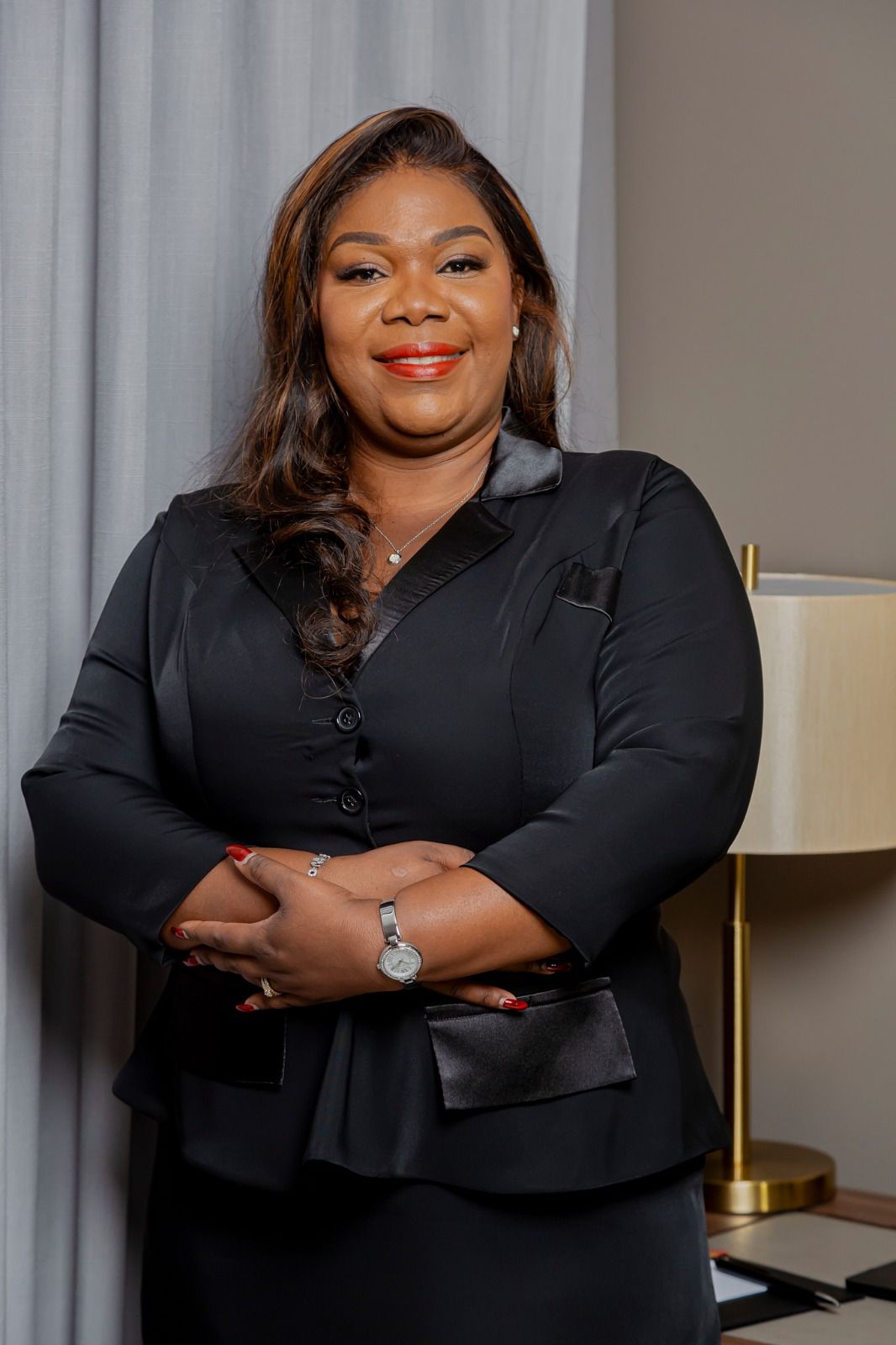
Marie-France KOUAKOU est une spécialiste en communication et en mobilisation des ressources. Elle est en outre, experte consultante en genre et développement auprès de la Banque Mondiale et de la chaire UNESCO « Eau, Femmes et Pouvoirs de décisions ». Avec son équipe Elle organise des caravanes de sensibilisation qui mobilisent des milliers de personnes en Côte d’Ivoire.
Son dynamisme lui a valu la nomination au poste de Présidente du comité permanent de la condition de la femme pour la République de Côte d’Ivoire (CSWA). Elle a été nommée en février 2025 Country chair du G100, le réseau des femmes les plus influentes au monde.
TCHELE WOYE se lit « Tchêlê Woyê » et signifie femmes levons-nous chez une ethnie senoufo de Côte d’Ivoire. Née en 2007 et agréée en décembre 2013. En effet, après plusieurs constats de discrimination et inégalités dans des communautés en zone rurale. L’ONG TCHELE WOYE est née avec la vision de l’épanouissement de la femme. Son […]
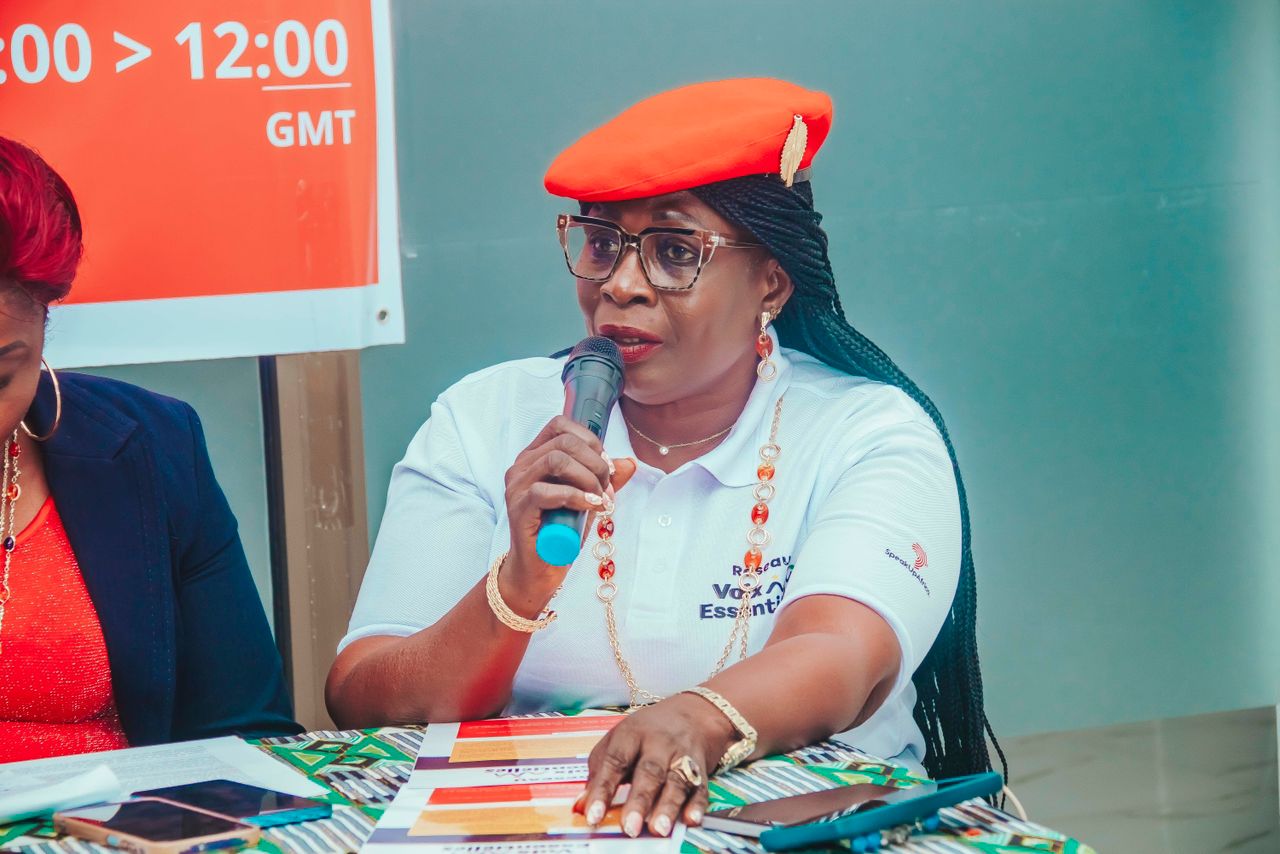
Kouamé Josiane a occupé plusieurs poste de responsabilité dans des organisations communautaires:
Overcome Women (OWEN) est une organisation Non gouvernementale née de la volonté d’apporter une contribution significative dans la lutte contre les violences conjugales et sexuelles perpétrées sur les femmes et les enfants, dans l’éducation à la Santé Sexuelles et Reproductive (SSR) ainsi que dans l’éducation et l’autonomisation de la femme. Initié en 2016 par un […]
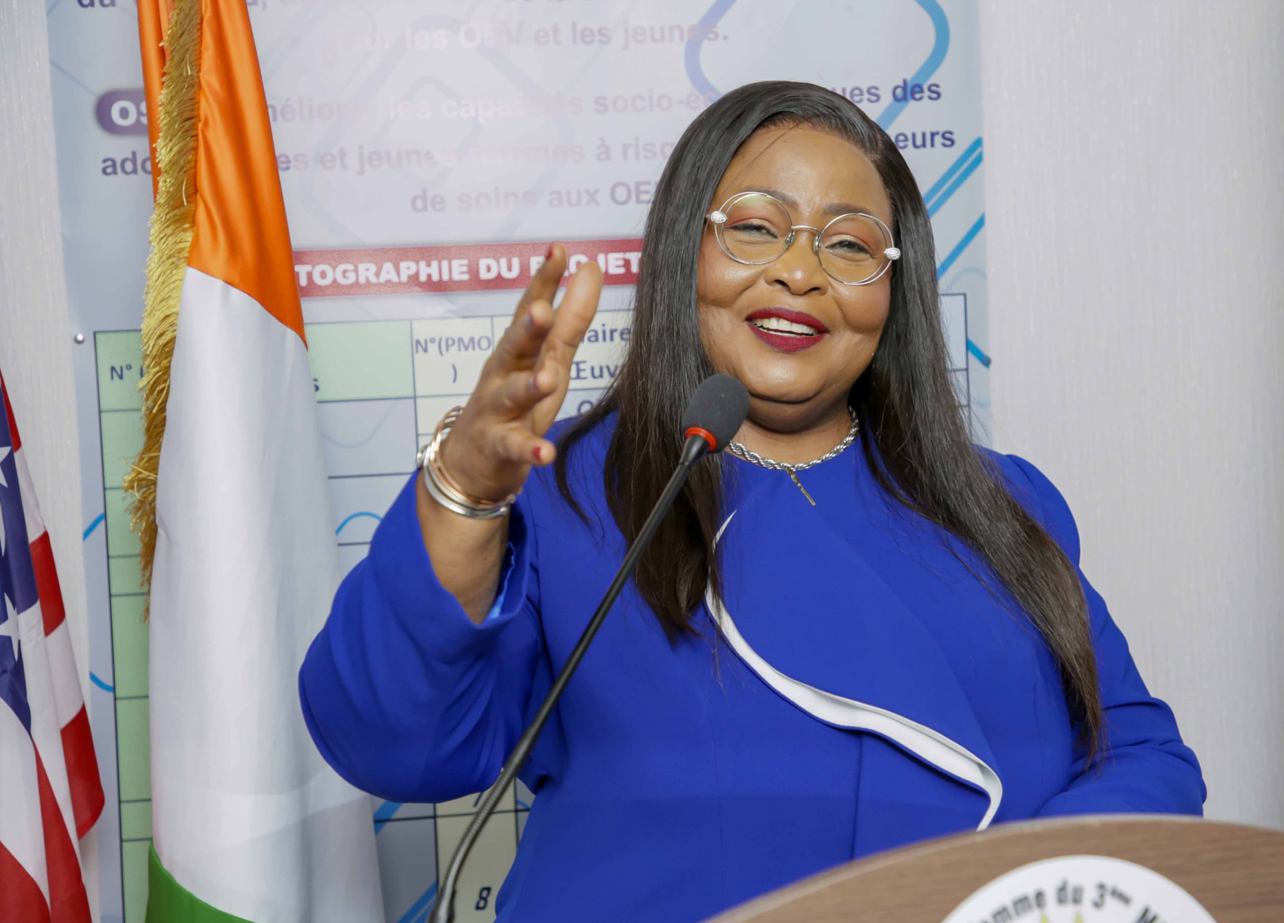
Dr HONORINE VEHI-TOURE est l’actuelle Présidente du Conseil d’Administration de l’ONG GFM3 et membre Fondatrice du Réseau Organisations Féminines de l’Afrique Francophone (ROFAF) basé à Lomé au Togo, elle est Trésorière de la Fondation N’KEMKIA dont le siège est à Rome au VATICAN en ITALIE. Les connaissances reçues de toutes ces institutions internationales et les différentes expériences pratiques vécues sur le terrain, ont fait d’elle une spécialiste dans la lutte contre le VIH/sida et les VBG, notamment celles liées aux fistules obstétricales dont elle est reconnue comme pionnière à l’issue de la phase d’identification des 42 premières porteuses de fistule à l’Ouest de la Côte d’Ivoire dans le cadre du projet financé par l’UNFPA, sur les conseils de MSF-BELGIQUE.
L’ONG GNOUWIETA intervient dans les domaines suivants : les Droits de l’homme l’autonomisation de la femme. la prévention et la lutte contre le VIH/SIDA, la tuberculose, les cancers du col de l’utérus et du sein, le paludisme et autres pandémies récurrentes dans les pays en développement la prise en charge des orphelins et enfants vulnérables les violences basées […]
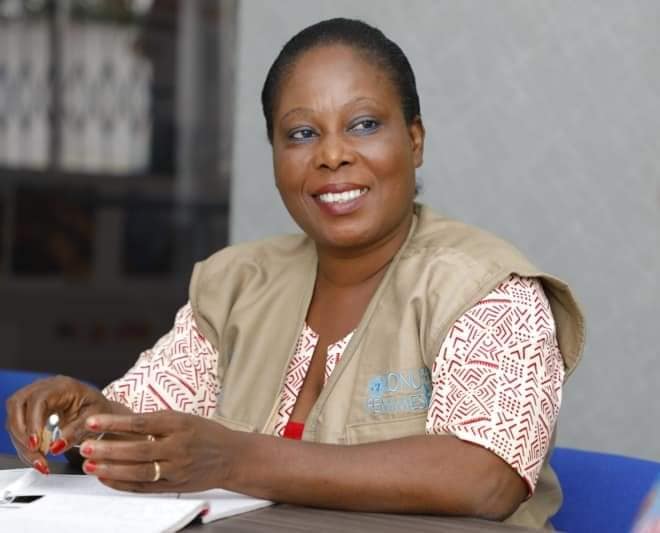
Irad Gbazale est enseignante, communicatrice de formation et ancienne animatrice de radio locale. Elle a fondé et préside l’ONG Femme en action et dirige depuis septembre 2020 le Réseau des médiatrices de paix communautaire de Côte d’Ivoire en tant que Coordinatrice nationale. Ce réseau a été mis en place par ONU Femmes Côte d’Ivoire et le Ministère de la Femme, de la Famille et de l’Enfant. Elle est membre du Comité pour la prise en compte du genre dans le processus électoral (CSGPE-CI) et membre du Réseau Paix et Sécurité des Femmes dans l’Espace CEDEAO (RESFECO-CI), et assure la communication du Groupe des organisations féminines pour l’égalité Homme et Femme (GOFEHF) et du Collectif des Activistes de Côte d’Ivoire (CACI). Témoin de plusieurs discriminations vis-à-vis des filles et des femmes depuis son enfance, elle-même victime de plusieurs types de violences basées sur le genre et ayant des expériences dans les associations et organisations, elle décide de créer l’ONG Tchele Woye afin de contribuer à l’épanouissement des femmes et des filles.
GFM3 est une Organisation non-gouvernementale apolitique et à but non lucratif, créée le 30 Avril 2004. Sa mission est de contribuer à impulser le développement local à travers l’amélioration des conditions de vie des femmes, des jeunes et des enfants en milieu rural et périurbain. Sa vision est de contribuer à l’avènement d’une société juste, […]
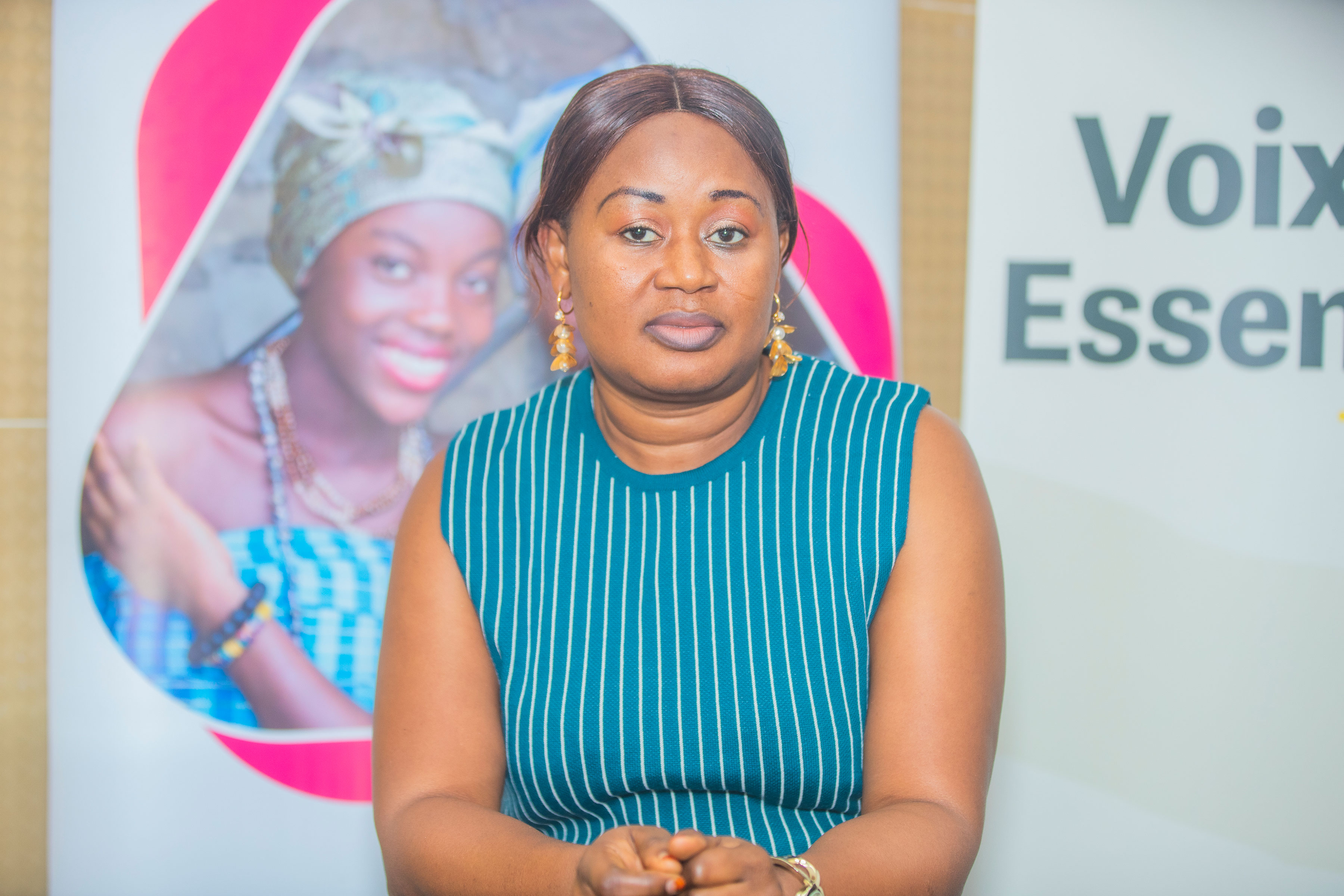
Infirmière de formation, KOUAME Akoua Pélagie a exercé dans des Cliniques privés de la ville d’Abidjan pendant une dizaine d’années.
En 2009, elle s’engage dans la lutte contre le VIH sida en tant que bénévole à l’ONG Espace Confiance. Elle y occupe la fonction de Bio-Technicienne de laboratoire à Bietry. En 2012, elle est recrutée Agent Communautaire dépisteur à l’ONG BLETY où elle initie l’ONG à BLETY du Conseil et dépistage du VIH/sida en stratégie avancée dans la communauté des travailleuses du sexe dans les 10 communes d’Abidjan et chez les autres Populations Vulnérables à L’ONG Arc-en-ciel plus, sur le projet IMPACT de Heartland Alliance International cité entre autres. En 2013, elle est recrutée par Espace Confiance ANYAMA. Elle devient plus tard Conseillère Communautaire / Superviseur sur le projet ROUND 9 du Fonds Mondial dans les régions de l’Agneby Tiassa et de la Mé. La somme de ses expériences l’amène à fonder l’ONG Conscience et Vie (COVIE) le 30 mars 2014 dont elle fut la première Présidente. En 2015 KOUAME Akoua Pélagie est recrutée par les membres du Conseil d’Administration en qualité de Directrice Exécutive pour assurer la gestion quotidienne de l’Association. En tant que Directrice Exécutive de l’ONG COVIE, sa priorité c’est d’être plus proche des populations vulnérables.
Grâce à la mise en train de deux programmes phares : Top-Filles et Agir Femmes, l’Association Femme en Action contribue à la lutte contre les violences faites aux femmes en renforçant leur leadership et leur autonomie tout en mettant en œuvre des actions d’apprentissage et de sensibilisation sur la santé sexuelle et reproductive avec la […]
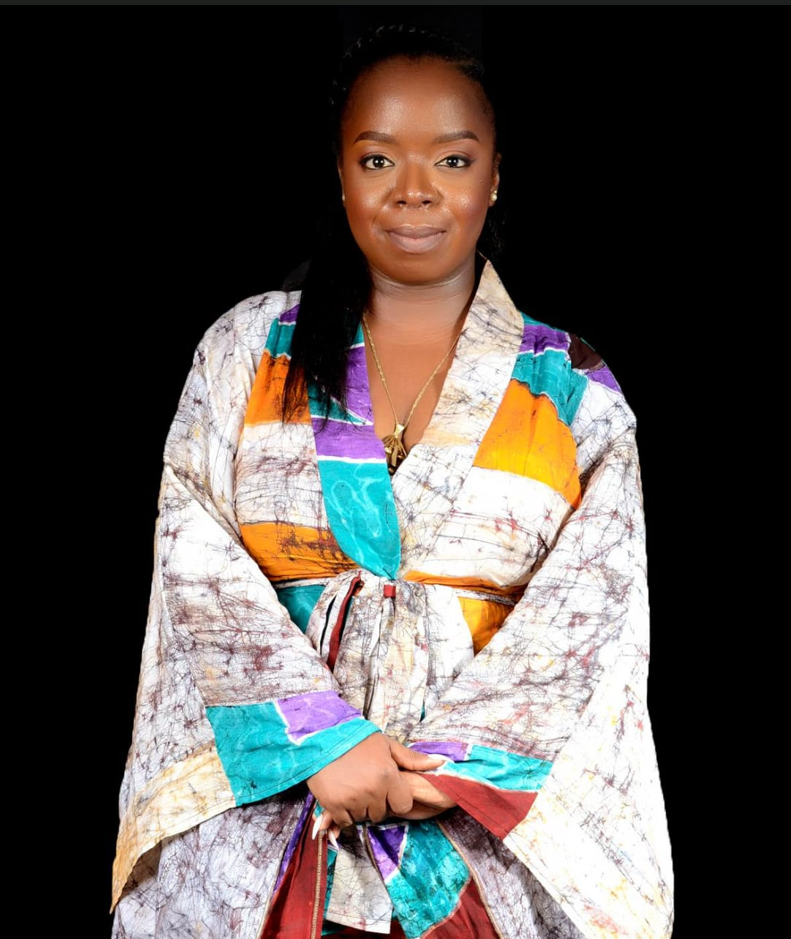
Eva Helena AMEGBOH est une praticienne de l’humanitaire et du développement, spécialisée en violences basées sur le genre (VBG), innovation sociale et engagement des jeunes. Titulaire d’un Master en Leadership & Non-Profit Management, elle cumule plus de 10 ans d’expérience dans les ONG et institutions internationales . Son engagement dans le volontariat international et l’engagement civique lui a permis de renforcer ses compétences en gestion de partenariats, mobilisation de ressources et renforcement des capacités. En tant que Consultante en VBG, elle a accompagné plus de 64 organisations locales et internationales à travers le Collectif des Activistes de Côte d’Ivoire (CACI), qu’elle coordonne.
COVIE (Conscience et Vie) a été créée le 30 mars 2014. Elle a pour but de Contribuer à la Santé et au bien-être des populations vulnérables et a pour vision Un monde où les populations vulnérables, parmi lesquelles les femmes, les jeunes filles jouissent d’un accès équitable et sans discrimination, aux services sociaux de base […]
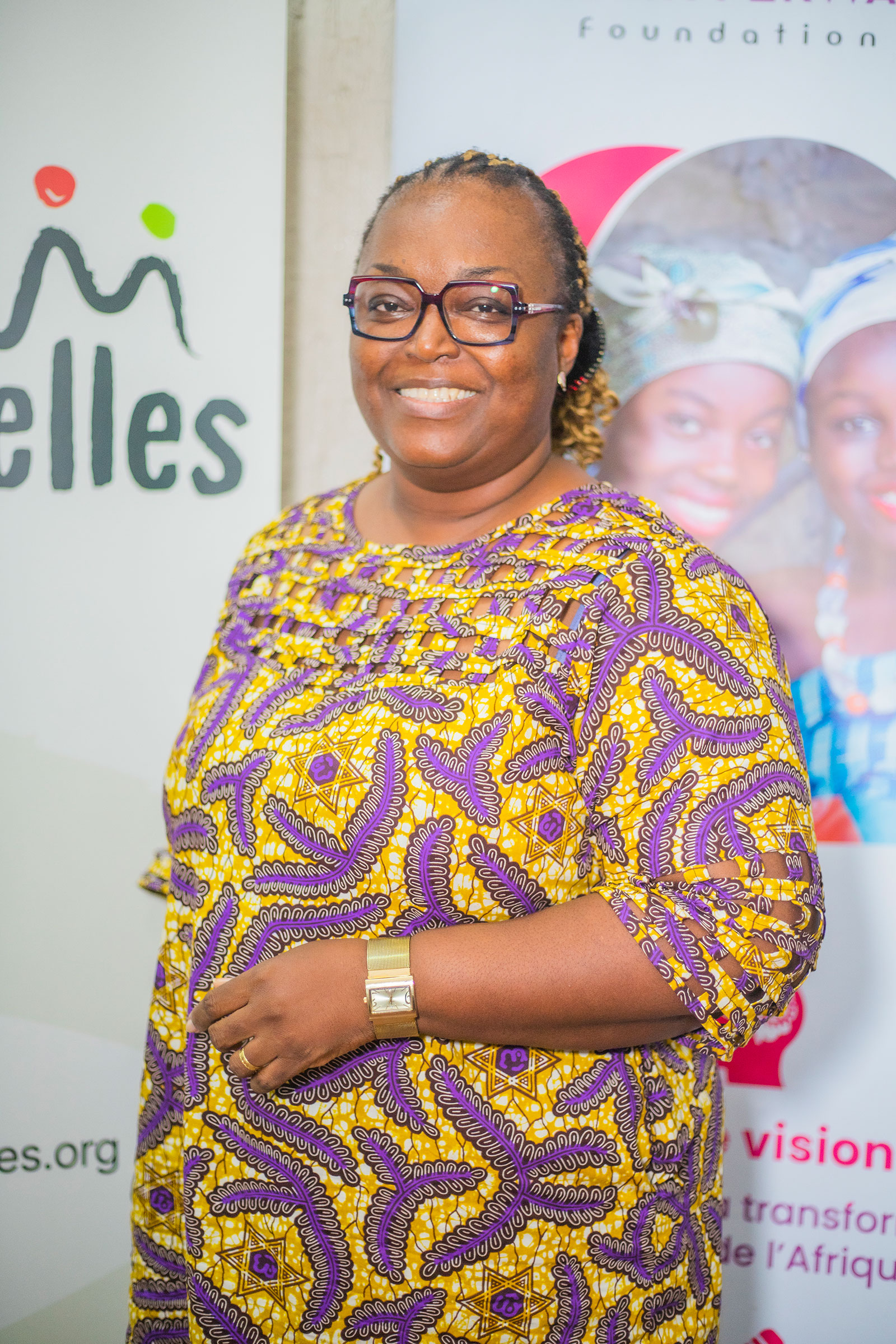
Larissa Mabo est psychologue de formation et titulaire également d’un diplôme supérieur en management des ressources humaines. Elle a une expérience de plus de 19 ans en coordination de projet communautaire du VIH/SIDA financé par les bailleurs tels que PEPFAR, USAID, ONUCI-SIDA. Elle a assuré la gestion du premier centre de conseil dépistage volontaire de Côte d’Ivoire à volet communautaire ayant reçu le prix de meilleure structure communautaire. Elle fait également partie du pool national des formateurs avancés depuis 2005. Enfin, elle est la présidente des ONG C.E.D.V, Milles Espoirs et Anonyme CI.
Créé le 10 décembre 2020, le Collectif des Activistes de Côte d’Ivoire (CACI) est une alliance de plus de 60 organisations féministes et de jeunesse engagées dans la lutte contre les violences basées sur le genre (VBG) et la promotion des droits en santé sexuelle et reproductive (DSSR) en Côte d’Ivoire. Cette initiative est née […]
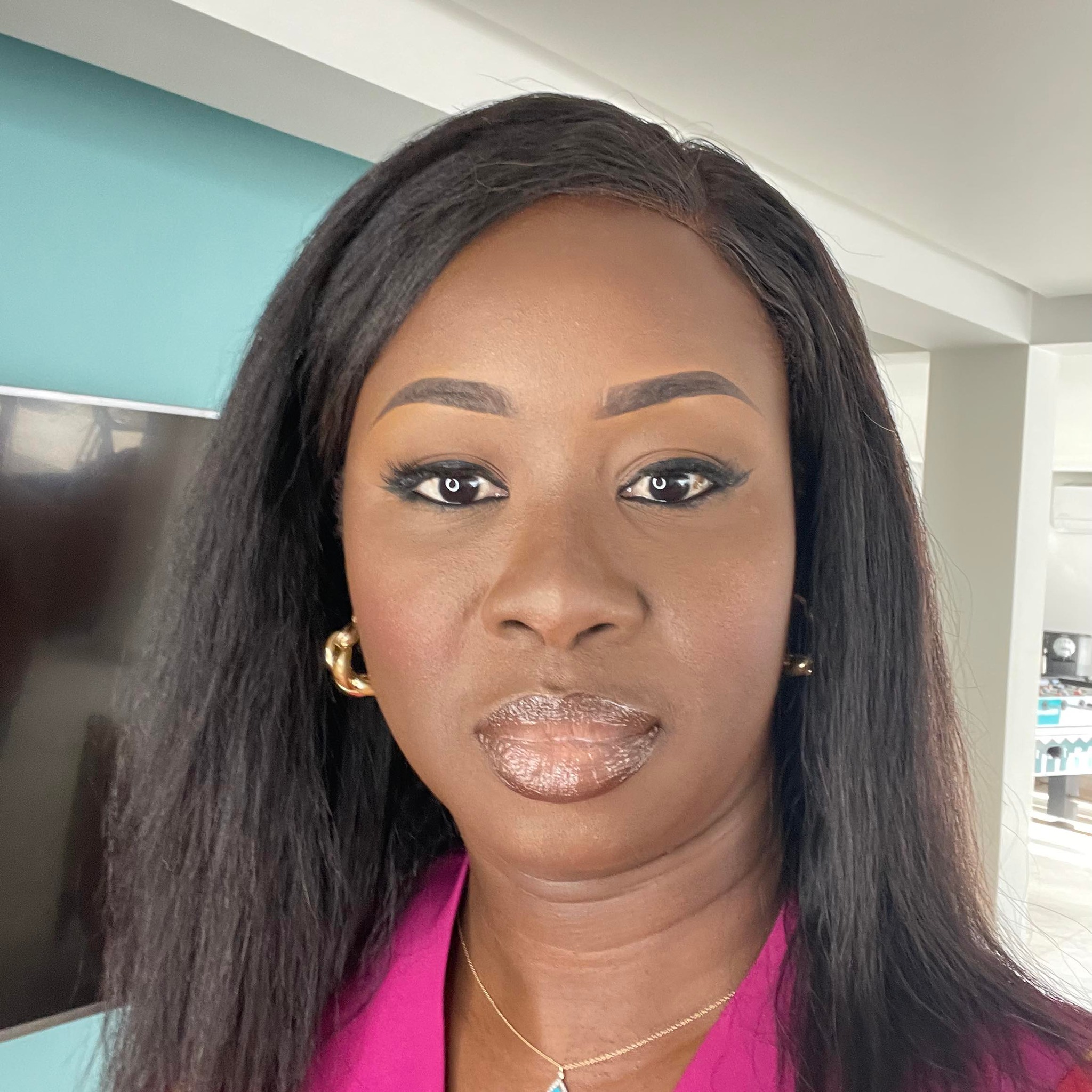
Nènè Fofana, Directrice exécutive de la fondation AFF.
Experte mondiale en santé et développement, est une leader des initiatives ouest-africaines axées sur le genre, la santé et l’impact social. Actuellement Directrice Exécutive d’Africa Forward Advisory et de de la Fondation Africa Forward, Mme Fofana a dirigé les efforts visant à renforcer les systèmes de santé et à faire progresser les droits en matière de santé sexuelle et reproductive à travers l’Afrique. Son travail consiste notamment à établir des partenariats équitables entre les bailleurs, les pays et les organisations de la société civile internationale et nationales. Elle est reconnue comme une conseillère discrète de plusieurs leaders et institutions internationales.
Le Mouvement Cœur Valide Elles, contribue à améliorer le bien-être physique, mental des femmes et filles de la communauté LGBT. Elle organise des écoutes psychologiques, des focus groupe, des réunions à termes et mobilise des fonds pour aider ses membres. Depuis 2023, elle évolue dans la lutte contre la Tuberculose avec les femmes et filles […]
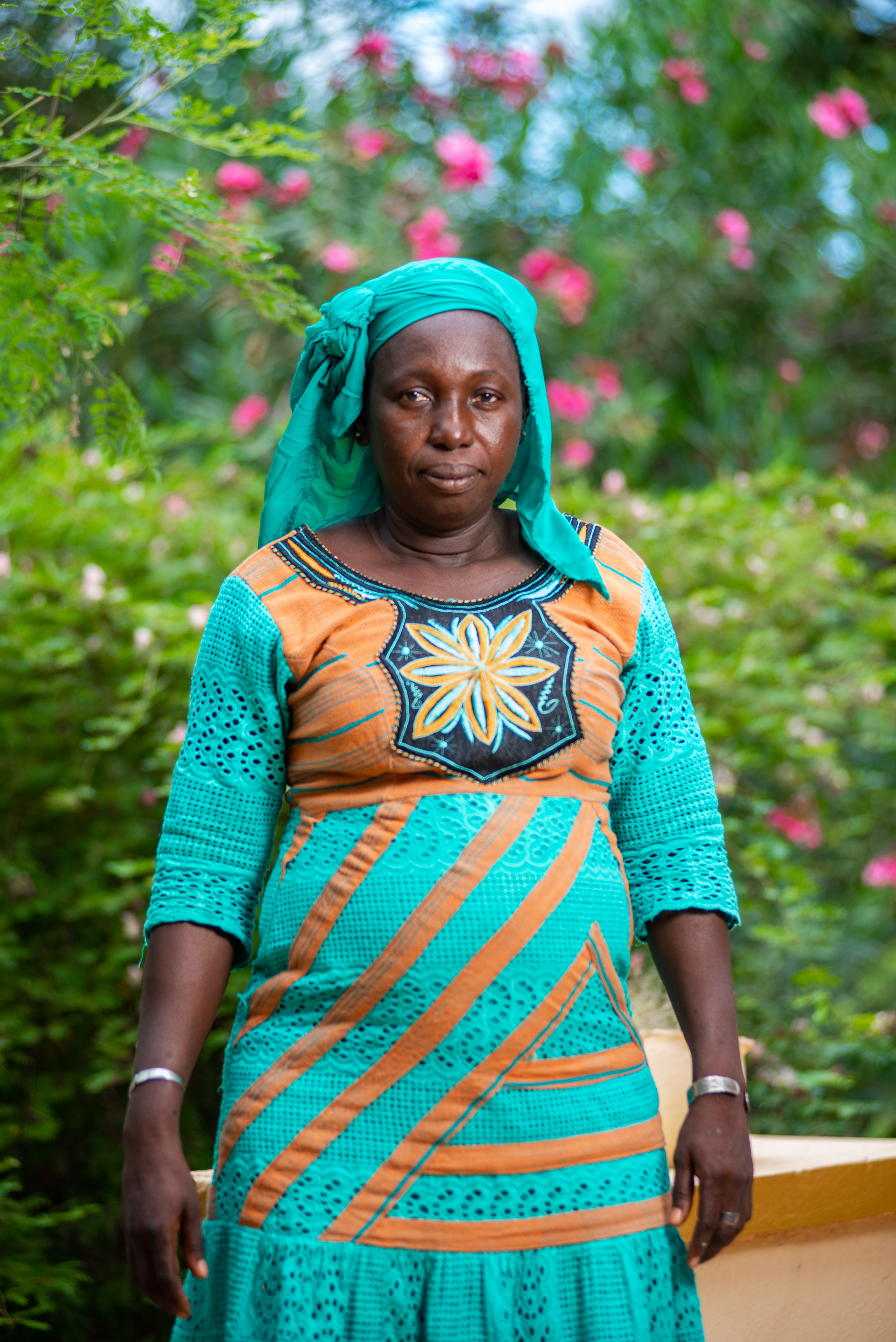
Animatrice Communautaire en santé de la reproduction, vaccination et suivi du calendrier prénatal et postnatal, paludisme, eau hygiène et assainissement Mme SINARE Bibata collabore depuis plus d’une dizaine d’année avec le Centre de Santé et la Promotion Sociale de Ziniaré ainsi que la commune de Ziniaré. Son engagement l’a conduit à créer avec des femmes de la communauté l’association yikrii pour le bien-être et l’épanouissement de la femme. Aujourd’hui en tant que présidente de l’association, elle est responsable de la gestion politique de l’association.
Créée en 2021, la fondation Africa Forward est née d’une dynamique de professionnel.les du monde du développement qui croient que l’on peut agir autrement et ensemble. Elle ambitionne de révéler les efforts de générosité que font les entreprises et philanthropes africain(es) afin de contribuer à la transformation positive de l’Afrique. » A cet effet, à travers […]
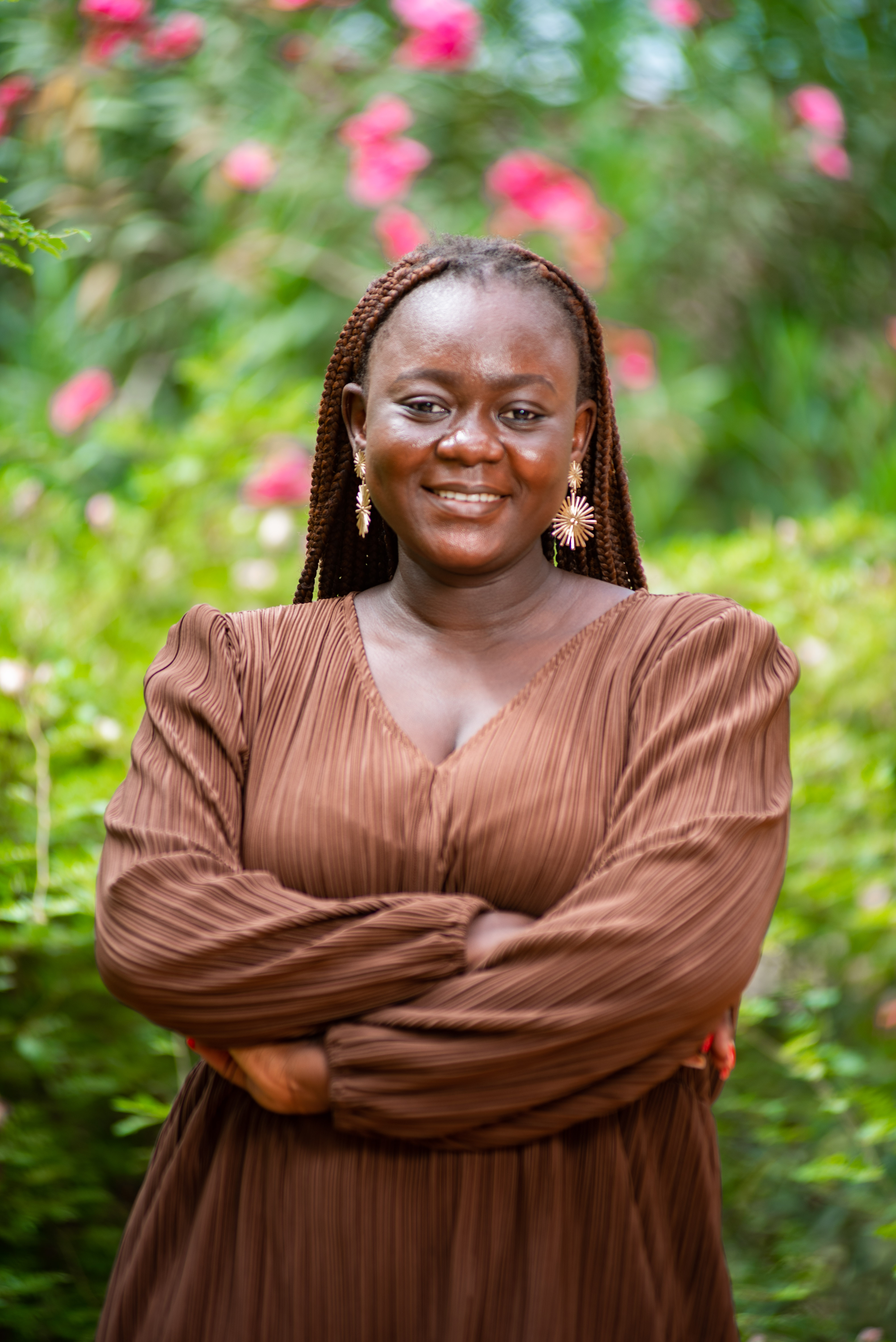
Farida Sonia TIEMTORE est juriste, blogueuse engagée dans la promotion des initiatives féminines, chargée de projet digital et Présidente fondatrice du Réseau des Héroïnes du Faso, une organisation à base communautaire dédiée à la défense des droits des jeunes filles et des femmes. Depuis plus de huit ans, elle milite activement pour l’égalité des genres et l’amélioration de la santé publique en Afrique, en particulier au Burkina Faso.
À travers son blog www.lesheroinesdufaso.com , elle rédige des articles pour informer et sensibiliser sur l’égalité des sexes, la santé, le leadership et la participation citoyenne. Par ailleurs, au sein de son association, elle œuvre pour un monde où chaque jeune fille et chaque femme, sans distinction, peut participer aux processus de prise de décision, s’épanouir pleinement et jouir de ses droits fondamentaux.
Son engagement lui a permis de rejoindre, en 2024, le Conseil des jeunes du Fonds Mondial de lutte contre le paludisme, le VIH et la tuberculose. De plus, elle a eu l’honneur de recevoir en 2023 le Prix du leadership de Speak Up Africa, une distinction qui célèbre les personnes et organisations faisant preuve d’un leadership exemplaire dans le secteur de la santé publique et ayant un impact positif sur le développement durable en Afrique.
Créée en 2008 et reconnue officiellement en 2009 sous la dénomination d’Association Wendyam des filles mères de Ziniaré, l’association a changé de dénomination en 2018 pour devenir l’Association féminine YIIKRI pour l’autonomisation de la femme. L’association mène des actions de sensibilisation sur les violences basées sur le genre, sur la santé sexuelle et reproductive des […]
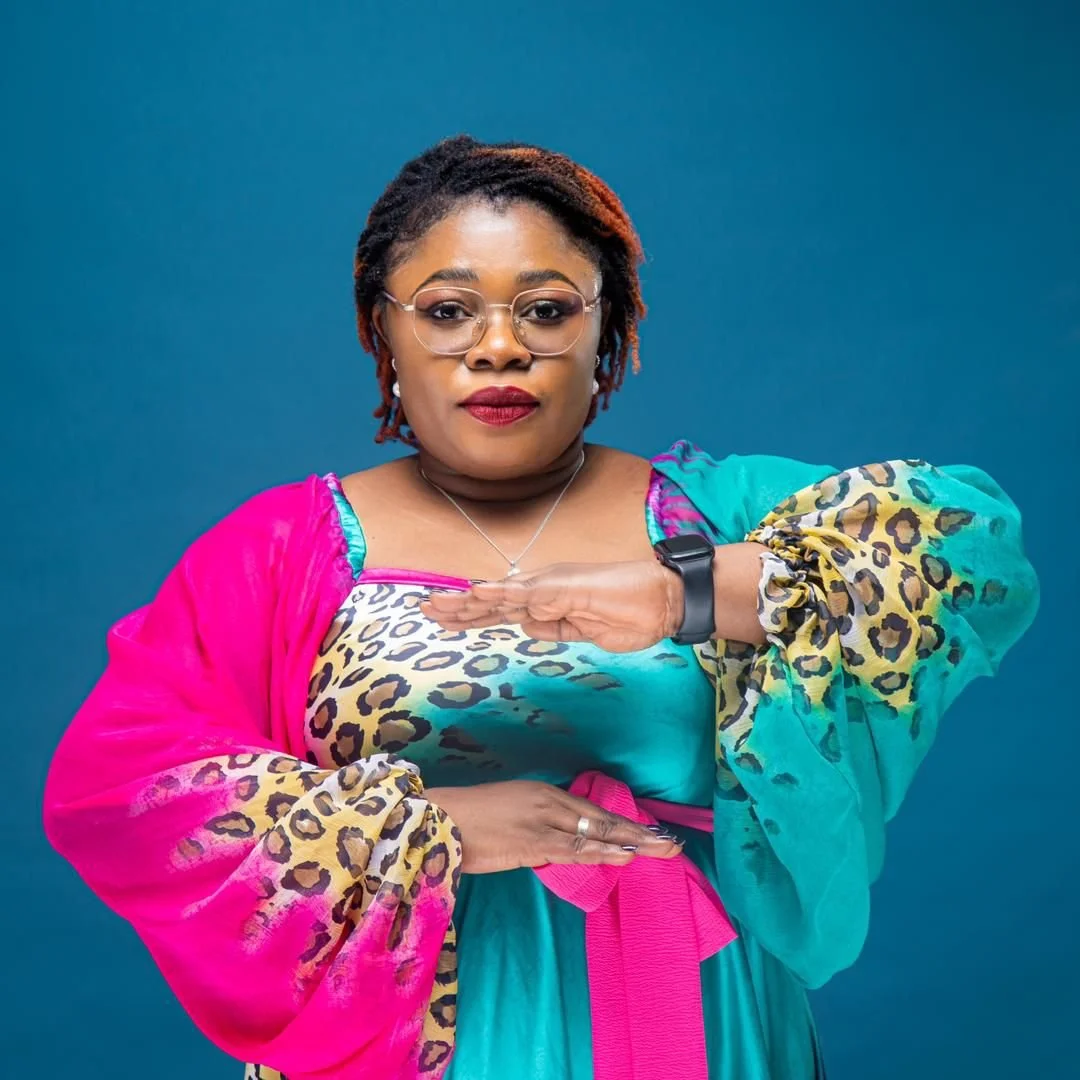
Bénédicte BAILOU est une juriste engagée et militante féministe, fondatrice et Directrice Exécutive du Mouvement Citoyen FEMIN-IN, qui œuvre pour la défense et la promotion des droits des femmes au Burkina Faso. En tant que consultante sur les violences basées sur le genre et les droits sexuels et reproductifs, elle mène des études sur les politiques publiques et accompagne les survivantes de VBG . Désignée députée pour représenter les organisations de la société civile féminines à l’Assemblée Législative de Transition du Burkina, elle est également membre de la Commission du Genre, Action Sociale et Humanitaire, où elle occupe le poste de deuxième secrétaire. Avec une vision axée sur la participation citoyenne, l’éducation et la santé, Bénédicte BAILOU est une fervente défenseure de la transparence et de la participation des femmes dans les processus décisionnels, contribuant ainsi à l’avancement des droits des femmes dans son pays.
Le Réseau des Héroïnes du Faso (RHF) est une organisation à base communautaire composée de jeunes filles dynamiques, dédiée à la défense des droits des jeunes filles et des femmes au Burkina Faso. Créé en 2019 avec un blog et officiellement reconnu en 2021 comme une association de droit burkinabè, nous œuvrons pour un monde […]
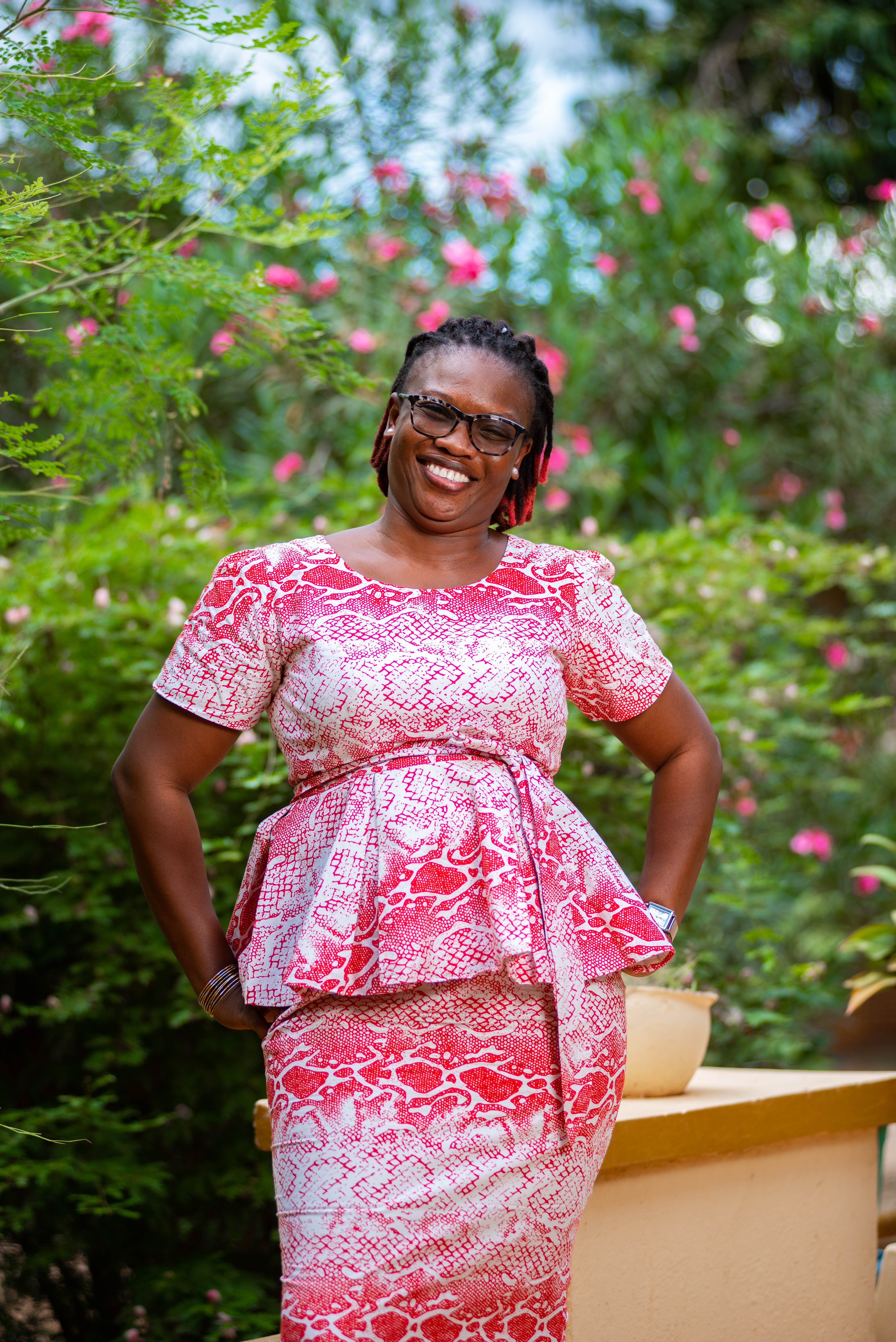
TIENDREBEOGO /OUEDRAOGO Aïcha est une militante passionnée, née le 20 juillet 1985 à Ouagadougou, au Burkina Faso. Elle a consacré sa vie professionnelle à la lutte contre les Vviolences Basées sur le Genre (VBG), les 3 pathologies (TB/VIH) et le Paludisme dans sa communauté et a acquis une renommée pour son engagement inébranlable en faveur de l’égalité des sexes et des droits des femmes.
Depuis 2024, à travers son engagement elle a pu intégrer la Coalition Nationale de lutte contre le Mariage d’enfant au Burkina Faso (CONAMEB). Dans cette coalition, elle assure le poste de chargée communication et plaidoyer dans le bureau de la coordination. Ses projets ont également porté sur la promotion de l’autonomisation économique des femmes et l’accès aux services de santé sexuelle et reproductive. Son travail a permis d’améliorer la vie de nombreuses femmes vulnérables au Burkina Faso. En raison de son engagement et de son dévouement constants, Mme TIENDREBEOGO /OUEDRAOGO Aïcha est devenue une source d’inspiration pour de nombreuses personnes au Burkina Faso. Elle a été récompensée en novembre 2022 par les hautes autorités de son pays, faisant d’elle désormais chevalier de l’ordre de mérite.
Aujourd’hui, Mme TIENDREBEOGO /OUEDRAOGO Aïcha continue son combat avec détermination, en cherchant constamment de nouvelles stratégies pour éradiquer les violences basées sur le genre au Burkina Faso et la lutte contre les 3 pathologies. Elle reste un exemple vivant de ce que la persévérance et la passion peuvent accomplir dans la lutte pour l’égalité des sexes et les droits des femmes.
FEMIN-IN est une association féministe burkinabé, créée en 2019 et reconnue légalement en 2021 , qui œuvre pour la défense et la promotion des droits civils, politiques et sexuels des filles et des femmes. À travers des activités de sensibilisation, de plaidoyer et de formation, elle vise à éduquer la population sur les droits des […]
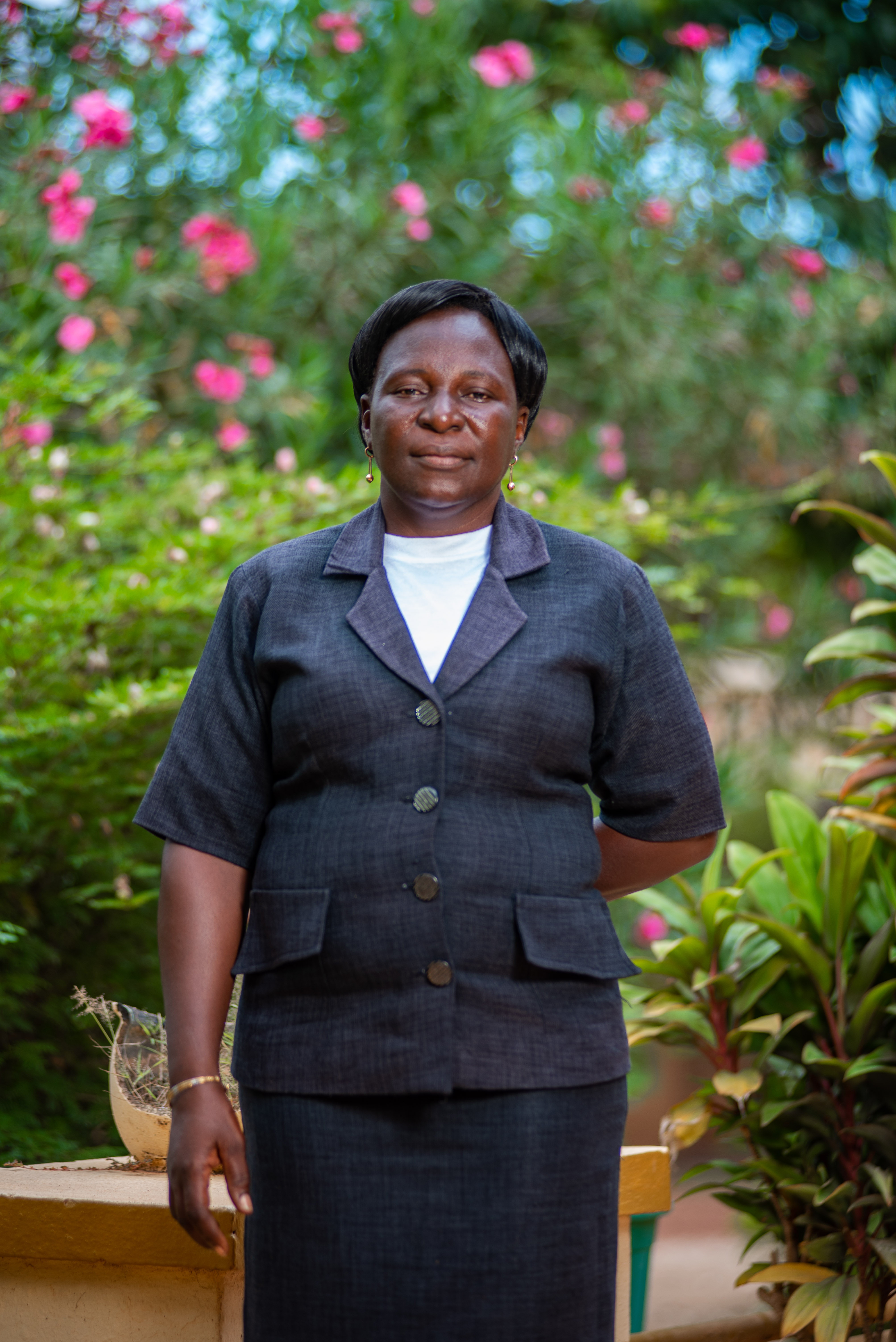
Mme NANA Pauline accoucheuse auxiliaire de base va se sentir interpellée par la souffrance des femmes lors des accouchements. A côté de cela, le phénomène d’enfants abandonnés, d’orphelins auxquelles elle a assisté à plusieurs reprise va faire naitre en elle un besoin d’apporter sa contribution pour la protection et le bien-être des enfants au Burkina Faso.
Elle va ainsi s’engager auprès du Centre d’accueil des enfants en détresse de « la cité des enfants de Boulsa en tant que directrice nommée par l’ONG AMI afin de pouvoir exercer pleinement sa vocation d’aide et d’encadrement de la petite enfance. Mme NANA se verra attribuer le statut de Femme Leader par ses responsables au regard de ses résultats. Elle Décidera en 2013 de créer une association dans la commune de Saaba qui l’a vue naître. Il s’agit de l’Association Soutien aux Enfants et Femmes Vulnérables (ASEFV) dont elle est la présidente. Son objectif sera d’apporter sa touche dans la prise en charge des enfant vulnérables et la promotion des droits des femmes et leur autonomisation.
Elle aura ensuite l’idée d’y associer un centre d’accueil pour enfants en détresse afin de maximiser l’impact en faveur des enfants en dangers et aussi dans un soucis de s’occuper d’eux convenablement. L’association Soutien aux enfants et femmes vulnérable recevra des mains de la présidente, une décoration par la suite en 2017 en tant que chevalier de l’ordre de mérite burkinabè. Mme NANA Pauline est une femme très engagée et au service de la communauté. Elle va être élue en 2018 comme Coordonnatrice des organisations féminines de la commune de Saaba, Présidente de la Commission électorale communale de Saaba (CECI) en 2020 et également membre de la délégation spéciale de Saaba en 2022. Des postes stratégiques ou elle entend accentuer ses actions pour la protection, la promotion et l’autonomisation des femmes et des personnes vulnérables.
L’ATM est une association à but non lucratif créée en juillet 2020 et reconnue en Décembre 2021 sous le récépissé N° N000001301501 par le MATDS. Son siège est à Ouagadougou au quartier Bonheur Ville. Ses domaines d’interventions :
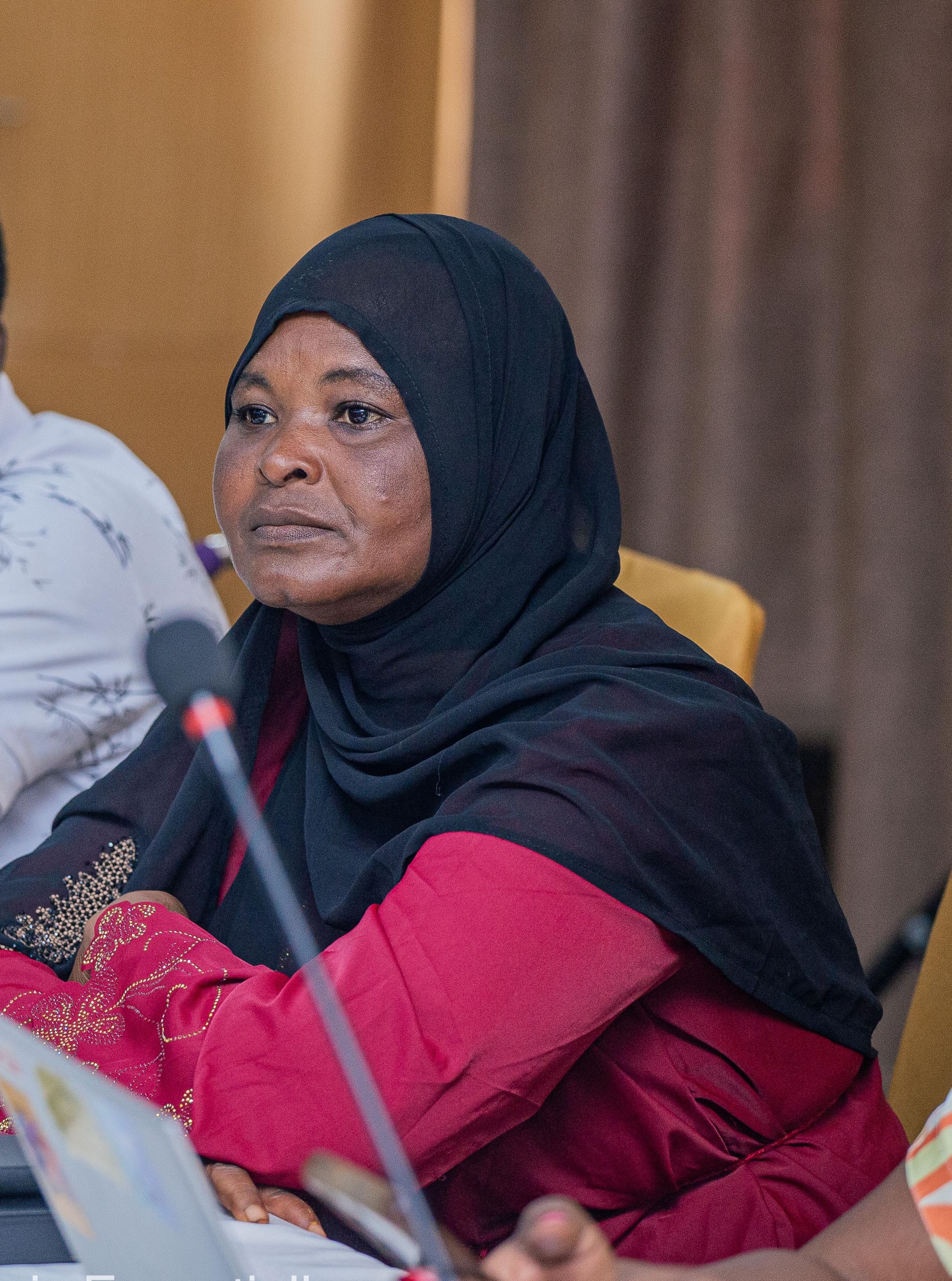
Madame ZAMPALIGRE Fatimata est née à LEDA, dans la province du Boulgou, dans la région du Centre Est. Elle a fait une partie de son enfance au Burkina et n’a pas eu la chance de continuer ses études car ayant quitté les bancs en classe de CM1. C’est alors qu’elle sera amenée en côte d’Ivoire par son père avant de revenir au Burkina chez son oncle et par la même occasion de se marier. Aujourd’hui elle est mère de quatre enfants et se bat pour que tous ceux qui n’ont pas eu la chance comme elle d’aller loin à l’école sache lire et écrire en langue locale car pour elle l’alphabétisation est la clé pour permettre à chaque individu d’évoluer. Elle est devenue présidente de l’APFG en 2020 après quelques années passées au sein de l’association, comme animatrice en alphabétisation en langue Bissa. Elle intégrera en tant que membre la coordination des associations des femmes de Garango grâce aux activités de Voix Essentielle. Avec ses seize (16) ans d’expérience en alphabétisation elle conduit le partenariat avec le FONAENF et agit sur le projet voix essentielles sur lequel elle coordonne toutes les activités terrains.
L’Association de Soutien aux Enfants et Femmes Vulnérables (ASEFV) incarne une force motrice dans la transformation sociale au Burkina Faso depuis sa création en novembre 2013. Désignée comme organisation chevalier du mérite depuis 2017, l’ASEFV s’engage à travers une gamme d’interventions stratégiques :– La lutte intransigeante contre toutes les formes de violences à l’égard des […]
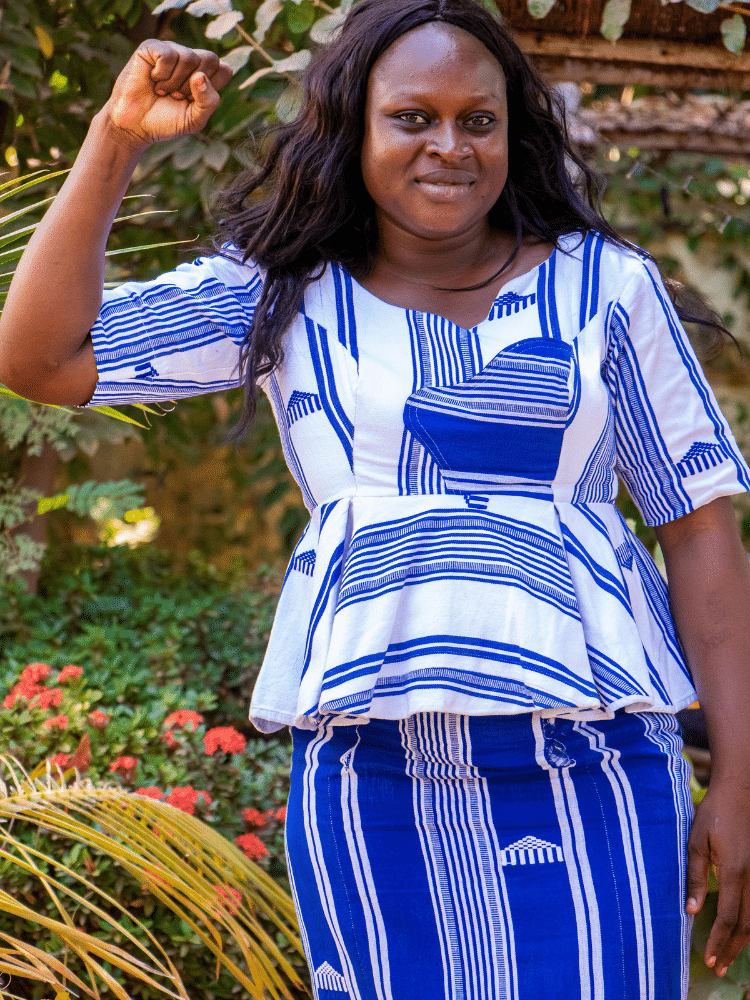
OUEDRAOGO Sakinatou, présidente de l’Association pour la défense des droits des aides ménagères et domestiques (ADDAD Burkina), est née le 29 mai 1995 à Ouagadougou. Elle a eu un parcours scolaire très difficile fautes de moyens financiers. A l’âge de 09 ans elle décide de travailler en tant que domestique dans des conditions très précaires, ce qui engendre un parcours très douloureux. De l’envie de pouvoir partager son vécu avec les autres travailleuses domestiques est née la création d’une tontine.
Suite à cette réunion à travers la tontine, le désir de faire entendre leur voix et revendiquer leur droit qui ont toujours été bafoués a conduit à la création de l’association des droits des aides ménagères et domestiques en 2012 dont elle est la présidente depuis 2018. Actuellement, mariée et mère de deux enfants, cela ne l’empêche pas de continuer à toujours défendre et à plaider pour un statut spécifique pour les aides ménagères travailleuses domestiques.
L’APF GNINTAWOMA est une association burkinabè sans but lucratif, apolitique, non confessionnelle et non ethnique qui intervient dans la région du centre Est depuis 2005. Elle a son siège à Garango, au quartier bougoula plus précisément au secteur 6. L’APFG entend être une valeur sûre dans la promotion, l’autonomisation et le leadership de la femme. […]
Militante engagée dans la lutte contre le VIH/Sidaet les Violences Basées sur le Genre (VBG) au Burkina Faso. Mon parcours dans le domaine de la santé et des droits des femmes est remarquable et illustre mon dévouement envers la communauté.
Mon engagement va au-delà de la lutte contre le VIH/Sida, j’apporte une assistance technique à plusieurs organisations intervenant dans la processus du Fonds Mondial au Burkina Faso. J’ai contribué également à des actions de lutte contre les VBG, notamment la formation des leaders d’opinion, la formation des femmes en entrepreneuriat féminin, la sensibilisation sur la prévention des VBG, le soutien à l’autonomisation des femmes et des filles, et la veille communautaire.
Je continue de travailler activement pour améliorer la santé et les droits des femmes et des filles au Burkina Faso. J’ai acquis des compétences essentielles grâce à mes certifications en aptitude pédagogique, prise en charge et prévention des VBG, suivi-évaluation, gestion de projets et en nutrition humaine et diététique.
L’association de défense des droits des aides ménagères et travailleuses domestiques (ADDAD) BURKINA est une organisation à but non lucratif et apolitique créée en 2012 par les jeunes filles aides ménagères et travailleuses domestiques elles même au BURKINA FASO, reconnue en 2015 par l’État Burkinabè. À sa création elle comptait cinq (5) membres ; Aujourd’hui […]
Sawadogo Saïbata est professeur d’anglais de profession de formation et actrice communautaire par passion. Je suis titulaire d’un Bac +5. Engager dans le domaine communautaire depuis le lycée en 2000 où elle a été élue fille leader du club anti SIDA du RAJS/ Sanmatenga. Ce engagement a continué a l’université de Ouagadougou et en 2011 j’ai participé aux programmes YALI ( Young African leaders ‘ Initiative) un programme de leadership de l’ex président des États-Unis, Barack Obama. Devenue professeure d’anglais, en collaboration avec un groupe de femmes engagées de différentes couches Socio- professionnelles, elle a créé l’AFESS qui en 2021 est devenue L’AFESSD_BF. Avant d’être présidente en 2021 elle était chargée de formation des femmes/ filles et des jeunes en développement personnel, leadership féminin et entrepreneuriat. En plus de AFESSD, elle a été Secrétaire général du RAJS Sanmatenga, coordonnatrice générale DIAFASUD, chargée de formation du RAD/ CN /( Réseau des associations de Développement), point focal ABURWA etc….. Depuis 2017, vu la souffrance des femmes/ filles et enfants dû à la situation sécuritaire, elle s’est engagée plus pour promouvoir et protéger les droits de ces groupes vulnérables.
(bénéficiaire principal) IES – Femmes (association pour l’Intégration Economique et Sociale des Femmes dans le développement) est une organisation à base communautaire (OBC) burkinabè fondée par des femmes engagées dans la lutte contre les violations des droits des femmes dans le contexte africain. Mobilisées pour l’empowerment des femmes et leur développement économique et social au […]
Mme SAVADOGO était d’abord encadreur des organisations paysannes dans le projet agro- écologie du yatenga (PAE) pendant 13 ans, avant la création de l’association. Au moment de la création de l’association elle était responsable de l’organisation des groupements d’éleveurs et agriculteurs au compte du projet de mise en valeur de la vallée de Nouhao et y a travaillé pendant sept (7) ans. Elle a toujours aimé travailler pour la communauté avec la communauté, d’où la création de l’AVORB. L’accompagnement de Voix EssentiELLES relativement au leadership féminin et à l’implication des femmes et filles dans les instances de prise de décision, lui ont permis d’intégrer la délégation spéciale de la commune de Bittou comme membre en 2022. Actuellement elle est la présidente de la commission aux affaires générales.
Sociable et passionnée par le domaine de la culture, elle rejoint également le bureau provincial des OSC de la province du Boulgou, où elle est responsable des femmes dans le comité de veille citoyenne du secteur numéro 2 de la commune de Bittou. Elle est à ce jour la première commissaire au compte du réseau Voix Essentielle du Burkina Faso.
AFESSD est une organisation qui spécialisée dans les domaines :
Mme WETTA née ABEM KADOUA est la coordonnatrice de l’association des jeunes femmes du Nahouri (AJFN). Elle a quarante-trois (43 ans) mariée et mère de deux (2) enfants.Avec plusieurs formations à son actif depuis 2003 dans le domaine associatif, elle glane les attestations et les certificats en gestion d’entreprise, en cohésion sociale ; en droits humains ; en renforcement de capacités. Outillé de ces compétences , elle réussit à mener à bien son combat sur le terrain.
Elle est également animatrice à la radio goulou de po où elle anime des émissions interactives et tables rondes pour le bien-être de la femme et de son enfant Elle a participé à Africa mousso en 2023 des femmes battantes du Burkina et a occupée la 3ème place sur 500 inscrites Elle a l’honneur d’être médaillée des collectivités territoriales depuis 2021
L’Association des veuves et orphelins résidents à Bittou intervient dans la santé, l’éducation et les activités génératrices de revenus. L’Association, qui compte 124 membres adhérents et 600 orphelins et enfants vulnérables, a pour objectif de veiller à l’épanouissement des veuves et des orphelins. Plus spécifiquement, elle vise à : Promouvoir les activités génératrices de revenus […]
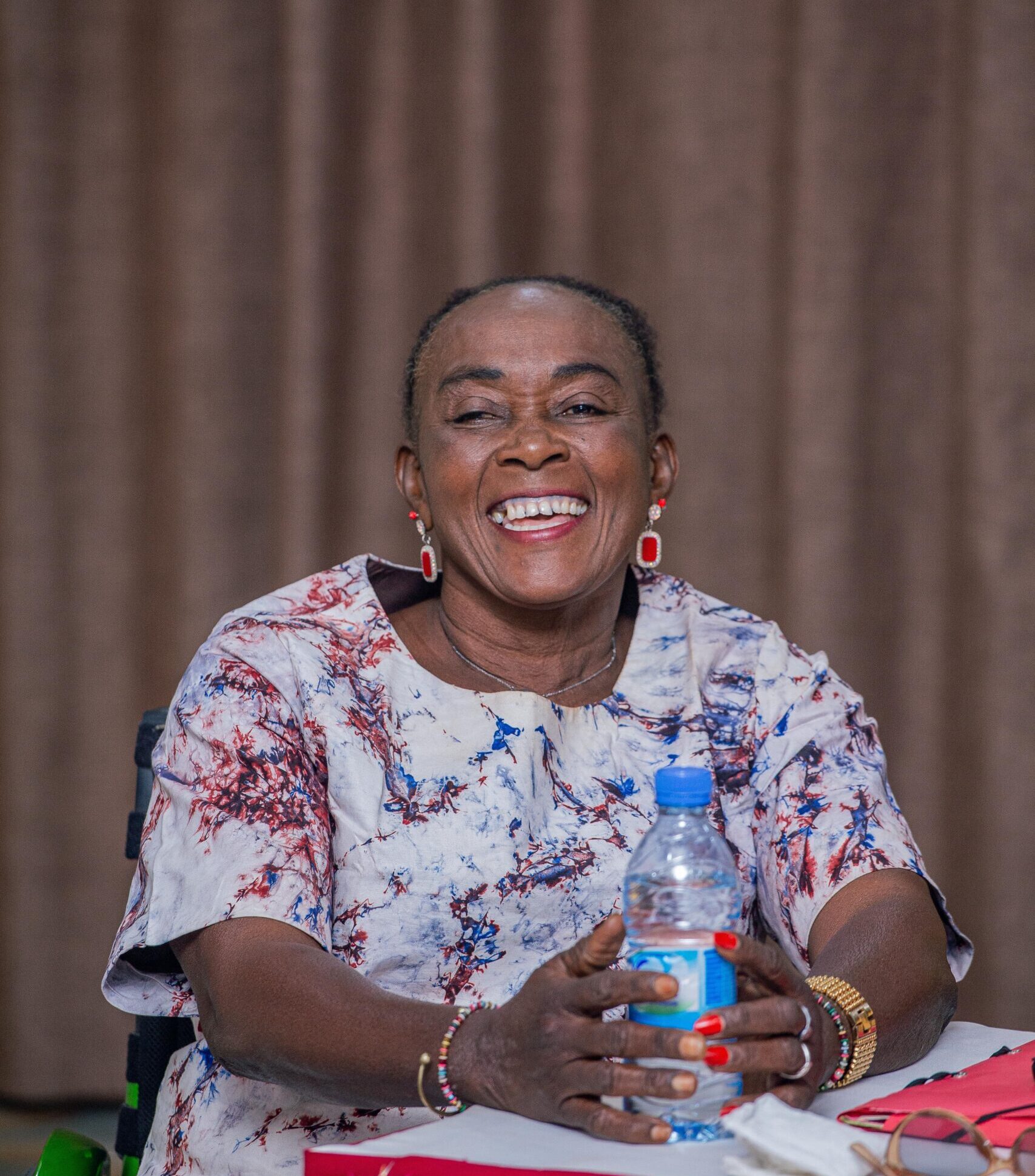
Mme NACRO est une femme en situation de handicap qui, pour son épanouissement et celui de sa famille, a décidé de mener des activités génératrices de revenus dont l’artisannat et la restauration. Celui a été marquée par plusieurs défis dont la stigmatisation. Constatant que ce phénomène touche beaucoup de femmes dans la mème situation qu’elle, elle s’est engagée a soutenir et à accompagner ces soeurs et filles handicapées comme elle à se faire valoriser. Présidente de l’AFHBB, elle est représente la structure devant tous les partenaires, participe aux rencontres et lutte pour l’intégration du genre dans toute les actions gouvernementales.
L’Association des Jeunes Femmes du Nahouri (AJFN), a été créé en 2004 à Pô dans la province du Nahouri. Avec 20 femmes comme membres, AJFN a pour but de défendre les droits de la santé de la mère et son enfant dans la province du Nahouri. En effet, l’Association des Jeunes Femmes du Nahouri est […]
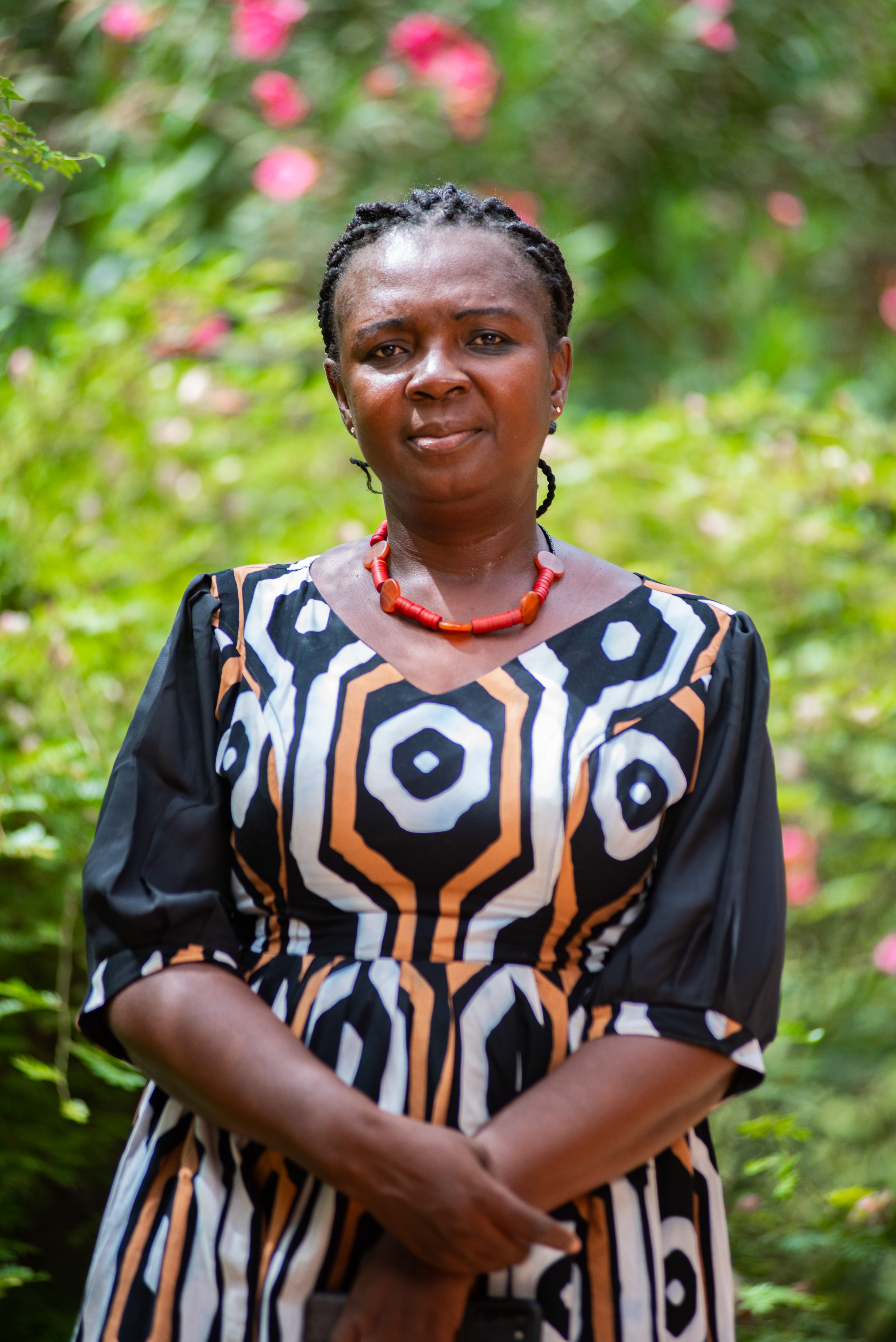
SOME Ber Kouo Clarisse est une militante engagée pour la Promotion des Droits des femmes et l’égalité des genres. Depuis 7ans elle œuvre pour dans le milieu associatif pour promouvoir l’émancipation des femmes et leur accès à la terre. Cette association renforce les compétences de ses membres et d’autres structures féminines sur certaines thématiques, organise des actions de plaidoyers, d’alphabétisation et sensibilise la population. Toujours déterminée à faire avancer la cause des femmes, elle continue le recrutement des jeunes filles et organisent des cadres d’échanges et de partage d’expériences avec d’autres structures de la localité .
L’Association des Femmes Handicapées Battantes du Burkina (AFHBB) est une association apolitique qui a été créée en vue de mettre en place un cadre de concertation et d’échanges entre femmes handicapées « moteurs » du Burkina. Son siège est à Ouagadougou, province du Kadiogo. L’Association des Femmes Handicapées Battantes du Burkina (AFHBB) est née suite […]
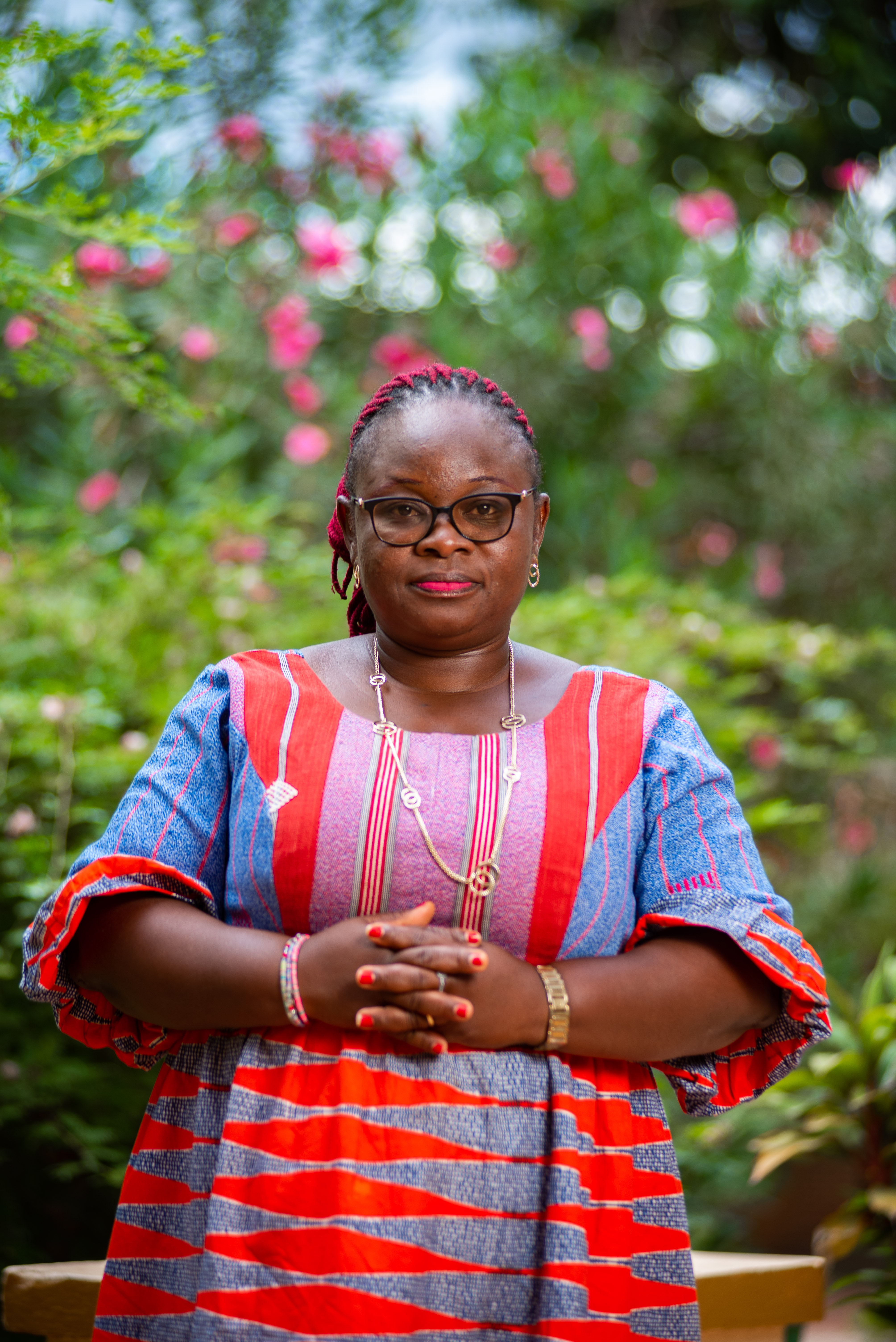
Madame Nadine NIKIEMA, née le 5 février 1981 à Ouagadougou, est une leader engagée dans l’éducation et l’autonomisation des femmes au Burkina Faso. Professeure certifiée des lycées et collèges, elle est titulaire d’un baccalauréat A4 et d’une maîtrise en Lettres Modernes. Directrice de collège d’enseignement post-primaire et secondaire de 2017 à 2024, elle a initié des actions majeures pour la réussite scolaire des filles et la prévention des grossesses précoces et non désirées. Présidente de l’Association Aucune Grossesse en Milieu Scolaire (AGMS) depuis 2016, elle mène des projets d’impact en faveur des droits des filles et des femmes, de la santé sexuelle et reproductive des jeunes et adolescents et de la lutte contre les violences basées sur le genre.
Entrepreneure engagée, elle est fondatrice de trois sociétés coopératives simplifiées spécialisées dans la production et la transformation des produits forestiers non ligneux (PFNL), contribuant ainsi à l’autonomisation des femmes et au développement économique du Centre-Sud du Burkina Faso. Son leadership et son engagement font d’elle une figure incontournable dans la promotion de l’éducation et du bien-être des femmes.
BETOURE signifie en langue dagara « Sans discrimination ». L’association BETOURE des femmes est en conformité avec cette loi. Elle a été reconnue le 17 juin 2020 et porte le N° d’identification N000008521 et a été enregistrée au Journal Officiel (JO) du Burkina Faso. L’objectif général de l’association est de contribuer au développement socioéconomique des […]
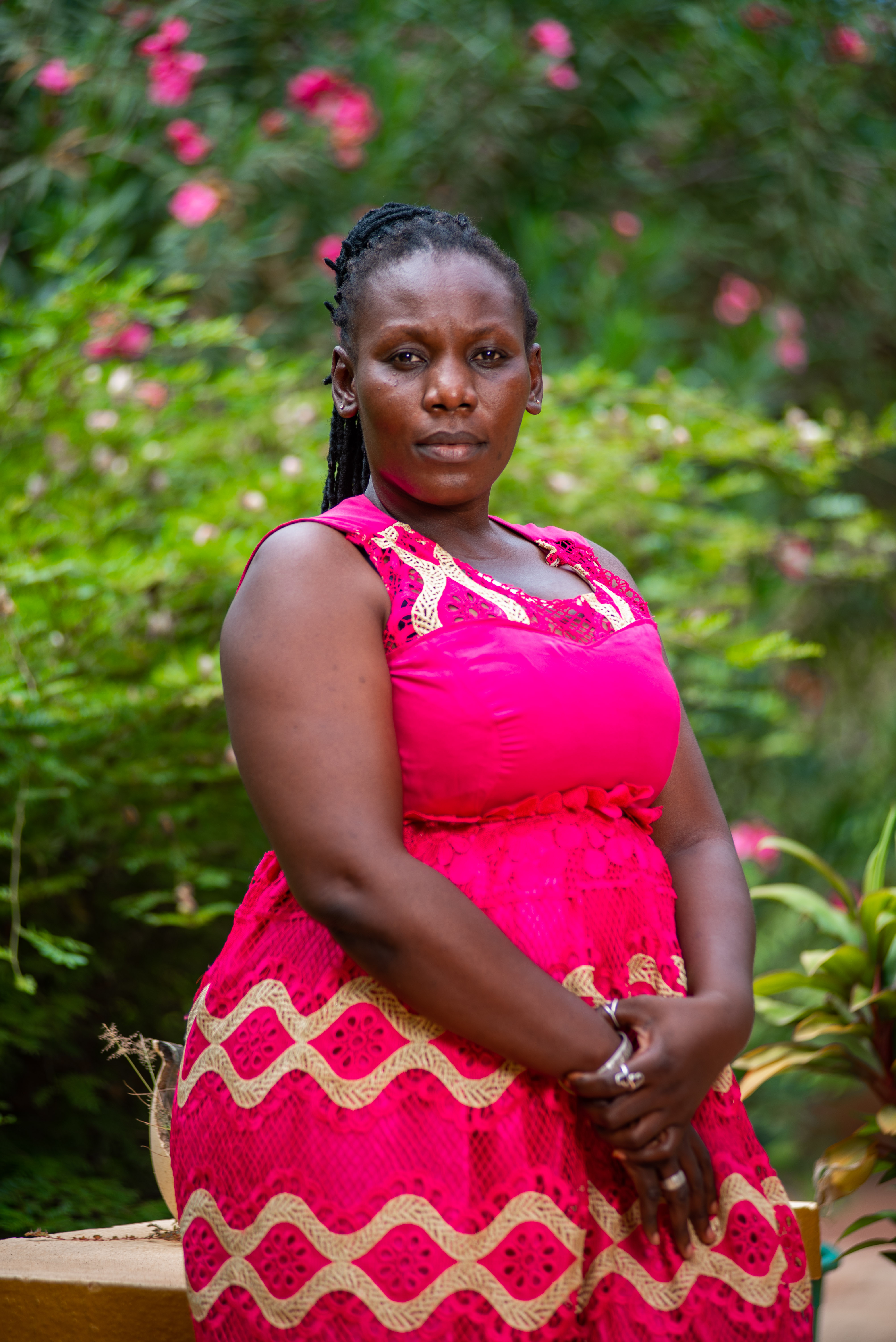
Gloria Nadine KAMBOU est une professionnelle engagée dans la médiation, l’amélioration des soins et la dispensation communautaire auprès des personnes vivant avec le VIH (PV-VIH) et les professionnelles de sexe au Burkina Faso.
Née le 14 Janvier 1987 à Kaya KAMBOU GLORIA NADINE a fait son enfance à Bobo Dioulasso et par la suite s’est installée à Ouagadougou ou elle a passé le reste de son adolescence. Mère de 2 enfants elle avec une licence en GESTION DE PROJET.
Elle commence son parcours associatif en 2015 dans l’association YERELON PLUS comme pair éducatrice, en 2020 comme médiatrice conseillère jusqu’en 2022. Cette année parque le lancement de son association dénommée « Association pour la Protection de l’Enfance en Difficulté (APED) » qui est en cours de changement de dénomination et est maintenant « SIGNONTARB » crée depuis 2016 et reconnue officiellement en 2017. Activiste depuis 2016 pour la cause des femmes, des jeunes filles sans oublier des enfants et des professionnelles du sexe .
L’Association Aucune Grossesse en Milieu Scolaire (AGMS), créée en 2016 et basée dans la région du Centre-Sud du Burkina Faso, est une organisation engagée dans la promotion et la protection des droits des filles et des femmes. Sous le leadership de Madame NIKIEMA Nadine, présidente fondatrice et fervente défenseure des droits des filles et des […]
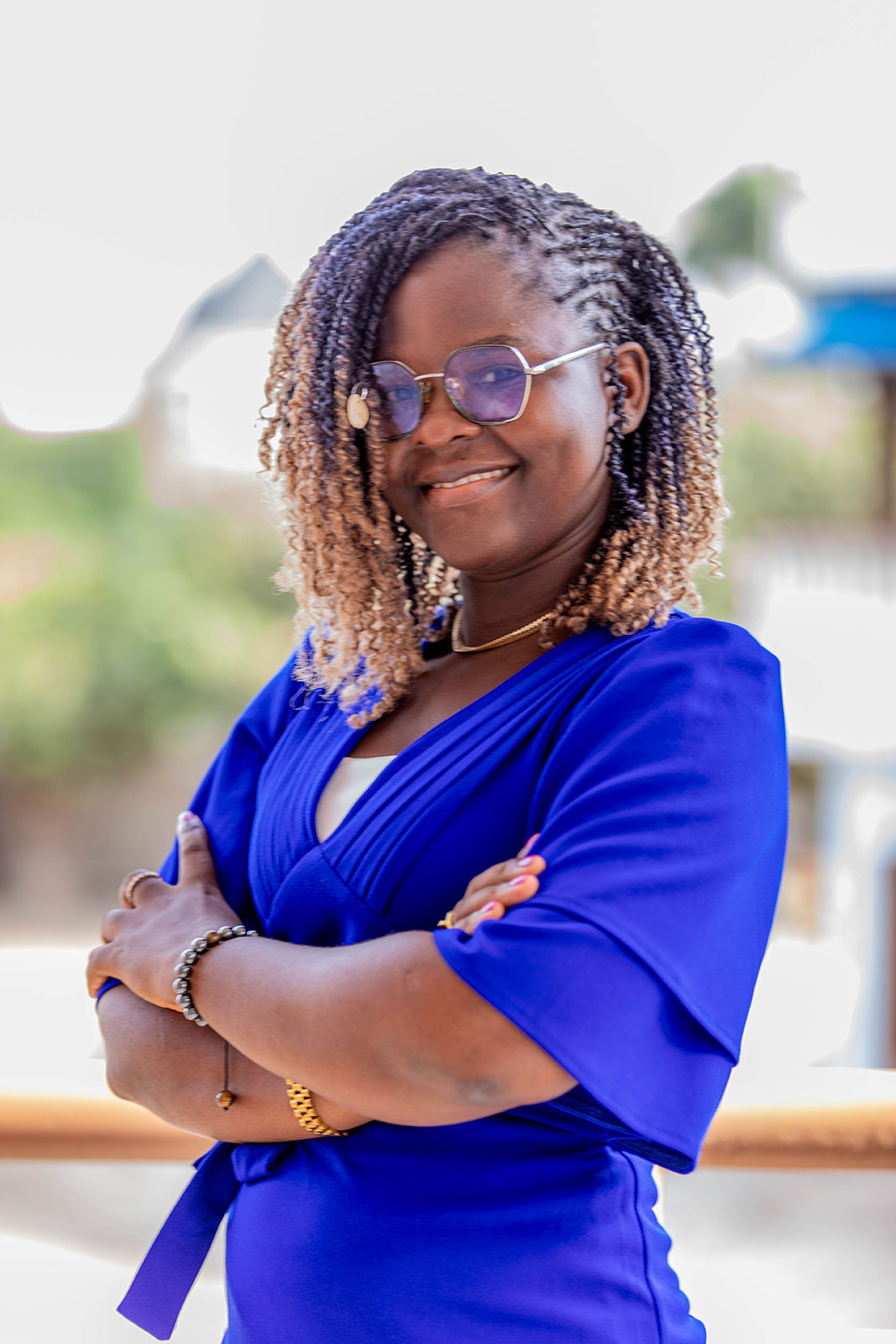
Défenseuse des Droits Humains et de l’Égalité Genre, elle met son expertise en gouvernance sensible au genre et management de projet au service de l’empowerment des femmes en Afrique. Titulaire d’un Master en Gouvernance et Management Public (Université Senghor), elle pilote depuis neuf années, des projets innovants pour renforcer les capacités et la participation politique des jeunes filles et femmes et le développement des OSC.
L’association a pour mission d’œuvrer en étroite collaboration avec ses partenaires afin de garantir l’épanouissement des groupes marginalises à travers la promotion sociale et la défense de leurs droits de femmes.Elle se donne aussi pour mission leur intégration et épanouissement social. Entre autres, APED /SINIONTARB veut :
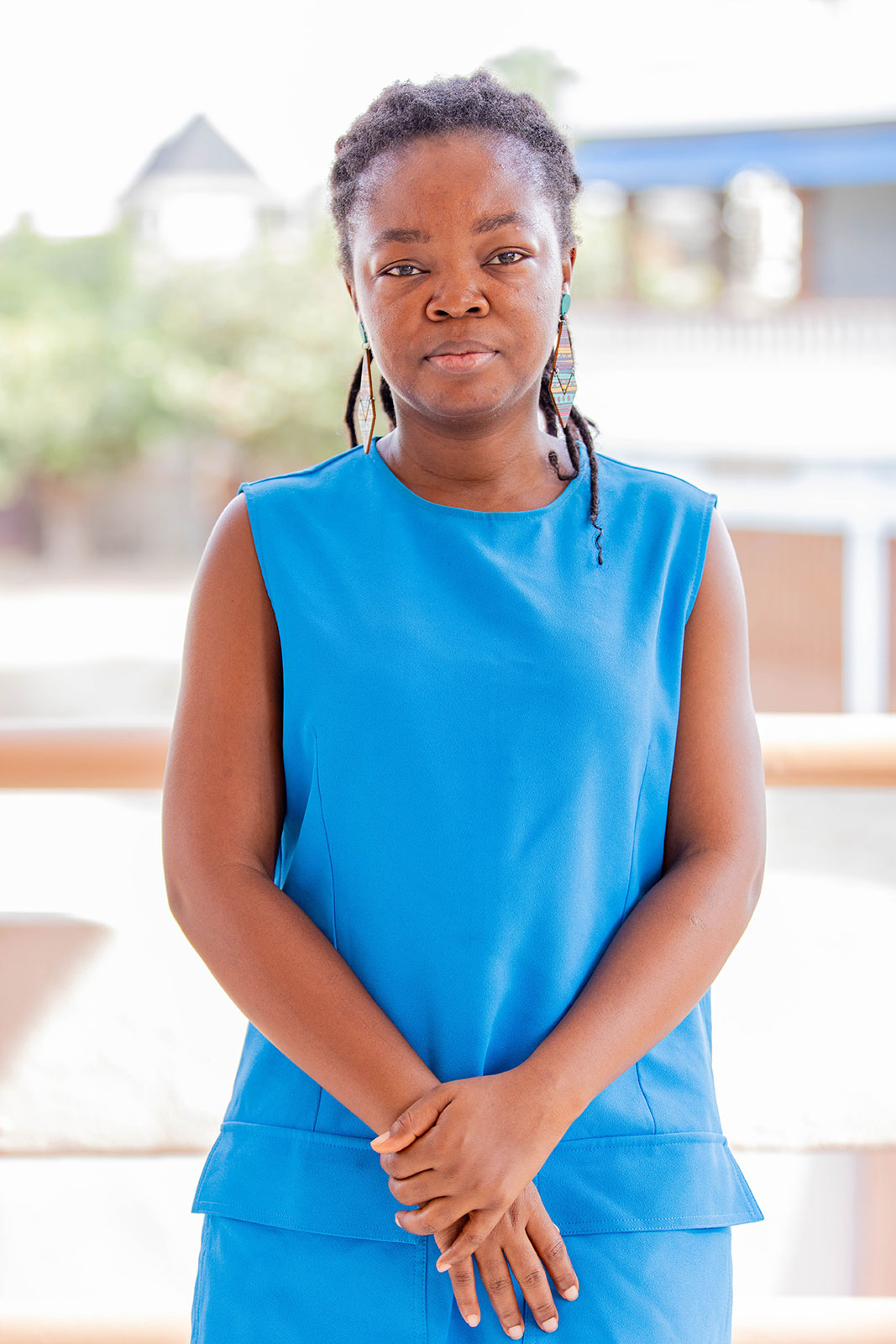
Mariette Biwègnon MONTCHO est une jeune féministe engagée, avec un master en gestion des risques et catastrophes naturelles et experte en droits en santé sexuelle et reproductive (DSSR), genre et inclusion sociale, avec plus de dix ans d’expérience dans le plaidoyer, la coordination de projets, le renforcement des capacités et le leadership des jeunes femmes en Afrique de l’Ouest. Elle est l’actuelle Directrice Exécutive du Réseau Ouest Africain des Jeunes Femmes Leaders – Bénin (ROAJELF-Bénin), qu’elle pilote avec rigueur, créativité et vision stratégique depuis 2018.
Women and Power Association (WoPAs) est une organisation béninoise engagée pour l’empowerment des jeunes filles et des femmes à travers le renforcement de leurs capacités en leadership et leur implication dans les instances de décision. Depuis 2018, WoPAs s’engage à promouvoir une gouvernance sensible au genre en fournissant des outils et des opportunités aux jeunes […]
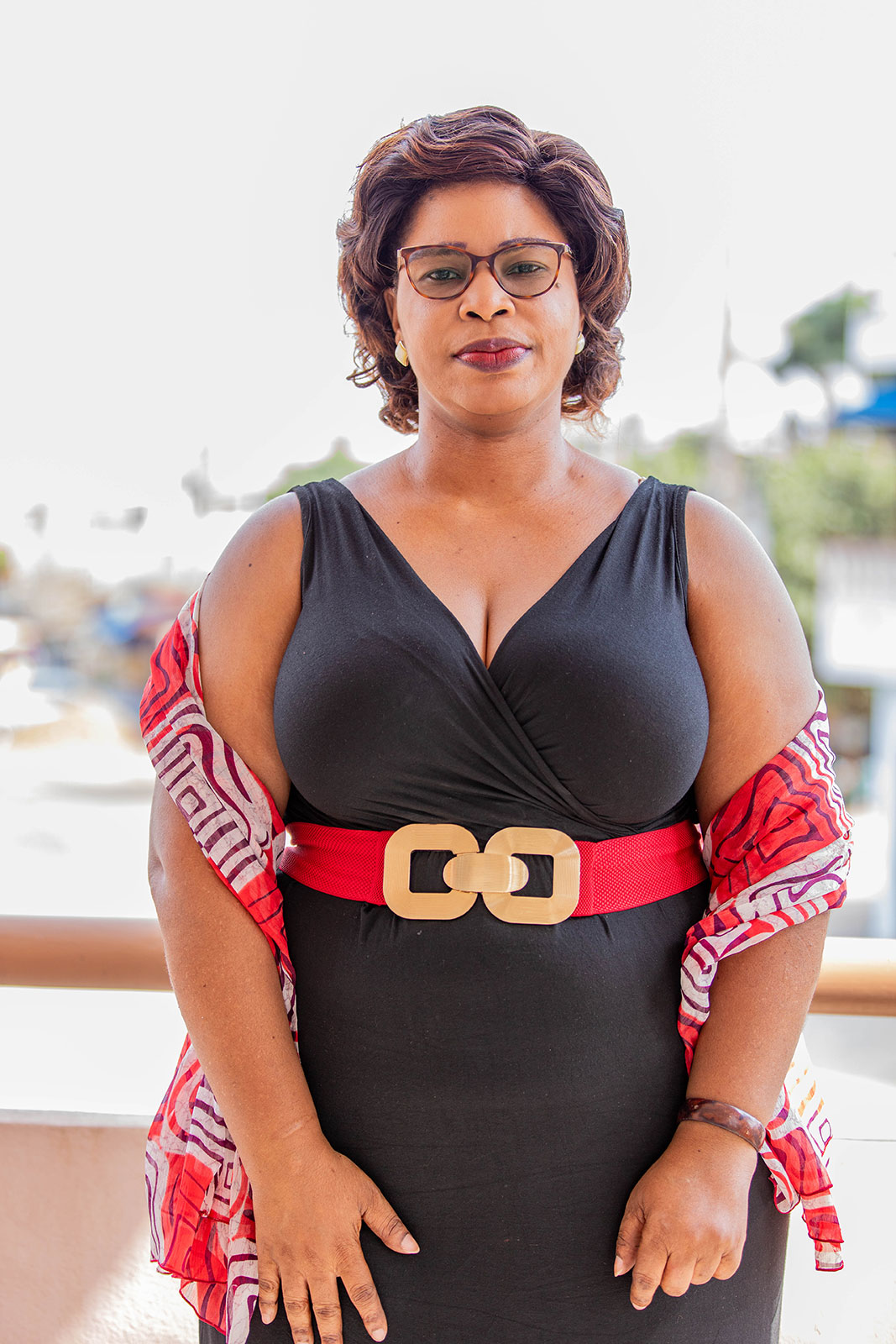
Yvette Sessi ALAVO, béninoise, est spécialiste en communication, marketing, et gestion de projets. Née en 1975 à Cotonou, elle a voyagé et observé les inégalités mondiales. Elle a travaillé pour Marketia et M. Media avant de fonder son agence de communication en 2011. Co-fondatrice et Directrice de l’ONG Icône 360°, elle œuvre pour la justice sociale, l’encadrement des jeunes et le bien-être des populations. Elle mène des actions dans la santé (avec un fort engagement contre le paludisme, le cancer du sein, l’environnement et l’éducation.
Le Réseau Ouest Africain des Jeunes Femmes Leaders – Section Bénin (ROAJELF-Bénin) est une organisation féminine et féministe créée en 2012 grâce à la contribution du Centre de la CEDEAO pour le Développement du Genre (CCDG), qui rassemble de jeunes femmes engagées pour la promotion des droits humains, l’égalité de genre, et la participation citoyenne […]
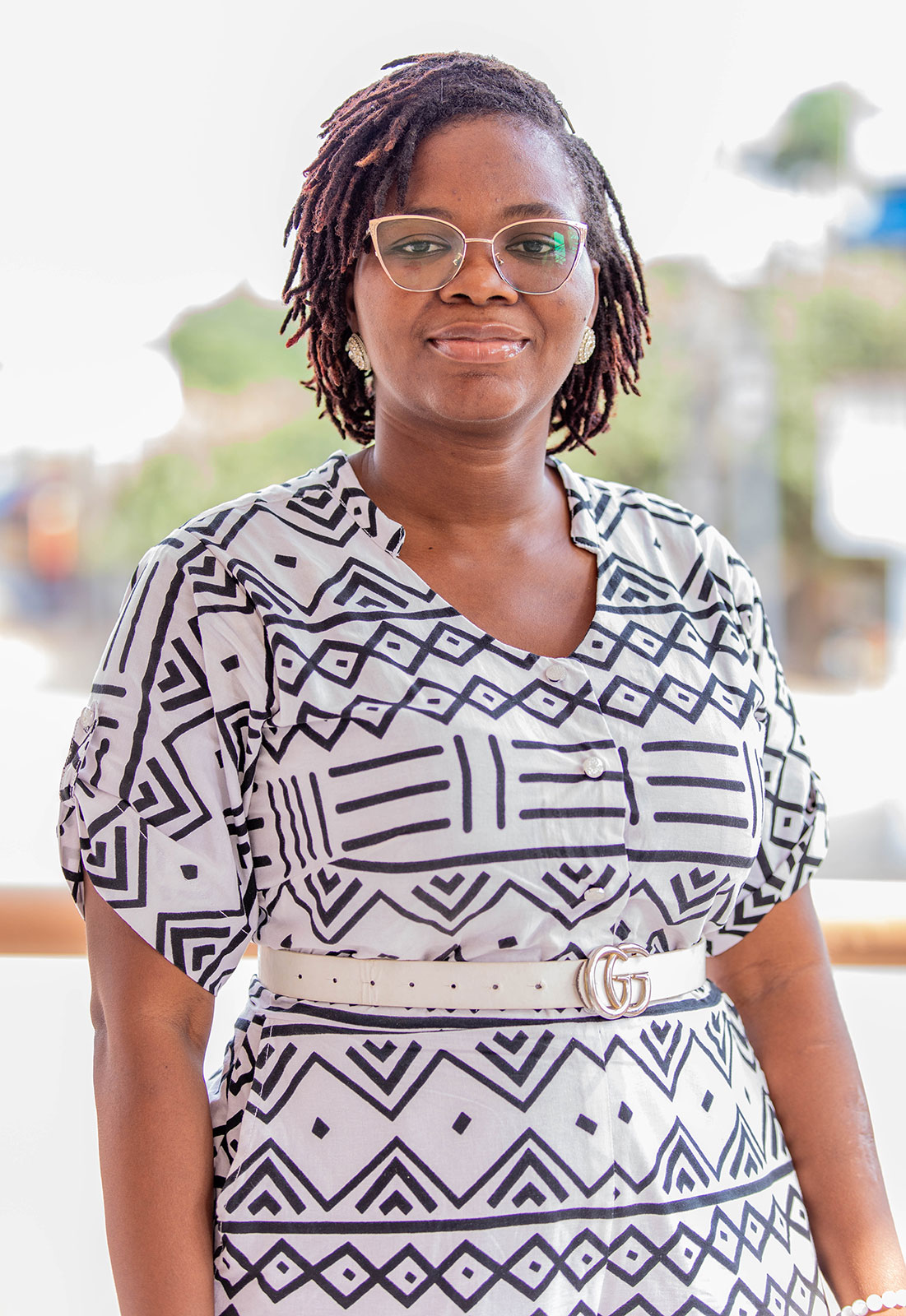
Anne Ella MAHOUKPO est une activiste dotée de plus de dix ans d’expérience dans la défense des droits des femmes. Elle est à la fois spécialiste des droits en santé sexuelle et reproductive et experte dans la lutte contre les violences basées sur le genre (VBG).
Son leadership affirmé et sa détermination constante font d’elle une figure incontournable de la lutte pour l’égalité au Bénin. Elle inspire et mobilise pour une société plus juste, inclusive et respectueuse des droits humains.
Icône 360° est une Organisation Non Gouvernementale basée au Bénin qui milite pour le bien-être social à travers une démarche inclusive à 360°. Créée en 2015 et enregistrée officiellement le 12 décembre 2016, elle œuvre principalement dans les domaines de la santé, de l’éducation, de l’environnement et du leadership communautaire. Plus spécifiquement, elle vise à […]
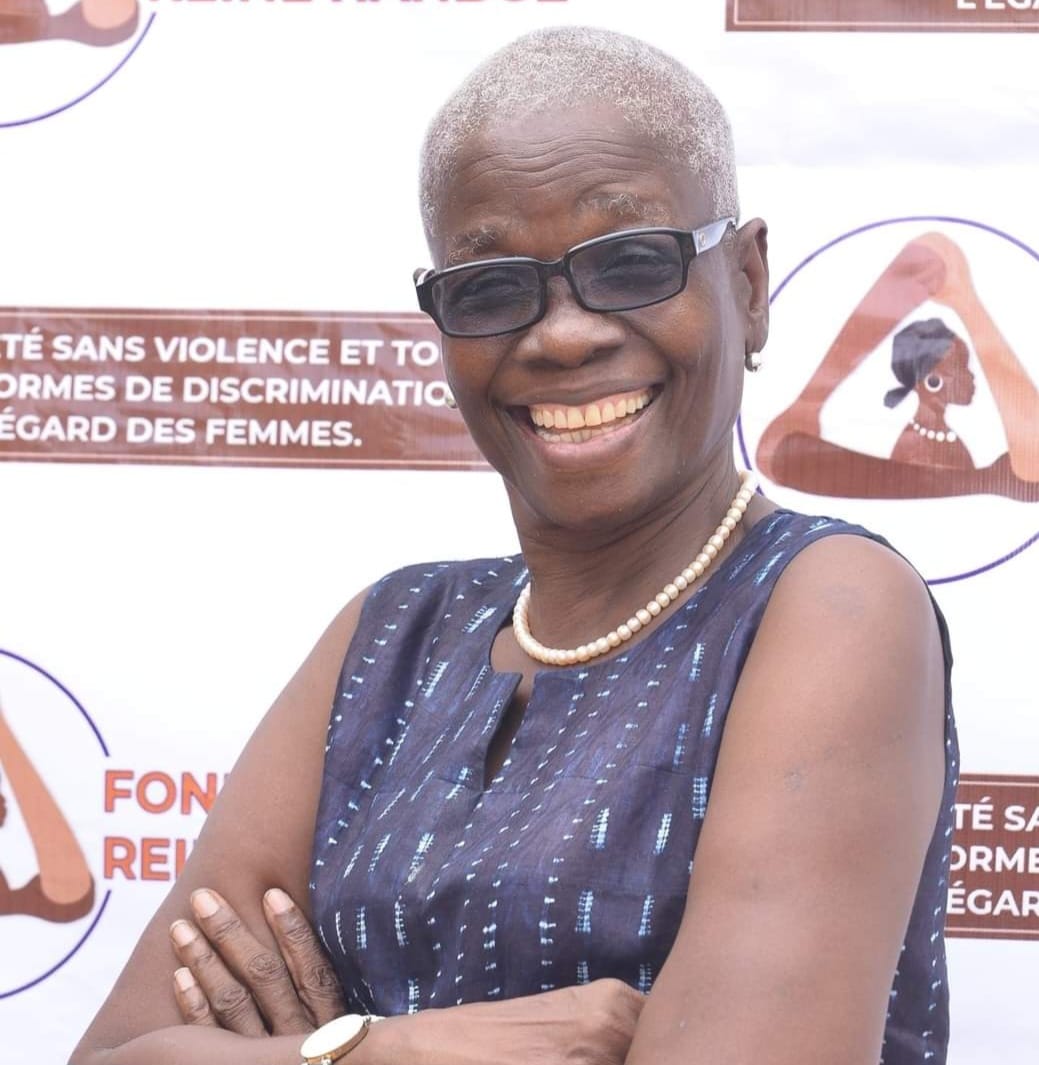
Victorine KEMONOU DJITRINOU Syndicaliste, formatrice et activiste des droits humains est guidée par la passion et l’engagement pour une société juste et équitable où la volonté politique et un financement public transparent permettraient l’accès gratuit pour tout le monde, surtout les femmes, à tous les services publics. Elle possède une riche expérience dans le leadership des filles et des femmes et le renforcement des capacités des OSCs.
Le Groupe de Jeunes Filles et Femmes Autonomes (GJFA) est une organisation de défense des droits des femmes, créée le 15 janvier 2018. Elle œuvre pour un monde sans violences faites aux femmes, fondé sur l’égalité des sexes, la justice de genre et le respect des droits en santé sexuelle et reproductive. À travers ses […]
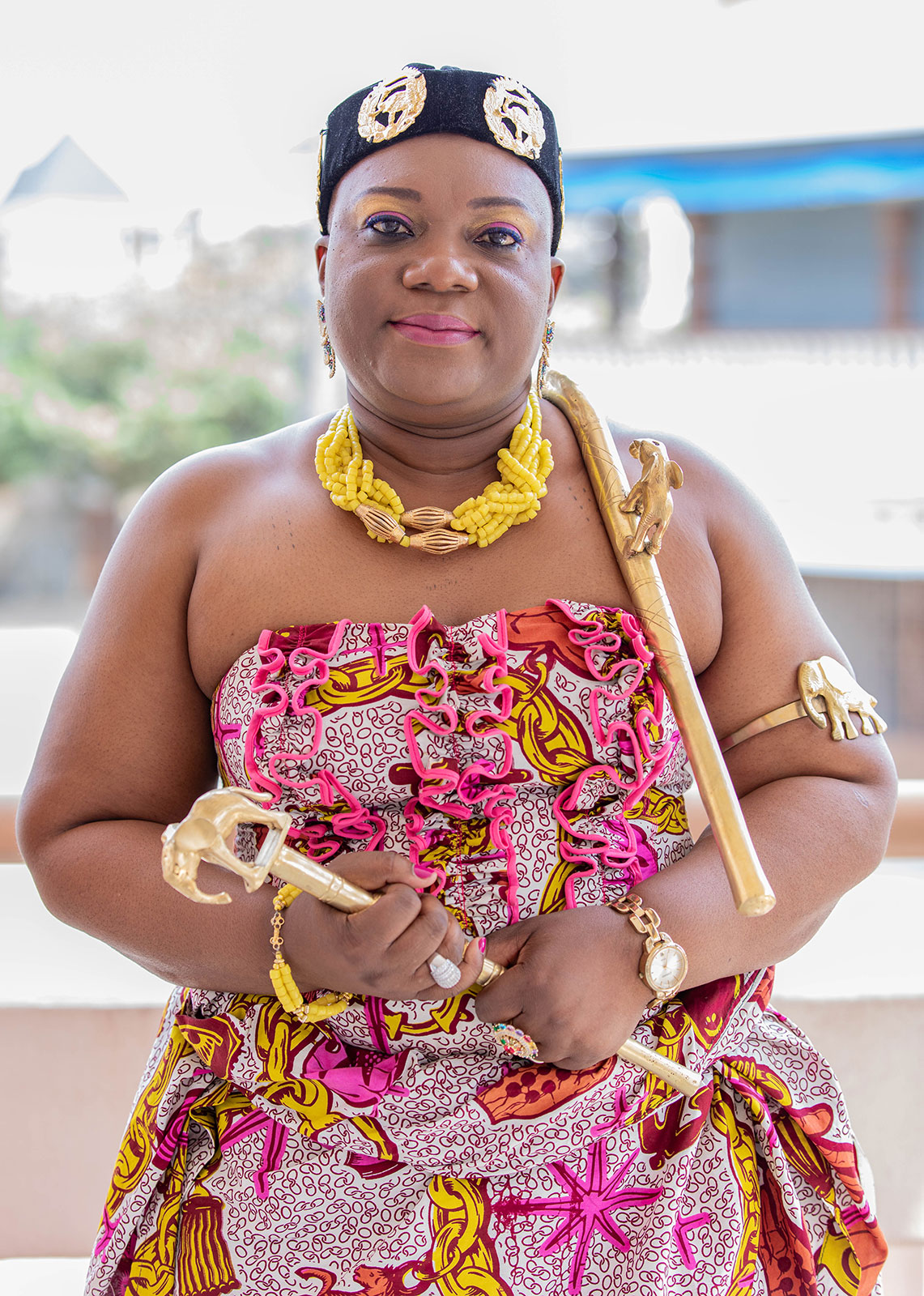
Présidente de la Fondation REINE ADJIGNON, Sa Majesté Reine Adjignon NATABOU est titulaire d’un master en Entreprenariat et Gestion des Projets. Elle est aussi la Présidente du Réseau des Femmes Leaders Religieux et Traditionnels engagées pour l’autonomisation des femmes et des filles du Bénin et une militante chevronnée de la lutte contre les inégalités de genre. Elle oeuvre inlassablement pour la promotion des DDSR et est très engagée pour l’abandon des pratiques culturelles retrogrades et néfastes qui frennent l’épanouissement de la femme et des enfants au Bénin.
La Fondation Reine HANGBE, essentiellement composée de femmes leaders est une ONG à but non lucratif pour l’idéal d’amélioration du statut socio-économique de la femme à travers l’information, la formation, le partage, le réseautage, etc. Ses membres croient fermement que l’éducation et l’autonomisation des femmes sont préalables au développement et se battent depuis 2005 pour […]
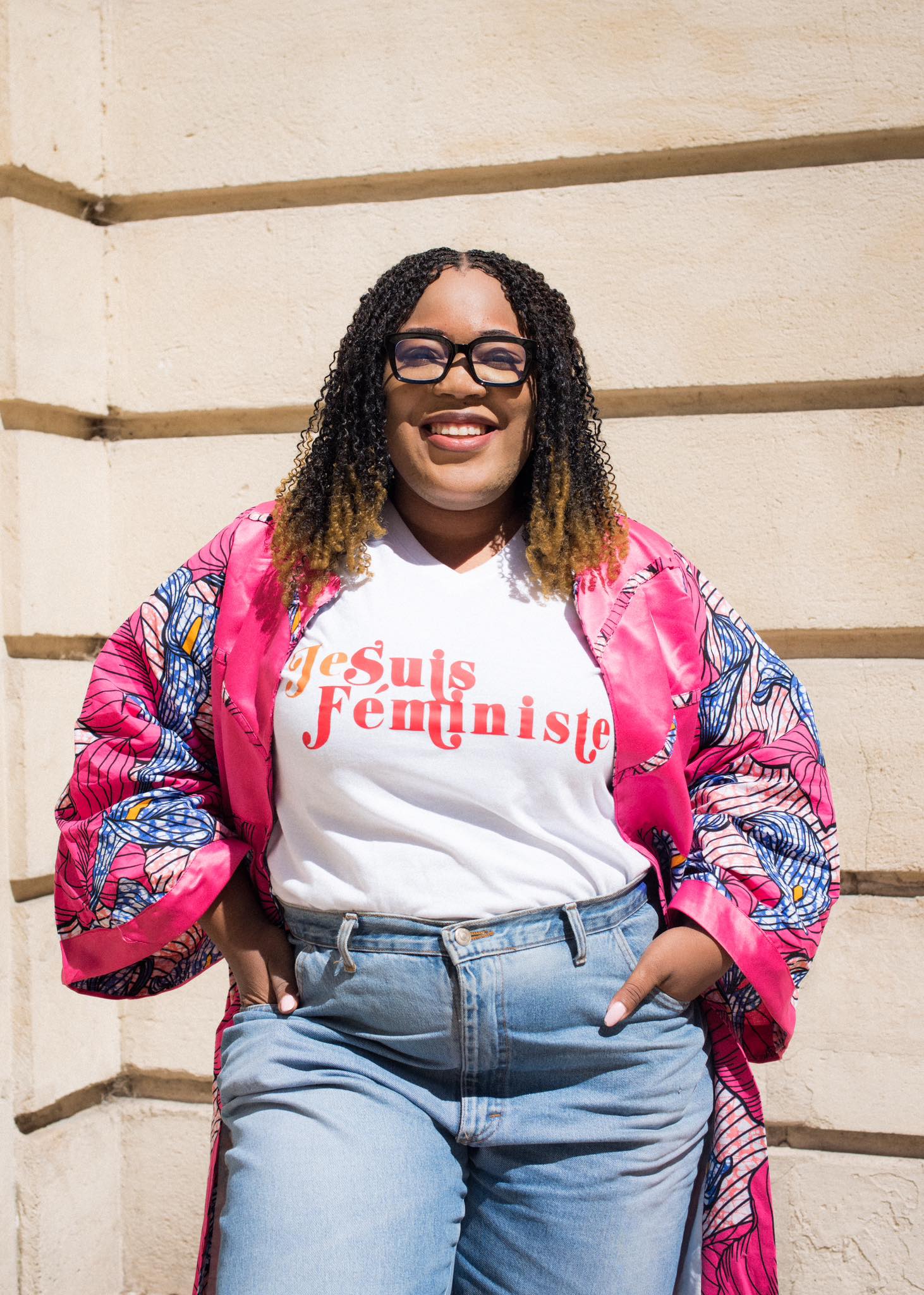
Benedicta Aloakinnou est une militante féministe béninoise engagée . Juriste spécialiste des droits des femmes et consultante feministe, elle est co-auteure de la note d’orientation FEPS « From Talking to Walking » et porte auprès des instances nationales et internationales des plaidoyers sur le financement flexible pour les organisations féministes, la voix des filles, l’autonomie corporelle des femmes. Elle combine son expertise en management d’organisations féministes, la gestion de projets féministes, son activisme digital et sa casquette de chercheuse en droit pour plaider, agir et créer un impact durable.
La FONDATION REINE ADJIGNON NATABOU a été crée en 2016 avec pour mission principale d’oeuvrer pour l’autonomisation des femmes et des personnes en situation de handicap. L’objectif général de la Fondation est de contribuer à l’épanouissement des personnes vunérables pour un développement harmonieux et durable. Ses domaines d’intervention sont : Automisation des femmes, Santé, Education […]
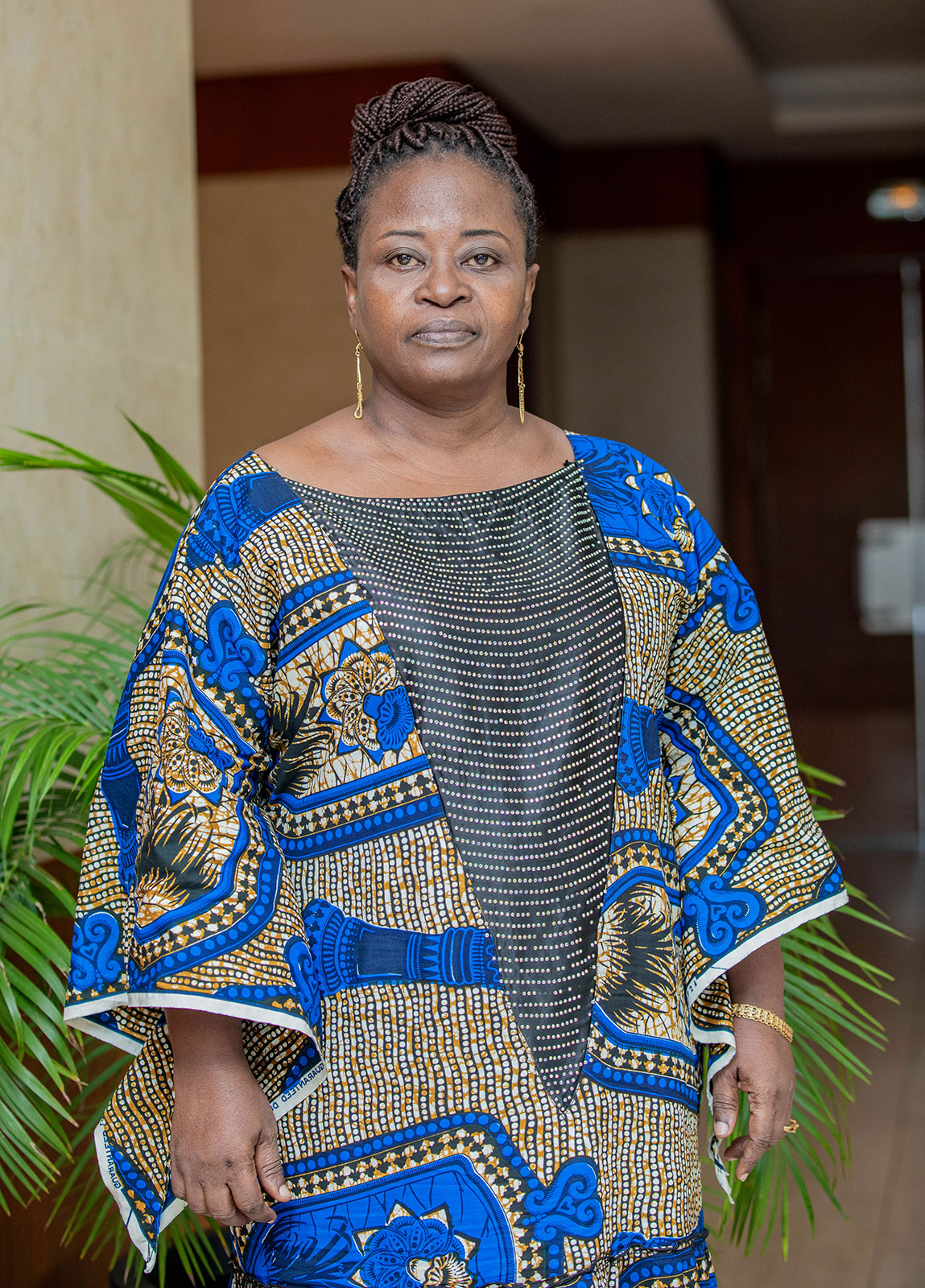
Mme Pauline CONDE, née le 3 mars 1966 à Djougou, est Directrice Exécutive de FADeC-ONG, qu’elle a cofondée. Elle cumule plus de 25 ans d’expérience dans le développement communautaire au Bénin. Elle a débuté comme Médiatrice dans les communes de Djougou et Zogbodomey, puis a été Comptable et Assistante de Programmes de 2007 à 2013. Elle a contribué à des projets touchant l’éducation, la santé, l’environnement et l’autonomisation des femmes. Mme CONDE a aussi été Consultante indépendante et Directrice Générale pour plusieurs ministères du pays.
FJAD est une organisation féministe et féminine nationale à but non lucratif qui fait des prouesses pour briser les inégalités, révéler le leadership des femmes, amener les jeunes filles à viser l’émergence et l’excellence au quotidien dans le Nord-Bénin où plusieurs pesanteurs socioculturelles constituent des freins pour l’avancée des droits des femmes. La mission principale […]
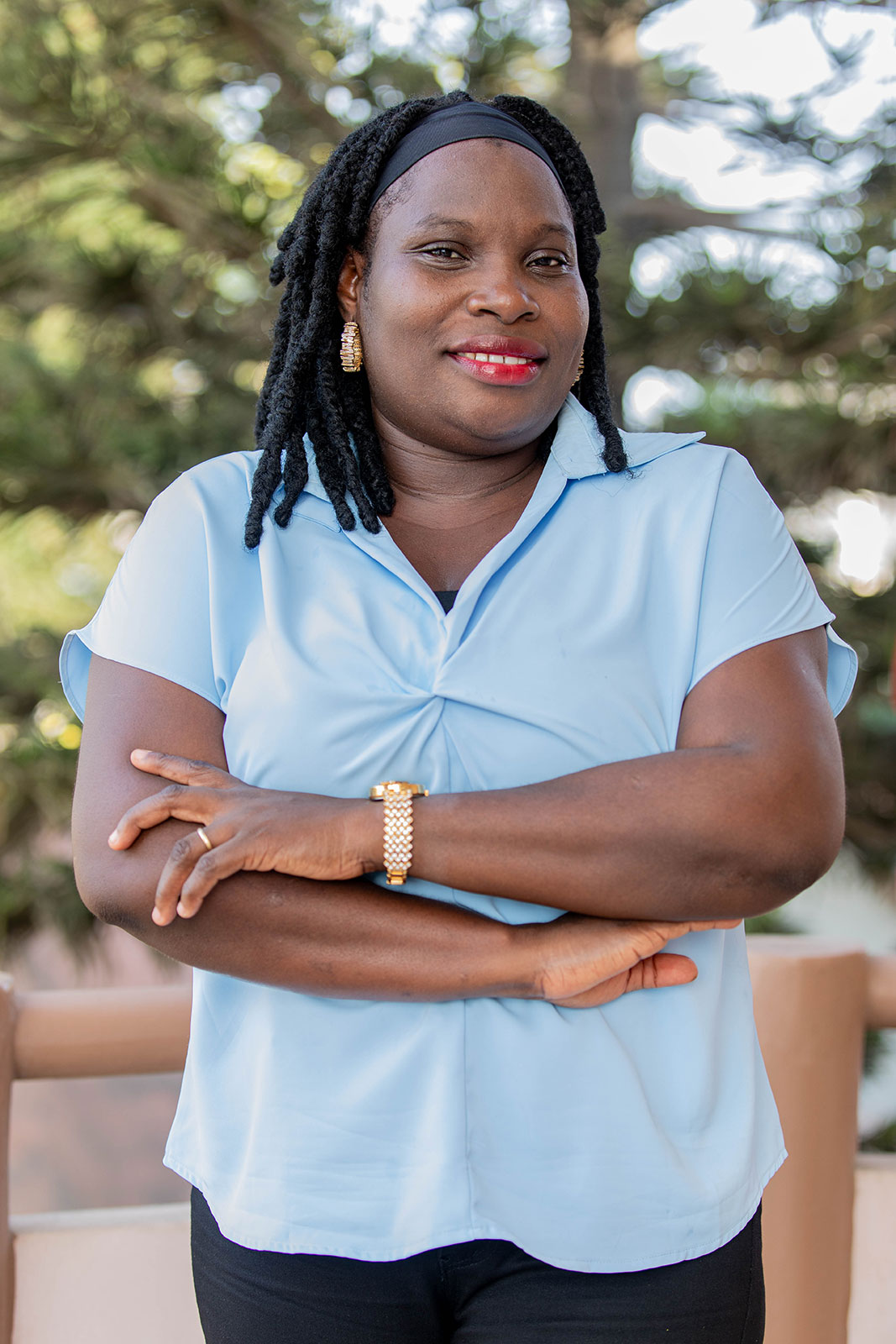
Mariane Christelle AZEHOUN est consultante en WASH, changements climatiques et genre. Experte Nationale de la Convention Cadre des Nations Unies sur les Changements Climatiques (CCNUCC) depuis 2019, elle titulaire d’un Master à la Chaire UNESCO « Femmes et gestion raisonnée de l’eau ».
Elle cumule plus de 10 ans d’expérience dans l’appui technique aux collectivités territoriales et l’intégration du genre dans les politiques publiques. Alumni YALI, elle milite activement pour les droits des filles et des femmes.
FADeC-ONG (Femmes Actrices de Développement Communautaire) est née de l’initiative de femmes engagées issues du projet EDUCOM (UNICEF), réunies en 2003 sous forme de FADeC-GIE. En 2006, le groupement devient une ONG officiellement enregistrée à Cotonou. FADeC-ONG œuvre pour l’autonomisation des communautés à travers l’éducation,la nutrition, la santé, l’environnement et l’équité de genre.
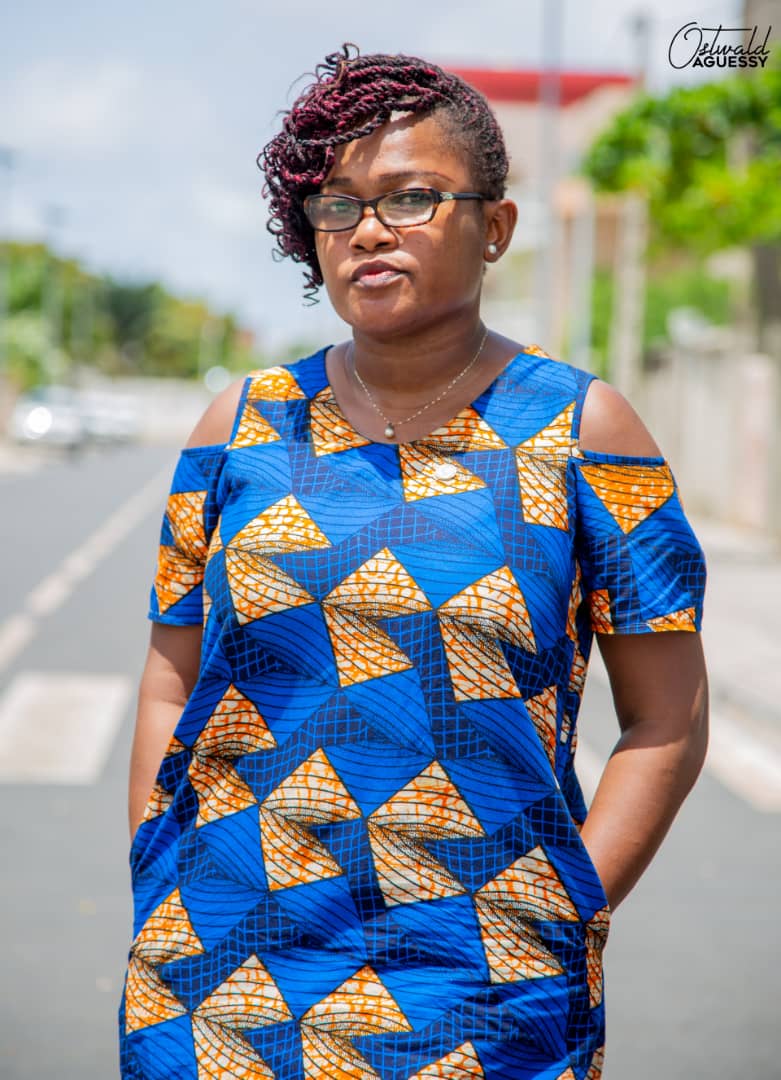
Dr Odry AGBESSI AGRO, première femme chirurgien plastique au Bénin, a fondé l’Association VIA-ME qui a impacté directement et indirectement plus de 80.000 personnes au cours depuis sa création. Alumni YALI RLC en Civic leadership, à Dakar en 2016, et YALI MWF2018 en PUBLIC MANAGEMENT à UW Madison (Etats-Unis), elle est passionnée par les sujets liés à l’égalité des sexes dans l’enfance et à la couverture sanitaire universelle. Elle a représenté le Bénin au GIEESC et travaille en partenariat avec Mercy Ships à travers le programme de renforcement des capacités médicales pour améliorer la qualité des soins chirurgicaux au Bénin et aider à lancer un protocole de gestion de la douleur en Afrique de l’Ouest.
La Benin Women Alumni Association (BWAA) est une organisation à but non lucratif fondée en 2017, réunissant plus de 200 femmes béninoises ayant bénéficié de programmes d’échanges et de leadership américains tels que YALI, Fulbright, IVLP, AWEP, Humphrey, PAYLP, entre autres. Cette diversité de parcours crée une communauté intergénérationnelle de femmes aux profils variés – […]
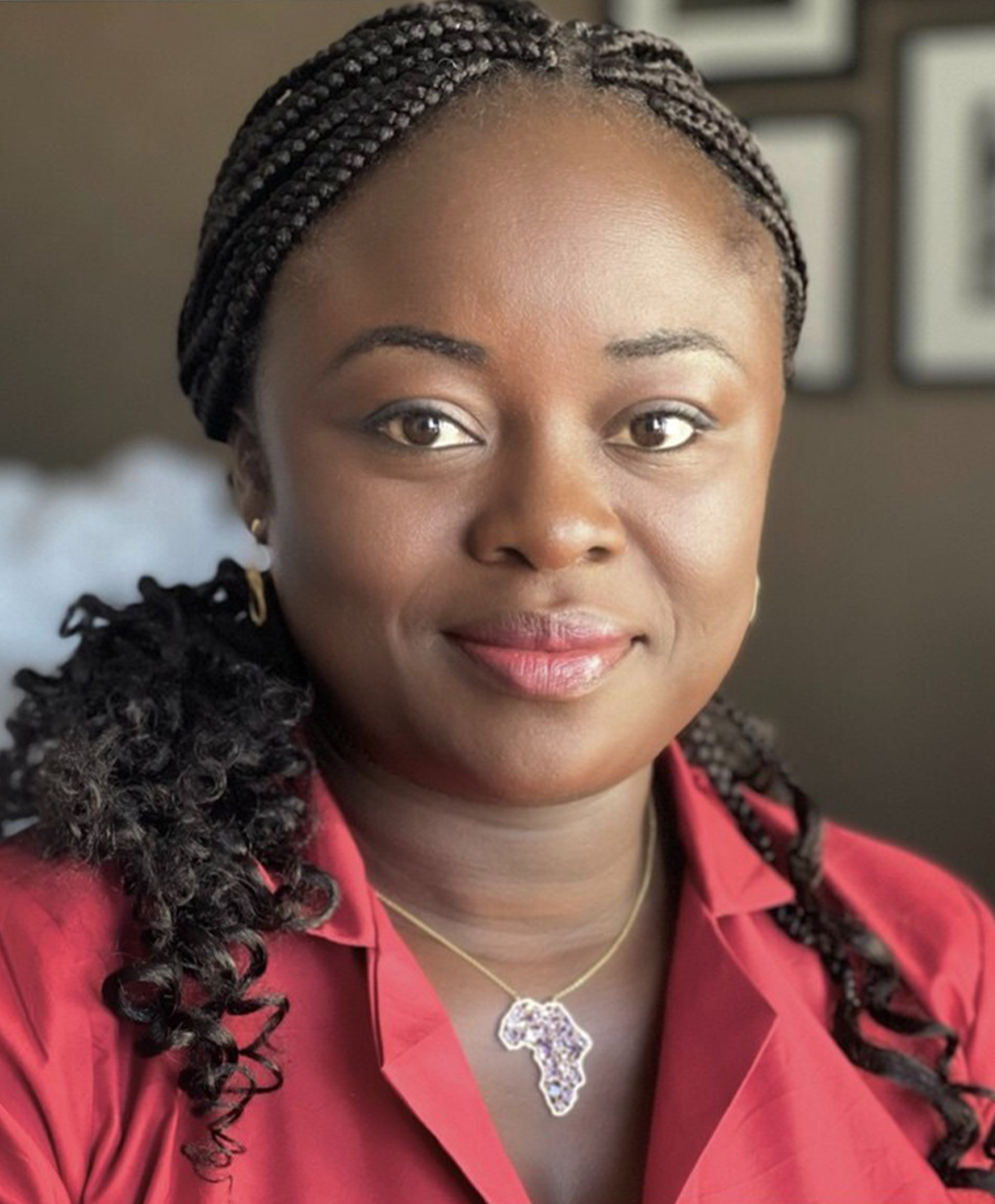
Dr. Rosine Wolié is a researcher and lecturer at Nagui Abrogoua University and Quality Assurance Manager at the Vector Control Product Evaluation Centre of the Pierre Richet Institute. With more than nine years of experience, she specialises in vector biology, genomics and the evaluation of next-generation malaria control tools. She has led major international research projects funded by organisations including the Bill & Melinda Gates Foundation, the Global Fund and FCDO, while contributing to genomic surveillance, insecticide resistance management and national malaria strategies. Passionate about strengthening scientific capacity across West Africa, Dr. Wolié combines research excellence, programme leadership and policy engagement to support innovative, evidence-based approaches to malaria elimination.
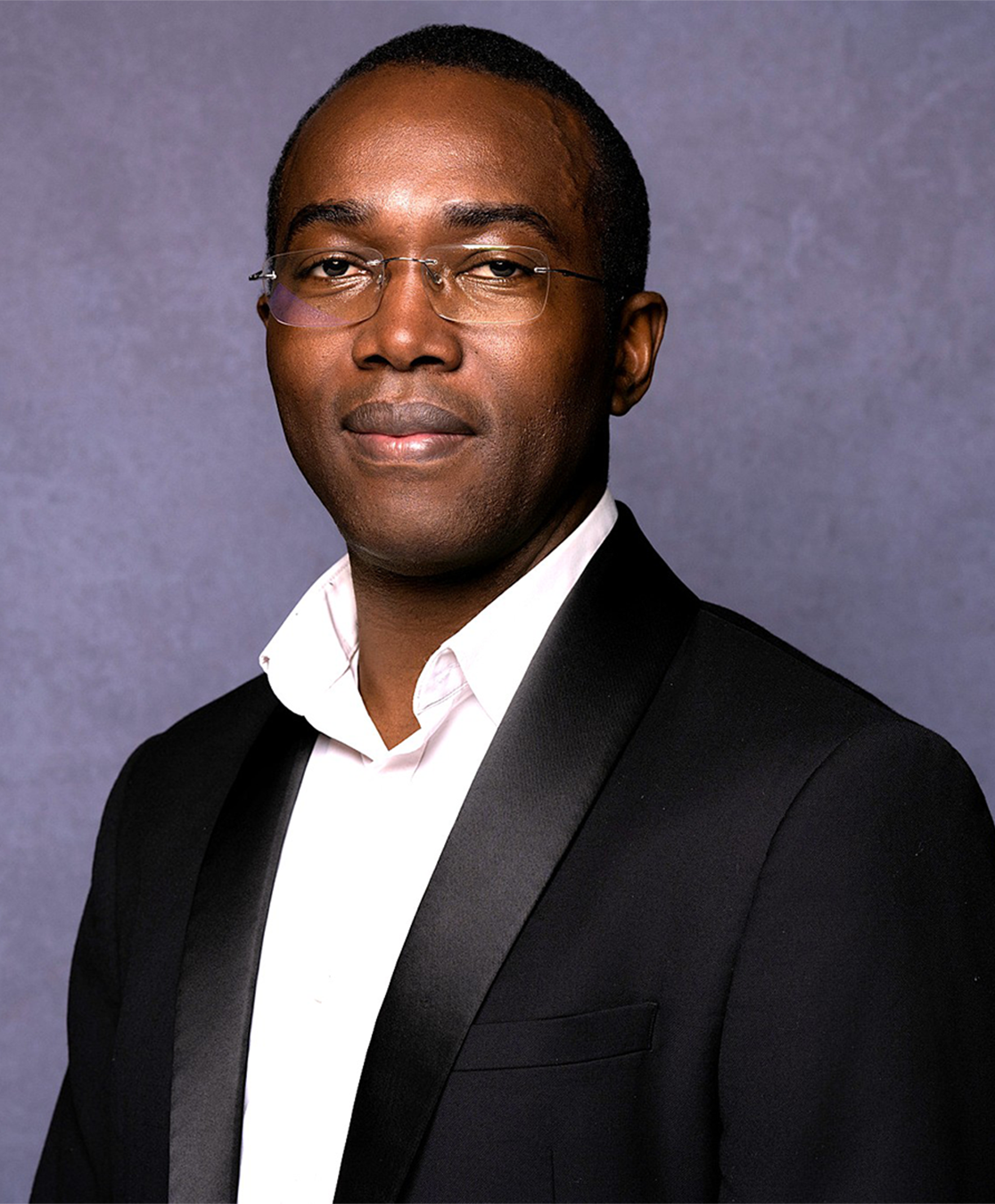
Dr. Moumini Niaoné is a physician, public health scholar and community health leader whose work focuses on strengthening primary health care, community engagement and health equity in humanitarian settings. He is currently pursuing a PhD in Public Health at the Johns Hopkins Bloomberg School of Public Health. Before joining Johns Hopkins, he served as Director of Community Health at Burkina Faso’s Agency of Primary Health Care and founded Pull for Progress Burkina Faso, a nonprofit organisation dedicated to improving health outcomes for vulnerable populations. His research bridges science, policy and community action to advance equitable, resilient and people-centred health systems across Africa.
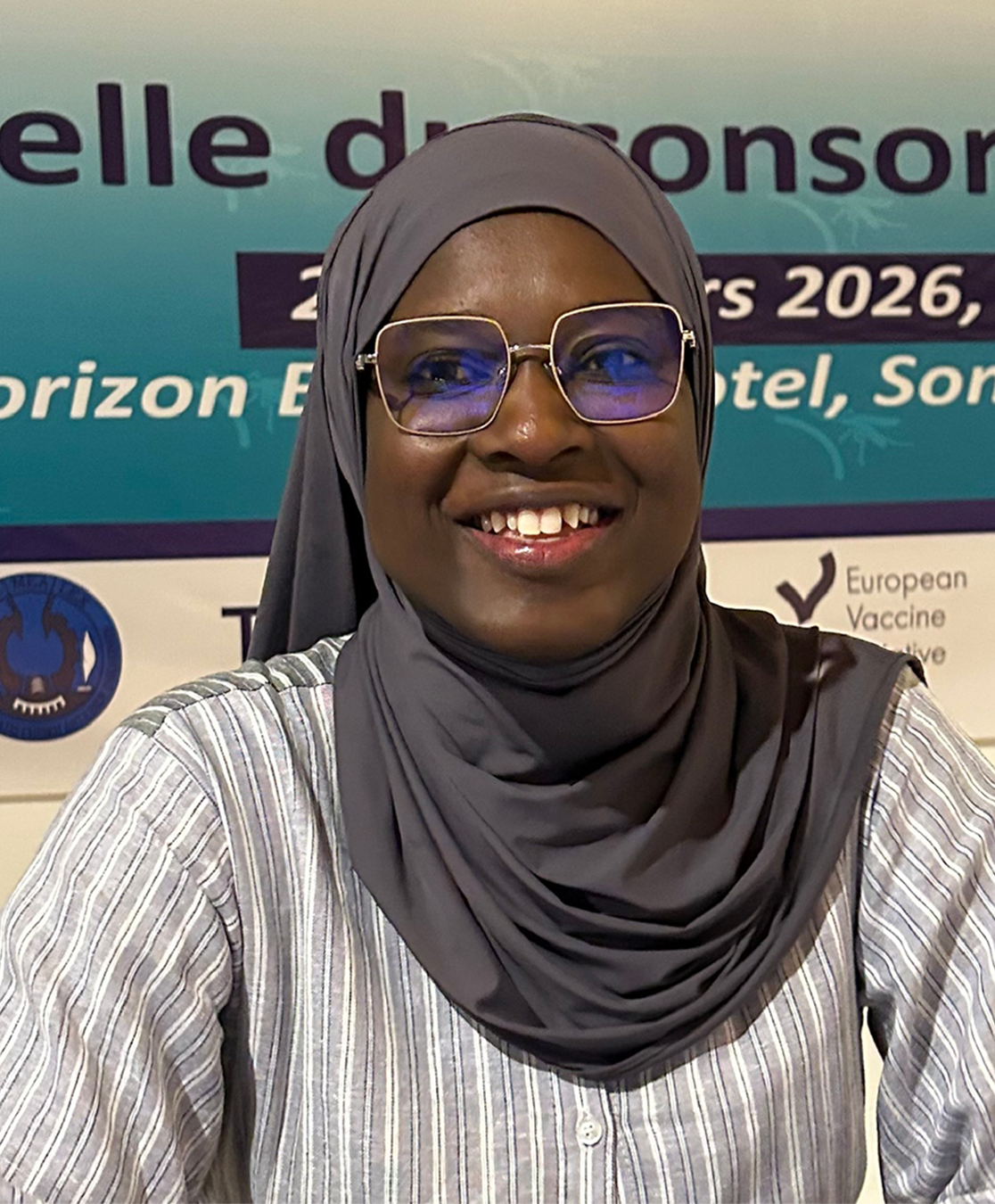
Dr. Fatimata Bintou Sall is a physician and implementation researcher at the University of Thiès. Her work focuses on malaria chemoprevention, implementation research, and improving access to preventive interventions for pregnant women and children. Following medical and doctoral training in Senegal and France, she expanded her expertise through a master’s in public health specialising in epidemiology and implementation research. Her current research explores strategies to improve intermittent preventive treatment during pregnancy while addressing barriers such as drug resistance and health system challenges. Dr. Sall is committed to translating scientific evidence into practical solutions that strengthen community health and accelerate malaria elimination efforts.
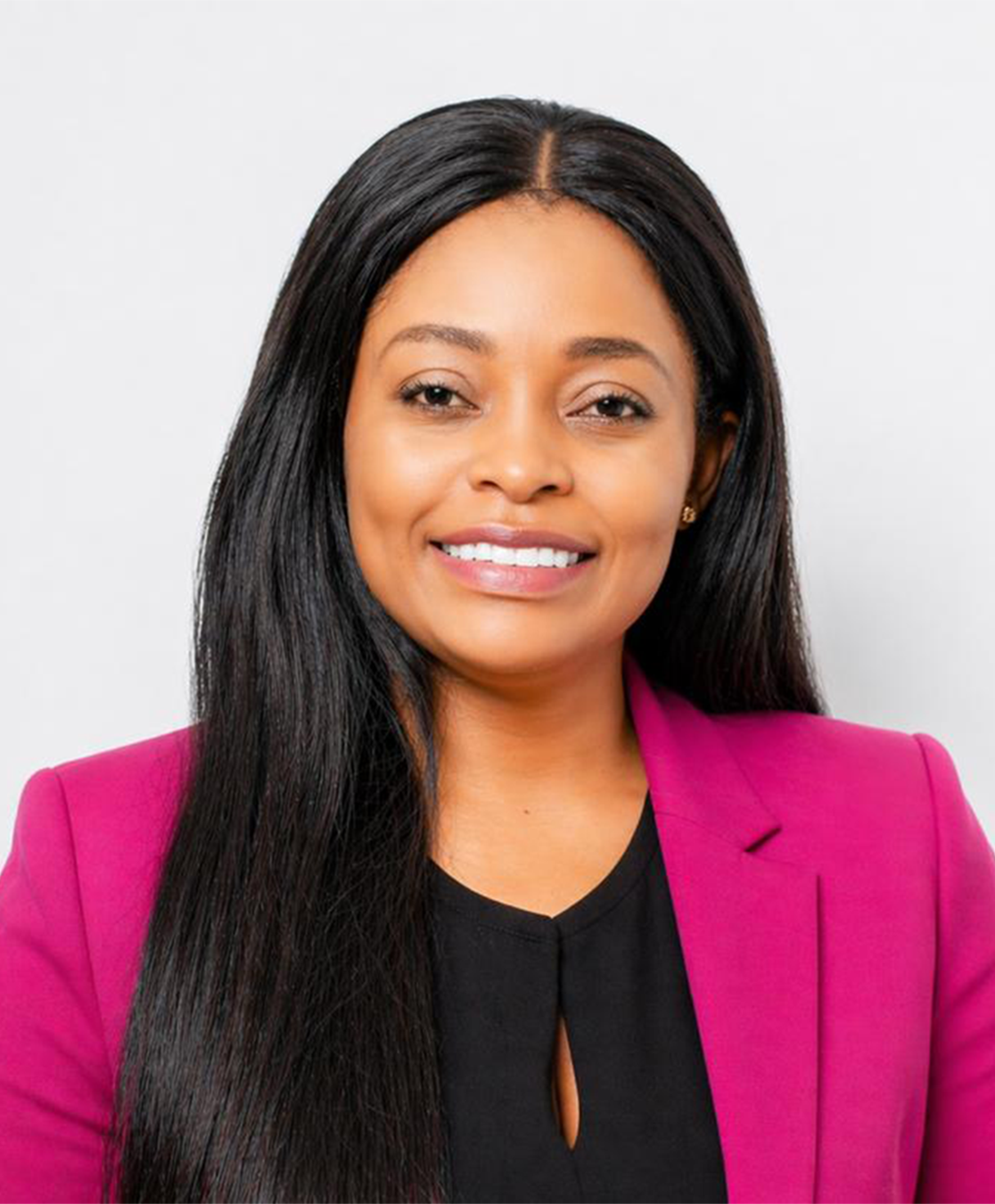
Dr. Corine Ngufor is Founder and Executive Director of the African Institute for Research in Infectious Diseases (AIRID), Associate Professor at the Liverpool School of Tropical Medicine, and Co-Chair of the RBM Partnership to End Malaria’s Vector Control Working Group. She is internationally recognised for her leadership in evaluating innovative malaria vector control tools and generating evidence that informs global and national malaria policies. Her work bridges scientific research, programme implementation and policy to strengthen malaria prevention across Africa. Through her scientific leadership and global partnerships, Dr. Ngufor continues to advance innovative approaches to vector control and supports the translation of research into public health impact.
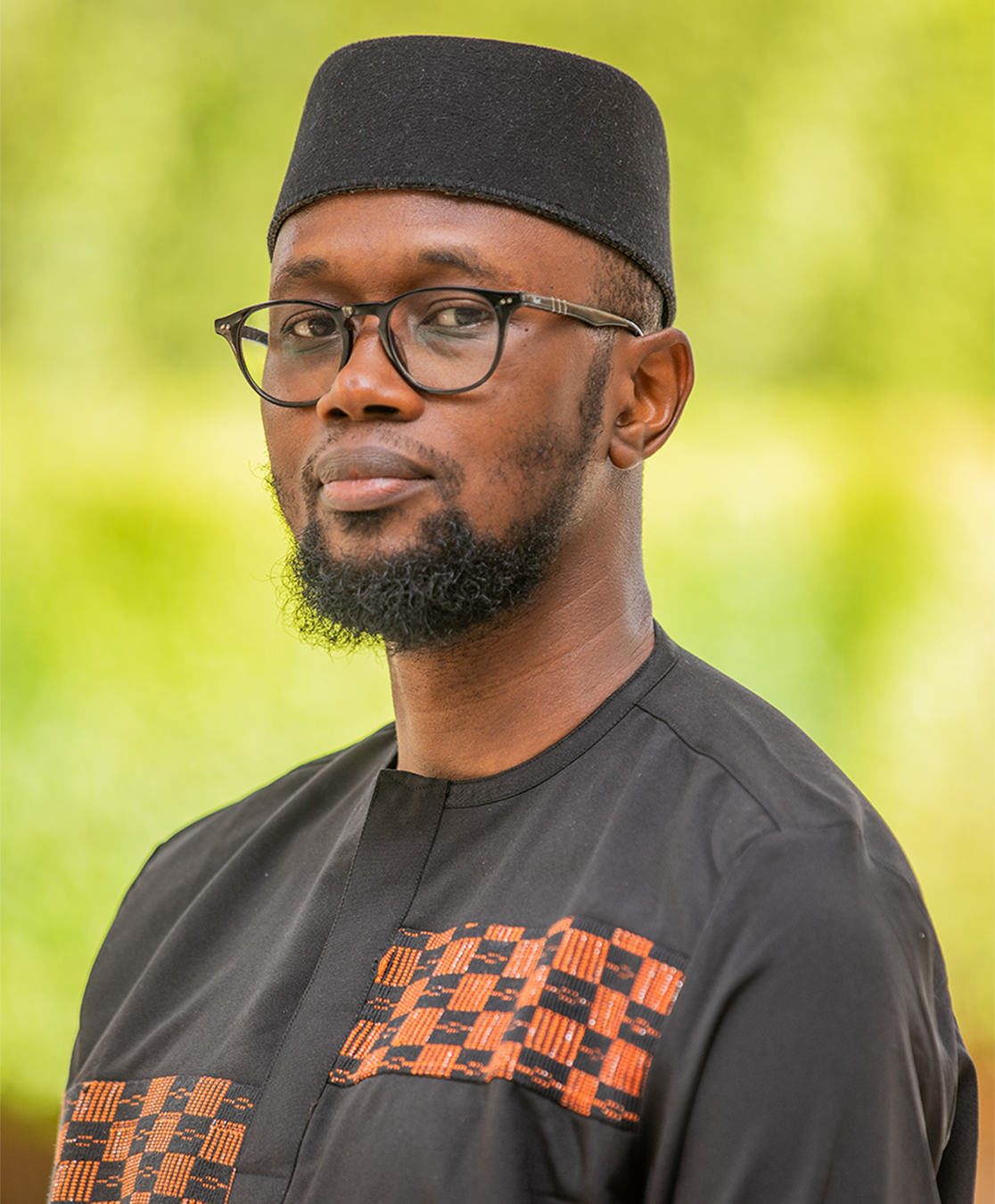
Dr. Mamadou Alpha Diallo is Associate Professor at Cheikh Anta Diop University and Principal Investigator at CIGASS. His research combines malaria epidemiology, genomics and operational research to strengthen malaria control and elimination strategies across Africa. A World Health Organization-certified consultant, he provides technical oversight for diagnostic quality assurance and therapeutic efficacy studies across the continent, supporting national treatment policy updates and monitoring antimalarial drug resistance. He also leads Senegal’s annual antimalarial efficacy monitoring programme and conducts genomic surveillance of malaria parasites. Through his research and capacity-building activities, Dr. Diallo is committed to strengthening African scientific leadership and ensuring that research evidence informs policy and investment decisions.
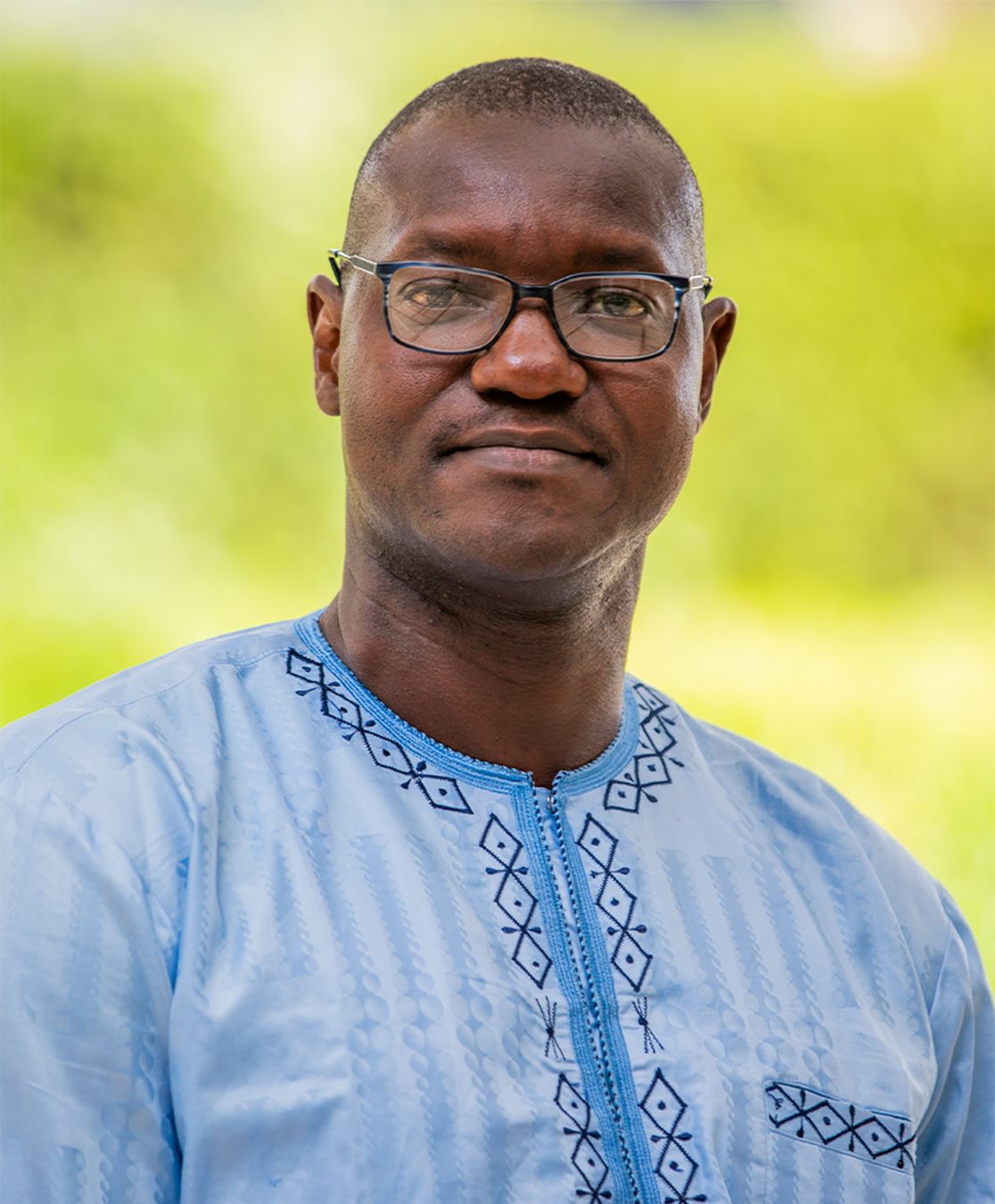
Dr. Hamtandi Magloire Natama is Senior Research Scientist in Parasitology at the Institute for Health Sciences Research (IRSS), Nanoro Clinical Research Unit, Burkina Faso. His work focuses on malaria vaccinology, parasite immunology, and the molecular epidemiology of Plasmodium falciparum. He coordinated the Phase II and III clinical trials of the R21/Matrix-M malaria vaccine between 2019 and 2024, generating evidence that contributed to the World Health Organization’s recommendation of the vaccine for use in areas of moderate and high malaria transmission. Dr. Natama continues to lead and support research on next-generation malaria vaccines and implementation strategies designed to accelerate malaria elimination across Africa.
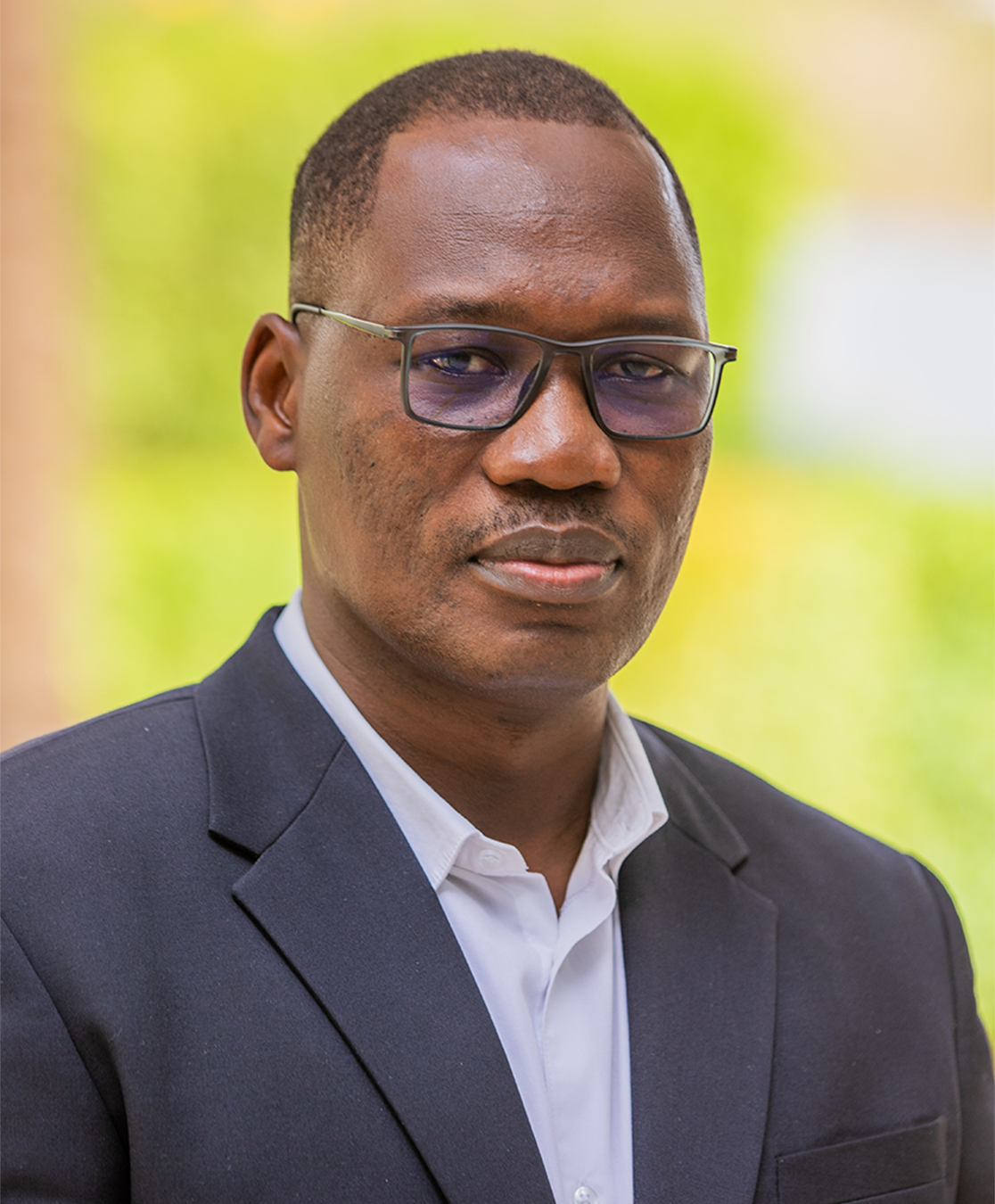
Dr. Rock Aikpon is Deputy National Coordinator of Benin’s National Malaria Control Programme and Associate Professor of Medical Entomology and Public Health. He is a specialist in vector-borne diseases and has dedicated his career to improving malaria prevention through evidence-based vector control strategies. Previously, he served as Head of the Integrated Vector Control Unit at the National Malaria Control Programme, where he led national efforts to evaluate and strengthen malaria vector control interventions. His research focuses on assessing the effectiveness of malaria vector control tools and interventions against malaria and arboviruses.
Combining research with programme implementation, Dr. Aikpon contributes to translating scientific evidence into national malaria control policies and strengthening vector control strategies across Benin.
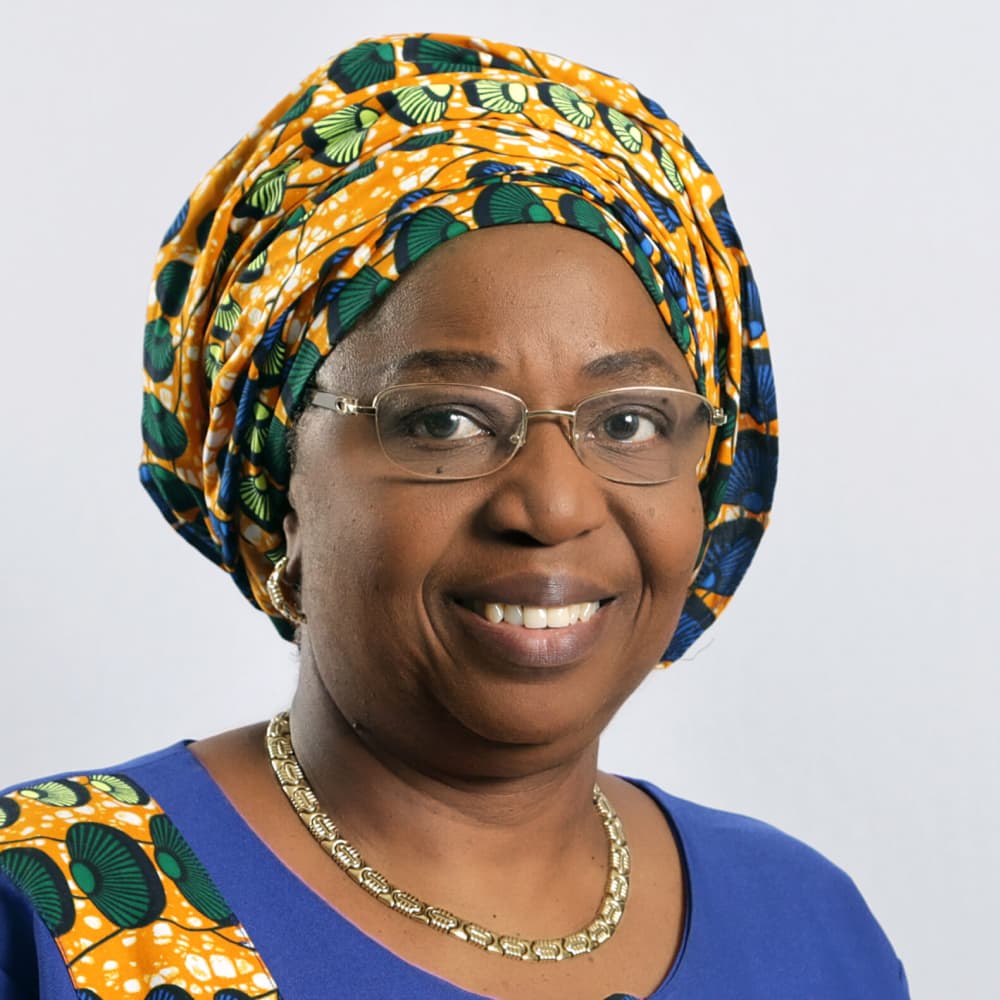
Awa Marie Coll-Seck is a towering figure in African and global public health, currently serving as Chair of the Galien Forum Africa. A former Minister of Health of Senegal and former Executive Director of the Roll Back Malaria Partnership, she has dedicated her distinguished career to fighting infectious diseases and strengthening health systems across the continent.
Her leadership has been pivotal in mobilizing resources and political commitment to combat malaria and other diseases disproportionately affecting African populations. A champion for gender equity in health, she has consistently advocated for policies that address the specific health needs of women and girls. Awa Marie Coll-Seck remains one of Africa’s most respected and influential voices in global health.
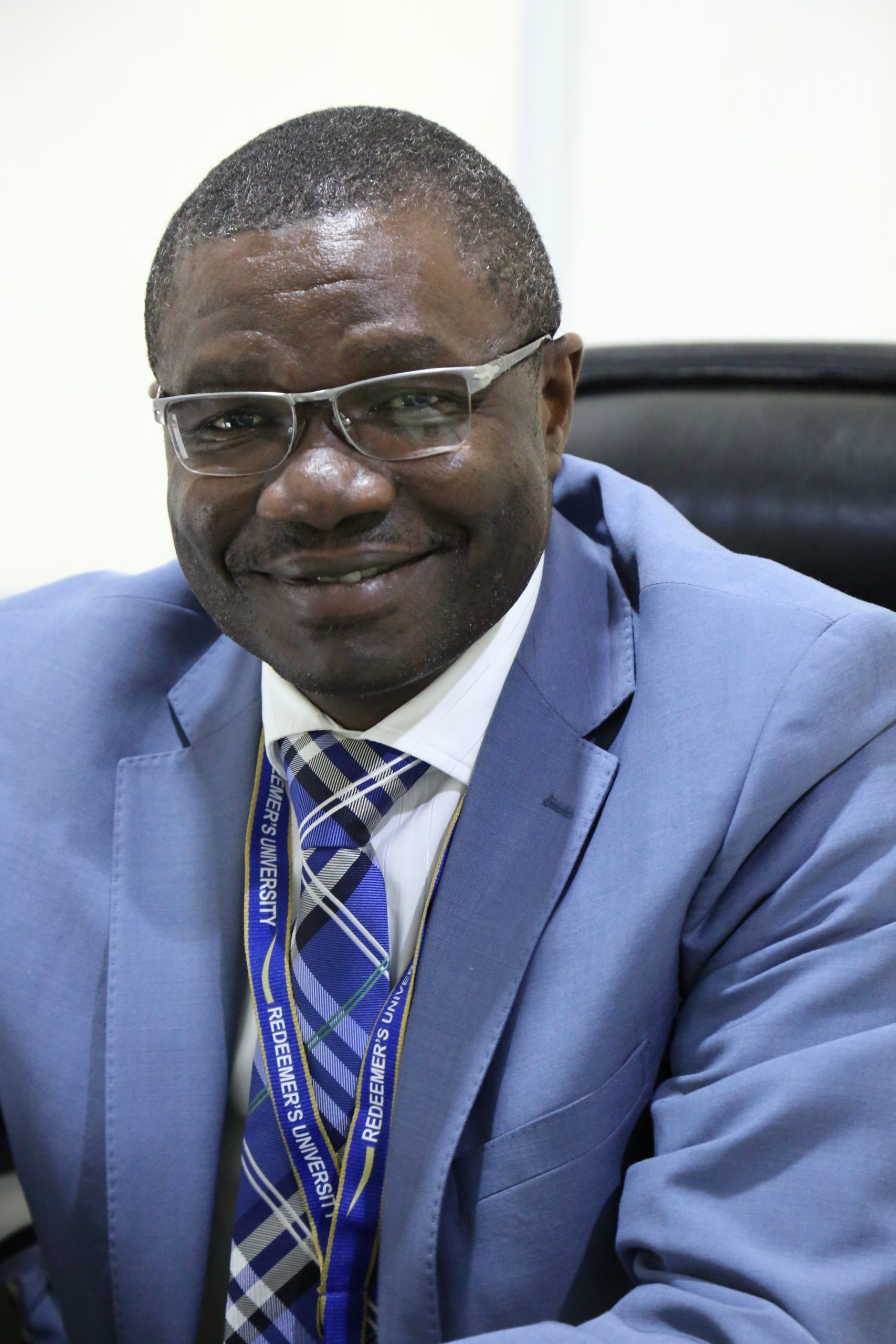
Christian T. Happi is a Professor of Molecular Biology and Genomics and Director of the African Center of Excellence for Genomics of Infectious Diseases (ACEGID) at Redeemer’s University in Nigeria. After completing his postdoctoral training at Harvard University, he returned to Africa to dedicate his career to building scientific capacity among young African researchers.
He became the first African researcher to sequence the SARS-CoV-2 genome on the continent, within 48 hours of receiving a sample from Nigeria’s index case. He also confirmed the first Ebola case in Nigeria within six hours, helping contain the outbreak and saving millions of lives. To date, he has published over 230 peerreviewed articles and trained more than 2,500 young scientists from 53 African countries.
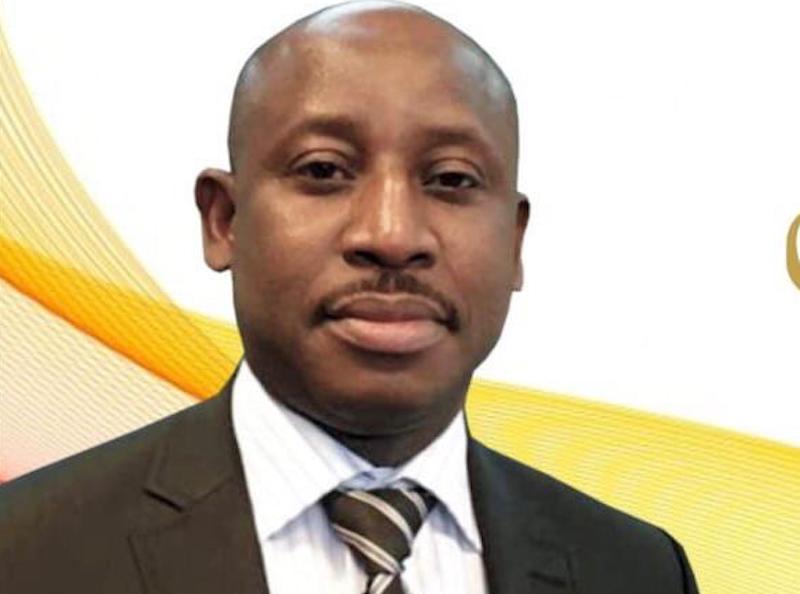
Dr. Clement Meseko is a leading veterinary research officer at the National Veterinary Research Institute in Nigeria, specializing in veterinary virology and zoonotic diseases. A pioneer in One Health research in West Africa, he has conducted groundbreaking studies on avian influenza and other animal origin viruses with pandemic potential.
His work has been instrumental in strengthening Nigeria’s capacity to detect and respond to zoonotic disease outbreaks at the human-animal interface. He collaborates extensively with international research institutions and health organizations to advance surveillance and control of emerging infectious diseases across Africa. His dedication to bridging veterinary and human medicine makes him a critical voice in global pandemic preparedness and One Health policy discussions.
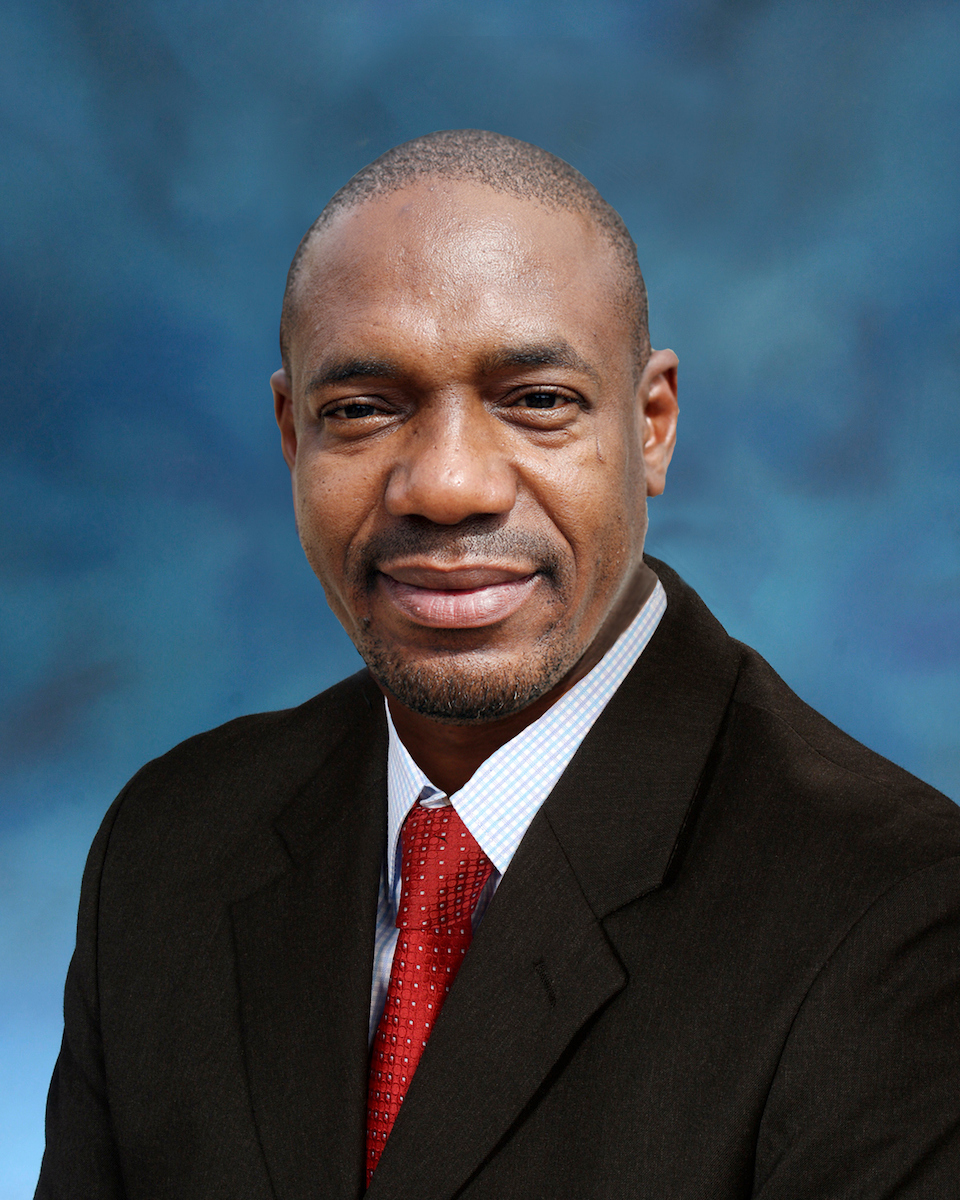
Samba Sow is a leading figure in African public health, serving as Director General of the Center for Vaccine Development in Mali and a former Minister of Health of Mali. A renowned vaccinologist and infectious disease expert, he has dedicated his career to advancing vaccine research and strengthening health systems across West Africa.
His tenure as Minister of Health was marked by significant reforms in Mali’s public health infrastructure and disease prevention programs. Dr. Sow has been instrumental in conducting major vaccine trials on the continent, contributing to the global fight against diseases such as cholera, typhoid, and COVID-19. He remains a powerful voice for African leadership in biomedical research and vaccine equity
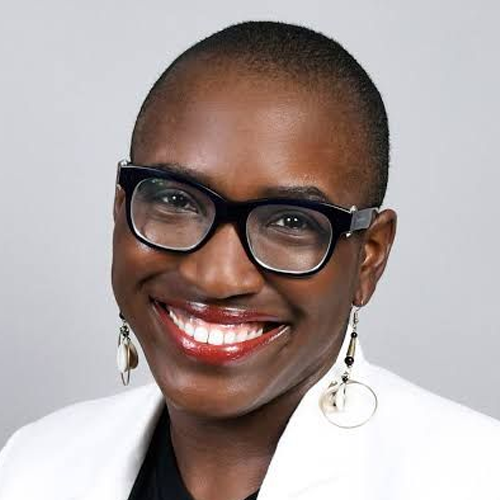
Dr. Neema Kaseje is a trailblazing pediatric surgeon and public health specialist based in Kisumu, Kenya. As a leading member of the Surgical Systems Research Group, she works at the intersection of clinical surgery and health systems research to improve surgical care for children across Africa. Her work focuses on strengthening surgical systems in low-resource settings, ensuring that children receive timely and quality surgical interventions regardless of their socioeconomic background.
A passionate advocate for health equity, Dr. Kaseje combines her surgical expertise with rigorous public health research to influence policy and practice. She is widely recognized as a role model for young African women pursuing careers in surgery and global health leadership.
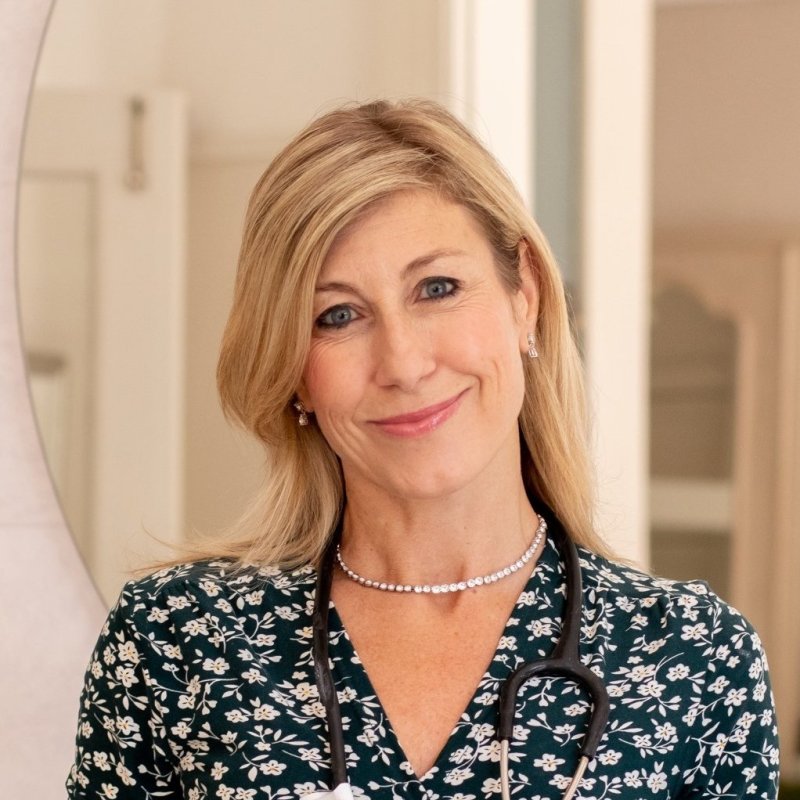
Claudia Gray is a distinguished pediatrician and allergy specialist based in South Africa, with extensive expertise in childhood allergies and immunological conditions. With a career spanning decades of clinical practice, she has become one of the country’s foremost authorities on pediatric allergy and immunology. Deeply committed to improving child health outcomes, she actively contributes to national and international guidelines on allergy prevention and management.
A sought-after speaker and educator, Claudia is passionate about raising awareness of allergic diseases among both medical professionals and the general public. Her dedication to evidence-based medicine and patient-centered care has earned her widespread respect within the South African and broader African medical community.
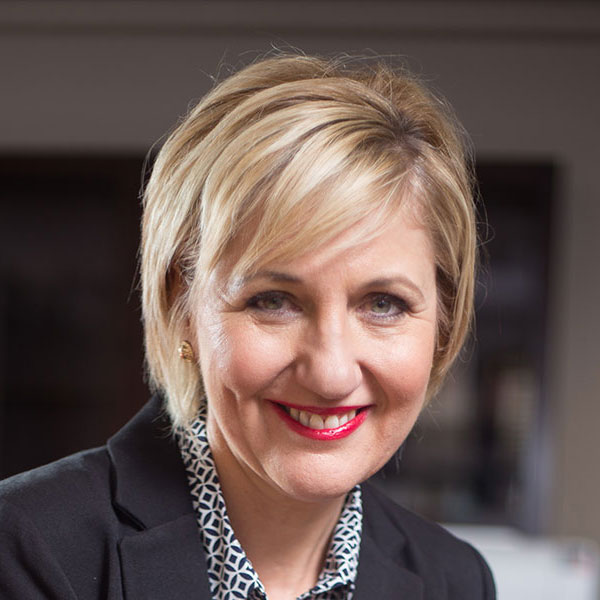
Glenda Gray is one of Africa’s most prominent medical scientists, serving as President and CEO of the South African Medical Research Council. A globally recognized expert in HIV/AIDS research and vaccinology, she has led landmark clinical trials that have transformed the prevention and treatment of HIV, particularly among women and children.
Her pioneering work on mother-to-child transmission of HIV has saved countless lives across the continent. A recipient of numerous international accolades, including the John Dirks Canada Gairdner Global Health Award, Glenda continues to champion science-driven health solutions. She remains a fierce advocate for research investment in Africa and for placing African scientists at the forefront of global health innovation.
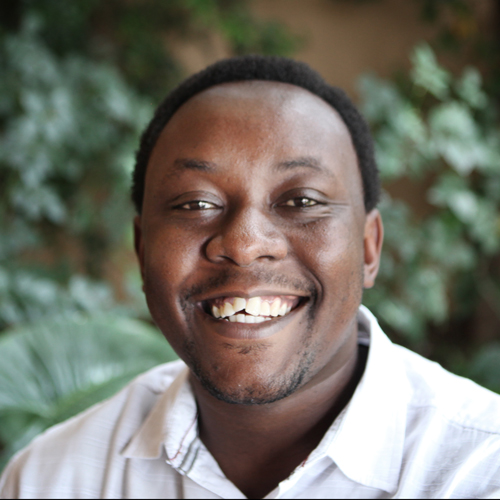
Thumbi Mwangi is a distinguished infectious disease epidemiologist with extensive expertise in zoonotic diseases and global health. Based in South Africa, he has dedicated his career to understanding the complex interplay between human, animal, and environmental health. His groundbreaking research has significantly contributed to the understanding of infectious disease transmission and control across sub-Saharan Africa.
A strong advocate for One Health approaches, Thumbi has collaborated with international institutions to strengthen disease surveillance and response systems on the continent. His work bridges the gap between cutting-edge epidemiological science and practical public health interventions, making him one of Africa’s most respected voices in infectious disease research and policy.
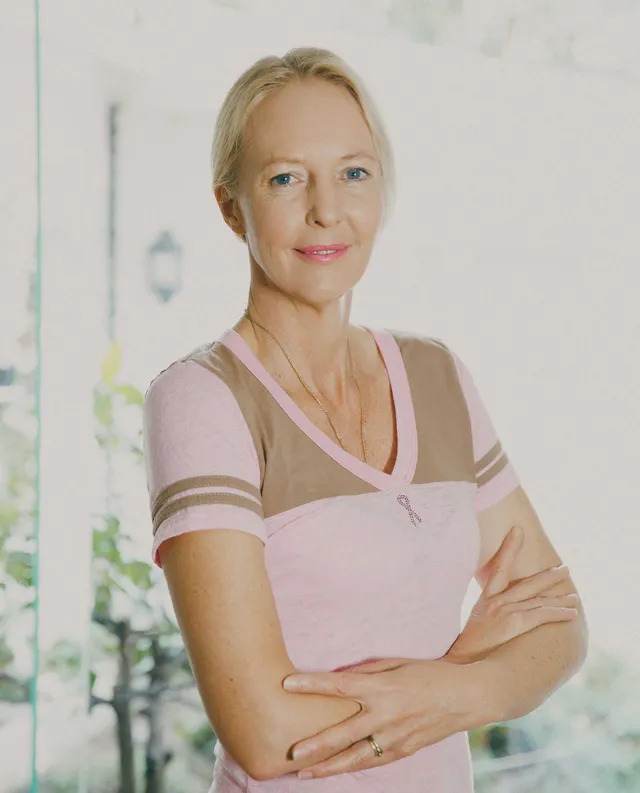
Carol-Ann Benn is a leading surgical oncologist and a Fellow of the College of Surgeons of South Africa. Renowned for her expertise in breast cancer surgery, she has dedicated her career to advancing oncological care across the African continent. A passionate advocate for equitable cancer treatment, she works tirelessly to improve access to quality surgical oncology services in under-resourced settings.
Her contributions span clinical practice, research, and medical education, making her a driving force in shaping cancer care policies across Africa. She is widely recognized for her commitment to training the next generation of African surgeons and ensuring that women across the continent receive world-class oncological care.
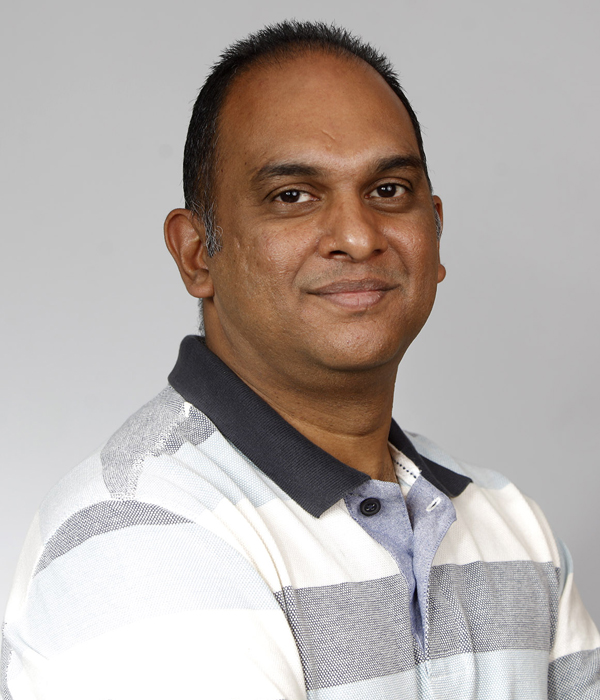
Prof. Vinodh Edward is Group Chief Operating Officer and Executive Director at the Aurum Institute, where he plays a key role in advancing clinical research and health innovation across Africa. With more than 20 years of experience in biotechnology and clinical research, he has led major international trials and helped strengthen research infrastructure across the continent.
Prof. Edward holds a Doctorate of Technology in Biotechnology from the Durban University of Technology and has held multiple leadership roles within the Aurum Institute. His work focuses on building sustainable research platforms, developing laboratory capacity, and fostering partnerships that support African-led health innovation. He is also committed to mentoring emerging scientists and strengthening Africa’s ability to conduct large-scale clinical research and biomedical innovation.
Dr. Russell Rensburg is a South African health activist and policy expert dedicated to improving equitable access to healthcare for rural communities. He serves as Director of the Rural Health Advocacy Project (RHAP), where he leads initiatives that strengthen health systems, promote good governance, and advocate for fair allocation of health resources.
With over 15 years of experience in health systems strengthening, he has contributed to national policy development and served as a commissioner on the South Africa Lancet Commission on Quality Health Systems. He was also part of the ministerial task team responsible for developing the National Human Resources for Health Strategy. His work emphasizes evidence based advocacy and public accountability to ensure that rural communities receive the healthcare services and resources they need.
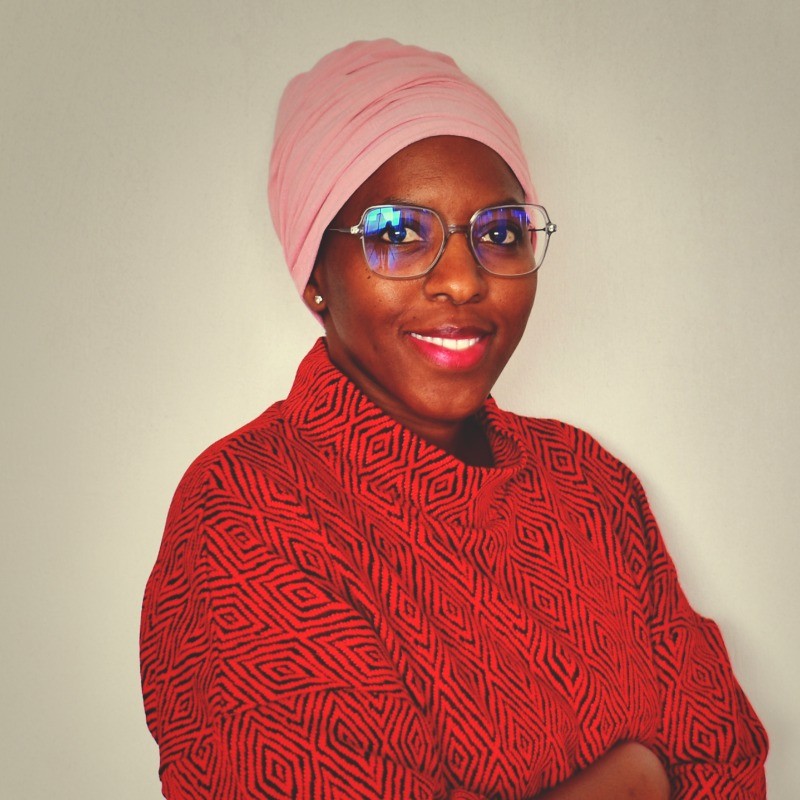
Prof. Nothando Ngwenya is the academic lead at the Africa Health Research Institute (AHRI), where her work focuses on adolescent mental health, resilience, and HIV self-management. She holds a Wellcome Trust Intermediate Fellowship supporting the development of youth-focused psychosocial interventions for young people living with HIV.
Her research examines how cultural, social, and economic contexts influence decision-making, treatment of adherence, and wellbeing among adolescents facing chronic illness. She also holds honorary academic appointments at the University of KwaZulu-Natal and University College London.
At AHRI, Prof. Ngwenya leads an interdisciplinary research group and mentors early-career scientists. Her work combines behavioral science and public health approaches to design interventions that are locally grounded and scalable within African health systems.
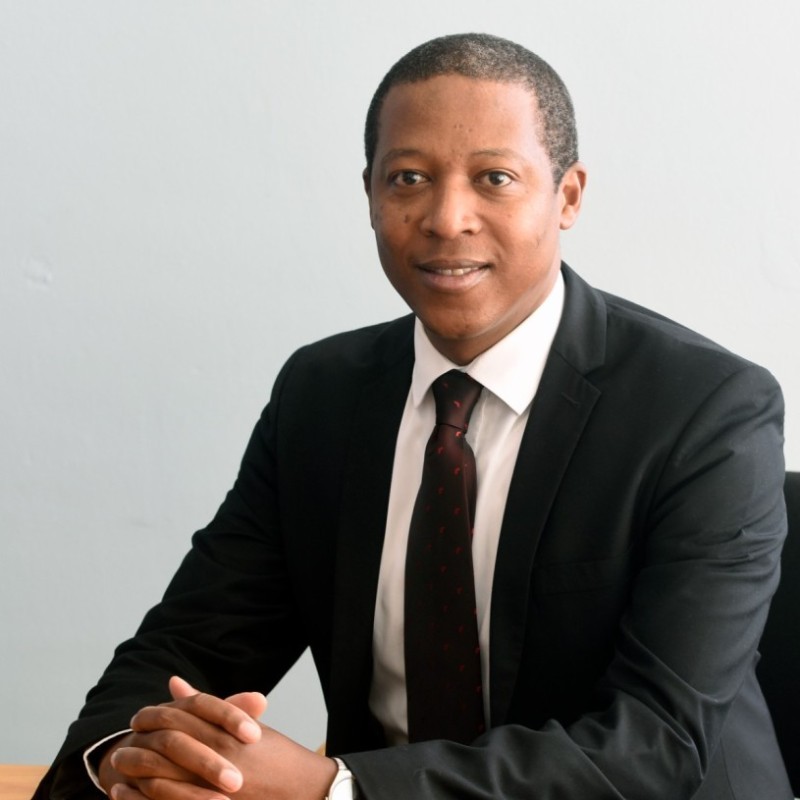
Prof. Ntobeko Ntusi is President and Chief Executive Officer of the South African Medical Research Council (SAMRC) and Professor of Medicine at the University of Cape Town. A cardiologist and physician-scientist, he has made major contributions to understanding cardiovascular disease in Africa, particularly heart failure, cardiomyopathies, hypertension, and HIV associated cardiovascular disease.
Prior to leading the SAMRC, he served as Chair and Head of the Department of Medicine at the University of Cape Town and Groote Schuur Hospital. His research also examines broader global health challenges, including non communicable diseases, climate change, antimicrobial resistance, and the role of artificial intelligence in health. Through his leadership, he is advancing a vision for resilient African health research systems that prioritize equity, innovation, and locally driven scientific solutions.
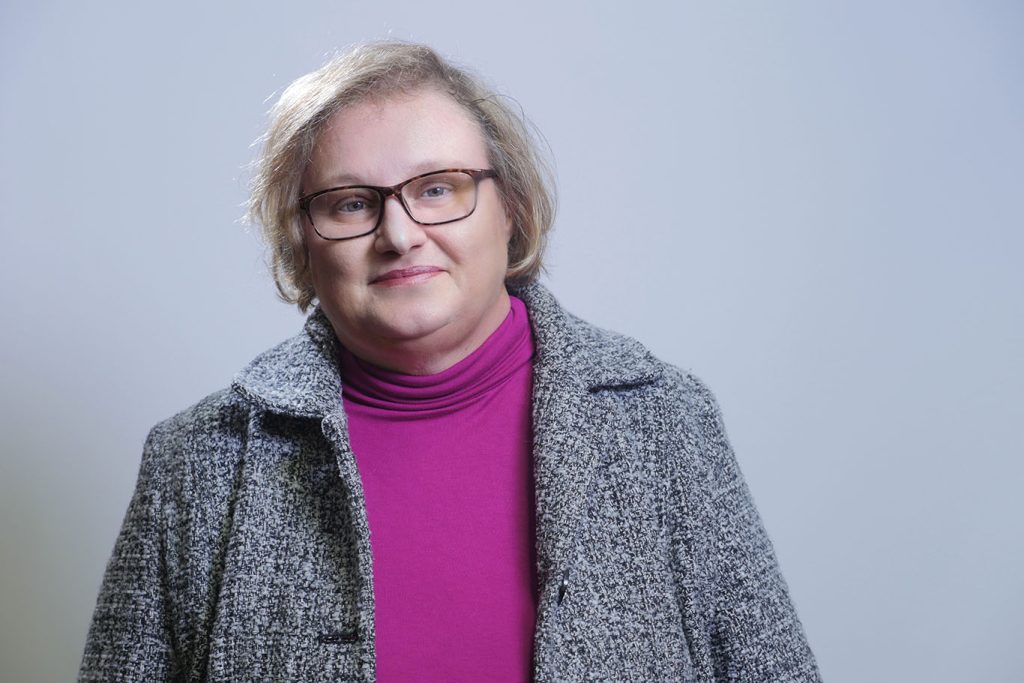
Glaudina Loots is a South African scientist and policy leader serving as Health Innovation Specialist and Project Manager for Health Innovation at the University of Pretoria. She oversees the implementation of the health components of South Africa’s Bioeconomy Strategy, supporting innovation in areas such as drug development, vaccine production, diagnostics, and medical technologies.
Ms. Loots has represented South Africa in numerous international science and health platforms, advocating for stronger African participation in global health innovation systems and equitable access to medicines and medical technologies. She currently serves as Vice-Chair of the Board of the European & Developing Countries Clinical Trials Partnership (EDCTP). A strong advocate for women in science, she supports initiatives that strengthen mentorship, research capacity, and opportunities for young African scientists in STEM.
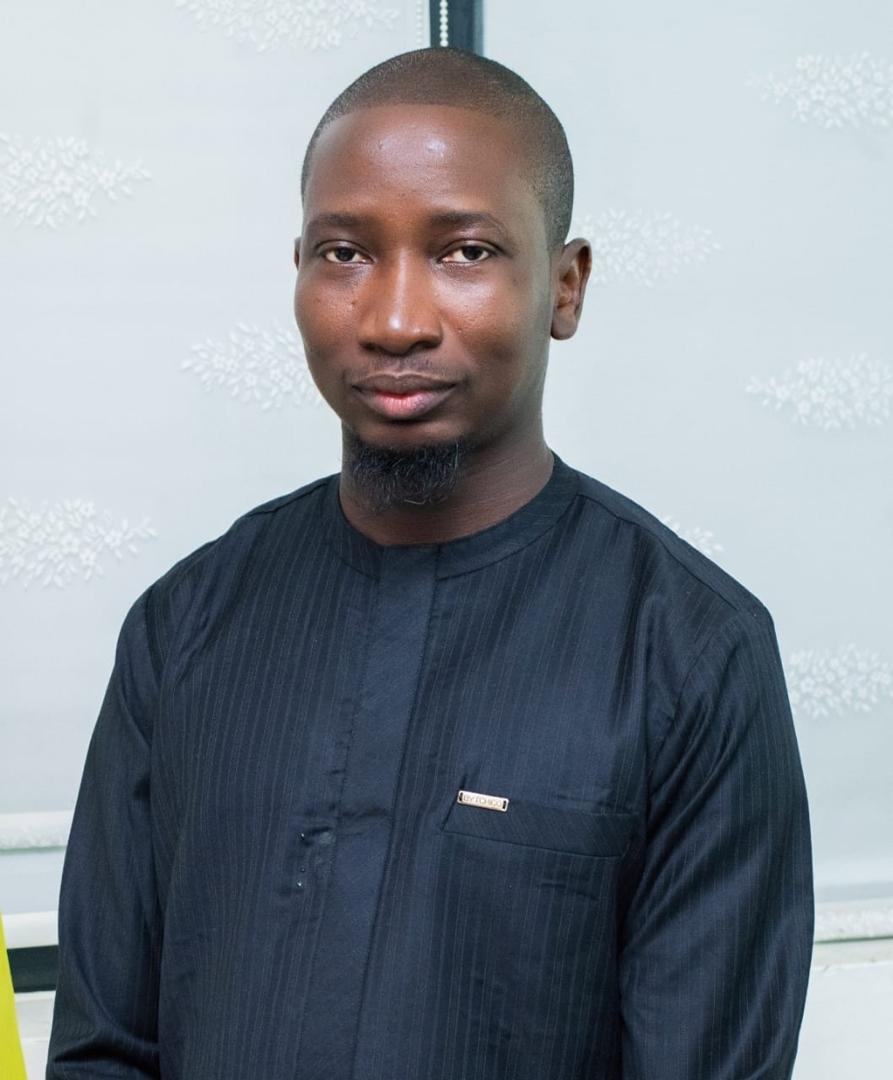
Dr. Babacar Gueye is Director of Planning, Research and Statistics at the Ministry of Health and Social Action of Senegal. He is a medical doctor and public health specialist. He has extensive experience in epidemiology, health program management, and national health policy development.
Before assuming his current role, he served as Director of Disease Control, where he led major national initiatives addressing infectious diseases and strengthening surveillance systems. His work has focused particularly on maternal and child health, reproductive health, malaria control, and national health planning.
Dr. Gueye also represents Senegal in international health forums, contributing to discussions on global health cooperation and sustainable investment in health systems. Through his leadership, he supports evidencebased decision-making and strategic planning that strengthens Senegal’s health sector.
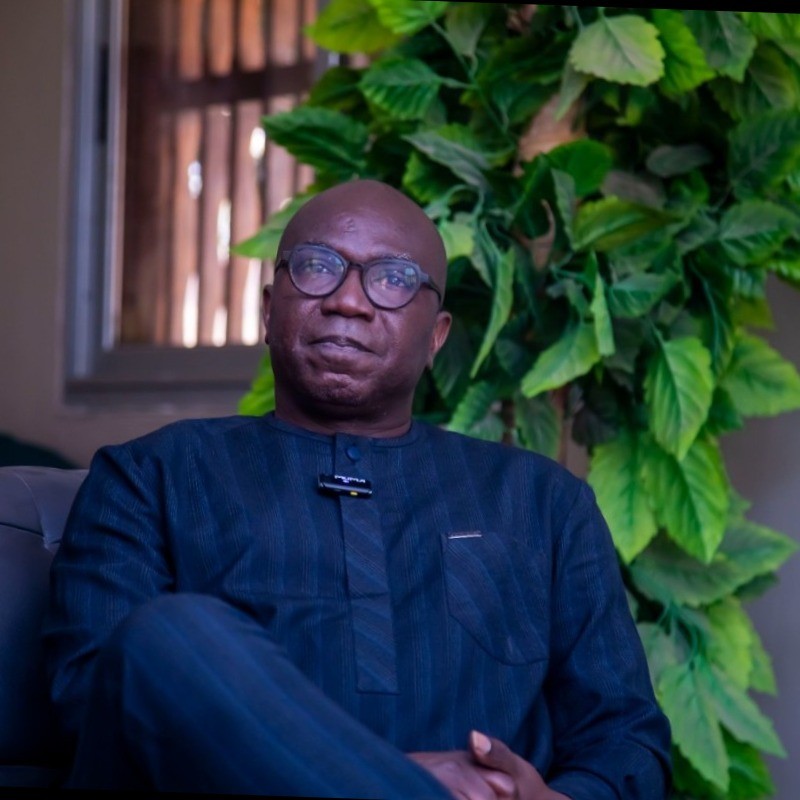
Dr. Moussa Sarr is a Senegalese epidemiologist and public health researcher specializing in infectious disease surveillance and prevention. He serves as Senior Researcher and Head of Business Development and Cooperation at the Institute for Health Research, Epidemiological Surveillance and Training (IRESSEF), where he leads major research initiatives on HIV prevention, tuberculosis, and emerging infectious diseases.
With extensive experience in designing and managing international research collaborations, Dr. Sarr has contributed to strengthening scientific capacity and evidence-based policymaking across Africa. His work focuses on generating locally relevant scientific knowledge that informs national and regional health strategies. He is also recognized for mentoring emerging scientists and building partnerships between research institutions, governments, and international organizations to advance African-led health research and innovation.
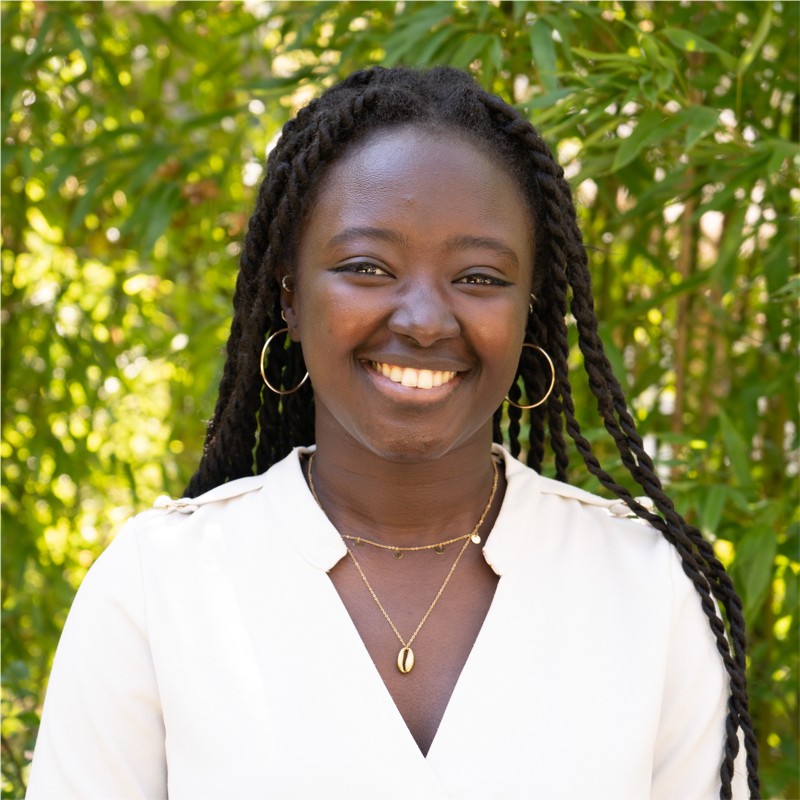
Marième Gueye is a Senegalese researcher specializing in biofabrication and regenerative medicine at the Regenerative Medicine Center Utrecht (RMCU) within University Medical Center Utrecht. Her research focuses on developing advanced 3D bioprinted tissues and organ-on-chip technologies that can support regenerative medicine and personalized treatment approaches.
Working at the intersection of biology, engineering, and clinical science, she contributes to multidisciplinary research aimed at translating laboratory discoveries into medical applications. Her work includes developing biofunctionalized materials and innovative printing techniques to create complex living tissue structures.
Beyond research, Marième is passionate about bridging science, entrepreneurship, and innovation. She is particularly interested in translating scientific discoveries into practical health solutions and exploring opportunities where biotechnology research can support venture building and biomedical innovation.
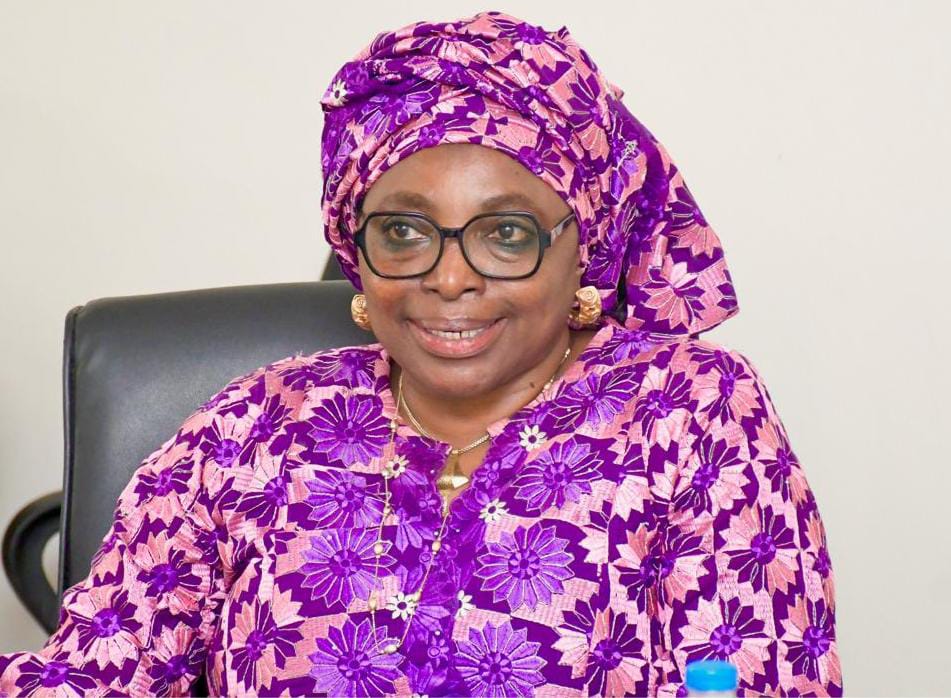
Prof. Ndèye Coumba Touré Kane is a Senegalese biomedical researcher and professor with over 25 years of experience in virology and public health. She earned her Doctor of Medicine at the University of Dakar and trained in virology at the University of Montpellier and the Pasteur Institute in Paris.
A pioneer in molecular HIV surveillance in West Africa, she has advanced HIV viral load monitoring and strengthening diagnostic and surveillance systems across the continent. She currently serves as Scientific Director at the Institute for Health Research, Epidemiological Surveillance and Training (IRESSEF) and Rector of Université du Sine Saloum El-Hâdj Ibrahima Niass (USSEIN). Through her leadership, she contributes to shaping biomedical research, strengthening epidemic preparedness, and mentoring the next generation of African scientists.
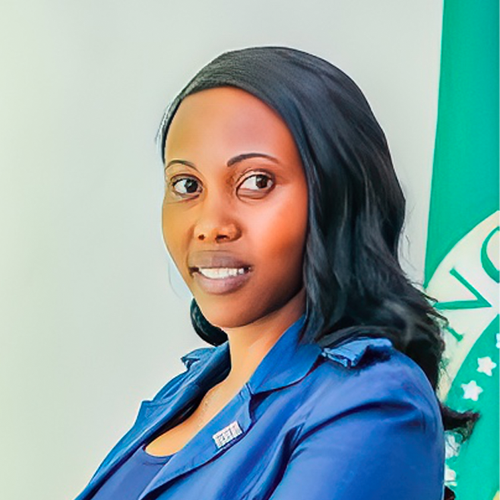
Dr. Lisa Micheni Nkatha is a Kenyan medical microbiologist and academic specializing in tuberculosis research and antimicrobial resistance. She currently serves as a Senior Lecturer at Pwani University, where she contributes to teaching, research, and academic mentorship across programs in medicine, microbiology, nursing, and health sciences.
Her doctoral research focused on detecting multiple Mycobacterium tuberculosis strains and identifying drug resistance patterns, providing critical insights into tuberculosis epidemiology in East Africa. Her work has explored mixed TB infections and the genetic diversity of tuberculosis strains in the region.
Beyond research, Dr. Micheni is actively involved in curriculum development and supervision of postgraduate research, helping strengthen scientific training and research capacity in the region.
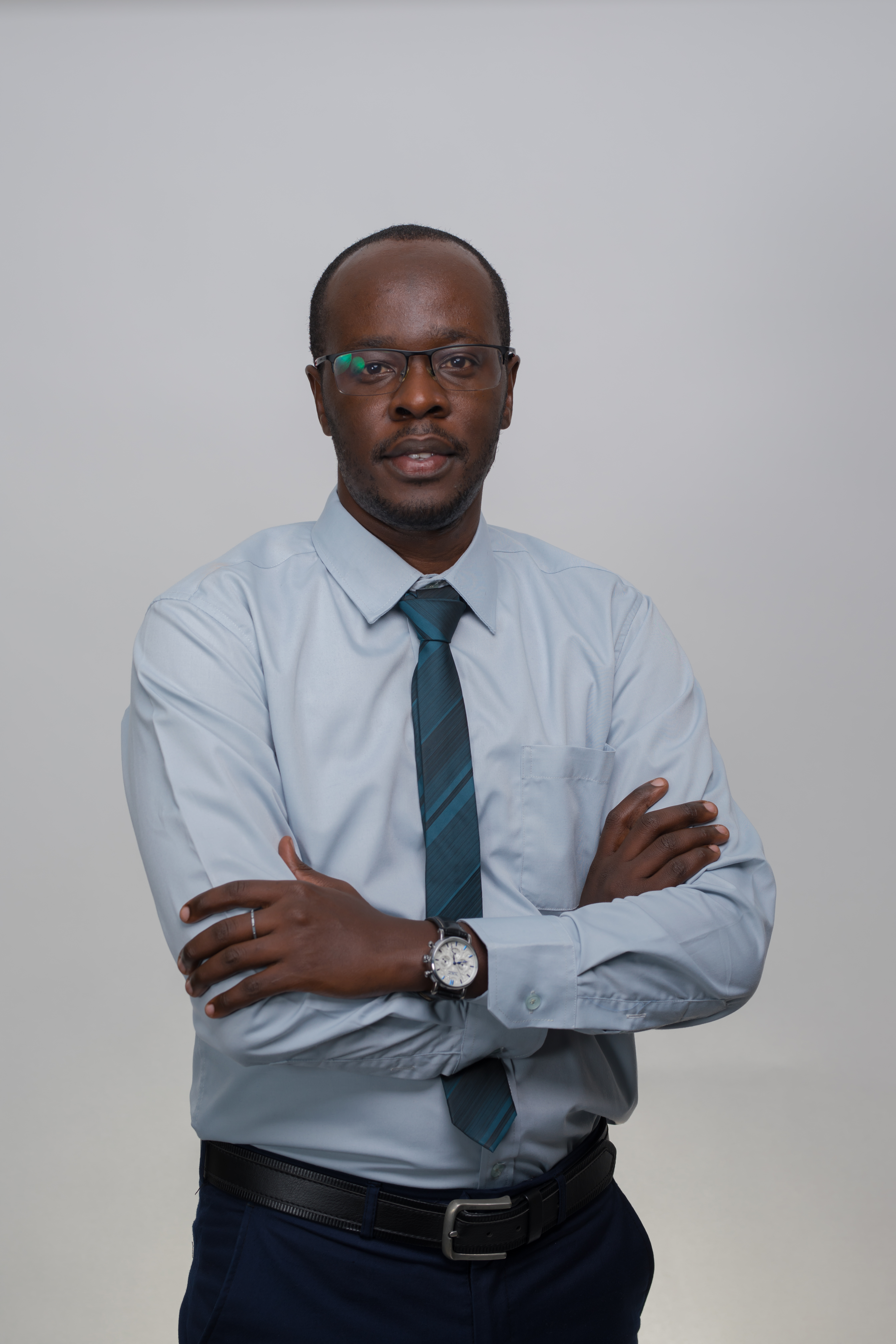
Johnpaul Omollo is a public health professional and policy strategist with extensive experience advancing health research, pharmaceutical systems, and pandemic preparedness policies across Africa. He serves as the Senior Manager for Policy at the Africa Centres for Disease Control and Prevention (Africa CDC), contributing to shaping continental health policy priorities.
His work focuses on strengthening Africa’s capacity for health research and development, local pharmaceutical manufacturing, and regulatory systems. He promotes policies that support self-reliance, equitable access to medicines, and stronger health systems.
Previously, he was the Africa Regional Lead for Research and Development Policy and Advocacy at PATH and held roles in policy and government affairs in the pharmaceutical sector. He also represented civil society organizations in global health platforms, including the World Health Assembly.
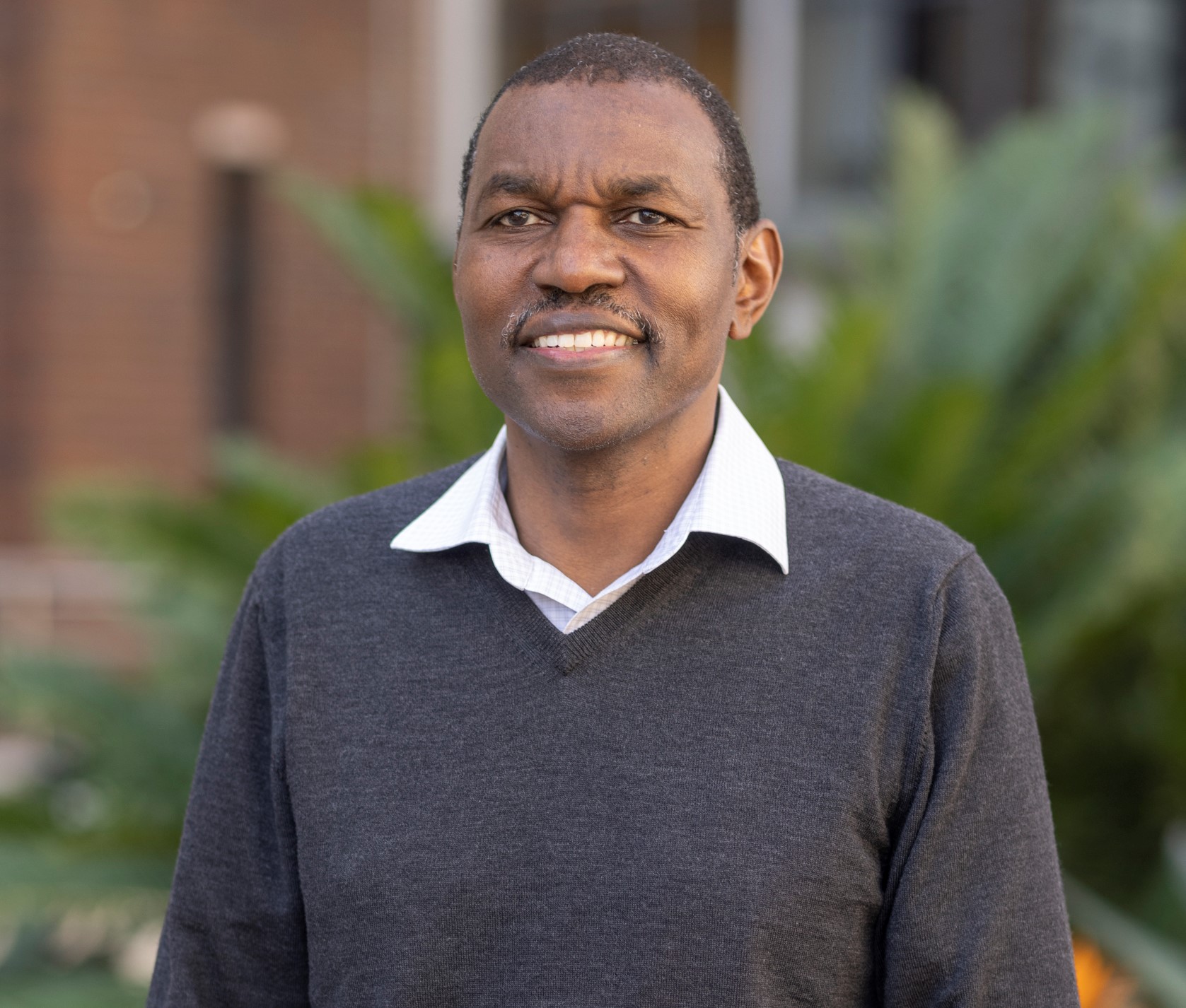
Prof. Thumbi Ndung’u is an internationally recognized immunologist and virologist specializing in HIV pathogenesis, immune responses, and cure strategies. He earned his PhD in Biological Sciences from Harvard University, focusing on molecular virology of HIV-1.
Since 2016, he has served as Director for Basic and Translational Science at the Africa Health Research Institute (AHRI) in South Africa, leading multidisciplinary research on HIV prevention, treatment, and cure. He is also Professor of Infectious Diseases at University College London and holds adjunct and honorary roles at institutions including Harvard T.H. Chan School of Public Health and the University of KwaZulu-Natal. Through his work, he advances global collaboration, clinical research in Africa, and the mentorship of emerging scientists.
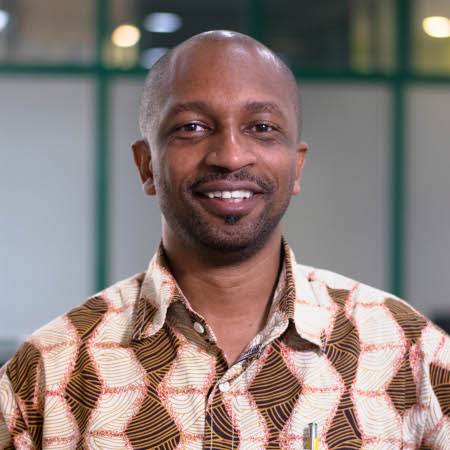
Dr. Robert Karanja is a Kenyan biomedical scientist and social entrepreneur with over 20 years of experience in global health innovation. He holds a PhD in Parasitology and Entomology and previously conducted translational research at the Kenya Medical Research Institute (KEMRI).
In 2015, he co-founded Villgro Africa, an incubator supporting health startups, where he helped catalyze over $18 million in investment and create more than 200 jobs. He currently leads Biolinx Africa and serves as Chair of the International Service for the Acquisition of Agri-biotech Applications (ISAAA) AfriCenter Board. Through his work spanning research, entrepreneurship, and policy, Dr. Karanja advances African-led innovation ecosystems and strengthens local value chains in health technology and life sciences.
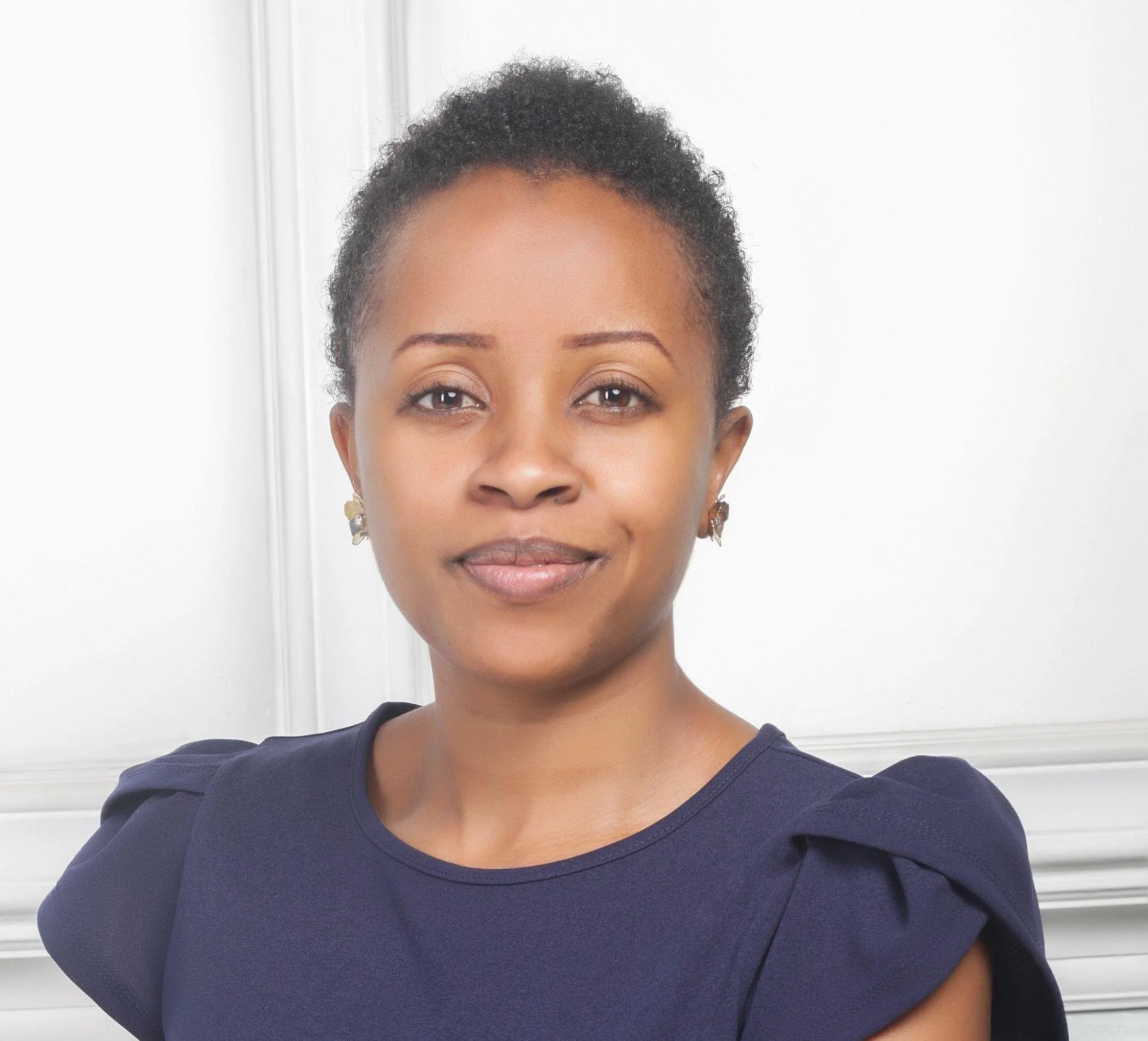
Julie Muriuki is a Kenyan leadership and gender inclusion expert with over a decade of experience designing and facilitating programs that strengthen leadership capacity across Africa. She currently works with Nia Delta, a consulting firm supporting organizations to drive transformational change. Julie is also the founder of Thelela Consulting and a founding member of the Harambe Entrepreneur Alliance.
Her career spans Dalberg Global Development Advisors, the Africa Center for Open Governance, Raising Voices, UNDP, and the Senator Walter Rand Institute for Public Affairs. She has contributed to initiatives like USAID’s YALI, training emerging leaders through human-centered design that empower youth and women. Julie holds a Master of Public Administration from Rutgers University and a Bachelor of Social Science from the University of Maryland.
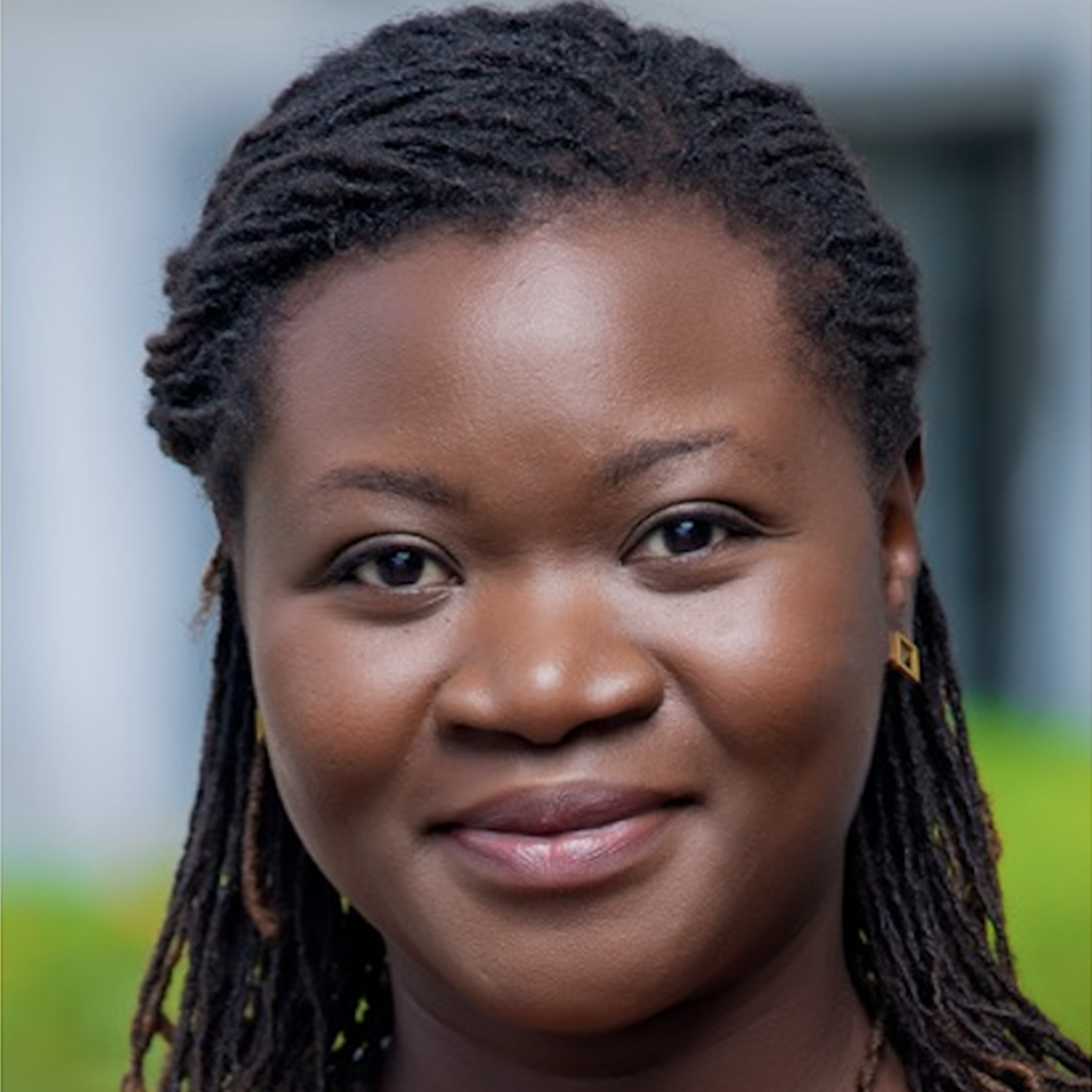
Dr. Safiatou Coulibaly is a molecular biologist and cancer genetics researcher committed to advancing precision medicine and reducing health inequalities in Africa. She currently coordinates the Genetics and Cancer Laboratory at the Institut Pasteur in Côte d’Ivoire, where she works to expand access to genetic testing and targeted cancer therapies. Her research explores genetic and biological factors influencing cancers such as colorectal, prostate, and breast cancer.
Earlier in her career, she contributed to molecular oncology research at the French National Centre for Scientific Research (CNRS) in Strasbourg, focusing on genetic strategies to enhance cancer treatment responses. With a multidisciplinary background that also includes social work, Dr. Coulibaly advocates for greater representation of African scientists and improved research resources in Francophone Africa.
Prof. Jaurès Cedric Yapi is a medical microbiologist and public health specialist whose work focuses on infectious diseases, antimicrobial resistance, and molecular epidemiology. He currently serves as Program Consultant at Longchamp Laboratory and as Deputy Head of the Microbiology Unit at Clinique Pasteur in Côte d’Ivoire. In these roles, he contributes to strengthening laboratory diagnostics, research capacity, and health system resilience.
From 2020 to 2024, he represented Côte d’Ivoire as a Young Ambassador for the American Society for Microbiology, supporting global collaboration and scientific exchange among microbiologists. His research and advocacy emphasize the role of laboratory science in protecting public health. Through training, diagnostics, and research initiatives, Prof. Yapi works to improve disease surveillance and strengthen microbiology capacity in West Africa.
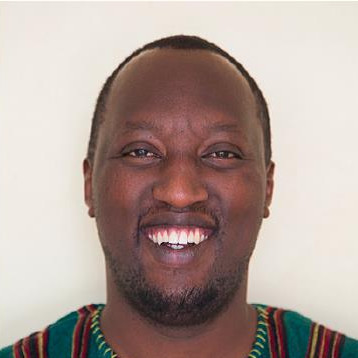
Dr. Christian Rusangwa is a physician and global health leader specializing in strengthening health systems in low-resource settings. He serves as Director of Technical Assistance at Muso, leading initiatives to expand access to high-quality healthcare at national scale in several countries across West Africa. His work focuses on strengthening primary care systems, integrating mental health services, and advocating for the recognition and support of community health workers.
Previously, Dr. Rusangwa served as Deputy Chief Medical Officer at Partners in Health Rwanda, overseeing chronic care and health system programs supporting over one million people. He also led the Cancer Center of Excellence at Butaro District Hospital. Through partnerships with governments and global institutions, he promotes scalable, evidence-based health solutions across Africa.
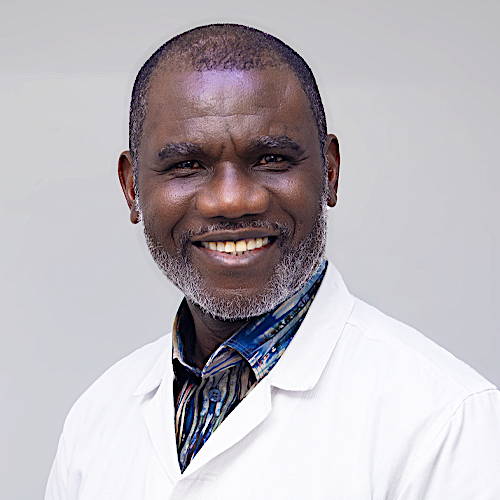
Dr. David Téa Okou is the first Ivorian clinical molecular geneticist. He is focused on applying molecular biology to health innovation in Africa. After studying in Côte d’Ivoire, he earned a PhD in Biochemistry in the United States. His research gained prominence at Emory University, where he investigated genetic variations affecting disease susceptibility.
In 2007, he developed a novel DNA capture method using microarrays, improving the speed and cost of identifying human genetic variations. In 2022, he returned to Côte d’Ivoire to establish genomic medicine in the country. He advocates for bridging the “genomic diversity gap,” emphasizing the importance of African populations in global medical research. He is currently developing molecular diagnostic and screening tools to improve disease prevention and healthcare outcomes across West Africa.
When women and girls see themselves reflected in leadership and excellence, the path toward inclusive progress becomes clearer. I’m honored to be part of this movement for lasting change.
Through initiatives like ESPEN, we see the power of partnership and evidence-based action driving us closer to the elimination of neglected tropical diseases.
This recognition underscores the essential role of the media as a catalyst for change, a powerful tool to raise awareness, mobilize, and accelerate progress toward our Sustainable Development Goals.
Dr. Raymonde Goudou Coffie served as Minister Governor of the Autonomous District of the Lakes in Côte d’Ivoire. From 2011 to 2021, she held key government roles, including Minister of Health and Public Hygiene, Minister of Family, Women and Children, and Minister for the Modernization of Administration and Public Service Innovation.
During the West African Ebola outbreak, her leadership helped safeguard Côte d’Ivoire while strengthening disease prevention and increasing the utilization of public and private health facilities. She also contributed to national efforts to control and reduce poliomyelitis. Internationally, she served on the boards of the Roll Back Malaria Partnership and Global Alliance for Vaccines and Immunization (GAVI). A long-standing advocate for women’s empowerment, she champions gender equality, health system resilience, and inclusive governance across national and international platforms.
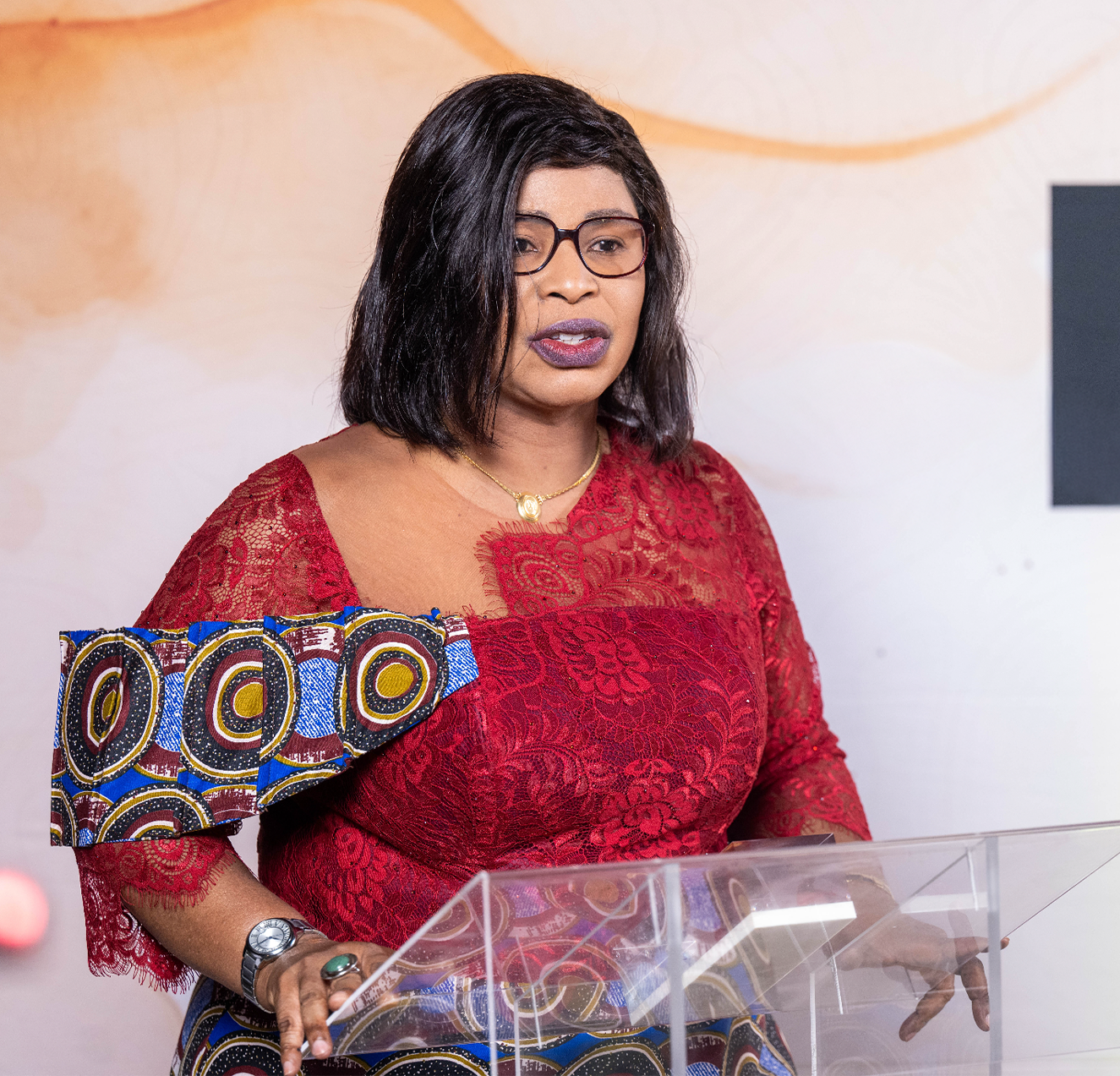
I firmly believe that including women in decision-making processes is crucial: their participation strengthens governance, amplifies the impact of health and development policies, and accelerates the achievement of the African Union’s Agenda 2063 goals.
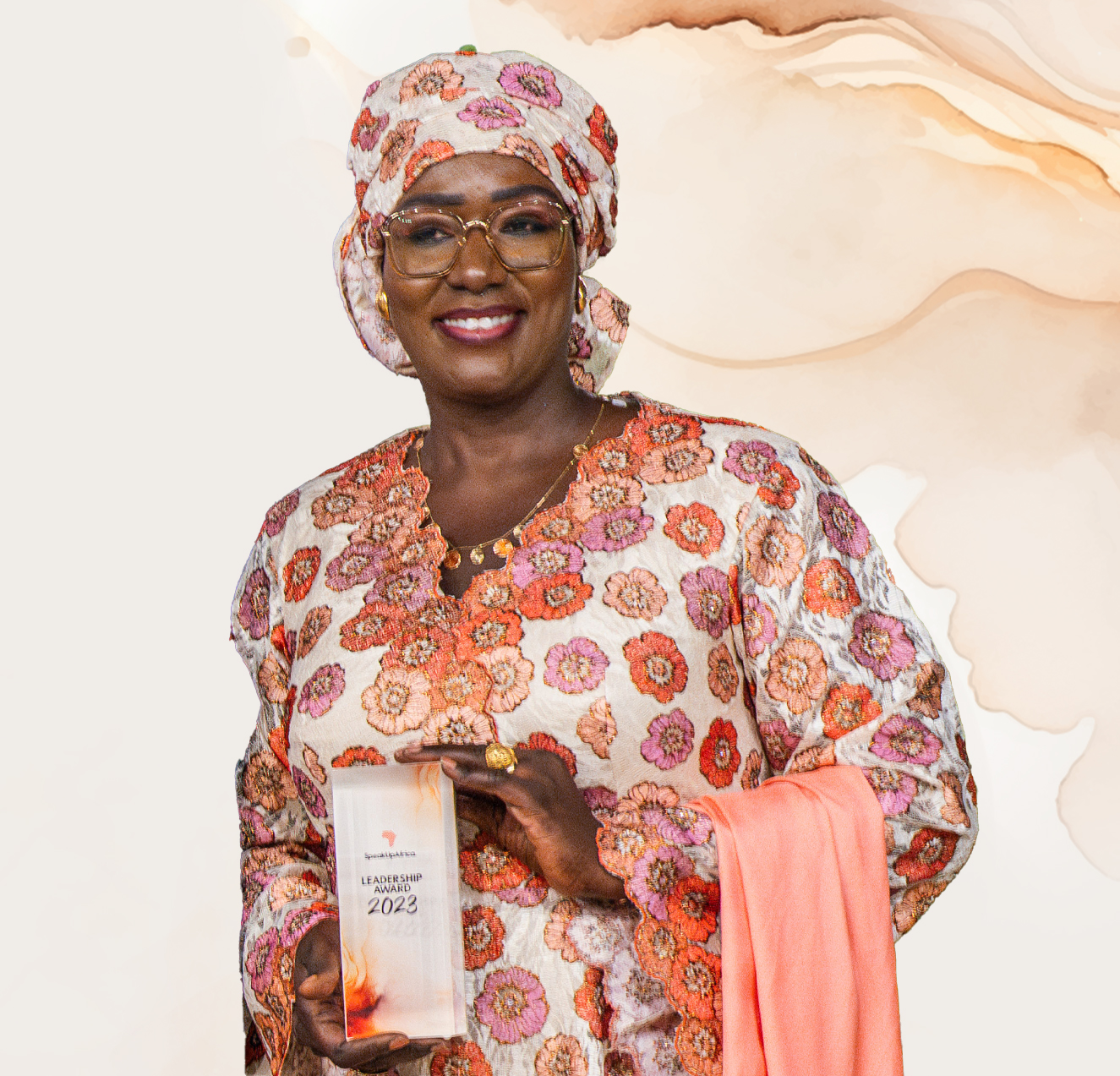
Je remercie chaleureusement Speak up Africa de m’avoir fait cet honneur et dédie cette distinction à toutes les femmes et en particulier à celles évoluant dans le domaine des technologies de l’information.
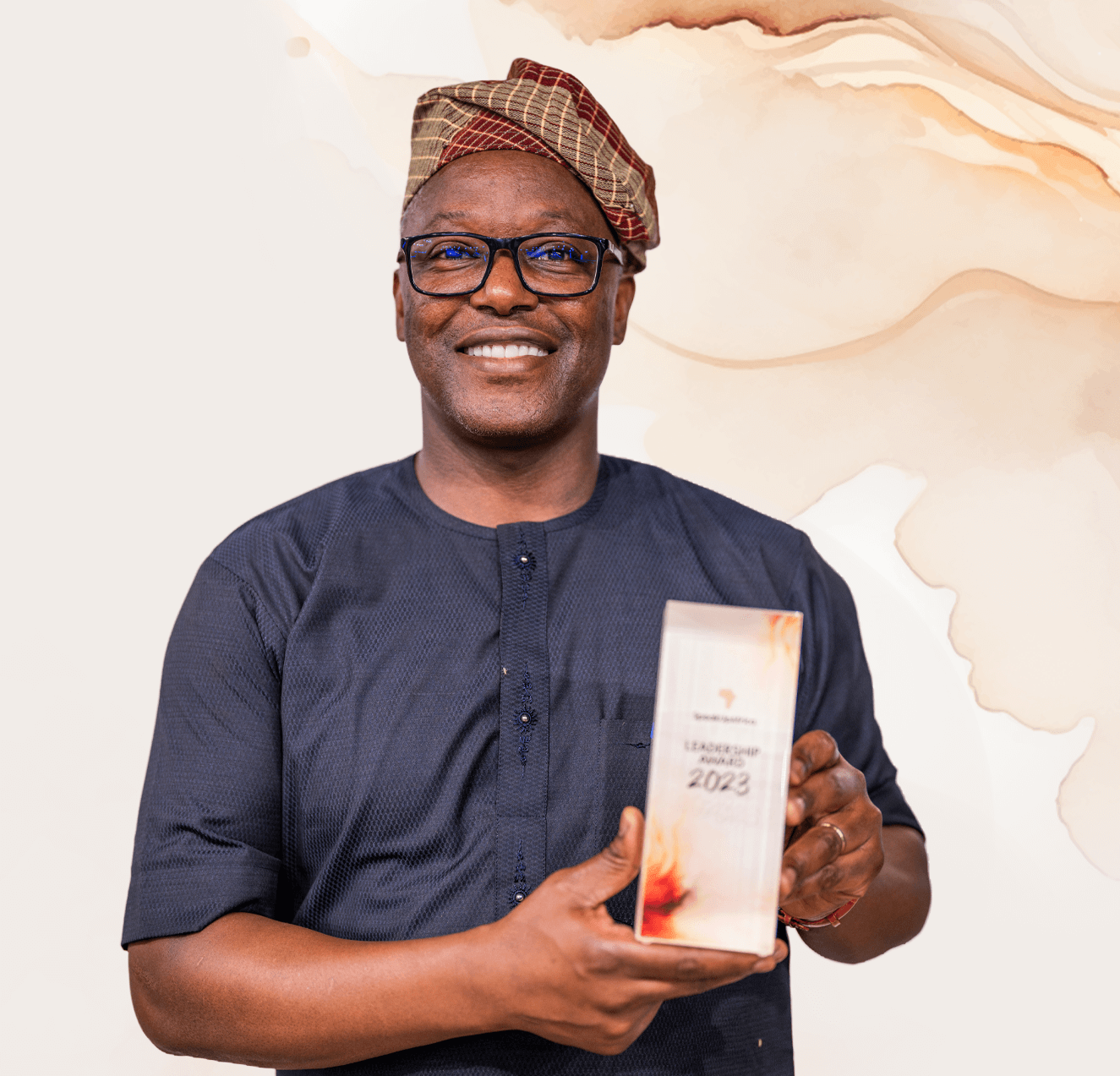
It is an honor for me to receive the Speak Up Africa Leadership Award. We are facing new challenges in the fight against malaria, such as climate change or drug and insecticide resistance, which is why the RBM Partnership is doubling its efforts to bring together stakeholders in the fight against malaria to energize and pool our common efforts to end this disease.
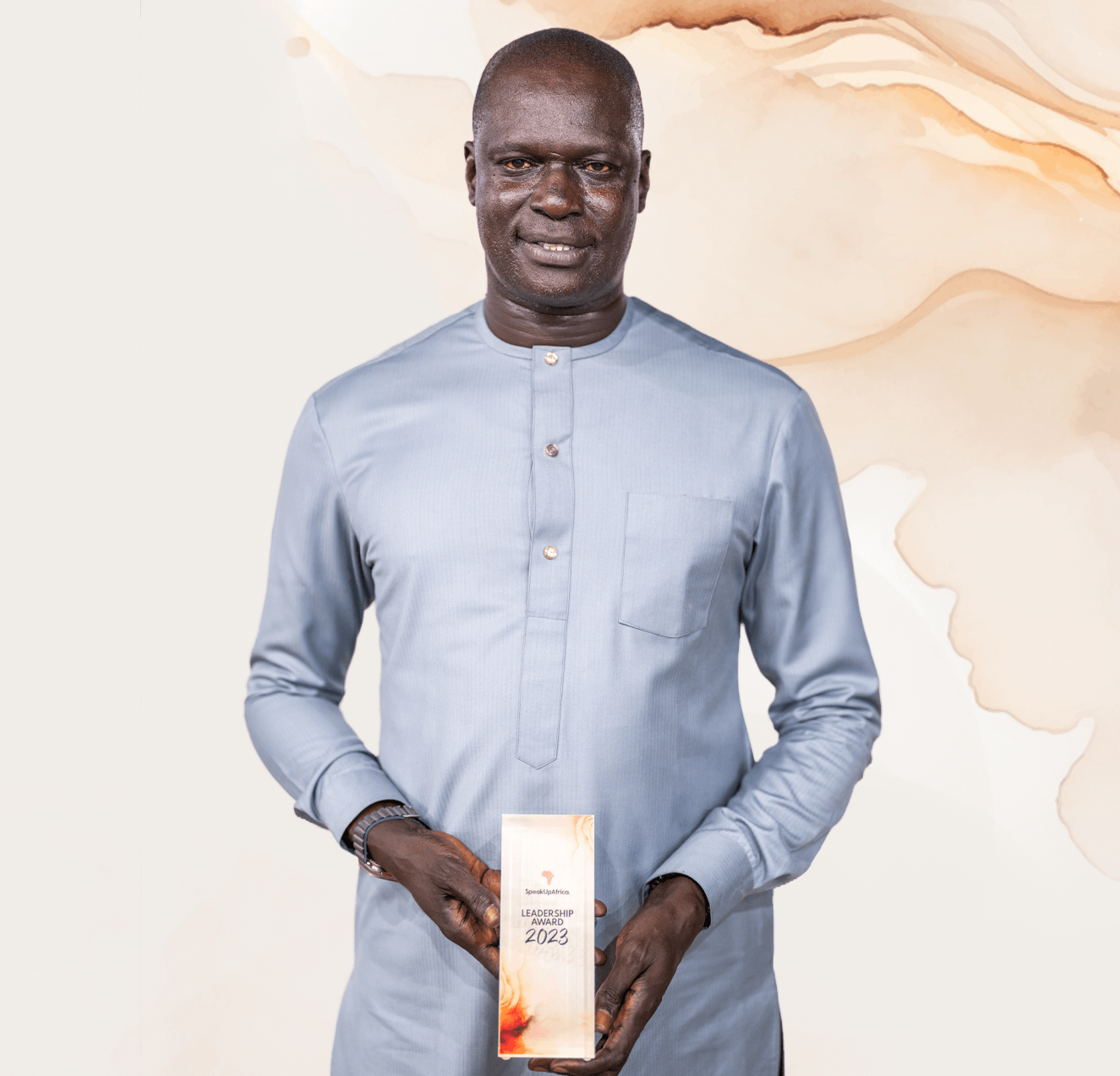
We are honoured to receive the Speak Up Africa Leadership Award for the tremendous team work towards social responsibility initiatives across Africa. Together with Speak Up Africa, we will continue our efforts to advance gender equity, for a more inclusive, and dynamic sports community.
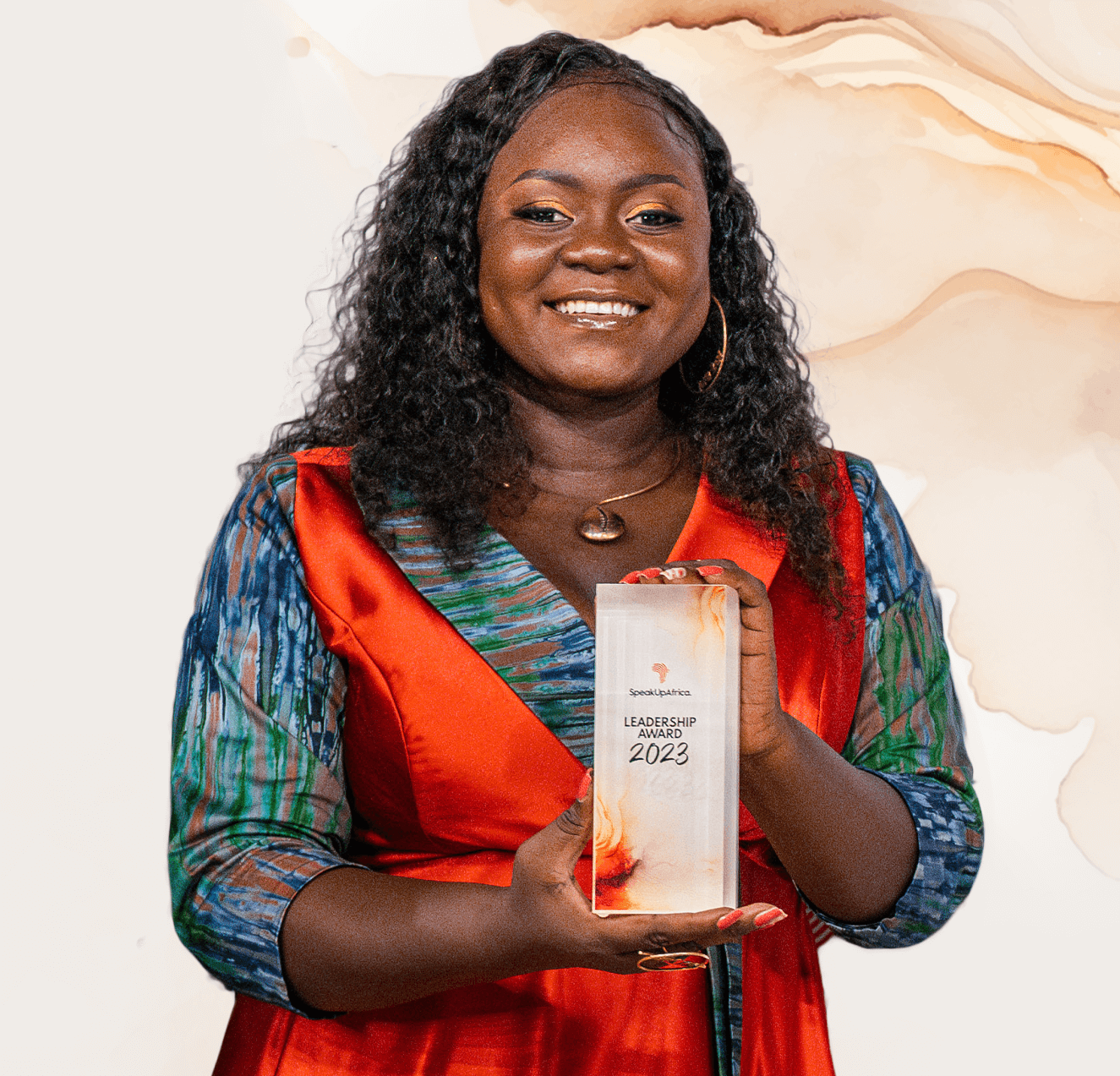
I am delighted to be part of a movement and a regional initiative that aims to magnify the place of women in decision-making bodies, as a young Burkinabé, it is an immense honor to receive this recognition which motivates me all the more to bring about transformational changes.
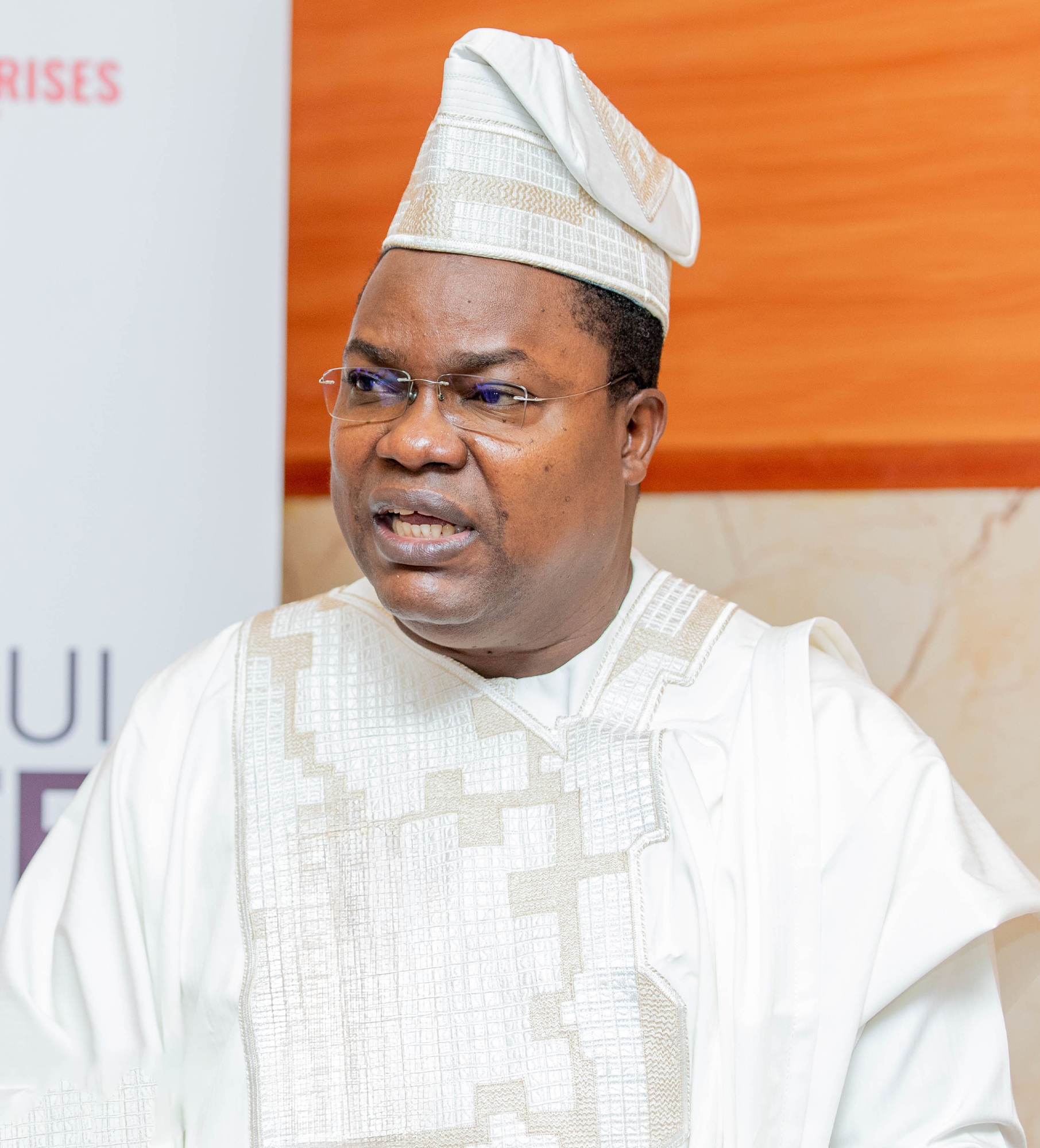
Fighting malaria requires an unwavering commitment from everyone. The Speak Up Africa Leadership Award reinforces my conviction that we must continue our efforts until every parent can see their children grow up without fear of malaria, a disease that is completely preventable and treatable.
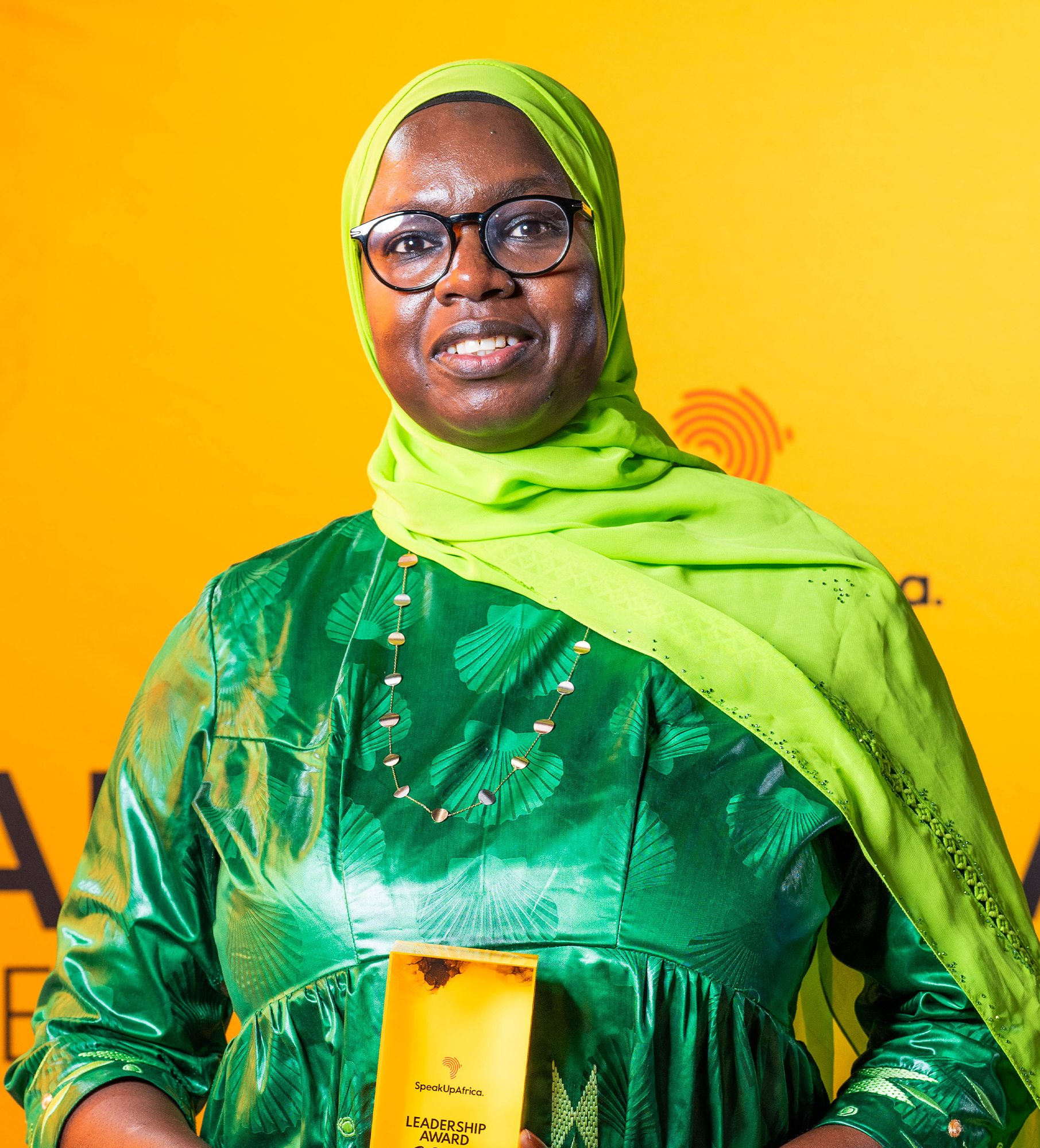
It is an honor to receive the Speak Up Africa Leadership Award, as it reinforces the importance of an integrated approach to eliminating neglected tropical diseases and malaria.
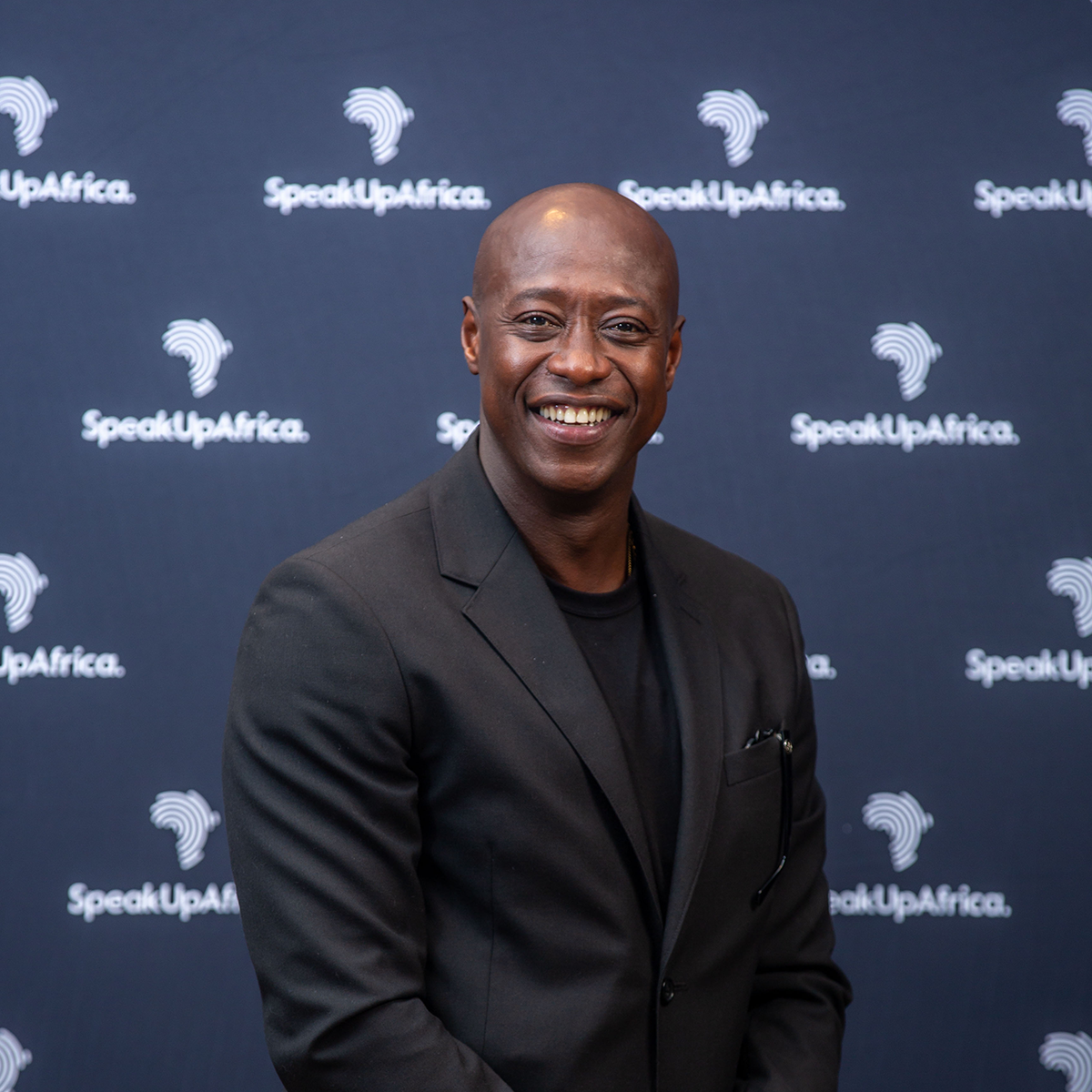
For me, Speak Up Africa is the number 10 in public health on the continent. Strategic and central to the game of sustainable development, this organization is a source of pride and success.
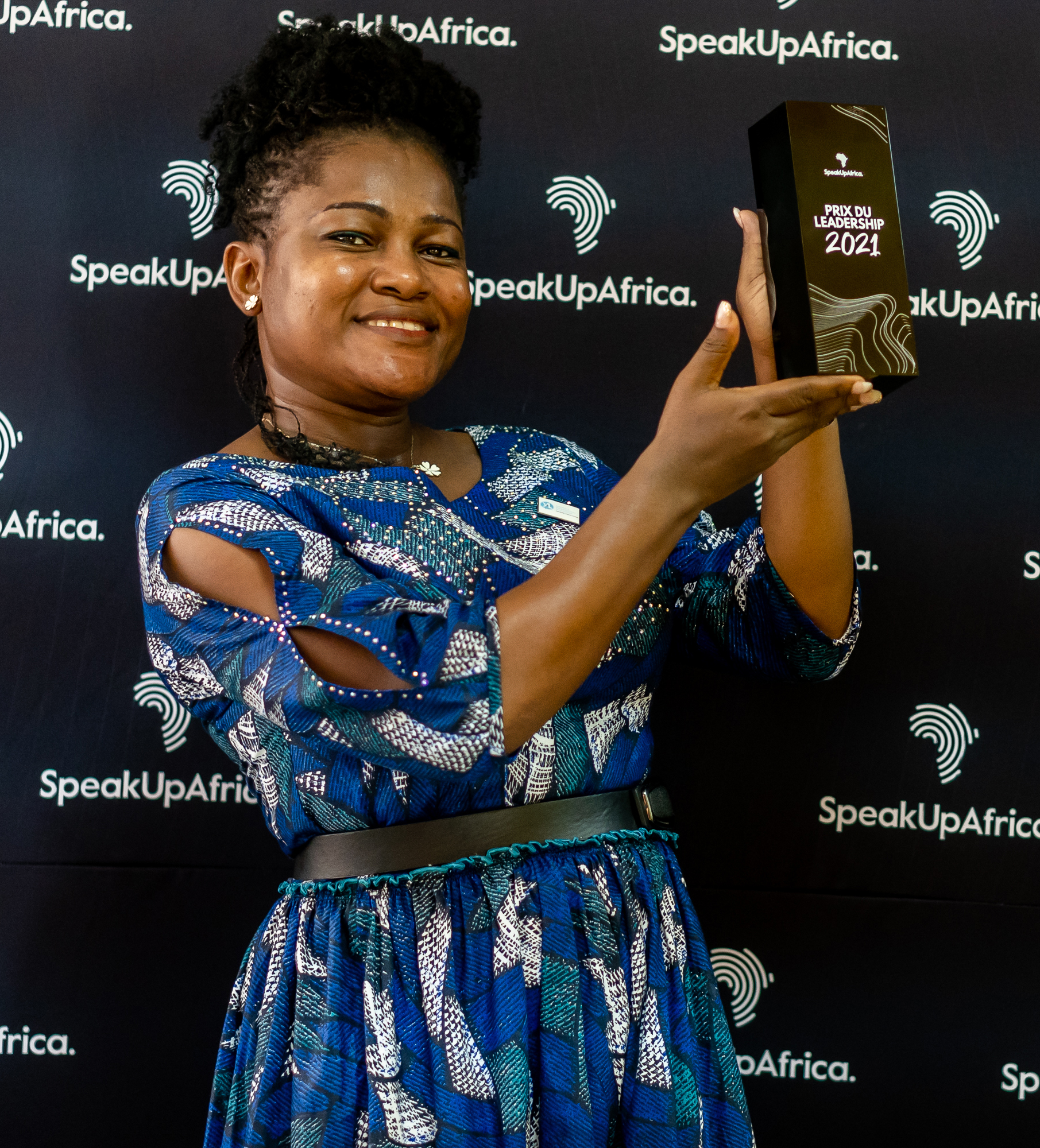
Africa’s civil society organizations are filled with very dynamic young people who are powerful agents of change, and I am proud of the Via Me Association’s role alongside other CSOs partners in raising their voices.
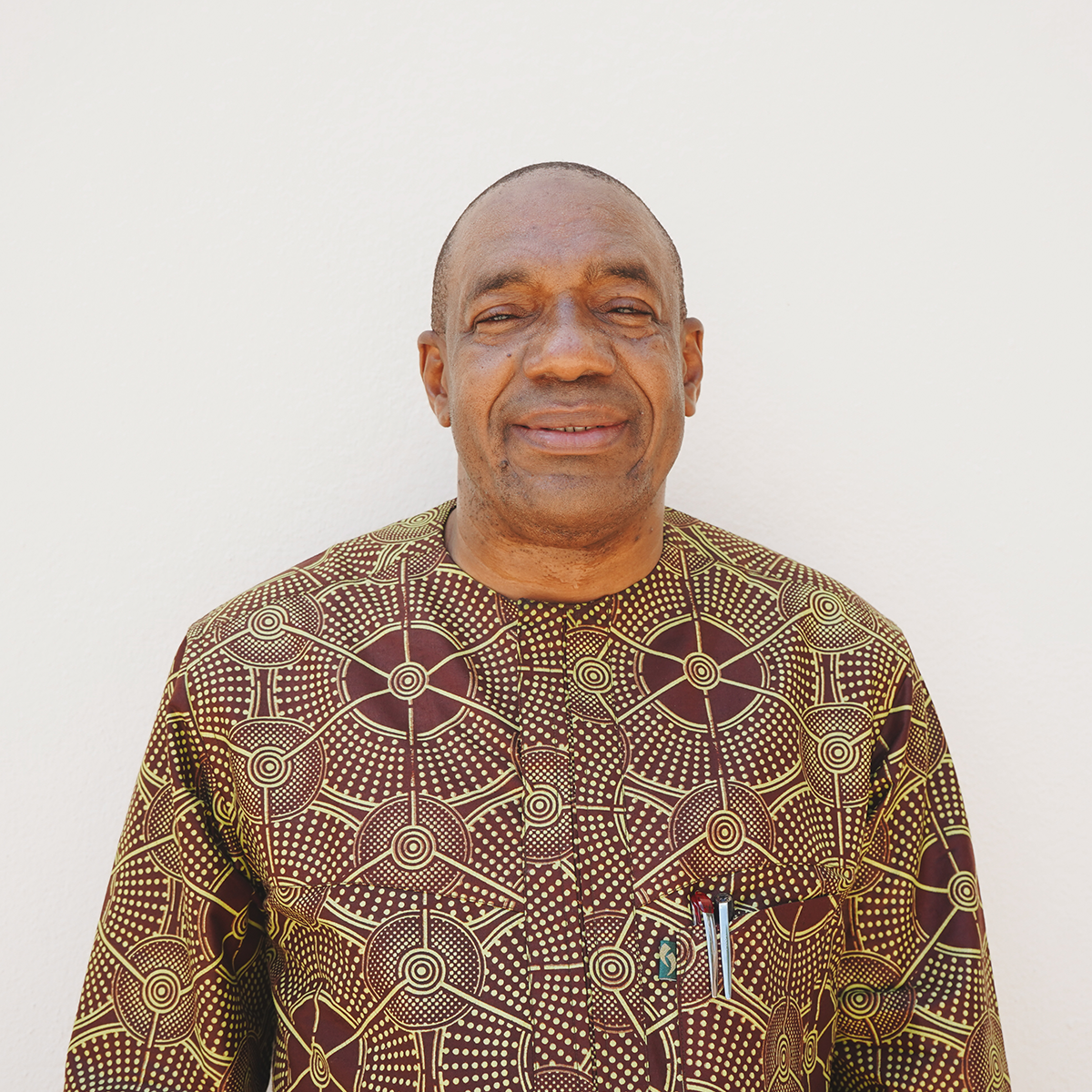
The COVID-19 pandemic has shown us that the only way that we can address most of our health issues globally is through collaboration and equal partnerships. I am thrilled to work with organizations such as Speak Up Africa and use my expertise to educate Africans on how to prevent and treat infectious disease.
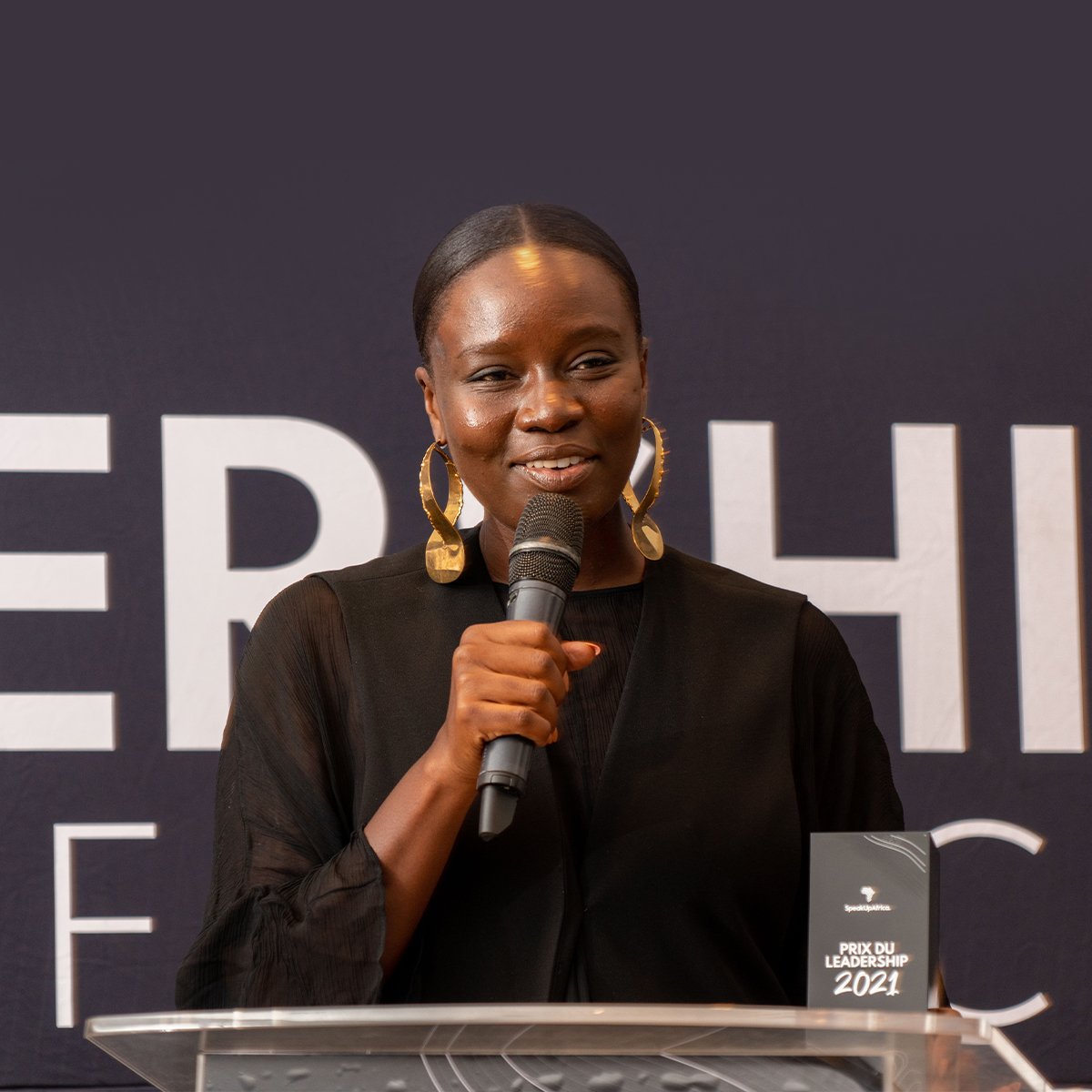
I’ve worked with and dressed many inspiring and strong women throughout my career, and it’s a pleasure to do so in support of the Generation Equality Forum. Through this show, and the other activities taking place across Africa, we strive to improve gender equality and craft the continent’s future.
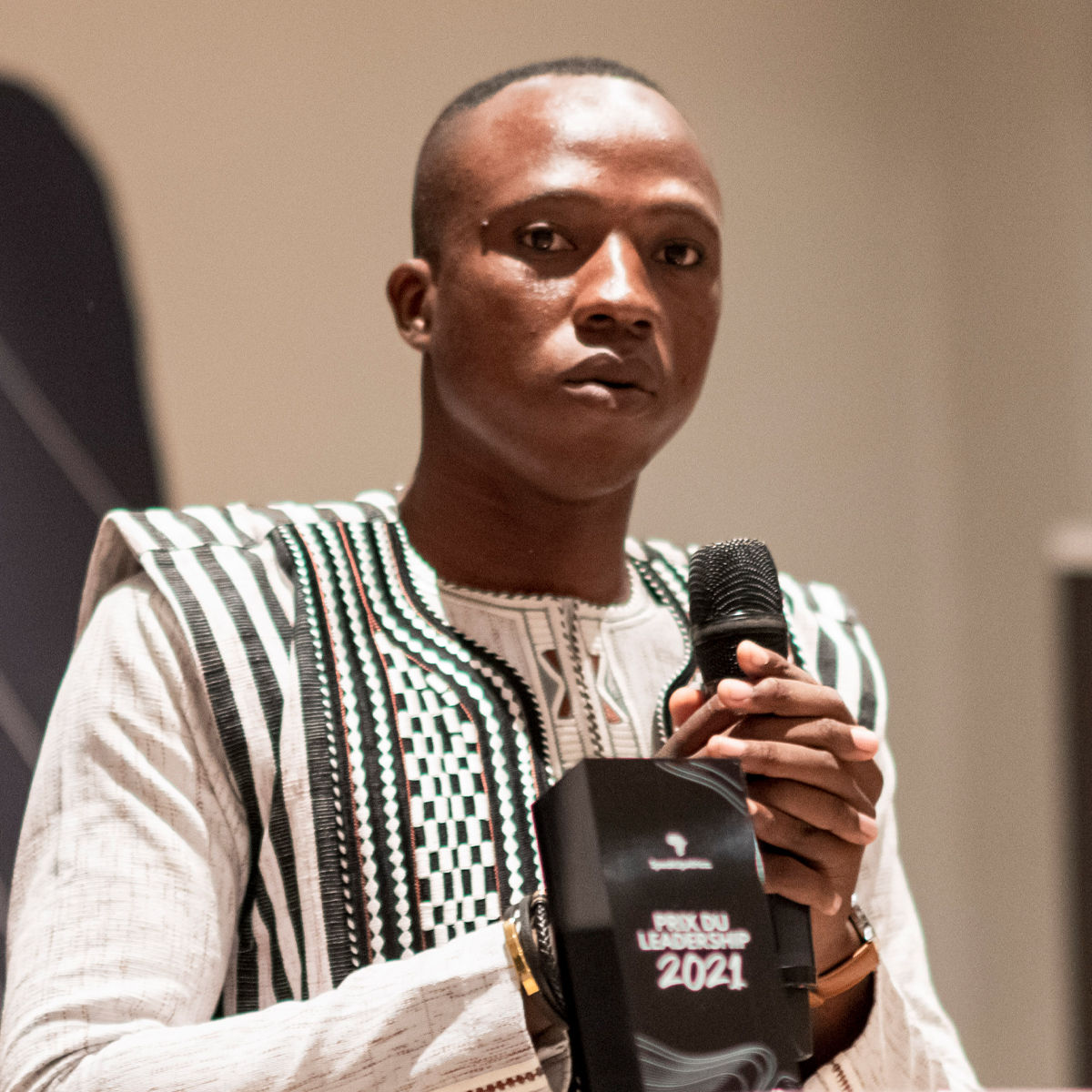
With their insight, Speak Up Africa has greatly supported me with my reporting in Burkina Faso. It is critical that citizens know how to protect themselves and their loved ones from NTDs.
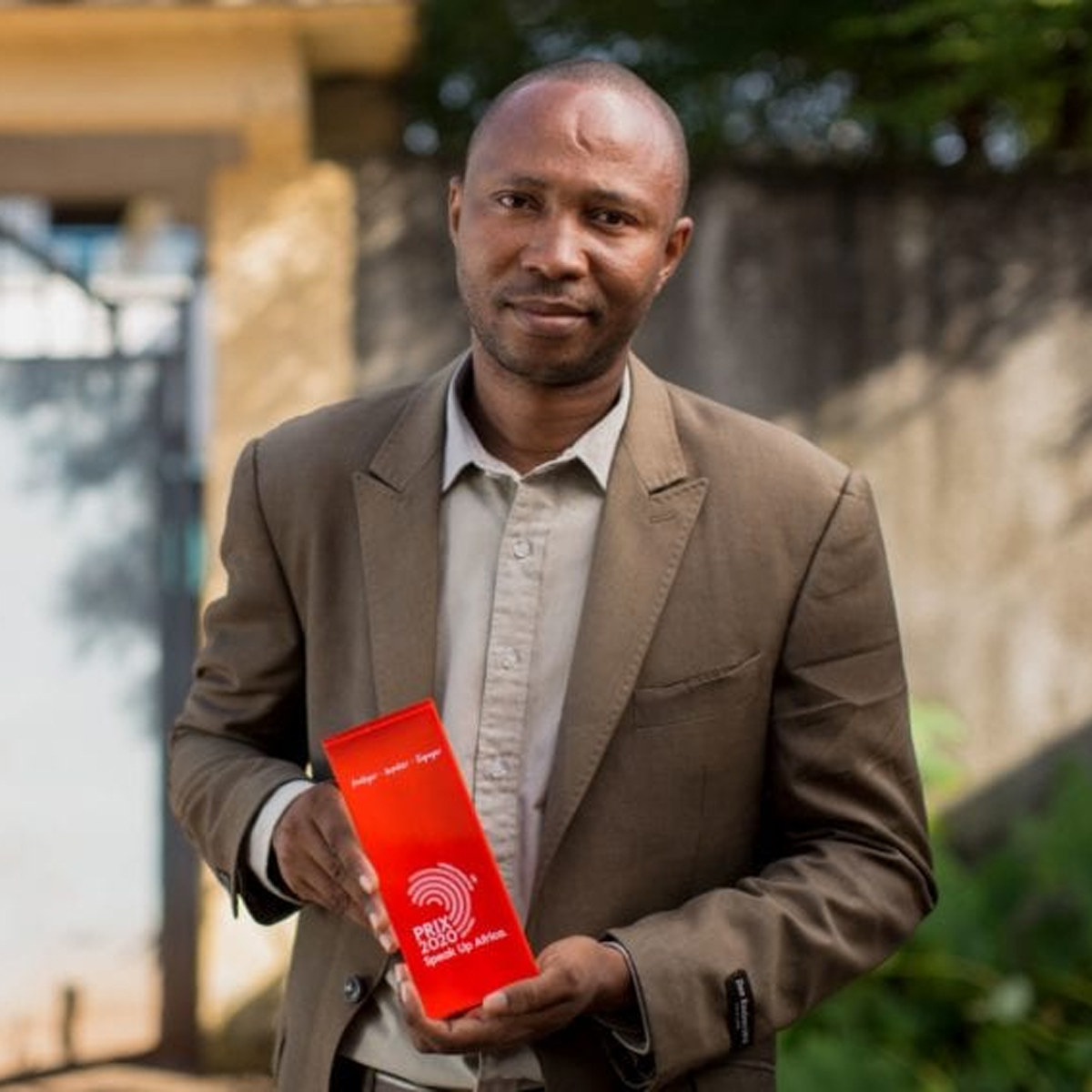
Engaging Africa’s youth, journalists and other civil society organizations to join the fight against neglected tropical diseases will be essential if we want to alleviate suffering and help the 600 million people who are impacted by this sub-set of diseases.
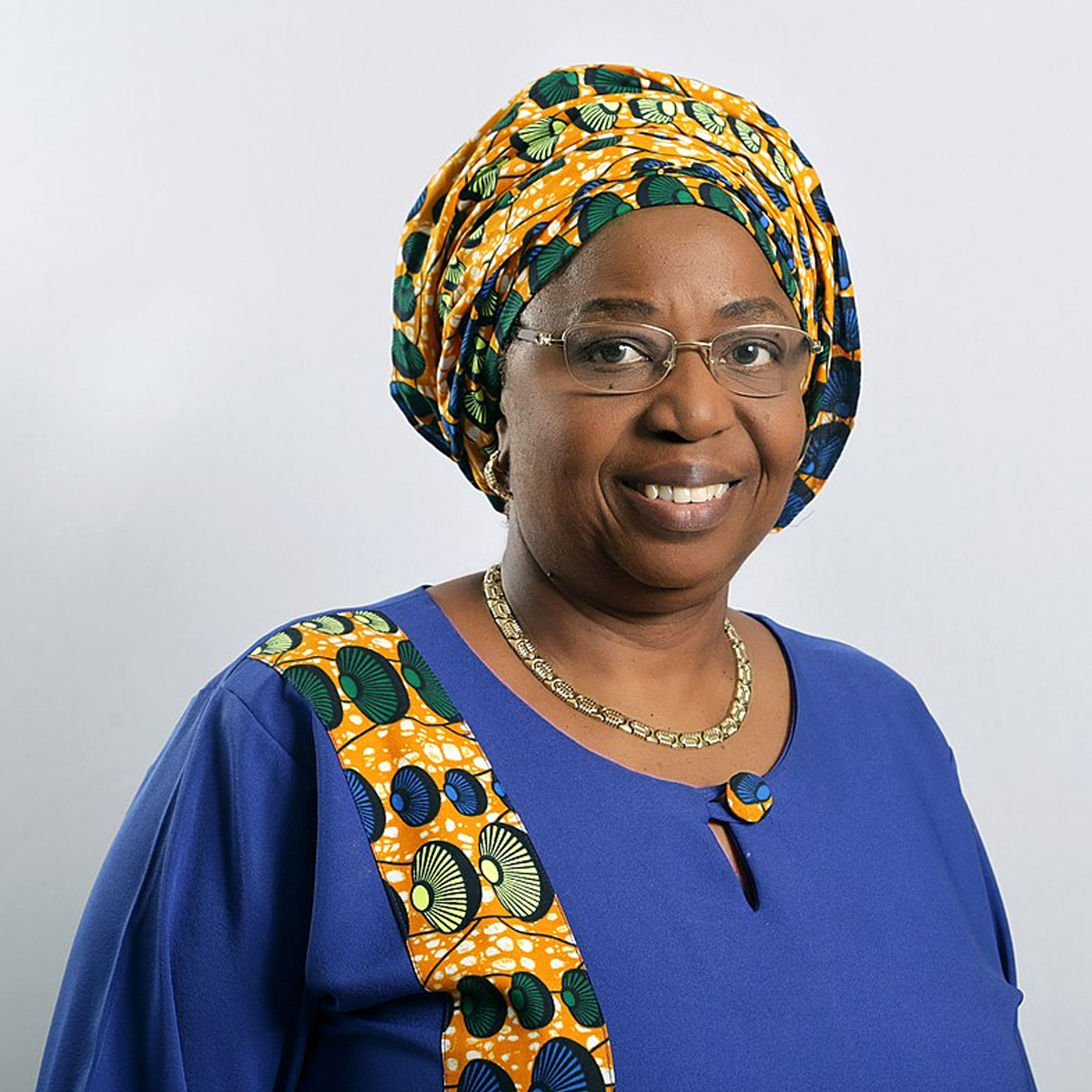
I am proud to use my voice to ensure that our research and development sector is prioritized, to harness the collective talents of our continent’s eminent scientists and researchers.
Receiving the Speak Up Africa Leadership Award is not only a great privilege, but also a powerful reminder of all that needs to be done to build a continent where every individual, regardless of gender, can thrive and reach their full potential.