From Reliance to Resilience: Africa’s Next Chapter
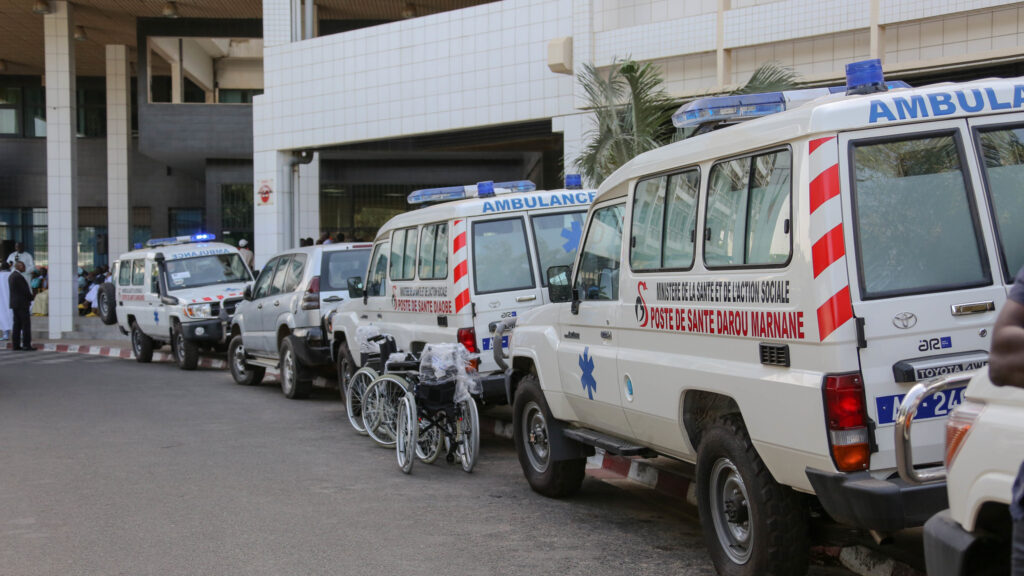
In the midst of “the greatest disruption to global health financing in memory,” African can and must adapt and lead on a wholesale rethink of the global health assistance architecture.
The severe financial constraints in traditional donor countries, combined with competing global priorities and rising security threats, make it highly likely that the recent retrenchment is just the start of the new normal.
This new normal demands a fundamental rethink of the responsiveness, flexibility and ability of the global health assistance architecture and its ability to align with national priorities. It also requires an honest reckoning of how reliant it makes our health systems on aid and as a result their vulnerability to the political and economic environment within donor countries.
African governments spend less than 10% of their GDP on health, amounting to capital expenditure of US$4.5 billion, which falls well short of the estimated US$26 billion annual investment needed to meet evolving health needs.
Africa is now laser-focused on a transition away from its historical overreliance on global donor funding and external policy frameworks, towards building resilient health systems grounded in its health sovereignty and accountability. For Africa, this means reaffirming the powerful truth: development must be driven from within, anchored in community realities, and sustained by inclusive governance of domestic financing.
Health Sovereignty and Accountability
In full recognition that “Africa cannot continue outsourcing its health security,” Dr Jean Kaseya, Director General of the Africa CDC, is urging governments to fulfil the Abuja Declaration by allocating at least 15% of national budgets to health, introducing innovative financing ideas such as solidarity levies on airline tickets, alcohol, and mobile services, while exploring how Africa’s US$95 billion in annual diaspora remittances can support national health priorities.
Member States took the reins by laying out a plan to reset Africa’s path toward health sovereignty. The Accra Reset provides an African-led accountability framework for a re-imagined health governance architecture, one that aligns national plans with multilateral commitments and explicitly builds on the Abuja Declaration and the Lusaka Agenda. It sees countries taking charge of their own health financing and engaging in fair global partnerships to ensure that everyone has access to healthcare, regardless of location or social status, and drawing on local solutions. Essentially, it places Africa’s vision for health sovereignty firmly on record and on a clock.
Africa’s development must be driven by African solutions
Support for locally driven solutions is a hallmark of Speak Up Africa’s work. We help communities lead, institutions deliver, and ideas win—so progress is owned, financed, and sustained from within the continent.
Last year, our flagship event – Speak Up Africa Day celebrated African leadership, the value of local solutions, and the promotion of collective action for health and sustainable development. Bringing together decision-makers, technical partners, private-sector representatives, and civil society, who collectively issued a call to action for confident African leadership, stronger accountability, and domestic resource mobilization.
African Voices of Science (AVoS) is another example of African solutions, by amplifying the voices, research and perspectives of African researchers and health experts this initiative is increasing visibility, influence policy, to drive investment in African-led health solutions which is key for Africa’s health sovereignty and long-term resilience.
The Next Chapter
The end goal of this big transition, which is just beginning, is to build resilient health systems across Africa, and though 2025 has been a decisive year in setting us on this path, there is a lot of work ahead of us.
Speak Up Africa remains more committed than ever to amplifying and supporting the people, institutions, and ideas that will define a healthy, more equitable, resilient and independent future for every person on the continent.
We’ve talked, we’ve planned, we’ve written the strategies— 2026 is time for action.
Date of publication
Category
Program