From Visibility to Influence: Advancing African-Led Health Research through Strategic Communication and Engagement
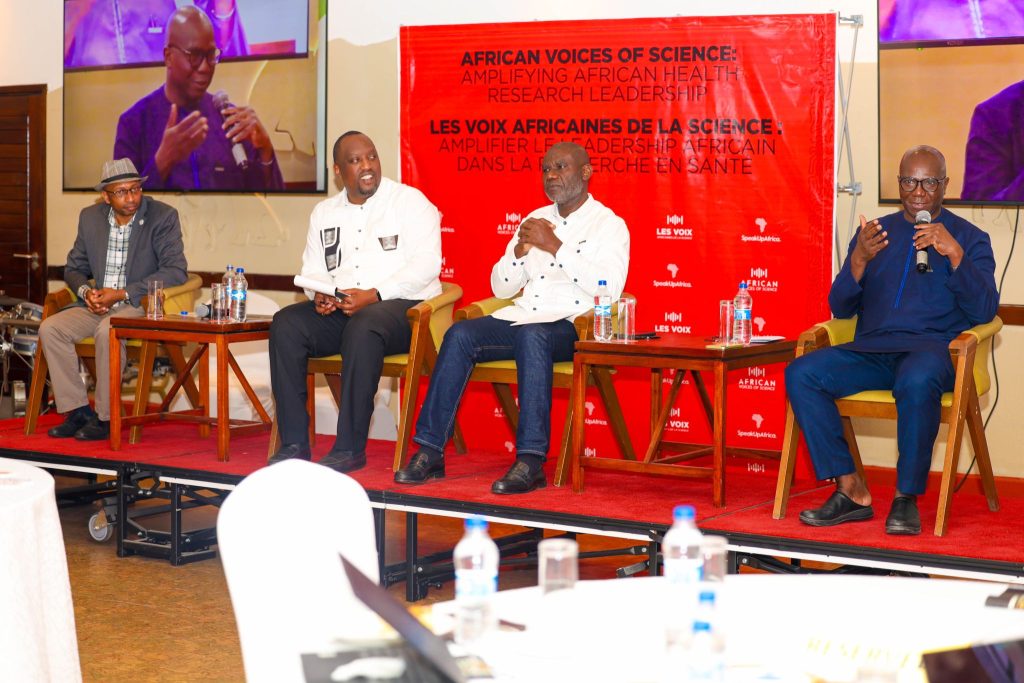
Reflections from AVoS Champions at the inaugural Culture of Science Conference
One year into the second cohort of African Voices of Science (AVoS), the varied experiences of our Champions demonstrate that scientific excellence alone is not enough to move innovation to impact. Through strategic communication, meaningful engagement, and opportunities to connect with new audiences, Champions are finding ways to move their research into the spaces where it can inform policy, shape practices, foster partnerships, and benefit communities.
Their experiences point to a broader lesson: strengthening African scientific leadership requires not only amplifying researchers’ voices but also creating the conditions for their expertise to shape decisions, mobilise resources, and respond to Africa’s public health priorities.
The Champions had the opportunity to share their experiences of building a stronger culture of science during the inaugural Culture of Science Conference held in Nairobi from 8 to 10 September 2026. The conference brought together researchers, policymakers, communicators, funders, and civil society leaders to explore how stronger connections between science and society can help ensure that research informs the decisions and conversations shaping Africa’s future. From conversations that led to a partnership, to connections that opened new opportunities, to engagements that helped research reach the people it was intended to serve—the Champions’experiences offer an interesting glimpse into how strategic communication and advocacy move scientific expertise towards real-world impact.
One of the most compelling examples of the value of strategic connections comes from Professor David Téa Okou and Dr. Robert Karanja. Brought together through the AVoS initiative, the two researchers established a cross-border collaboration that secured US$3.5 million in funding to expand genomics research capacity in Africa. Their experience illustrates how AVoS goes beyond amplifying researchers’ voices by facilitating partnerships that can mobilise resources and strengthen Africa’s research ecosystem.
Beyond scientific circles, engaging with communities is equally important in ensuring that research remains relevant and responsive to local realities. Dr. Christian Rusangwa highlighted how stronger community engagement helps ensure that his research is grounded in the needs and priorities of the people it seeks to serve. His perspective reinforces the importance of involving communities not only as beneficiaries of research, but also as active contributors to shaping how scientific knowledge is developed and applied.
Champions also continue to demonstrate the importance of engaging with policy spaces. Creating opportunities for research outcomes to inform decisions require researchers to communicate clearly and participate in conversations beyond academia. Dr. Moussa Sarr reinforced this perspective by reflecting on how the ability to clearly articulate research and demonstrate its impact enhanced engagement in policy-shaping processes such as the Africa CDC-led Health Research Prioritization Framework and other continental decision-making forums. He noted that meaningful impact also depends on engaging those who bridge research, policy, and communities, including journalists and the media.
The conversations also highlighted the importance of building bridges between researchers, academics and industry leaders, who often work towards similar goals but do not always have natural opportunities to collaborate. Deliberately creating spaces for engagement can help bridge these gaps and increase the likelihood that research will inform action. Dr. Lisa Micheni emphasized this point, arguing that academic excellence alone is rarely sufficient to drive change. She highlighted how research-informed dialogue can help shape education systems that are fit for purpose, responsive to change, and better equipped to foster innovation. Her perspective underscores the value of bringing different actors together to exchange knowledge, align priorities, and translate scientific expertise into practical solutions.
As the initiative evolves, AVoS will continue to support Champions as they navigate these different pathways to influence, whether through collaboration, public engagement, or participation in policy conversations. The experiences shared at the conference demonstrate that when researchers are equipped to connect, communicate, and engage, the potential for impact extends far beyond their immediate fields of study.