Climate Justice and Women’s Rights: Voix EssentiELLES Bring the Ground Truth to Women Deliver 2026
By Farida Tiemtoré, Founding President of Réseau des Héroïnes du Faso, Voix EssentiELLE from Burkina Faso and Youth Member of the Global Fund Board
At Women Deliver 2026, climate justice, health, and women’s rights converged around one shared conviction: climate crises are never neutral. They deepen inequalities that adolescent girls and women already live every day — inequalities that cut to the heart of sexual and reproductive health and rights.
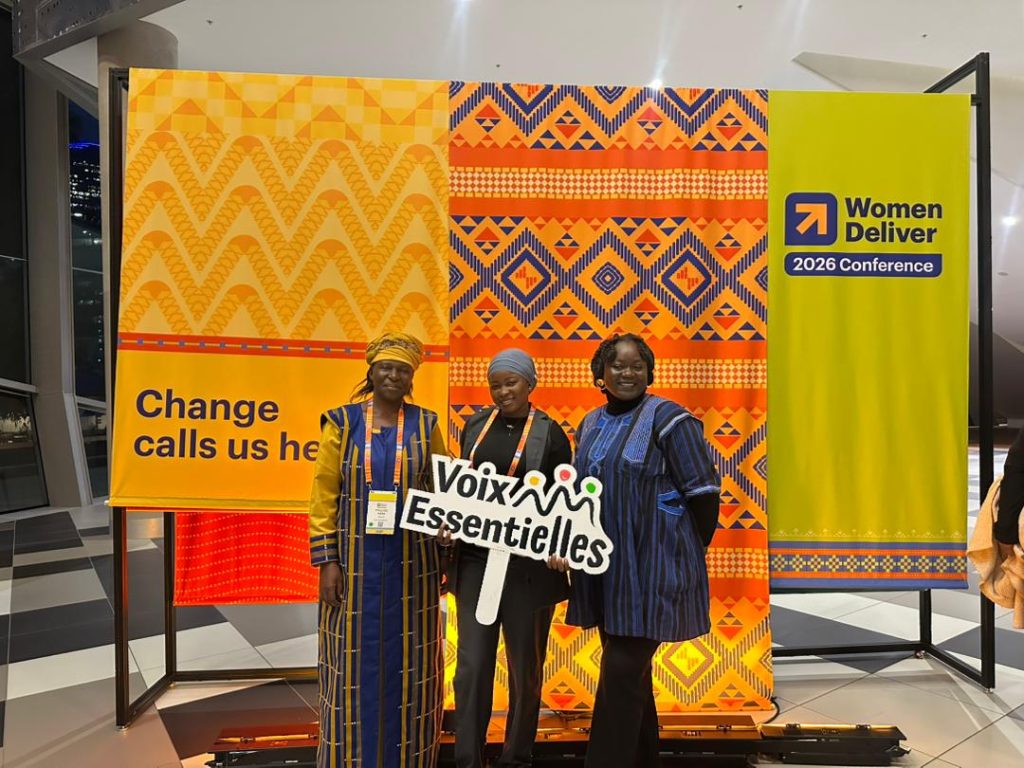
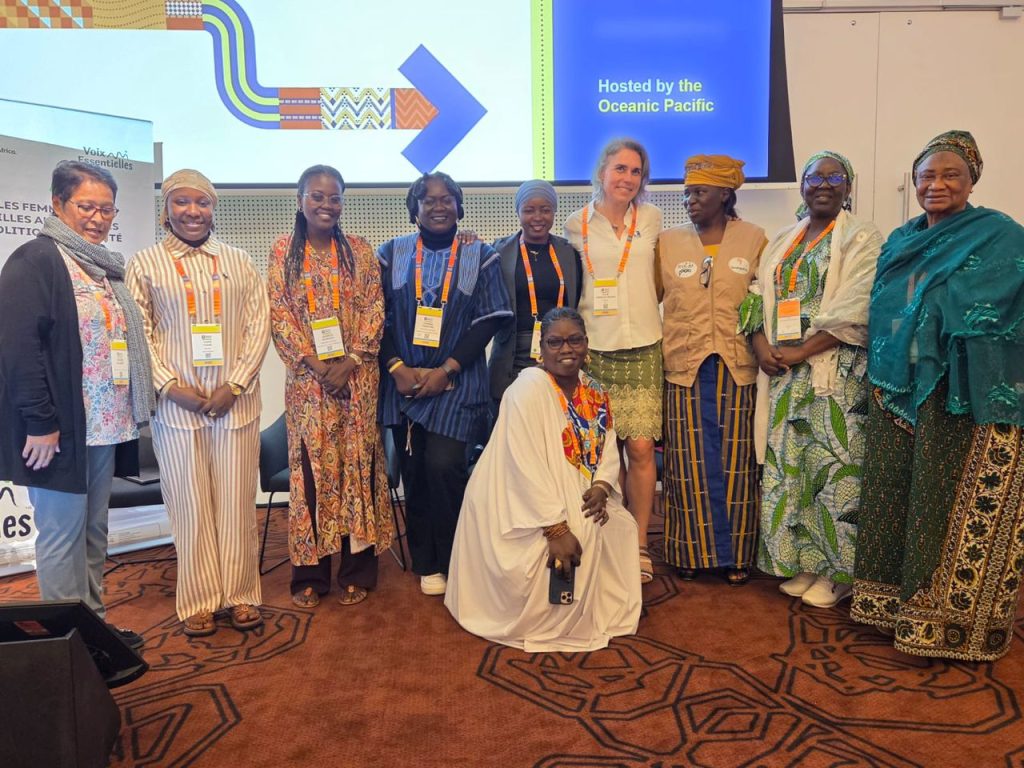
The Voix EssentiELLES Network of Burkina Faso had the privilege of participating in this global conference thanks to the support of Speak Up Africa, our strategic partner and the driving force behind the Voix EssentiELLES program. That support gave us a seat at a worldwide table of reflection and advocacy — and above all, the platform to bring the realities of the field to where they need to be heard.
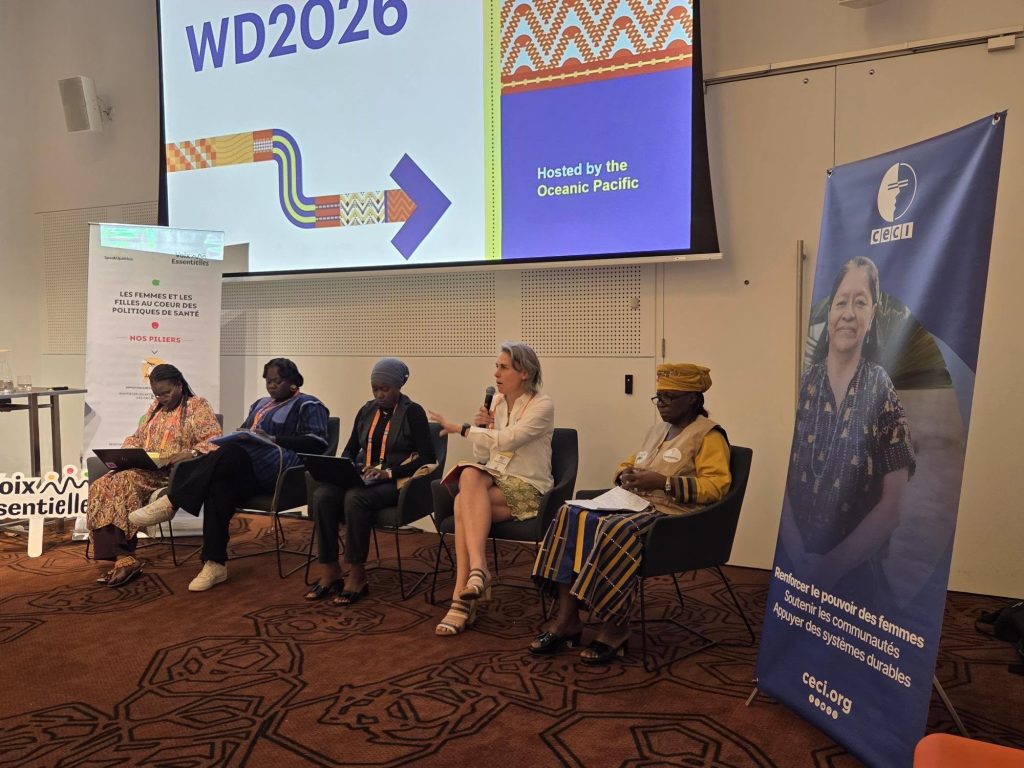
Women Deliver 2026, which brings together thousands of actors from around the world with every edition, offered a premier space for exchange and advocacy. Together with CECI, we co-organized a panel focused on the intersections of climate justice, sexual and reproductive rights, and women’s collective action in West Africa.
A Panel at the Crossroads of Climate, Health, and Women’s Rights
The session, moderated by Faïzatou Sirandou Sylla, Secretary General of Réseau des Héroïnes du Faso and Voix EssentiELLE from Burkina Faso, brought together committed voices around complementary field realities.
Jessica Hessouh from the Association des Juristes Sénégalaises (AJS) shared innovative approaches to supporting adolescent girls who are survivors of gender-based violence, including sexual violence. Her intervention underscored how critical access to justice, information, and protection mechanisms are for guaranteeing the bodily autonomy of girls and women.
Julie Théroux-Séguin from CECI shed light on the challenges feminist organizations are navigating as some donors progressively step back. She made a clear case for strengthening alliances, advocacy strategies, and feminist approaches rooted in local realities — to ensure continuity for the work women carry forward.
As the conversation unfolded, one truth emerged clearly: the solutions already exist within communities. What they lack is recognition and support at scale.
When Climate Crises Compound Inequality
In my own intervention, I wanted to name a reality that still gets too little space in international debates:
“The impact of climate change is still too often discussed in isolation from sexual and reproductive health and rights. Yet it is a key driver of increased gender-based violence and serious health consequences for girls and women — especially across the Sahel.”
Across many communities, the effects of climate change are intensifying vulnerabilities that were already there. Forced displacement, food insecurity, limited access to healthcare, and humanitarian crises all push women and girls further toward violence, early marriage, and health precarity.
And yet — it is also these same women and girls who document the realities, raise awareness, provide support, and build responses that actually fit their communities’ needs.
This session made one thing undeniable: you cannot think climate justice without centering women’s and girls’ rights.
Digital Tools as a Path to Self-Determination
I also shared how Réseau des Héroïnes du Faso has evolved — from an advocacy blog into a community feminist organization — through the Voix EssentiELLES program.
In contexts where access to information is still unequal, digital tools become a powerful lever for expression, awareness-building, and mobilization for girls and women.
As Faïzatou Sirandou Sylla put it:
“When digital tools truly serve communities — especially the youngest among us — they become instruments of self-determination. They break isolation. They guarantee access to reliable information. They strengthen the freedom to make decisions about our own bodies, especially for young girls. And because climate crises hit the most vulnerable first, that power to act is also a step toward climate justice.”
Through the initiatives carried by Voix EssentiELLES, girls and women are no longer just recipients of information. They are actors, advocates, and producers of solutions.
When Women Build the Responses
Pauline Nana, President of Association Soutien aux Enfants et Femmes Vulnérables (ASEFV), brought into sharp focus the essential role that community organizations play in responding to climate crises.
Drawing on field experience alongside women and girls, she showed how the local initiatives carried by Voix EssentiELLES Network members are strengthening action on health, awareness, and protection.
Her message rang out as a collective call:
“Our voices are essential — to say no to the impact of climate change on women’s and girls’ health, and yes to carrying their struggle all the way through.”
What the panelists carried collectively was a shared conviction: when local women-led organizations are recognized and supported as genuine partners, responses become more just, more effective, and more lasting.
Investing in Voix EssentiELLES for Lasting Change
Women Deliver 2026 was a vital opportunity to restate what should no longer need restating: climate, health, and social justice are inseparable from women’s and girls’ rights.
But more than anything, this session illuminated the strength of solutions that communities themselves are already building. Through advocacy, legal support, community alliances, and digital tools, local organizations are constructing concrete, grounded responses, responses that fit their realities.
Because women and girls are not just affected by crises.
They are at the heart of the response.