African Voices of Science: Turning Research into Action to End Malaria
With the launch of the “African Voices of Science: The Path to Zero Malaria” cohort and the Zero Malaria F.C. digital campaign, Speak Up Africa is strengthening the role of African scientists in decision-making spaces and mobilizing new voices to accelerate the fight against malaria.
Dakar, 1 July 2026: Africa continues to carry more than 95% of the global malaria burden, even as scientific innovation reaches new heights. New vaccines, next-generation mosquito nets, breakthroughs in vector control: the tools exist. But turning these advances into lasting impact takes more than scientific discovery. It requires African researchers to have a voice where decisions are made — decisions that shape public policy, guide investment, and set health priorities. That conviction is what drives Speak Up Africa’s launch of the new “African Voices of Science: The Path to Zero Malaria” cohort, an initiative designed to strengthen the leadership of African scientists working to end malaria.
Since 2020, the African Voices of Science (AVoS) initiative has supported African researchers in becoming influential voices in public debate. Through training in strategic communication, advocacy, media relations, and leadership, AVoS helps bring scientific evidence closer to the decision-making table. The initiative’s first two cohorts have already shown what this approach can achieve, including helping to mobilize more than $3.5 million for health research in Africa through new scientific collaborations.
Now, Speak Up Africa is putting that same approach to work on one of the continent’s greatest health challenges: eliminating malaria. “Our ambition is for African scientists to become more than producers of knowledge — we want them to be opinion leaders who can influence decisions, shape public debate, and bring a strong African voice to the conversations defining the future of global health,” said Yacine Djibo, Executive Director of Speak Up Africa.
The “African Voices of Science: The Path to Zero Malaria” cohort brings together scientists from Benin, Burkina Faso, and Senegal, recognized for their expertise in research, public health, and the fight against malaria. They include: Dr. Corine Ngufor, vector control expert and founder of the African Institute for Research in Infectious Diseases (AIRID); Dr. Hamtandi Magloire Natama, senior research fellow at IRSS/URCN; Dr. Rock Aikpon, Deputy National Coordinator of Benin’s National Malaria Control Programme; Dr. Mamadou Alpha Diallo, senior lecturer at Cheikh Anta Diop University (UCAD) and principal investigator at the International Center for Research and Training in Applied Genomics and Health Surveillance (CIGASS); Dr. Moumini Niaoné, physician and public health researcher; and Dr. Fatimata Sall, physician-researcher at the University of Thiès.
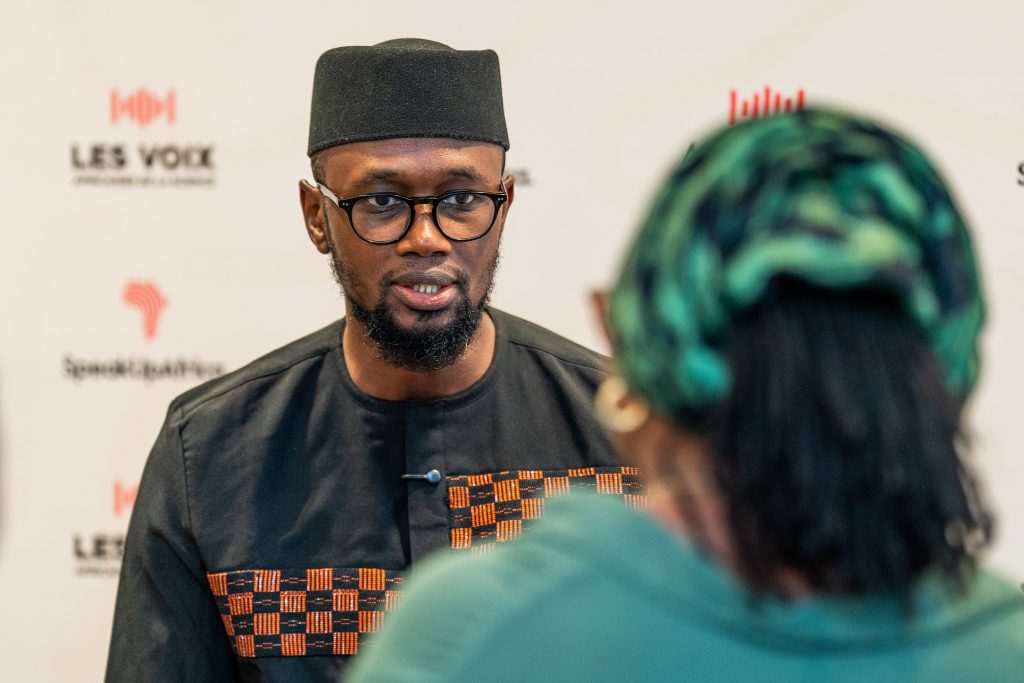
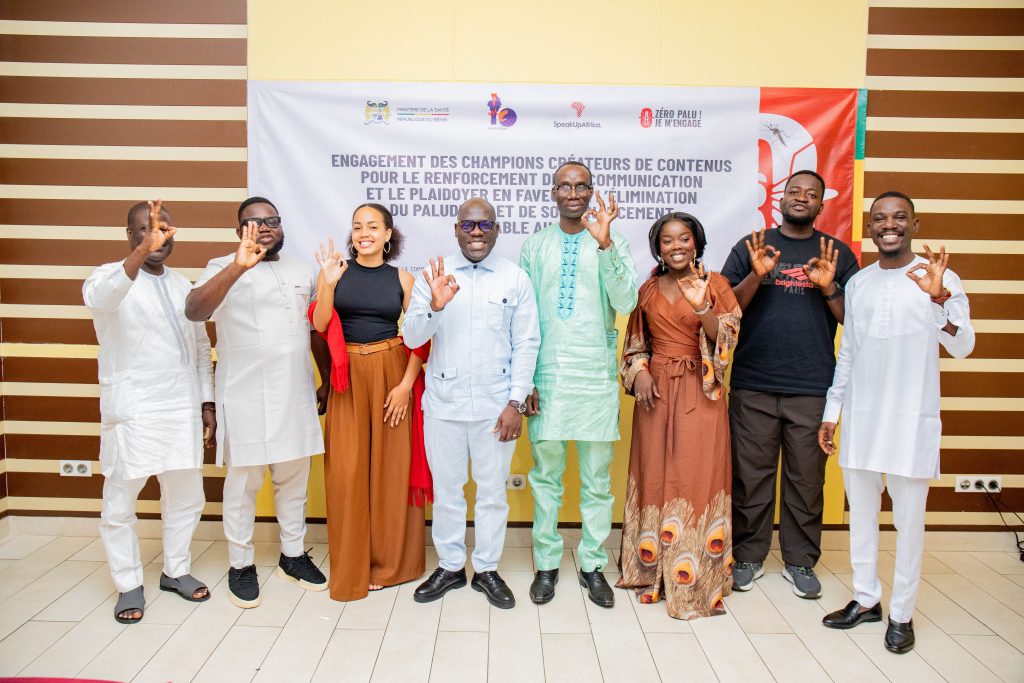
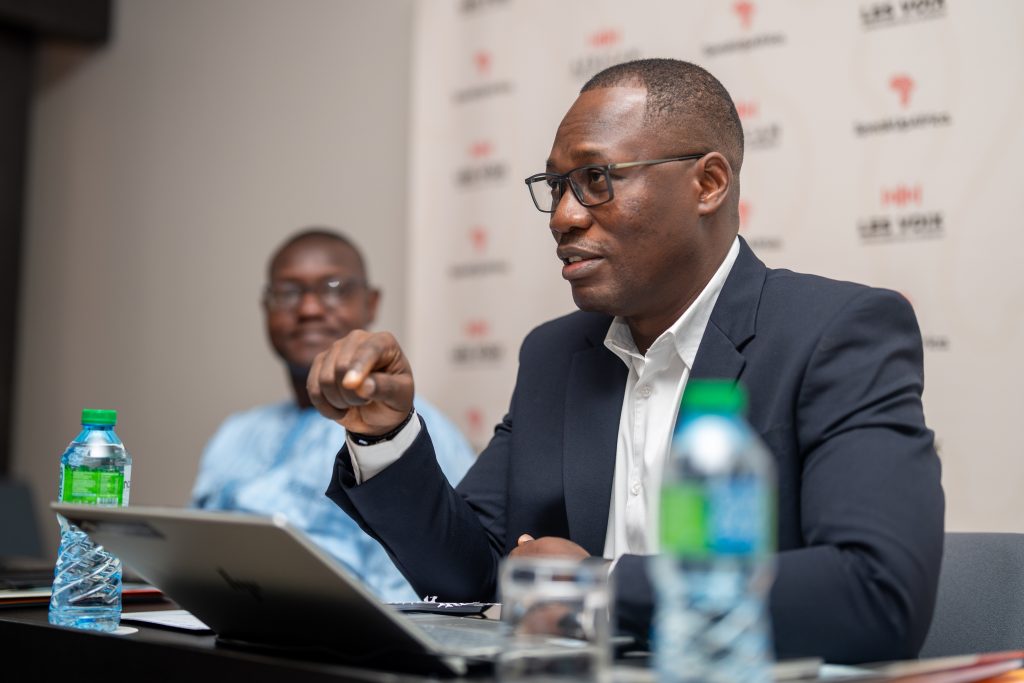
On 1 and 2 July 2026, the cohort’s Francophone members took part in a strategic communication and advocacy workshop in Dakar, designed to strengthen their ability to bring their work to the attention of the media, policymakers, and the public. During the workshop, Philippe Edouard Batienon, Coordinator of the RBM Partnership to End Malaria’s West and Central Africa Sub-Regional Network, presented the Big Push Against Malaria initiative. The session underscored the critical role African scientists are called on to play in advancing the initiative’s innovation, advocacy, and resource-mobilization pillars — work that is key to accelerating the adoption of new malaria-fighting tools and reaching elimination targets. “Our research only has real impact once it informs public decisions. Joining this cohort means learning how to make scientific data more accessible, more heard, and more influential, so we can accelerate the elimination of malaria,” said Dr. Rock Aikpon, Deputy Coordinator of Benin’s National Malaria Control Programme.
This new cohort is part of a broader mobilization Speak Up Africa is leading throughout 2026. Through Zero Malaria F.C., developed with the RBM Partnership to End Malaria, and around the FIFA World Cup, Speak Up Africa is bringing together scientists, opinion leaders, and football stars to raise awareness among the public and decision-makers of the innovations now transforming the fight against malaria. On social media, the digital campaign aims in particular to build understanding of and support for new prevention tools, such as malaria vaccines and next-generation mosquito nets. “Sport has a unique power to bring people together and mobilize them. By pairing African scientists with football’s biggest names, we want to carry messages of prevention and innovation far beyond traditional public health circles and reach millions of people across the continent,” said Dr. Michael Adekunle Charles, Chief Executive Officer of the RBM Partnership to End Malaria.
Among the figures championing Zero Malaria F.C. is Dr. Raymonde Goudou Coffie, former Minister of Health of Côte d’Ivoire and Minister-Governor, who is also a member of the African Voices of Science cohort and is putting her public health policy experience to work for this mobilization. A member of the Zero Malaria F.C. Dream Team, she is calling for stronger collective action to end malaria: “The fight against malaria is everyone’s fight — government, urban and rural communities, civil society, and beyond. For me, joining the Zero Malaria F.C. Dream Team means carrying forward our shared commitment to a common goal. So I’m making my pledge, and I invite you to join us for a future free of malaria,” said Dr. Raymonde Goudou Coffie, Minister-Governor and former Minister of Health of Côte d’Ivoire.
By bringing together scientific expertise, strategic communication, and the unifying power of sport, Speak Up Africa aims to build a new generation of African ambassadors who can shape public policy, build trust in scientific innovation, and accelerate progress toward malaria elimination. Ending malaria will take more than scientific discovery — it will take the ability to share that knowledge widely, win people over, and mobilize every part of society.
Date of publication
Category
Program