5 stories of rights, justice, and action for women and girls
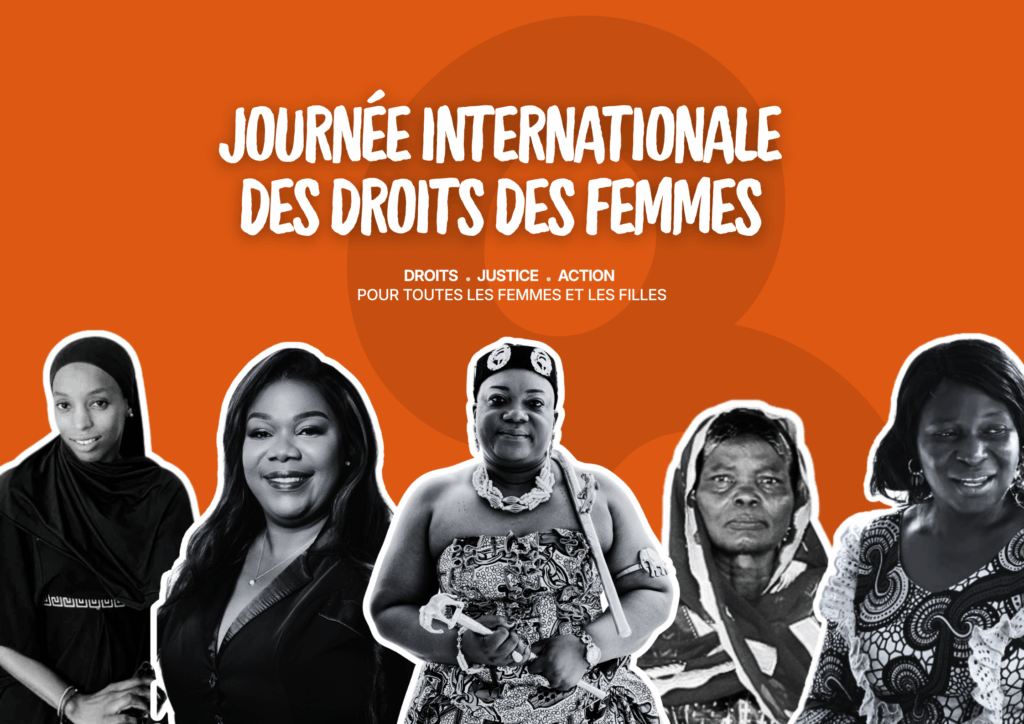
On the Occasion of March 8, 2026 — International Women’s Rights Day
Preface
This year, the theme of International Women’s Rights Day, “Rights. Justice. Action. For ALL Women and Girls,” resonates as an urgent call. A call that echoes the realities millions of women and girls face every day, deep-rooted obstacles that threaten their fulfillment and their personal and social progress.
And yet, on the ground, they resist, transforming not only their own lives but those of their communities.
Through the Voix EssentiELLES initiative, we support 76 community-based organizations across six countries in West and Central Africa (Benin, Burkina Faso, Côte d’Ivoire, Togo, the Democratic Republic of Congo, and Senegal) so that women and girls have a say in the decisions that affect their health, safety, and future.
The five stories that follow are not exceptions. They illustrate what becomes possible when women are accompanied, supported, and recognized as agents of change. They speak of rights claimed, justice achieved, and action taken in places where the context sometimes made victory seem impossible.
This March 8, we share the achievements of 5 of our organizations. Because their voices are essential.
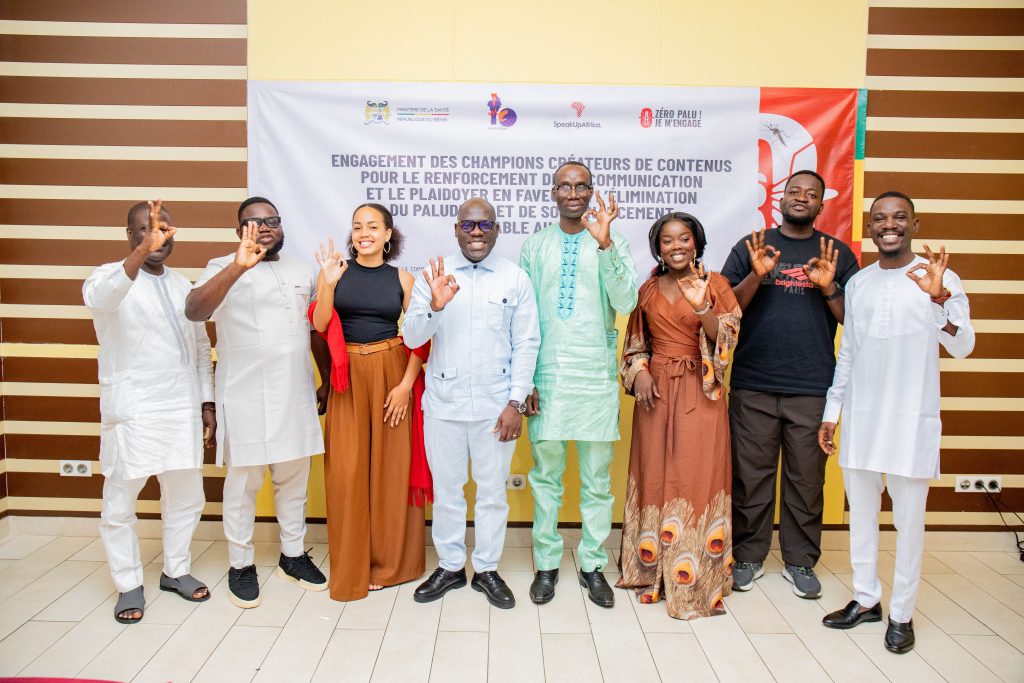
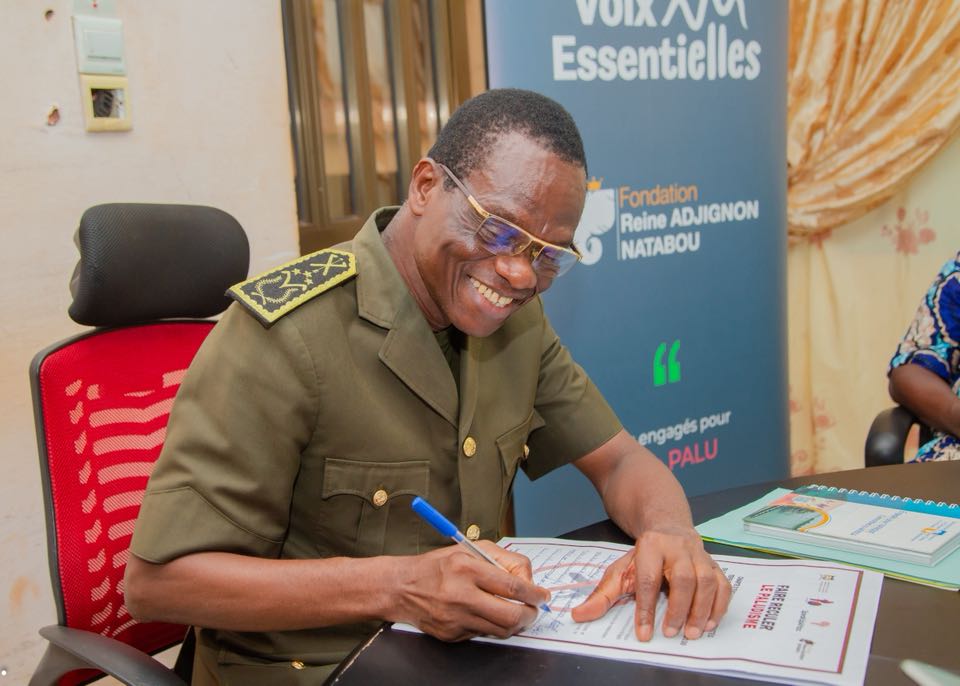
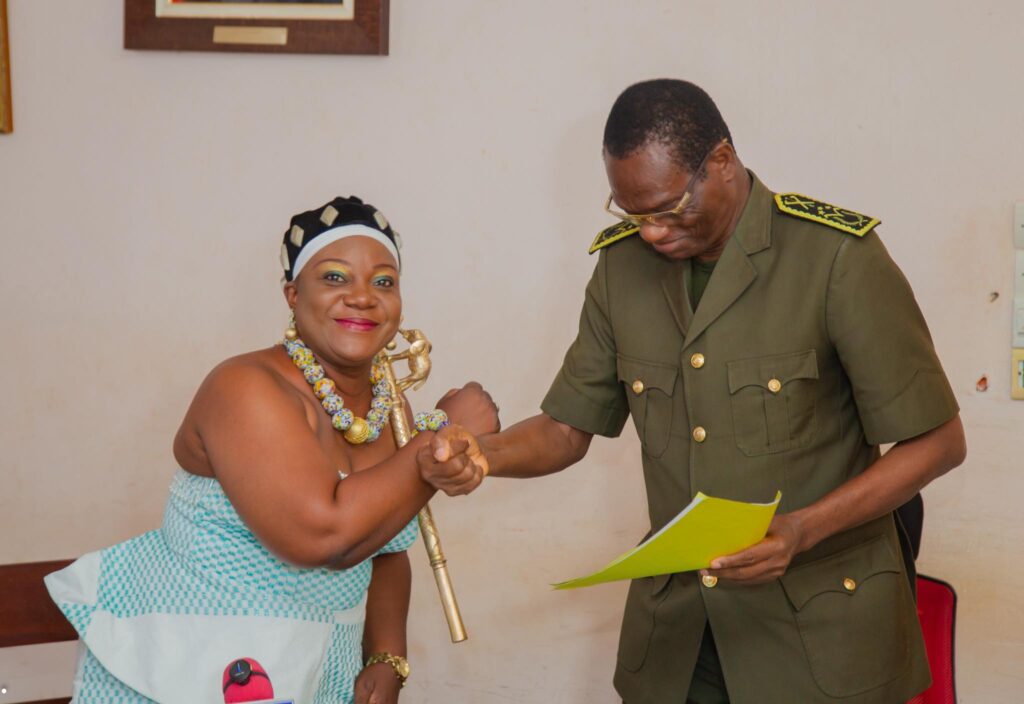
Benin — Fondation Reine Adjignon Natabou: Women Unite Against Malaria
In the Couffo department of Benin, where malaria incidence exceeded 57% in 2025, the Fondation Reine Adjignon Natabou (FRAN) led an ambitious advocacy effort to accelerate malaria elimination by 2030. As the disease continues to hit communities hard, women and girls are among the most exposed. Yet they remain too often absent from the spaces where decisions are made: excluded from strategies, invisible in the design of responses.
To anchor change in local realities and better respond to community needs, FRAN mobilized women religious, traditional, and community leaders. Together, they brought the voices of the most vulnerable households to decision-makers and played a key role at every stage of the process.
Working hand in hand, they organized community consultations in the communes of Klouékanmè, Toviklin, and Lalo, led an awareness caravan reaching more than 1,000 people, and co-developed 2026 action plans integrating gender-sensitive measures.
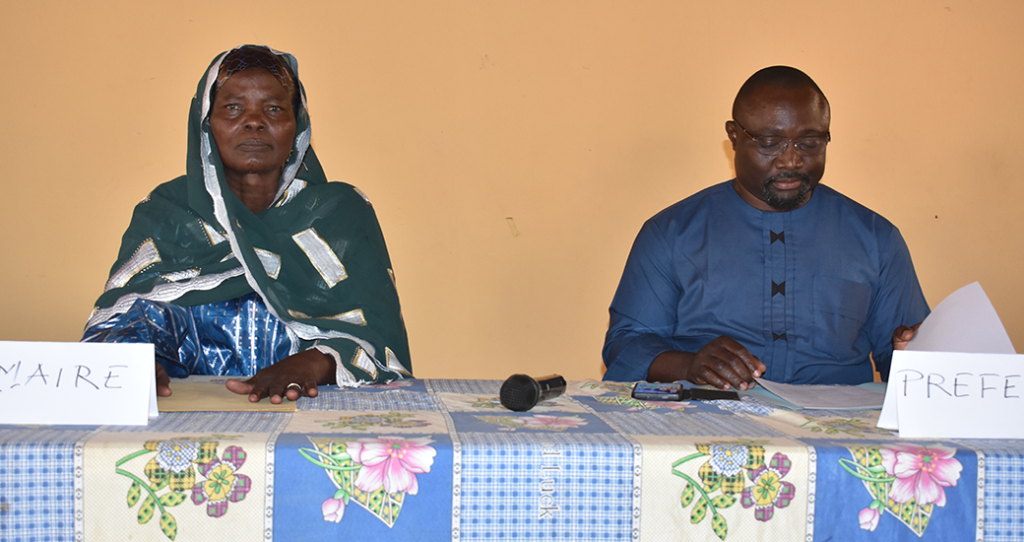
This mobilization led to a historic outcome: the signing of a commitment charter by the Prefect of Couffo and the mayors of the communes, recognizing the need to allocate dedicated budgetary resources to the fight against malaria.
This milestone demonstrates an essential truth: when women’s leadership is recognized, organized, and supported, health policies change. Women are no longer mere beneficiaries of programs — they become actors and architects of the decisions that shape their future.
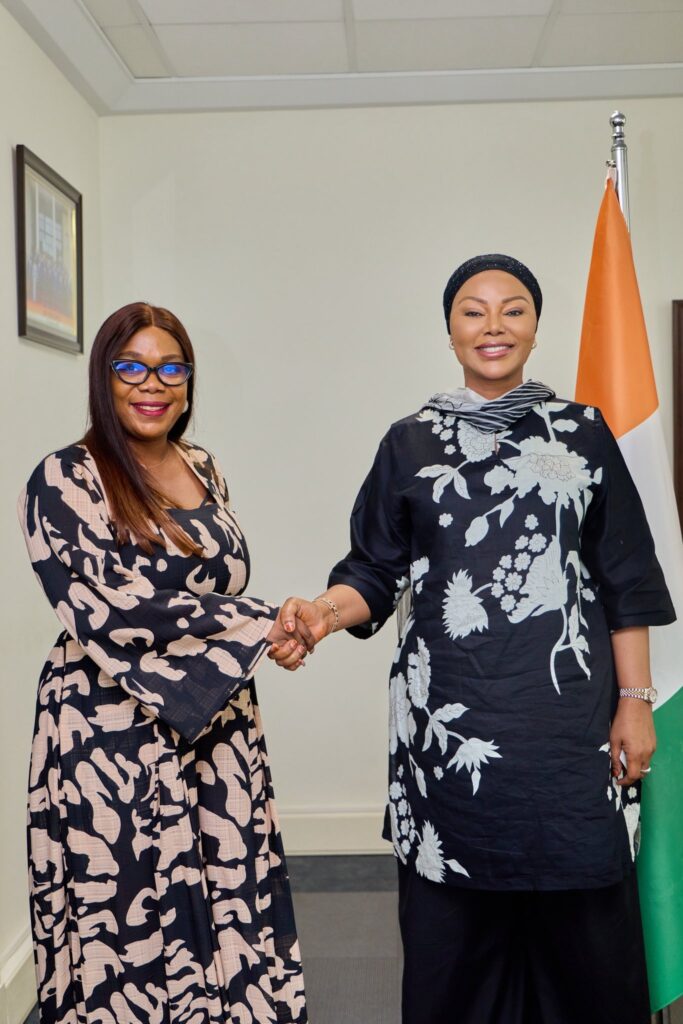
Côte d’Ivoire — Marie-France Kouakou: A Leadership That Influences
In Côte d’Ivoire, gender-based violence remains too often buried in silence. Marie-France Kouakou chose to make it visible through images, words, and action.
A communication specialist and expert in gender and development, she founded ONG Overcome Women with one conviction: changing mindsets so that no woman ever has to be a victim of violence. Under her leadership, the organization develops innovative community programs, organizes awareness caravans mobilizing thousands of people across the country, and produces films that put a human face on realities that are often silenced. Among them, Silence Mortel, a powerful thriller on domestic and sexual violence, screened at our event in Dakar in partnership with Canal+ as part of the 16 Days of Activism.
Marie-France Kouakou does not stop at the grassroots level. Her commitment has opened doors to the highest institutions: a consultant for the World Bank and the UNESCO Chair on Water, Women and Decision-Making Power, appointed in February 2025 as Country Chair of the G100, the network of the world’s most influential women, she joined the Ivorian Ministry of Women, Family and Children in 2026 as Director of Women’s Economic Empowerment.
From civil society to decision-making spheres, Marie-France Kouakou embodies what Voix EssentiELLES places at the heart of its mission: organized women whose leadership transforms policies, practices, and perspectives in service of their communities.
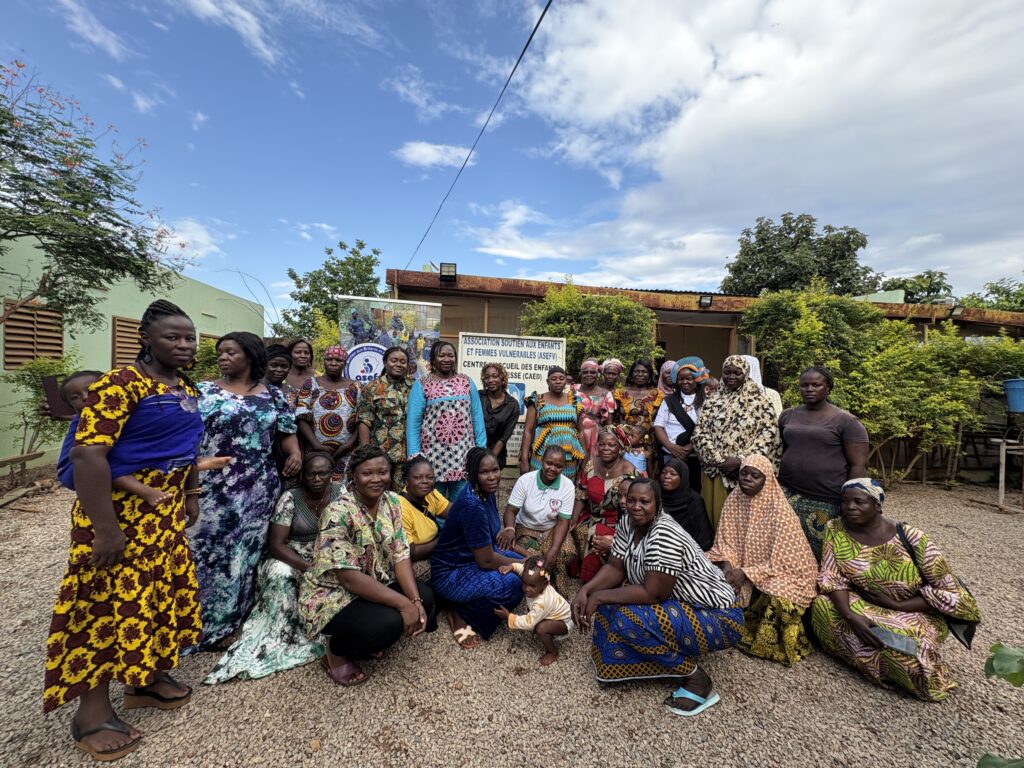
Burkina Faso — ASEFV: When an Entire Commune Rises for Its Women
In Saaba, a rural commune on the outskirts of Ouagadougou, violence against women and children was part of daily life, accepted as inevitable. In a predominantly illiterate population, women were unaware of their rights, financially dependent on their spouses, and often lived in isolation. Thirty of them had been identified by the Association Soutien aux Enfants et Femmes Vulnérables (ASEFV) as survivors of gender-based violence, without a safety net, without recourse, without prospects.
ASEFV chose a comprehensive response: not only to support victims, but to transform the dynamics of the entire commune. Its headquarters became a reception center for women and children in distress. Listening circles were opened so that women could speak, be heard, and rebuild themselves. Capacity-building sessions were organized for men in the area. And when alerts came from other local associations, ASEFV mobilized its network to find collective solutions. But the organization went even further: aware that economic dependence is one of the main drivers of violence, it organized training sessions to strengthen women’s awareness of their rights and introduce them to entrepreneurship.
Three months after the training sessions, the majority of participants had launched their own income-generating activities. Among them, Rihanata Bamogo, 50, shares her experience: “Before the training, I had lost confidence in myself. Today, with my small Kokodonda business, I earn a decent living and take care of my family. I have found a useful and respected place within my community.” Rihanata is now called upon to share her experience at women’s rights awareness sessions and organizes her own training sessions for other women.
What ASEFV built in Saaba is a chain of solidarity: associations supporting one another, men educating themselves, women rising back up and, in turn, extending a hand to others.
Togo — REFED: When Advocacy break barriers
In the Savanes region, in northern Togo, women had long remained on the margins of decisions that nonetheless shaped their daily lives. Municipal councils, local budgets, development plans — everything was decided without them. Patriarchal norms, resistance from traditional chiefs, and women’s own lack of confidence perpetuated this exclusion.
Faced with this reality, the Réseau des Femmes et du Développement (REFED), a member organization of Voix EssentiELLES, engaged in a methodical and patient advocacy effort: outreach tours to the governor, prefects, mayors, and 18 canton chiefs of the Tône prefecture, leadership-strengthening workshops, radio campaigns, and mixed community dialogues. A multi-front strategy, a work of endurance, to challenge entrenched norms and finally allow women to influence the decisions that concern them. The results are now concrete and historic.
Mme TIAME Namgore, 53, now serves as a municipal councillor of the commune of Tône 4. “I thought these responsibilities were reserved for men. Through training and advocacy, I understood that my voice mattered.”
Mme DOUTI GOURYAMA Yendoukoi, 45, was elected Deputy Mayor of Tandjouéré 1 in July 2025, a historic first for the commune. “I am proof that when women are trained and supported, they can transform their community.”
Mme N’GAME Tchandame, 56, became the first woman mayor of the commune of Oti-Sud 1, in a locality where, in her own words, “women were meant to have children and stay at home.”
Three women. Three communes. One shared movement: that of an organization which, with the support of Voix EssentiELLES, was able to transform advocacy into real power.
Senegal — AMFE: Ramatoulaye Dia, From a Forced Marriage to a Voice That Liberates
Ramatoulaye Dia saw her future slip away when others decided for her. Like many young girls in her Peul community of Ouro Mollo, in the Matam region of Senegal, she was married off at an early age. Her path was set, shaped by the cultural expectations of her region, caring for her household became her sole priority, at the expense of her education.
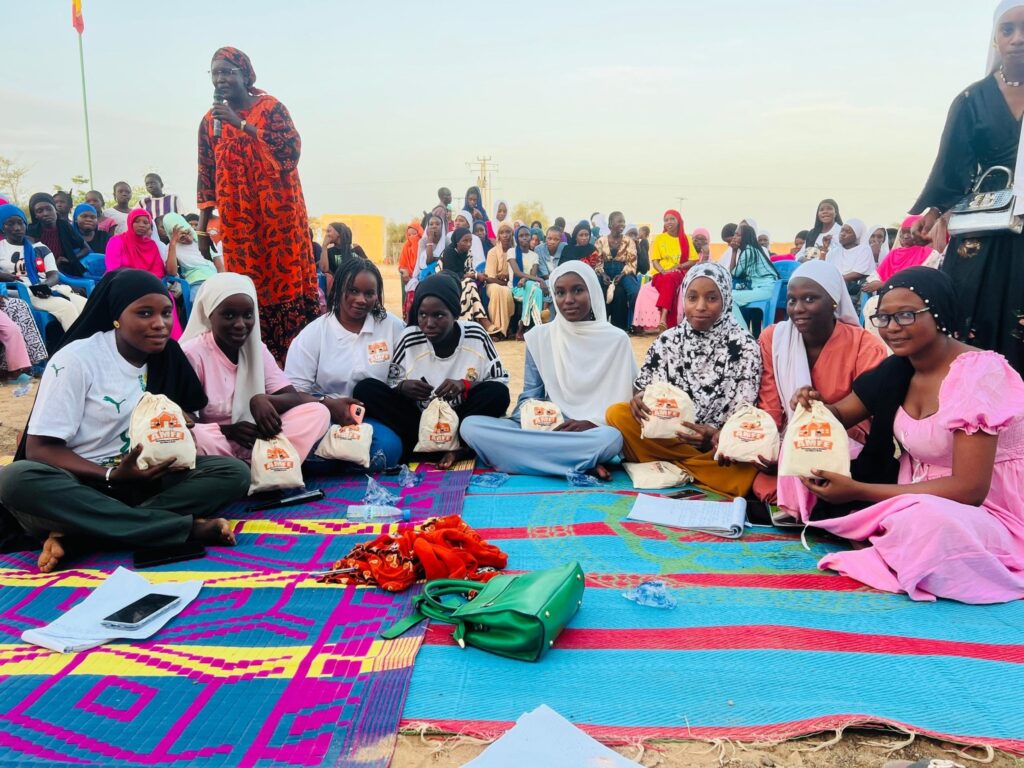
Ramatoulaye’s story changed when she joined a girls’ association in Matam. There, she learned about her rights, regained confidence in herself, and found the strength to make decisions for her own well-being. That association is AMFE Sénégal (Association pour le Maintien des Filles à l’École), a Voix EssentiELLES beneficiary organization. A little over a year after joining, she left her marriage, not as a break from her community, but to find herself again.She continued her studies, obtained her baccalaureate, and is now pursuing a university degree in Geography, with a specialization in climatology. The rewriting of her own story led her to reach out to other girls in her community who are also being denied their rights.
Today, Ramatoulaye raises awareness in schools, facilitates intergenerational community dialogues, and advocates for girls’ education in local governance bodies. In Ouro Mollo, she brings together the village chief, the imam, community elders, and religious leaders around the same table to openly address female genital mutilation and early marriage.
What Voix EssentiELLES accompanied here is not only one woman’s journey. It is the transformation of a beneficiary into a leader capable of influencing her family, her peers, and the guardians of social and moral power in her community.
Our Voices Are Essential
Rights. Justice. Action. These are not just words. They come to life in the journeys of Ramatoulaye, Marie-France, Hortense, N’Game, Tiame, Douti, and thousands of other women and girls that our organizations support every day.
In a context where funding is shrinking and rights are being called into question, these stories remind us of an essential truth: that change is possible. And often, it begins with a woman who decides to take her place, a woman who raises her voice, carries others with her, and opens the path to a more just future for all.
Date of publication
Category
Program