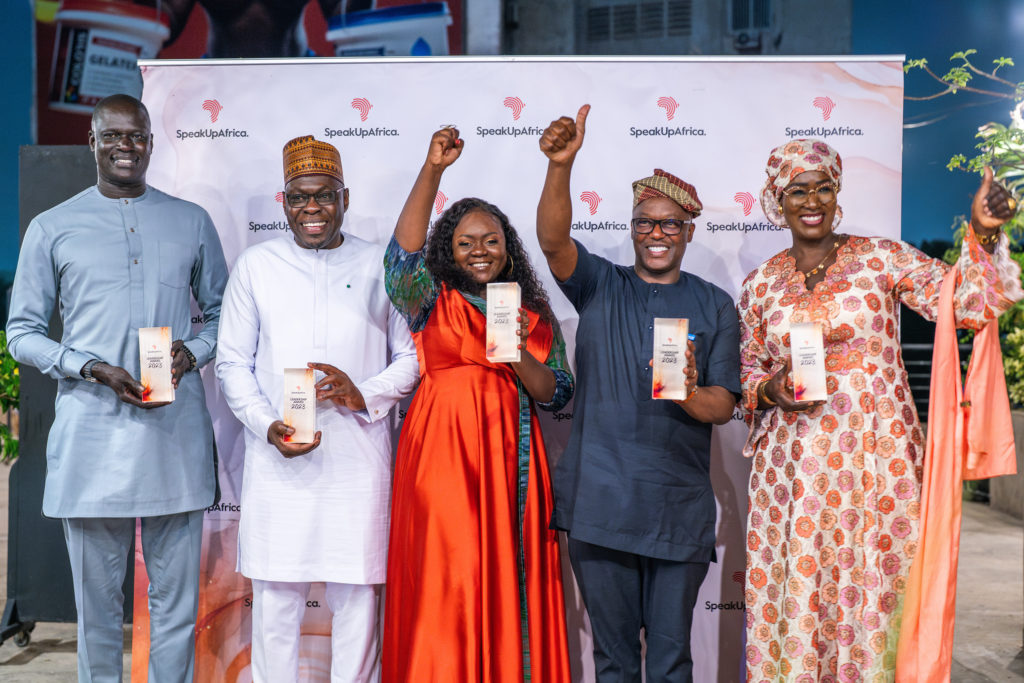
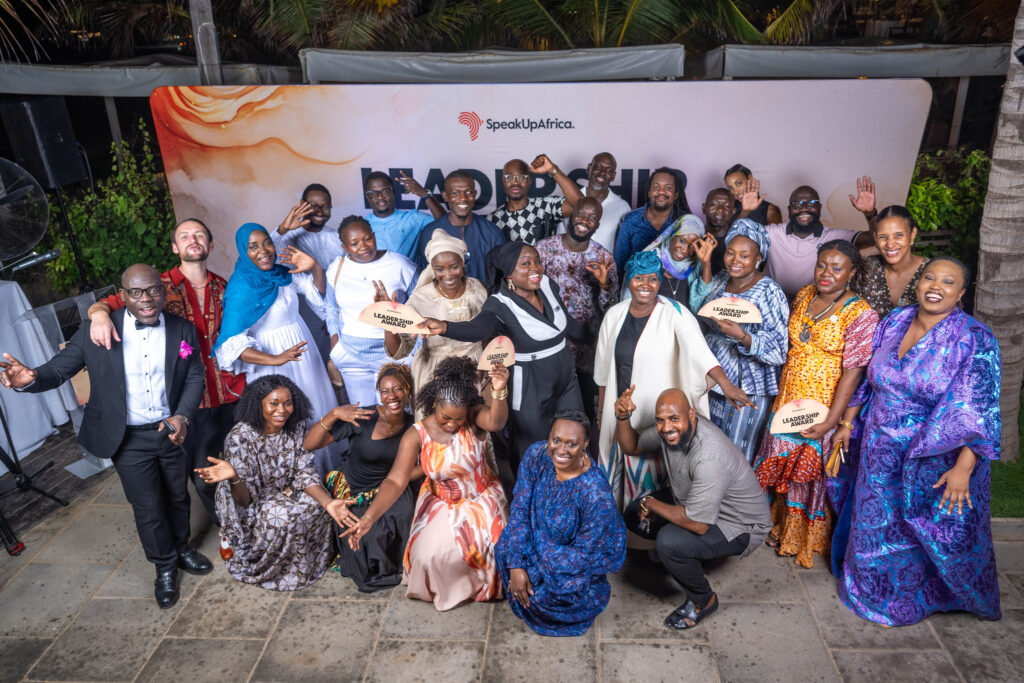
Annual flagship event · Dakar
Speak Up Africa Day
Celebrating leadership, fostering innovation and strengthening collaboration for health and sustainable development across Africa.
About Speak Up Africa Day
Speak Up Africa Day is an annual flagship event that celebrates leadership, fosters innovation, and strengthens collaboration for health and sustainable development across Africa.
Grounded in the conviction that African voices must lead African solutions, Speak Up Africa Day brings together policymakers, civil society, private sector, youth, and community leaders to reflect, connect, and co-create pathways toward a healthier and thriving continent.
The editions
Three gatherings, one conviction: African-led solutions deliver results.
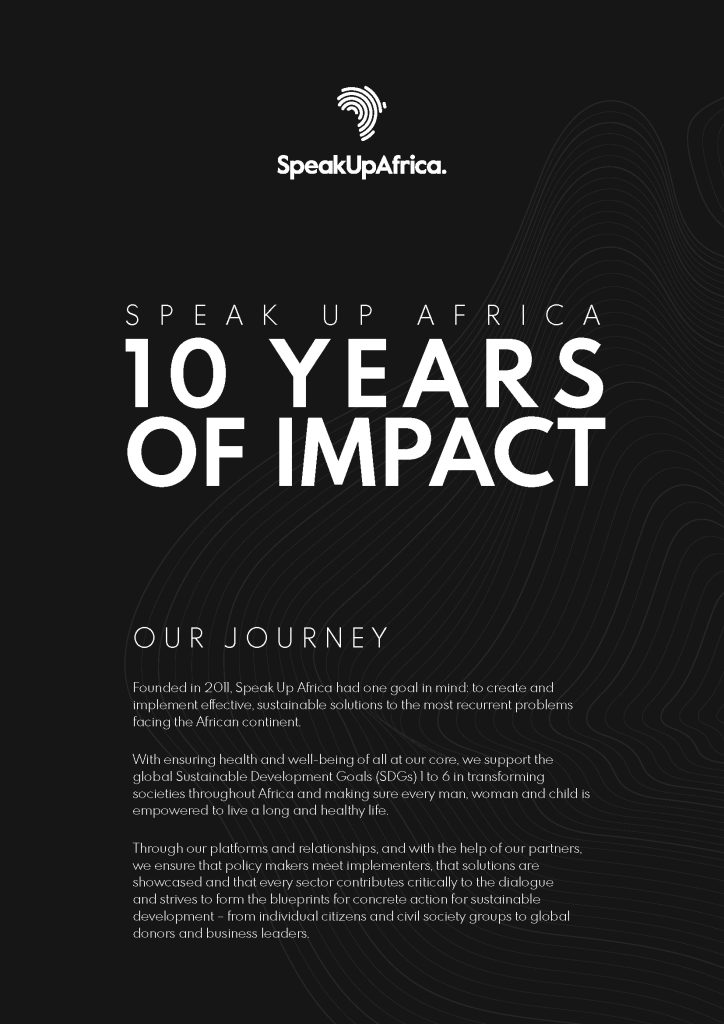
15 Years of Impact
- Dates
- November 11-12, 14 & 20, 2026
- Theme
- African-led solutions for healthy and thriving African societies
- Venue
- House of Afreeka · Maison Madera, Dakar
The third edition of Speak Up Africa Day marks a milestone: 15 years of working in partnership to drive progress on health, equity and education across Africa. This year, the event takes on a new scale and an extraordinary setting.
In November 2026, Dakar hosts two historic events at the same time: the first Youth Olympic Games on African soil and the Biennale de Dakar. Speak Up Africa Day will take place inside House of Afreeka at Maison Madera, a creative house at the center of this convergence of sport, art, culture and social impact. Our ambition is to translate the energy and attention that Africa’s sport and culture already commands into catalytic action on the challenges that matter most to the continent.
Across four days, participants will
Speak Up Africa Day expands into a multi-day activation. Across four days, leaders, innovators, athletes, artists, young people and partners will come together to:
Celebrate 15 years of partnership and collective impact across health, equity and education, proving that African-led solutions work.
Harness the power of sport and culture to bring new audiences into conversations about Africa's biggest challenges and toward the solutions.
Unite diverse actors, from governments and businesses to civil society, youth and media, around a shared responsibility for Africa's future.
Launch new initiatives and commitments that extend the impact of the event beyond the sessions themselves.
A program across formats
The program brings together powerful partnerships, women's leadership, scientific innovation, youth voices and sport across a range of formats designed to move from inspiration to action:
A high-level opening talk setting the stage for shared ambition, followed by African Voices of Science, where scientists, innovators and decision-makers explore what it will take to move African malaria solutions from evidence to action.
A Women in Leadership Lunch and BAL4HER Power Hour, where women athletes, mentors and advocates explore how sport can build leadership and turn advocacy into action.
Story Lab: Next Gen, a platform for young storytellers to frame the issues and future that matter to their generation.
First Shot: Champions Circle, bringing together athletes and advocates around sport as a force for social change.
Learning Changes Everything, a session on foundational literacy and bilingual education, featuring a live game show, a continental campaign launch and the signing of a Youth Charter for bilingual education.
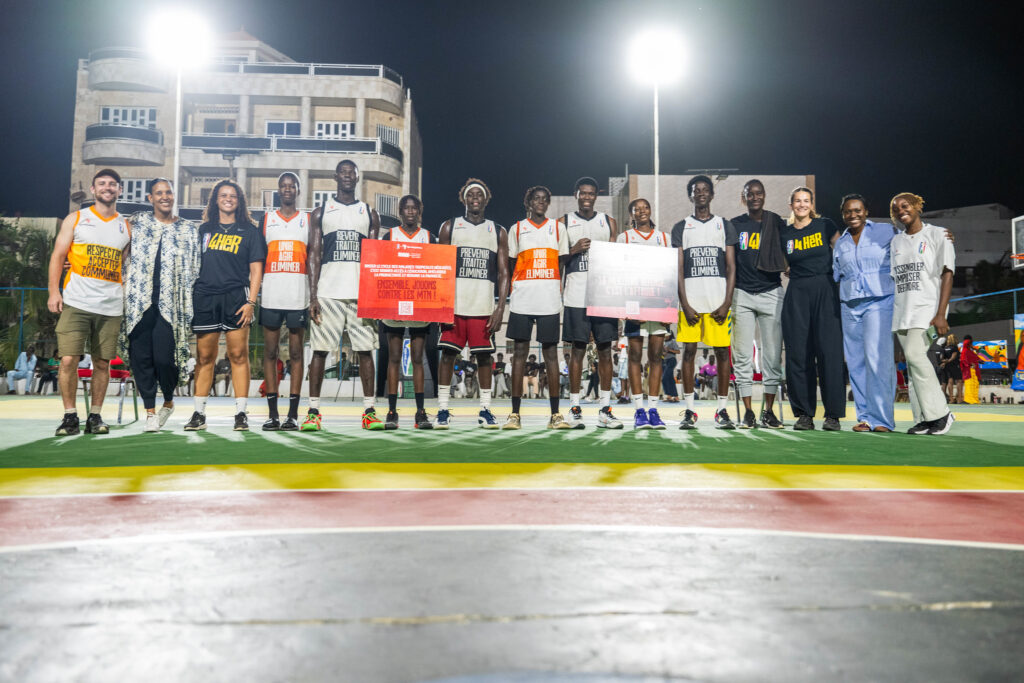
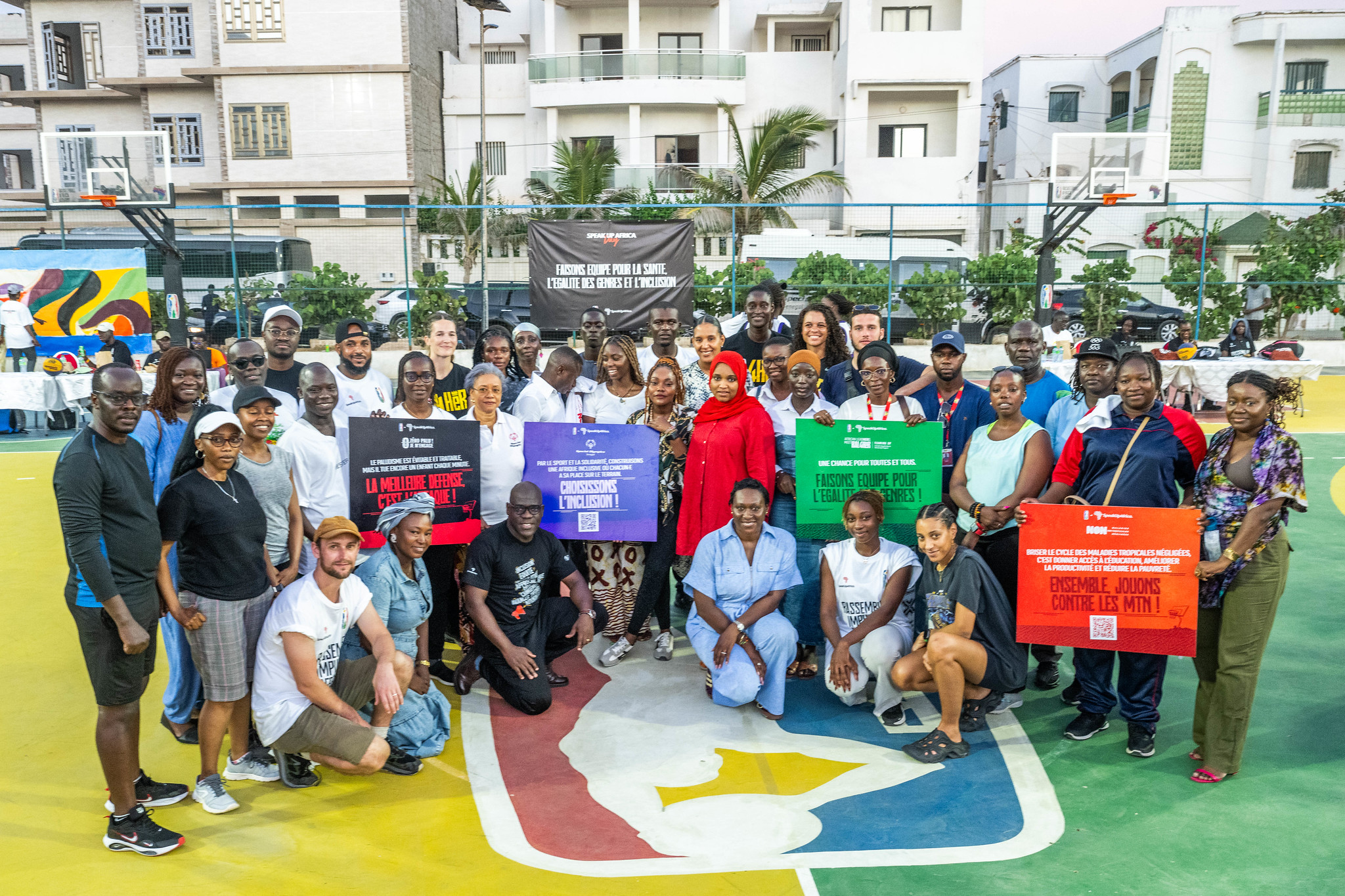
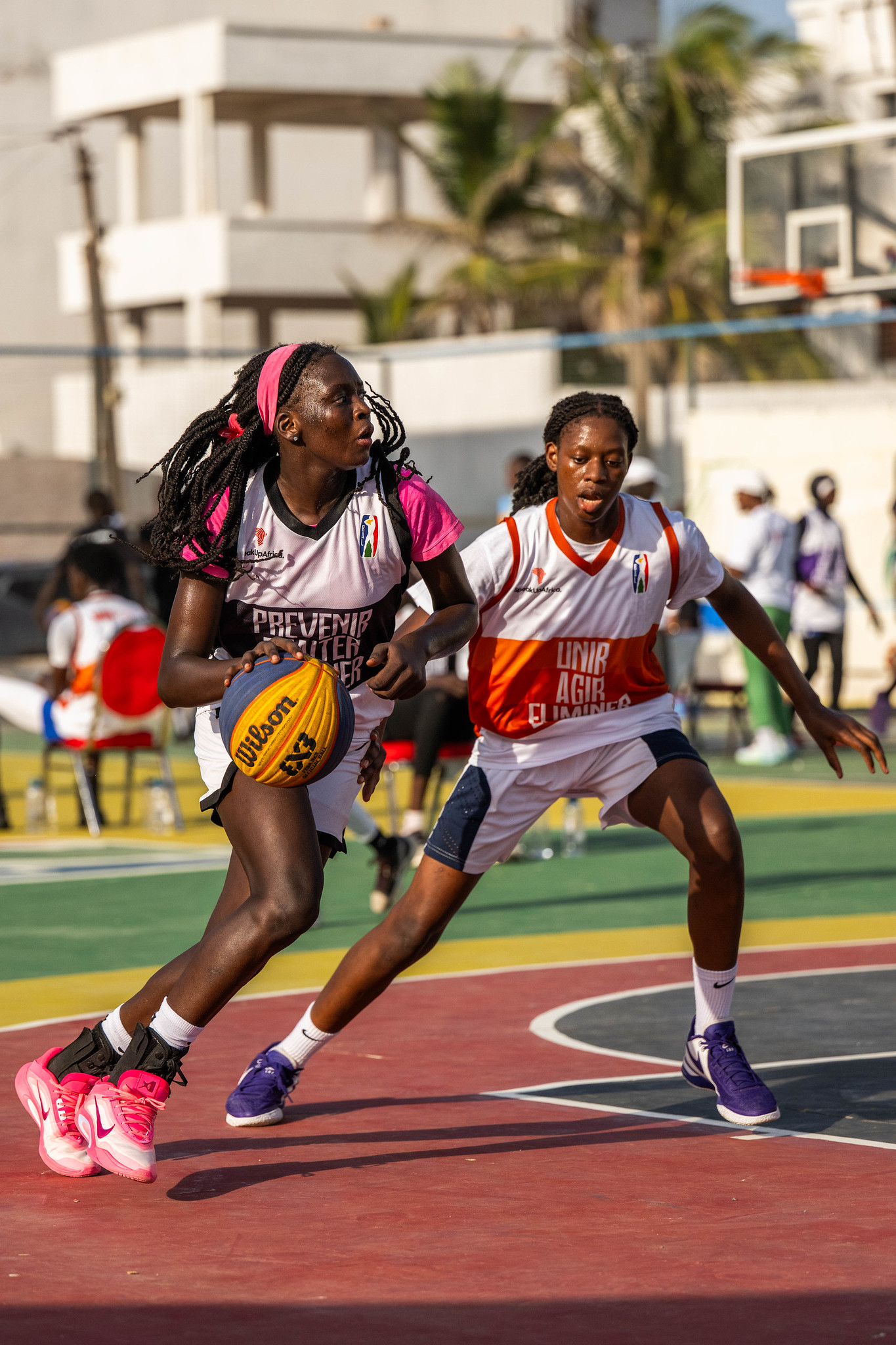
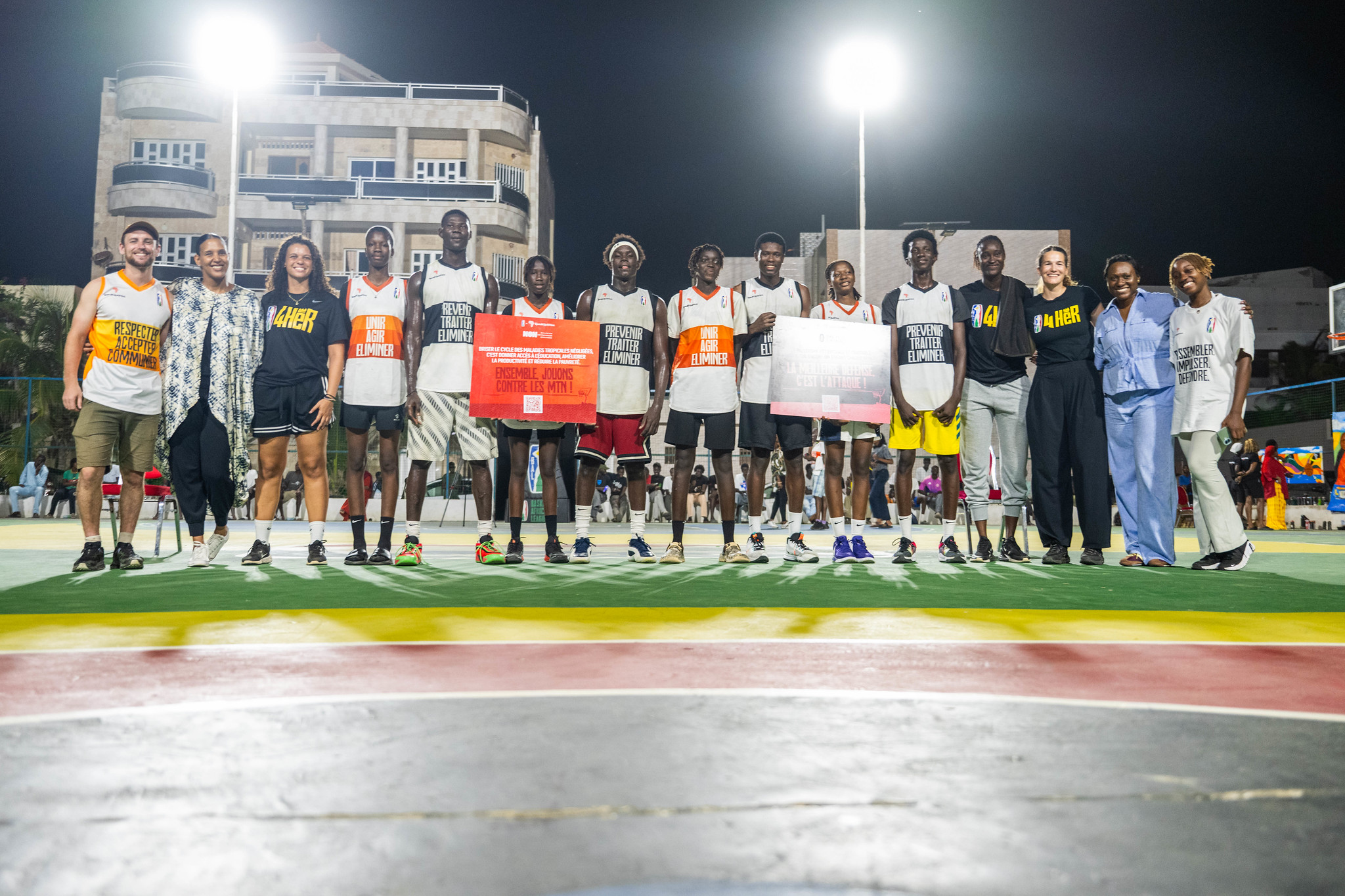
BAL x SUA: Basketball for Health and Advocacy, a full-day community activation in Guediawaye bringing together youth from Senegal and Benin through basketball, advocacy and engagement.
Voix EssentiELLES: Advocacy Meets Art, an immersive experience where photography, spoken word and slam poetry bring to life the journeys of women community leaders transforming the lives of women and girls across Francophone Africa.
A Zero Malaria Private Sector Lunch, mobilizing corporate commitment for health impact.
The Speak Up Africa 15th Anniversary Cocktail Reception, celebrating the partnerships and people that have driven 15 years of progress.
Immersive experiences
Running across all days, three immersive experiences anchor the event in art, storytelling and media: the Jambaar Exhibition by Franco-Cameroonian pop artist Fred Ebami, the Voix EssentiELLES Exhibition, an immersive photography installation by Senegalese-Spanish visual storyteller Edgar Barros, both curated by Mohamed A. Cisse, and a Media Corner featuring interviews, REMAPSEN reporters, young journalists and content creators.
By bringing science, sport, culture, advocacy and community together in one extraordinary setting, Speak Up Africa Day 2026 will show what becomes possible when Africa’s people, ideas and resources converge around a shared ambition for progress.
Africa Speaks, Africa Solves
- Date
- October 27, 2025
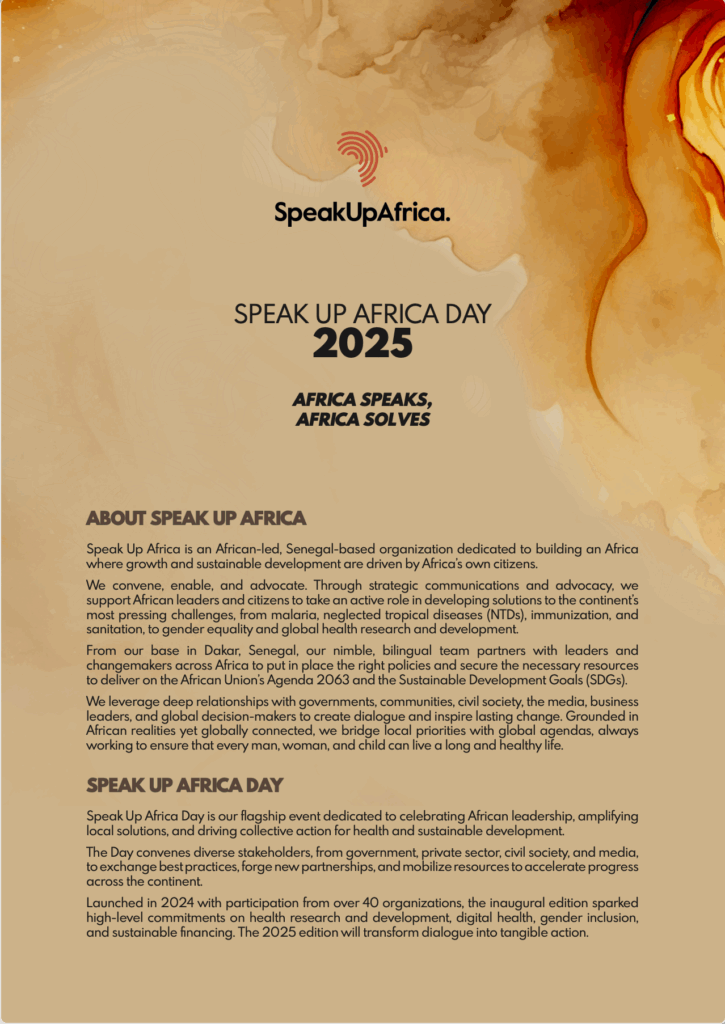
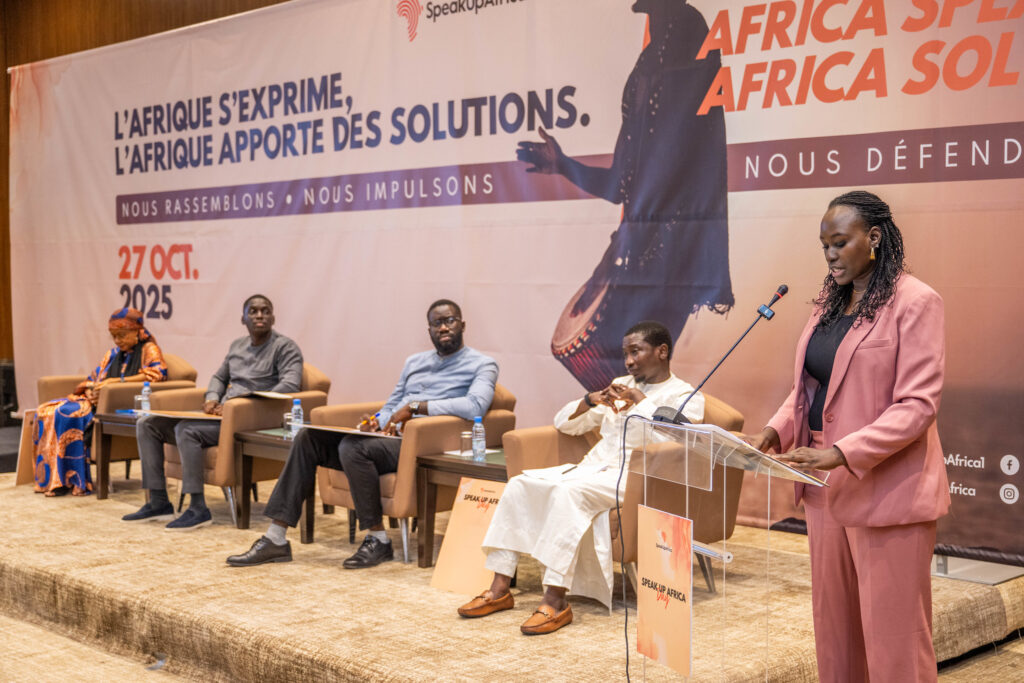
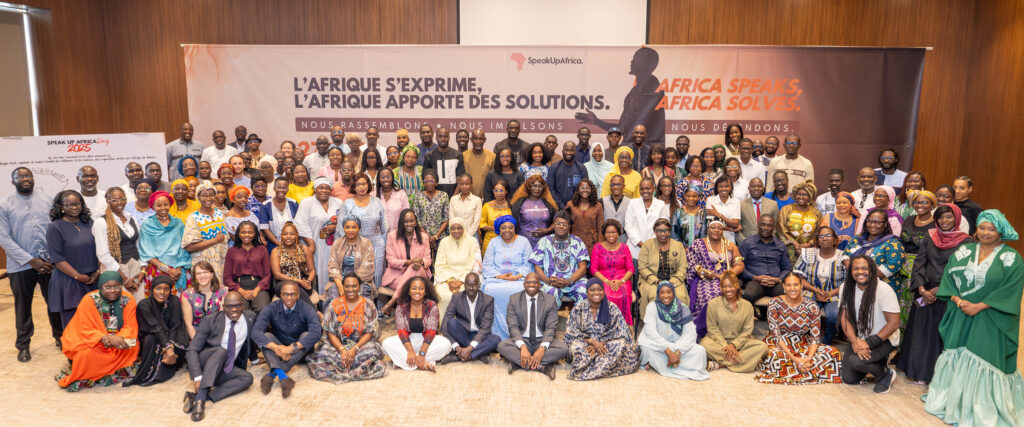
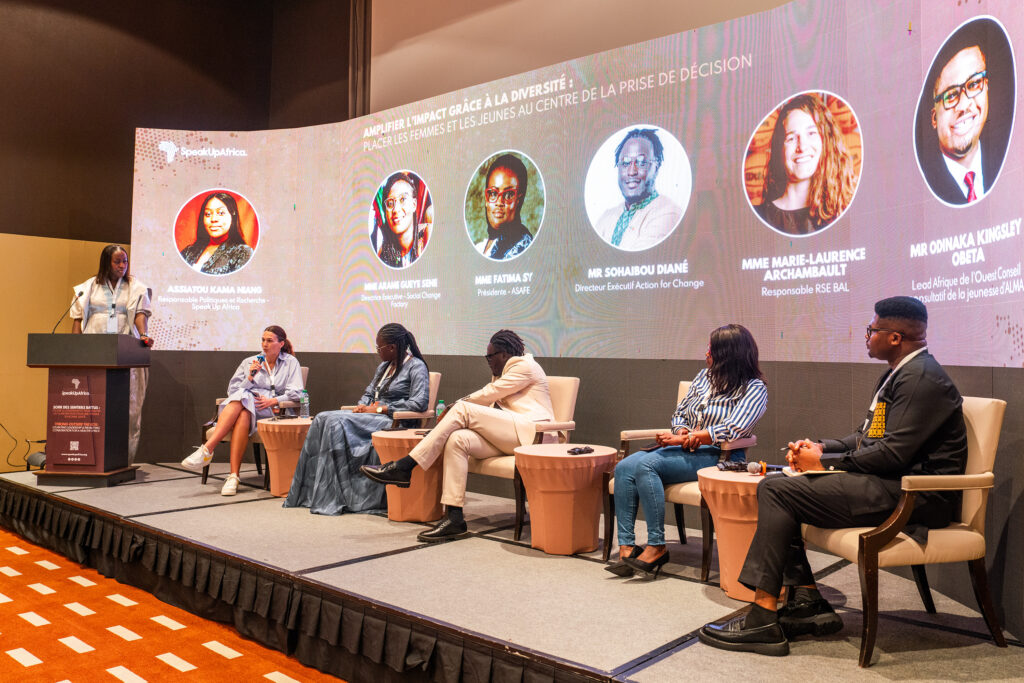
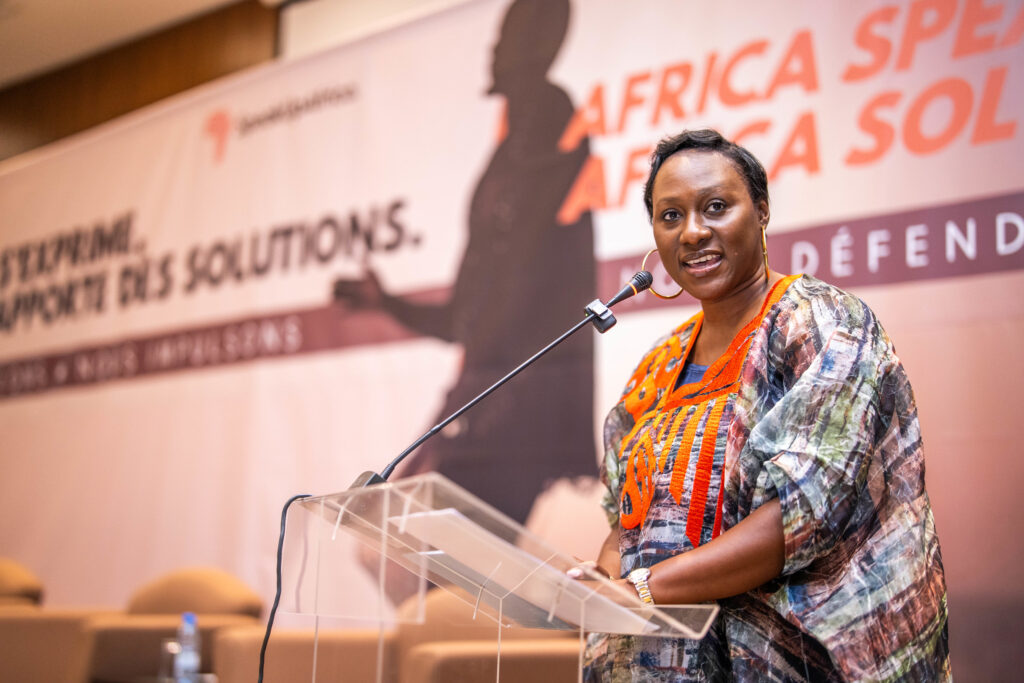
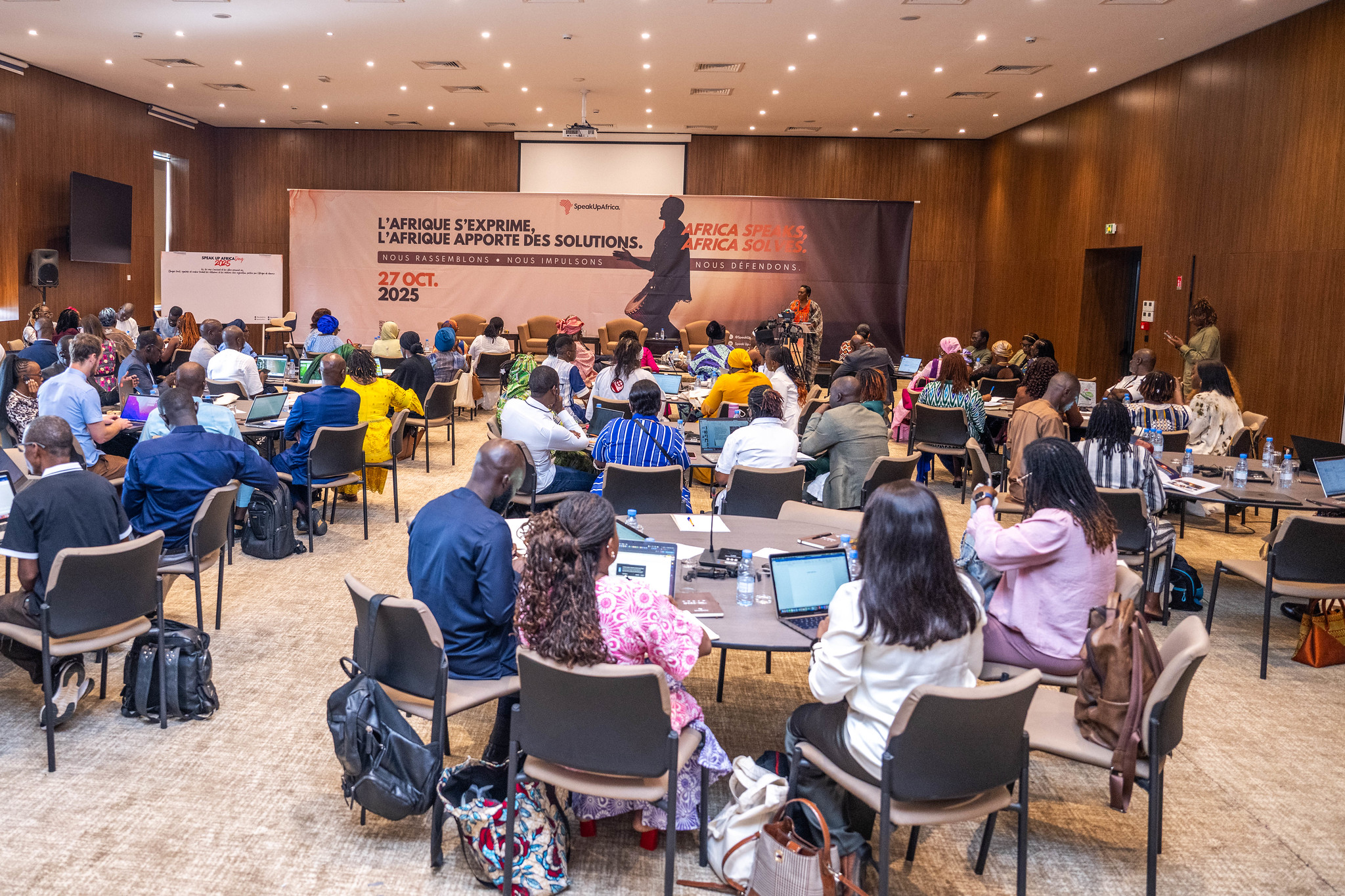
The second edition of Speak Up Africa Day builds on the foundations of 2024 with a renewed ambition: to move from dialogue to action. With the theme “Africa Speaks, Africa Solves”, this year’s gathering put the spotlight on locally driven solutions and the voices often left out of decision-making.
By blending reflection, dialogue, and hands-on collaboration, Speak Up Africa Day 2025 reaffirmed a powerful truth: Africa’s development must be driven from within, anchored in community realities, and sustained by inclusive governance.
Throughout the day, participants will
Showcase African successes in health and sustainable development, proving that change is possible when ownership is local.
Unite diverse actors — from governments and businesses to civil society, youth, and media — around a shared responsibility for Africa's future.
Shape practical pathways forward by turning lived experiences and evidence into actionable recommendations.
A format mixing inspiration and collaboration
A high-level opening with keynote speeches and strategic dialogues on leadership and resilience.
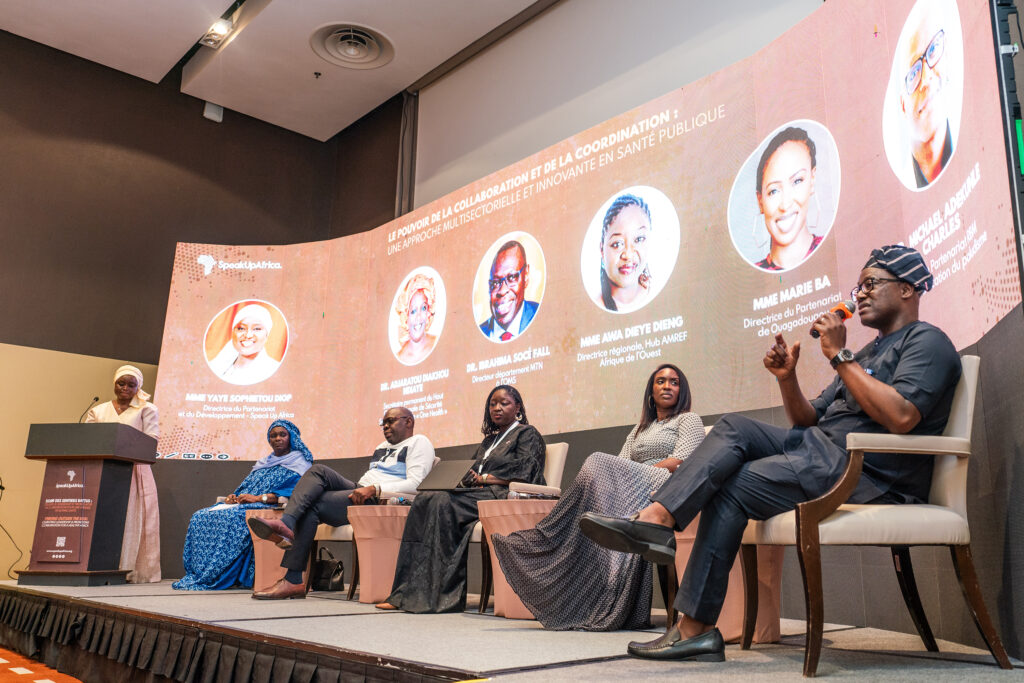
Interactive co-creation workshops where participants designed proposals on pharmaceutical production, feminist movement-building, and stronger collaboration between media and policymakers.
A closing session unveiling "The Next 4 Big Ideas" — concrete priorities to guide collective action beyond the Day.
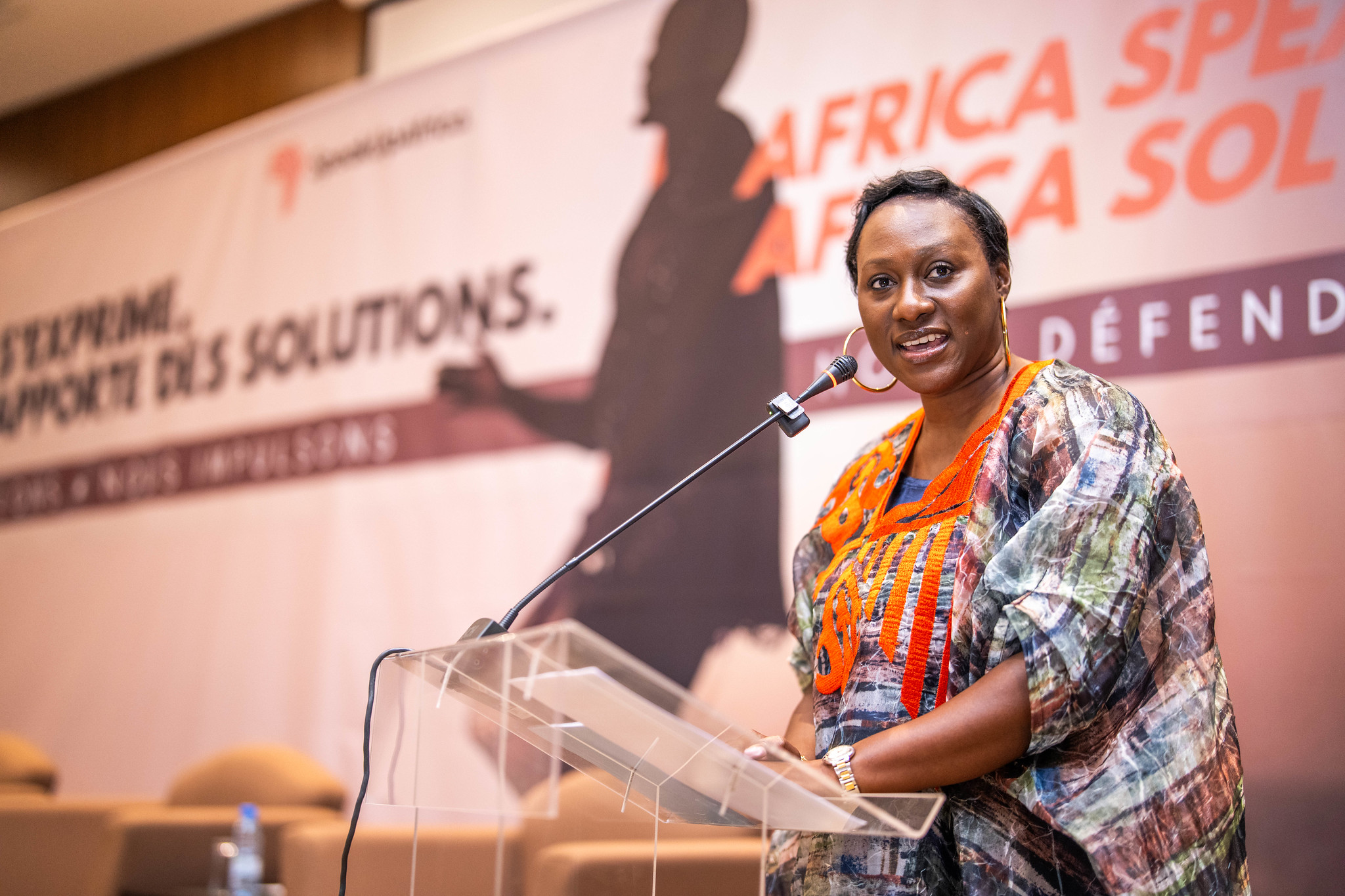
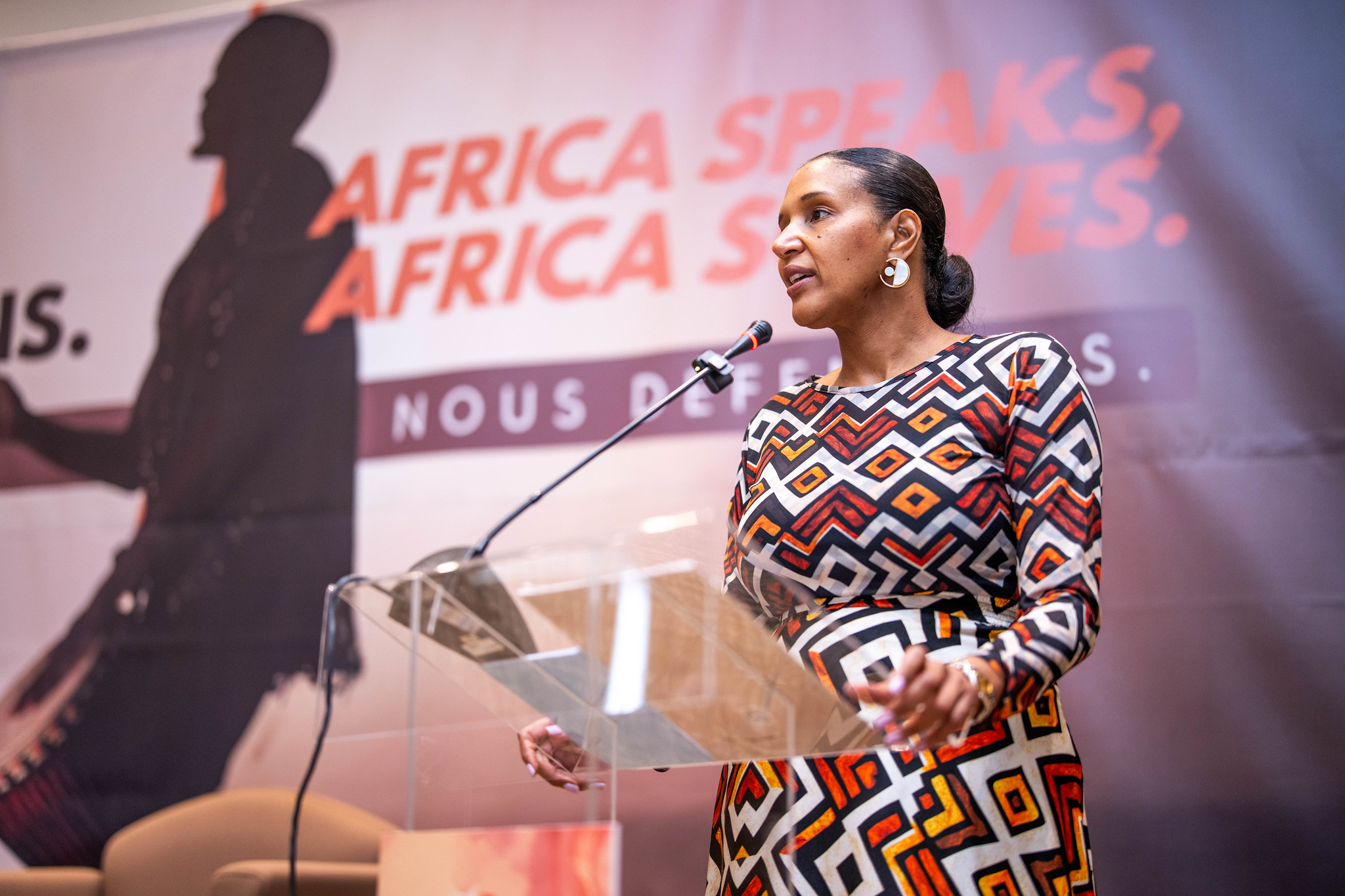
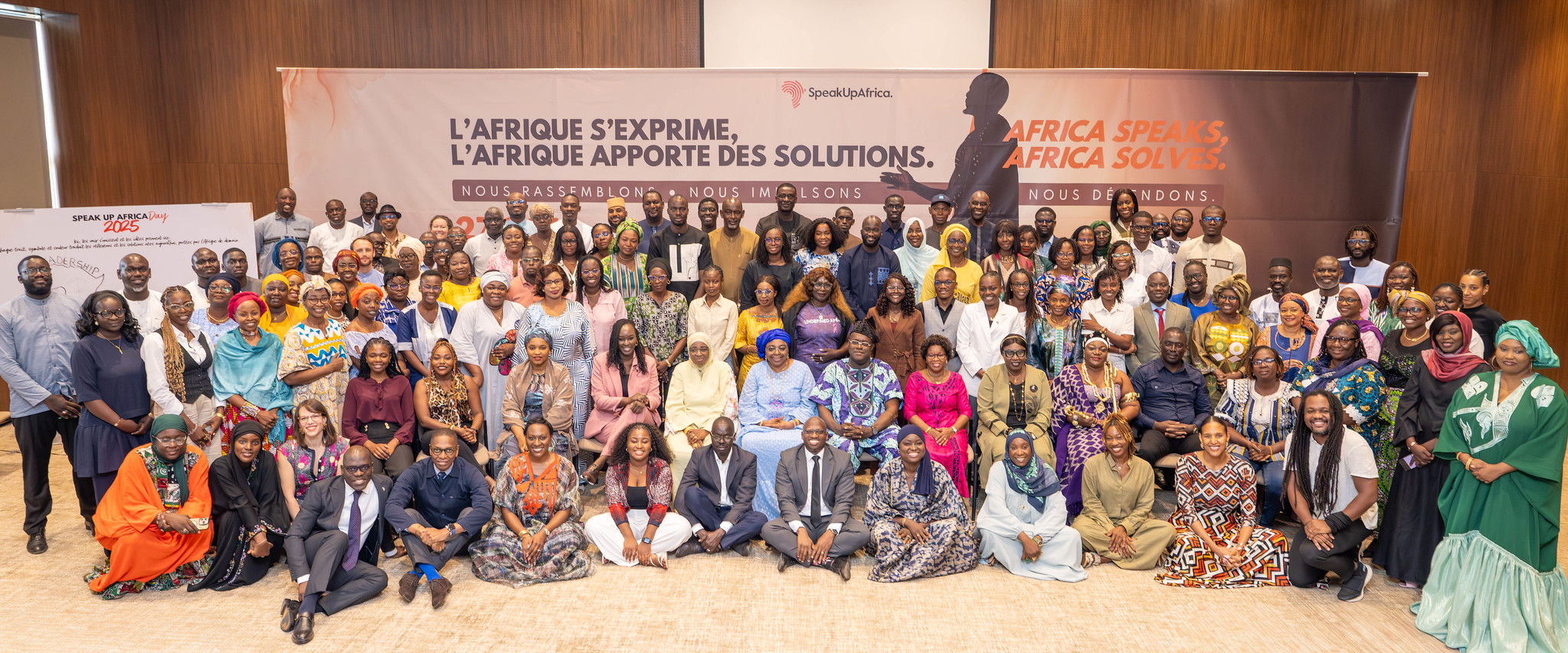
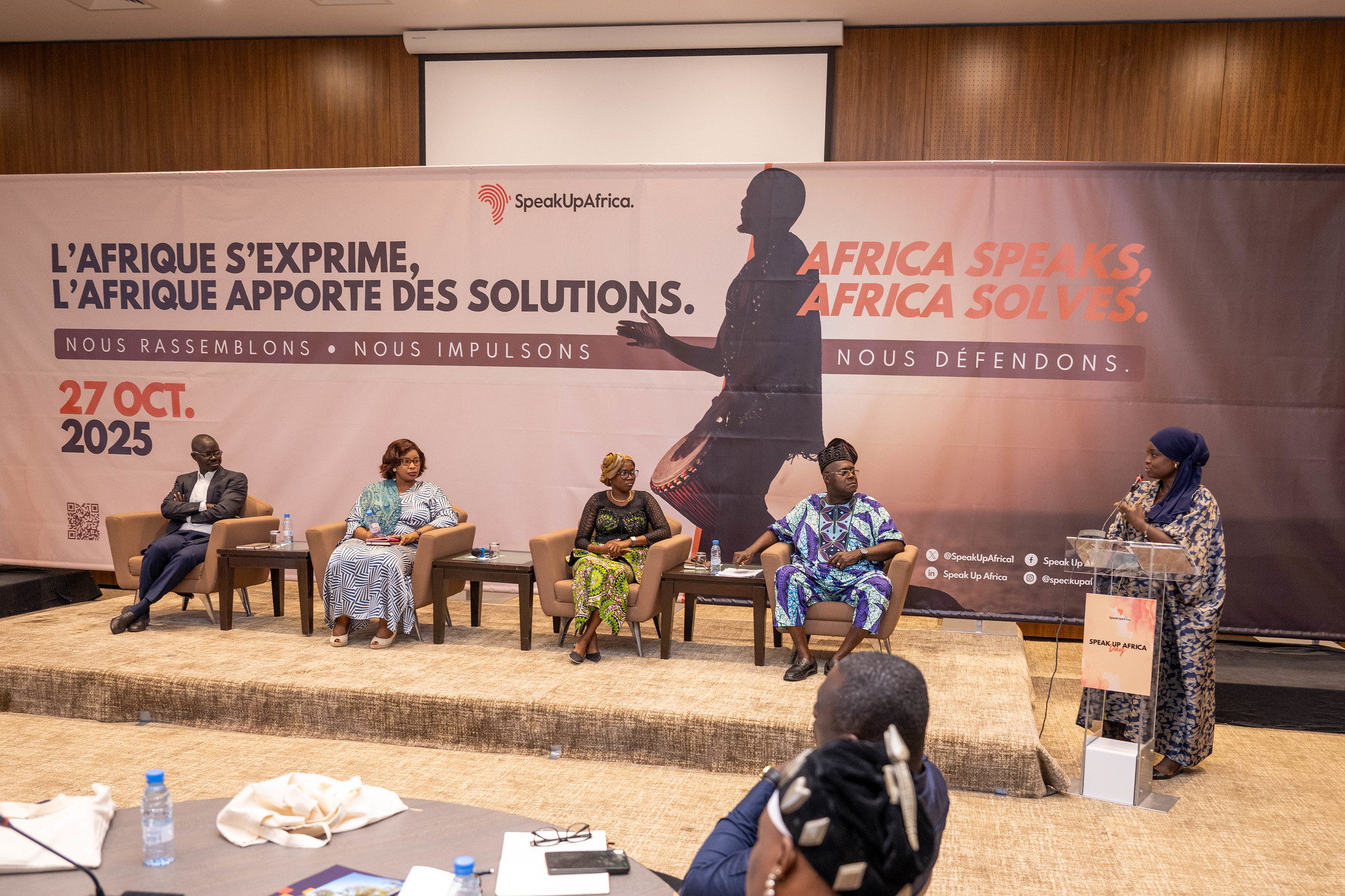
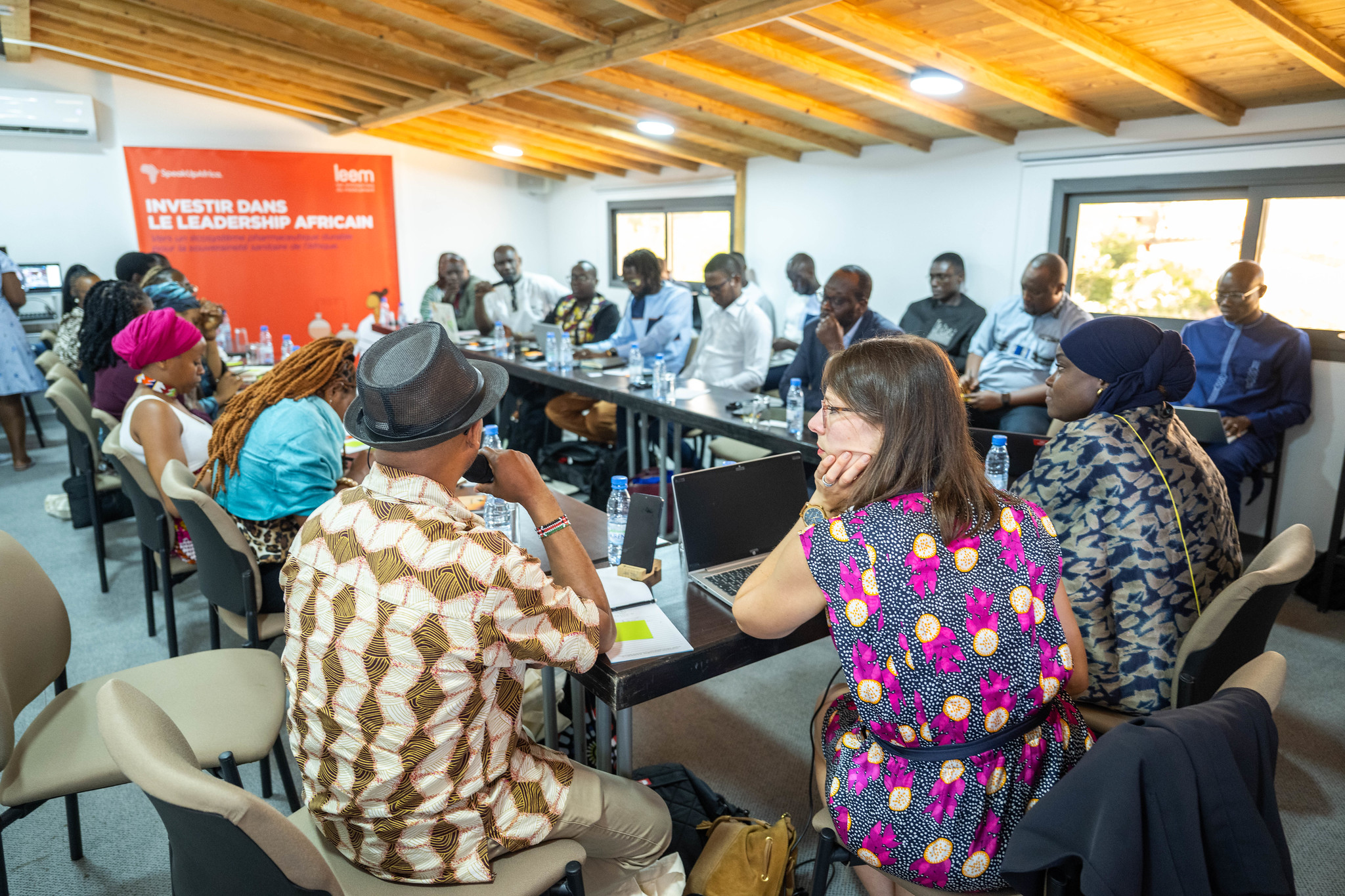
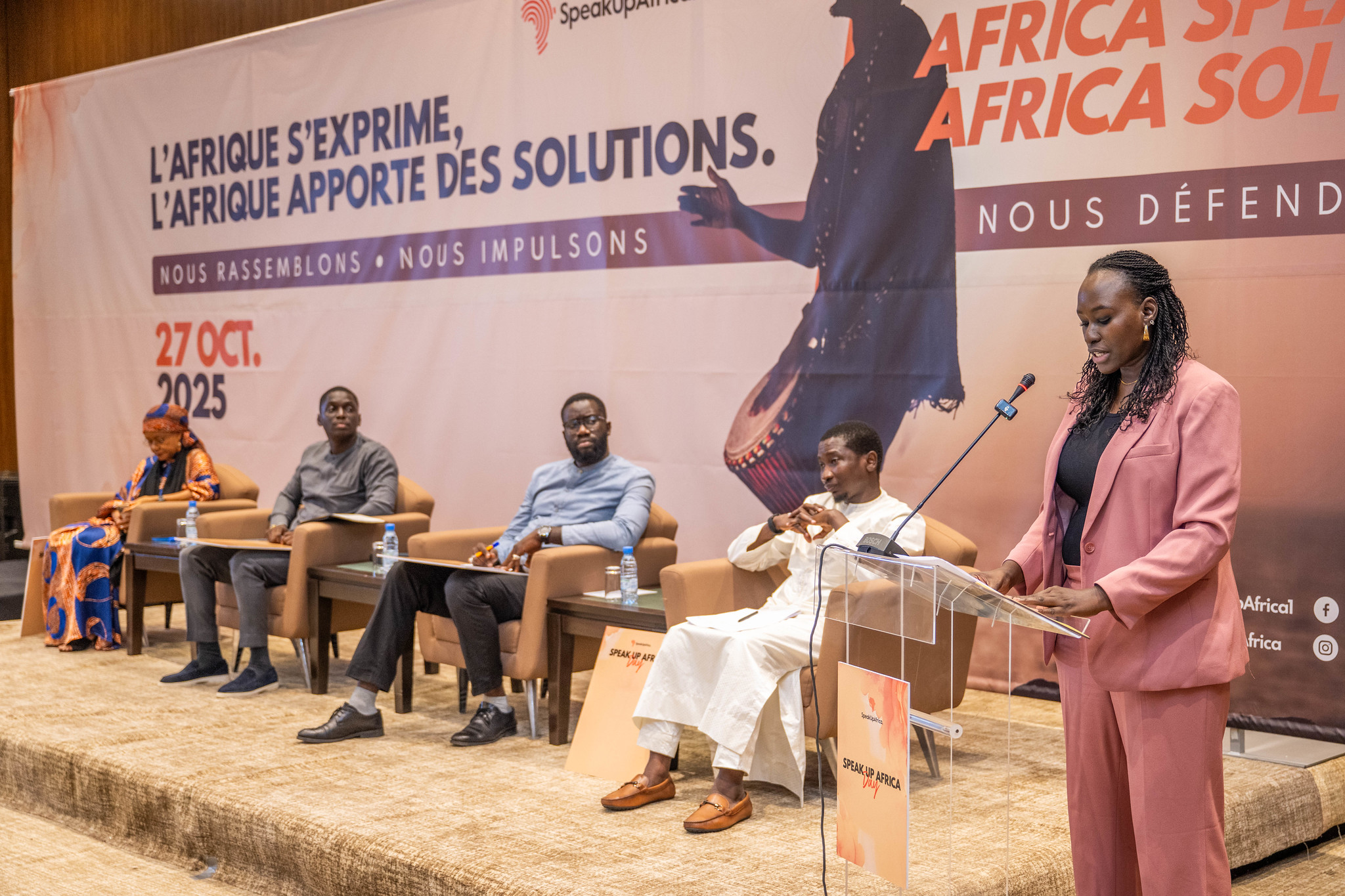
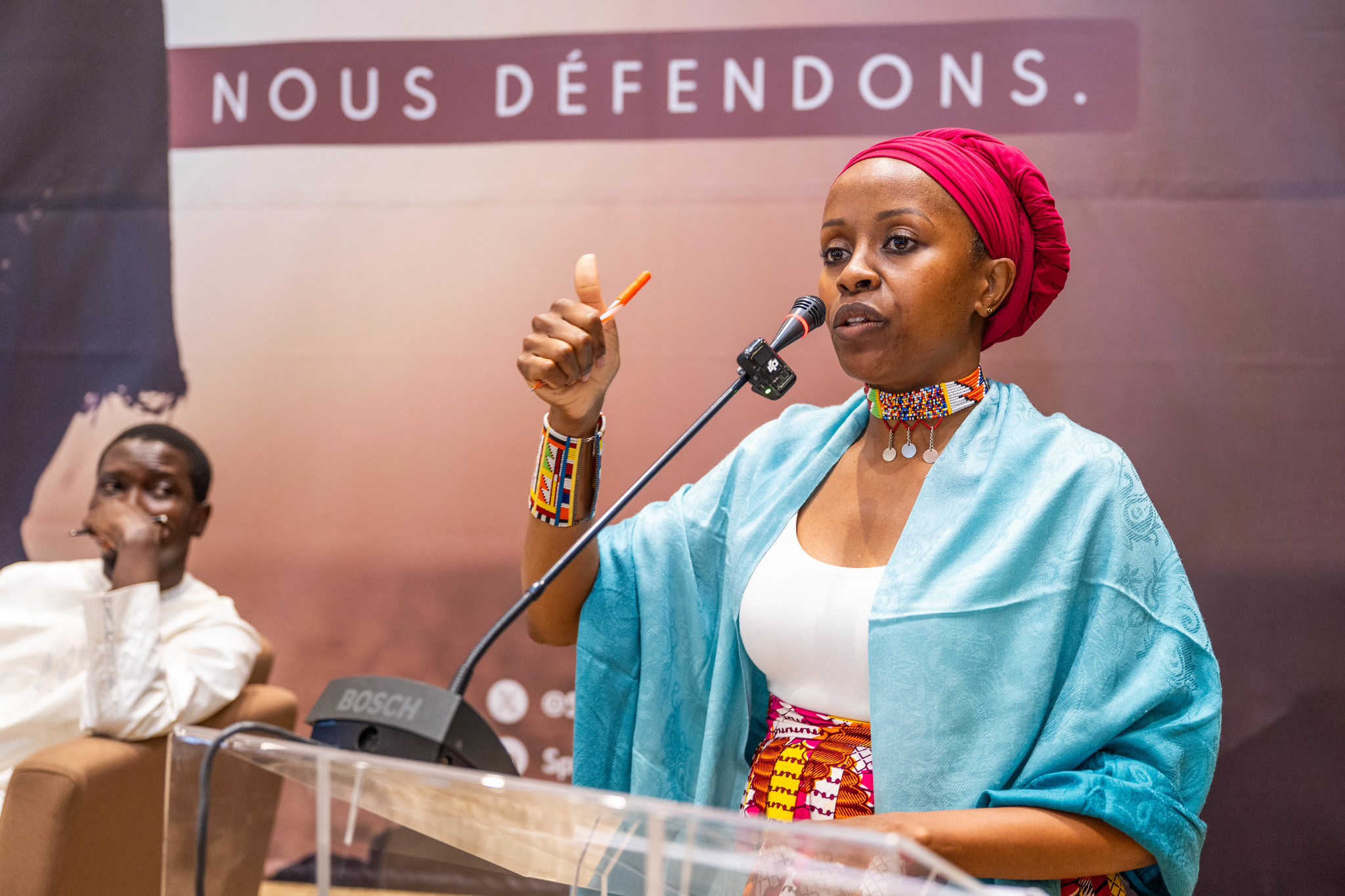
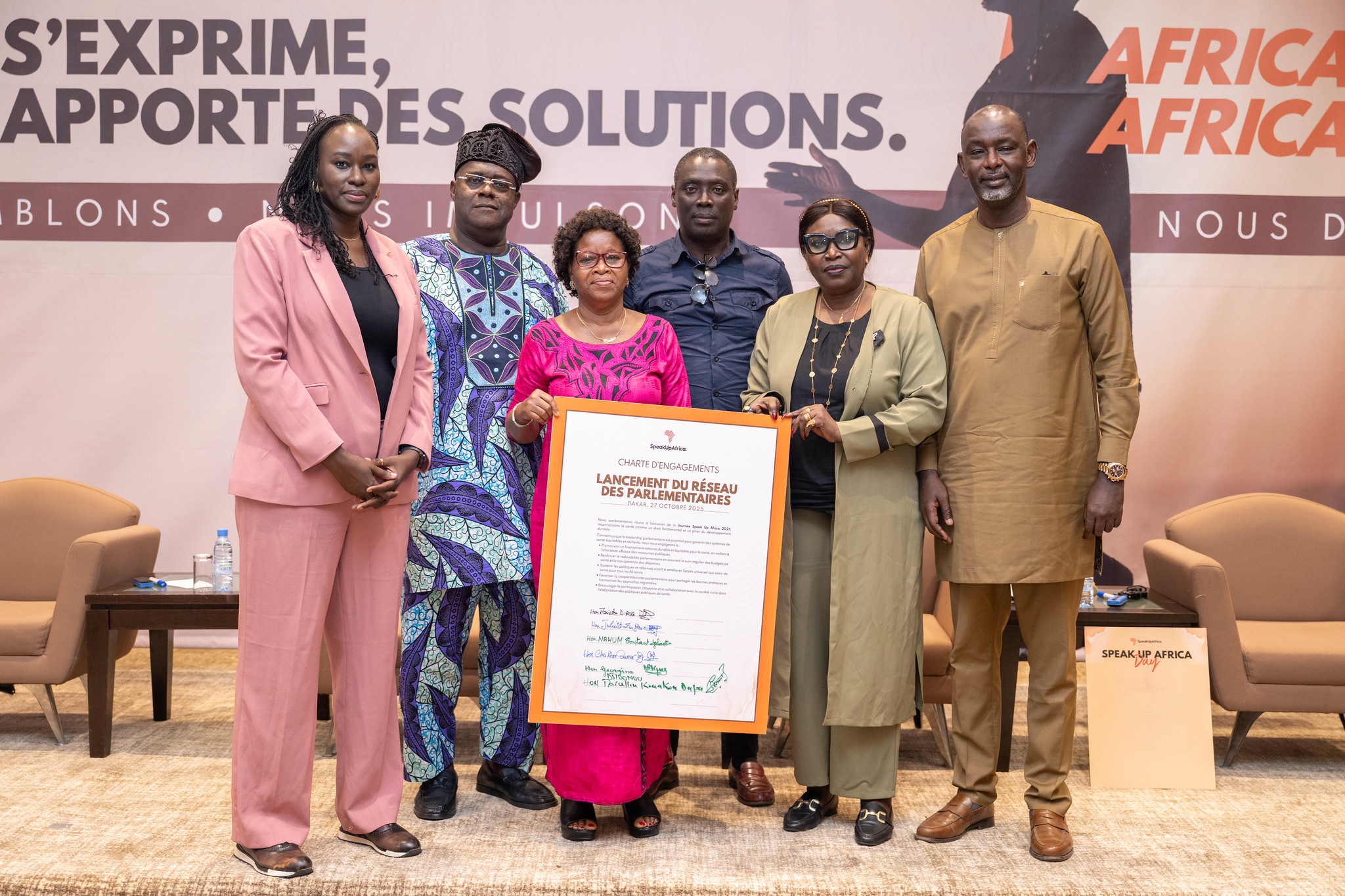
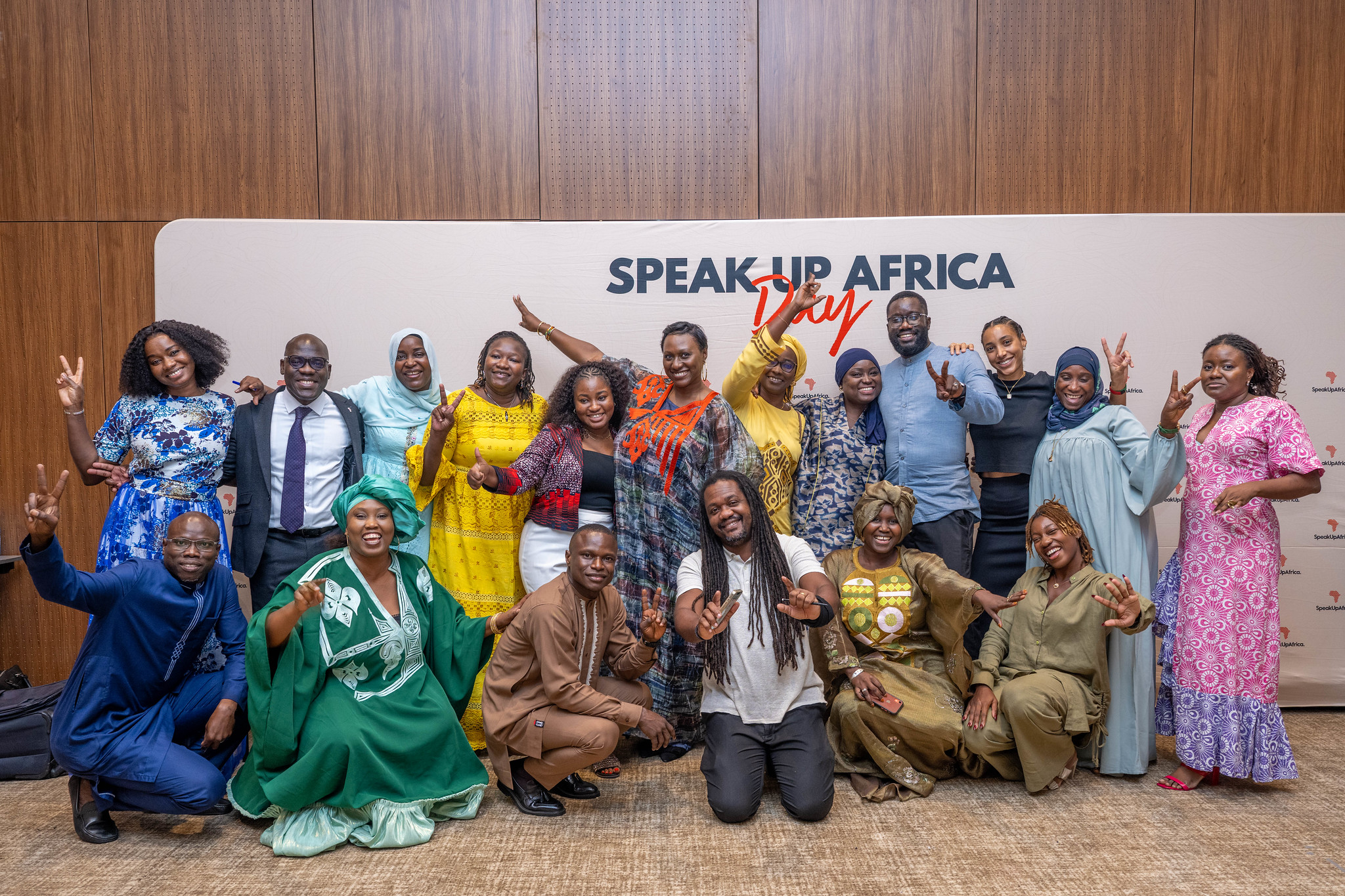
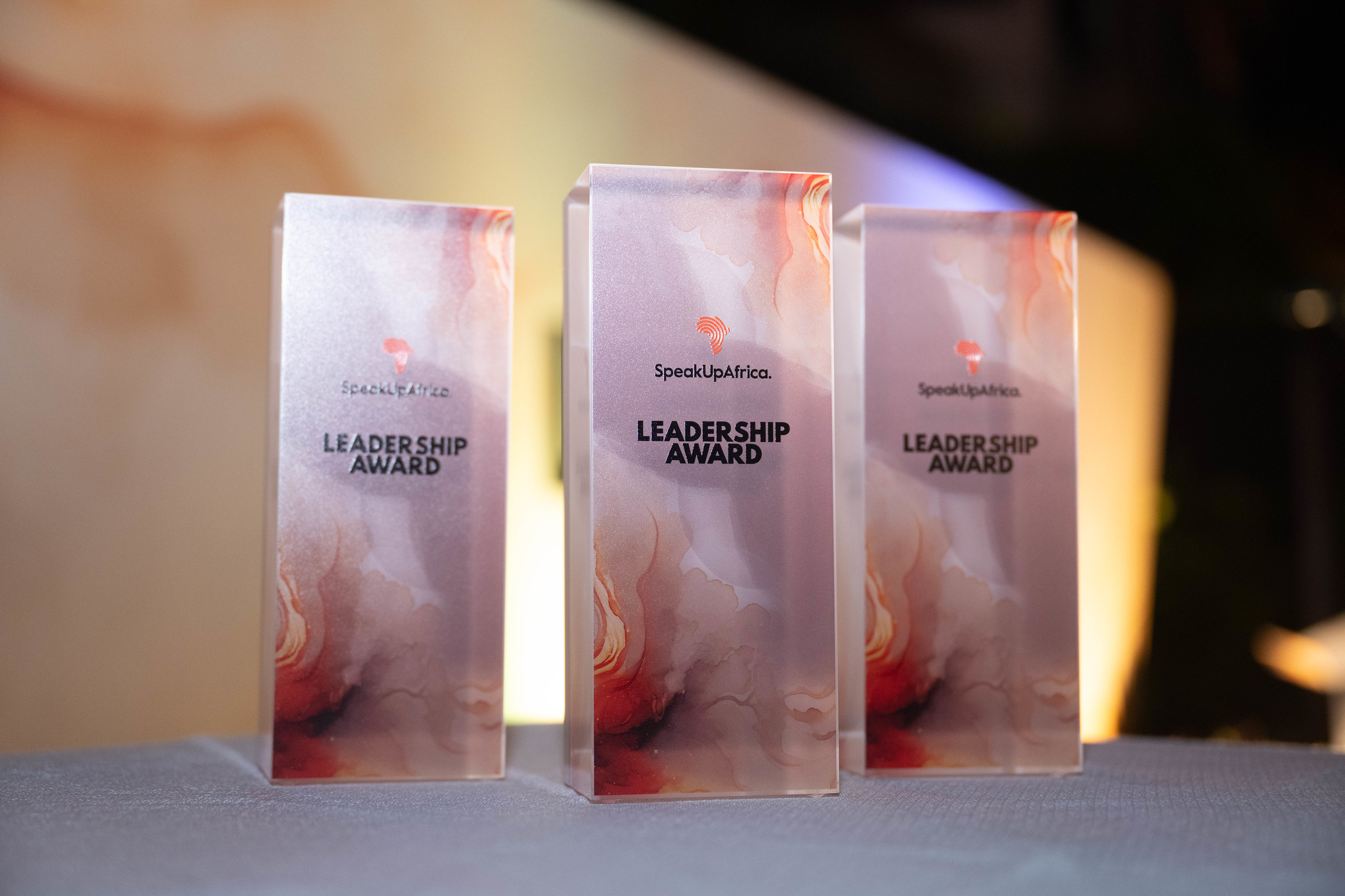
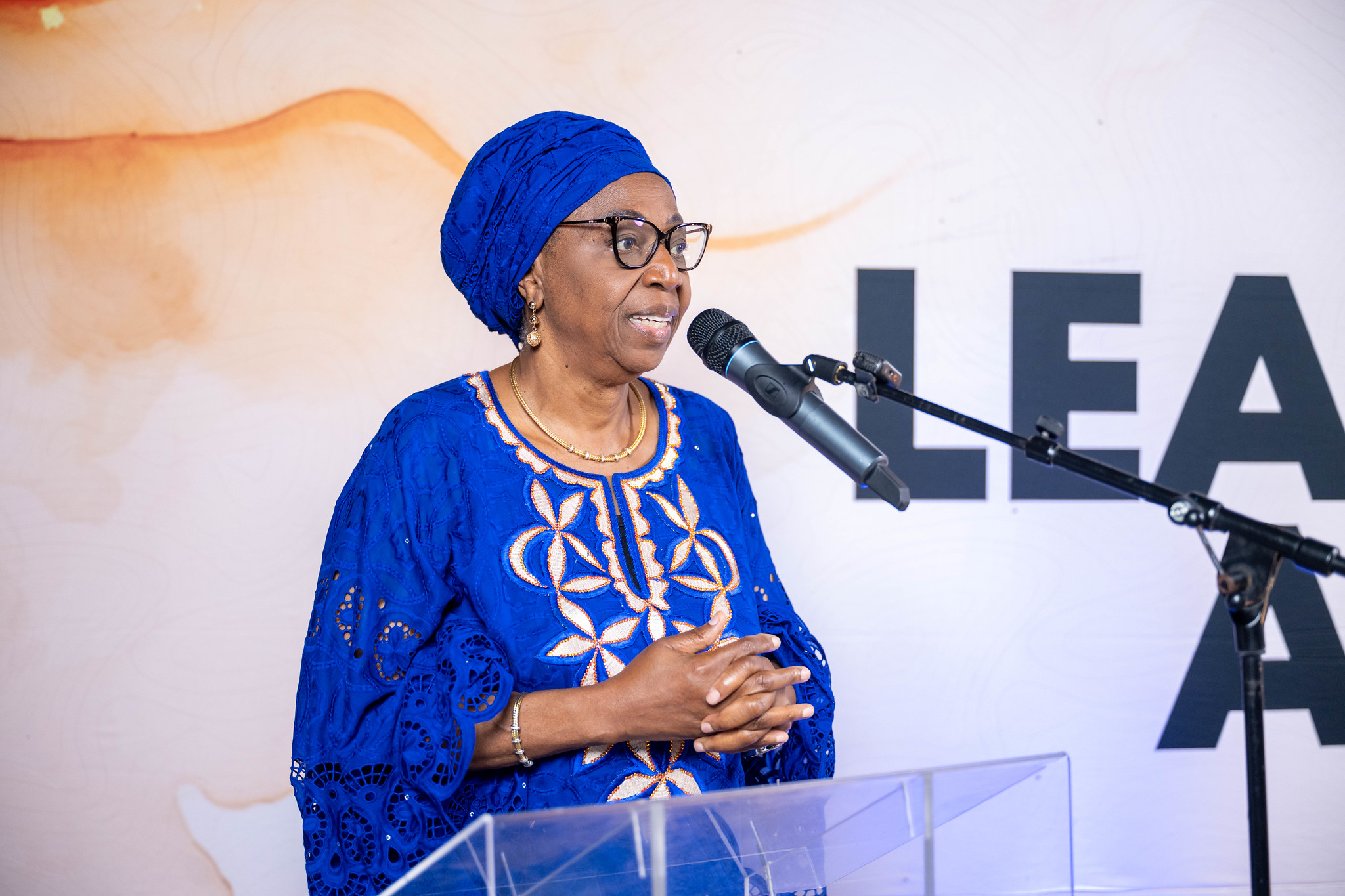
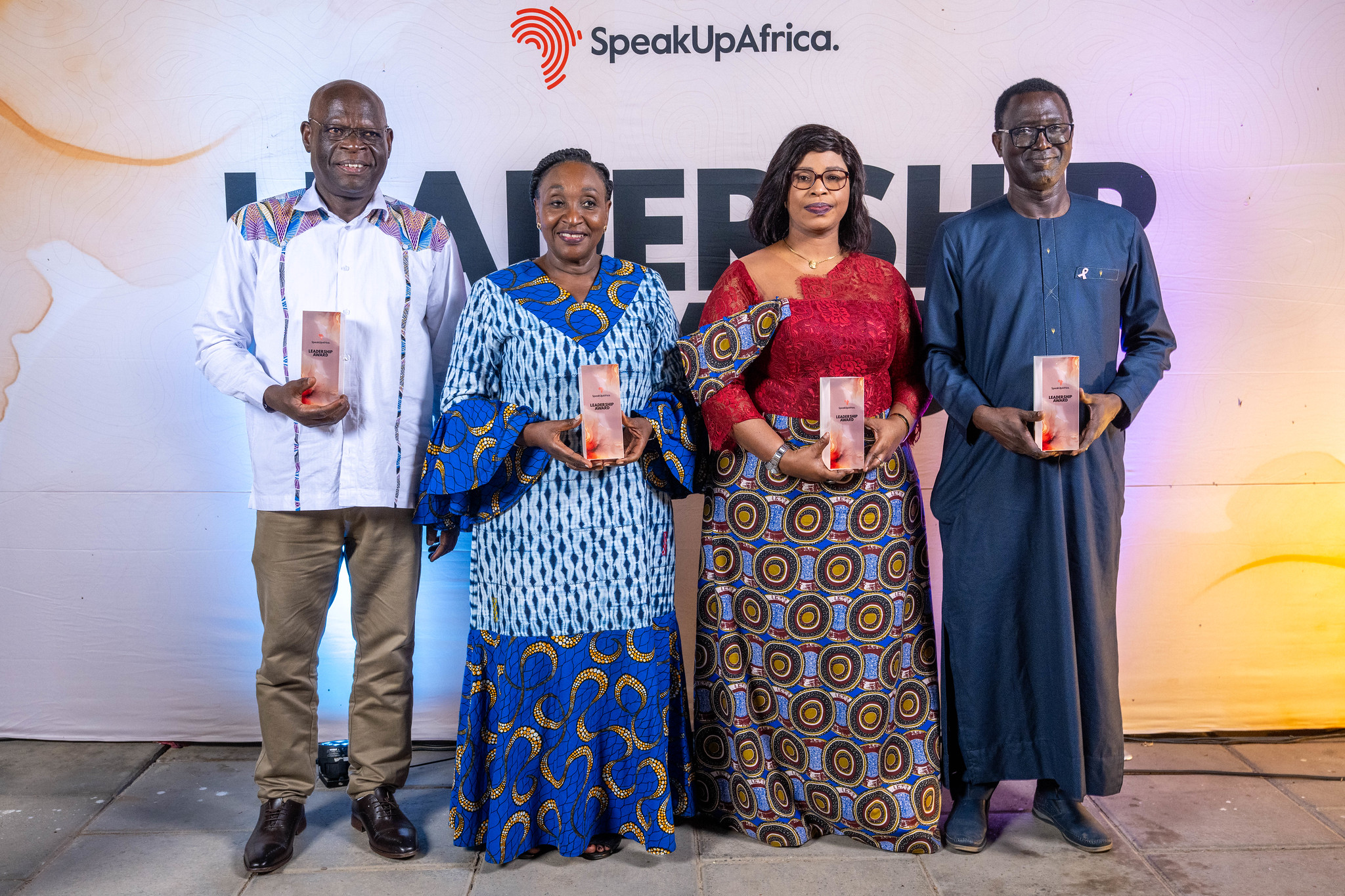
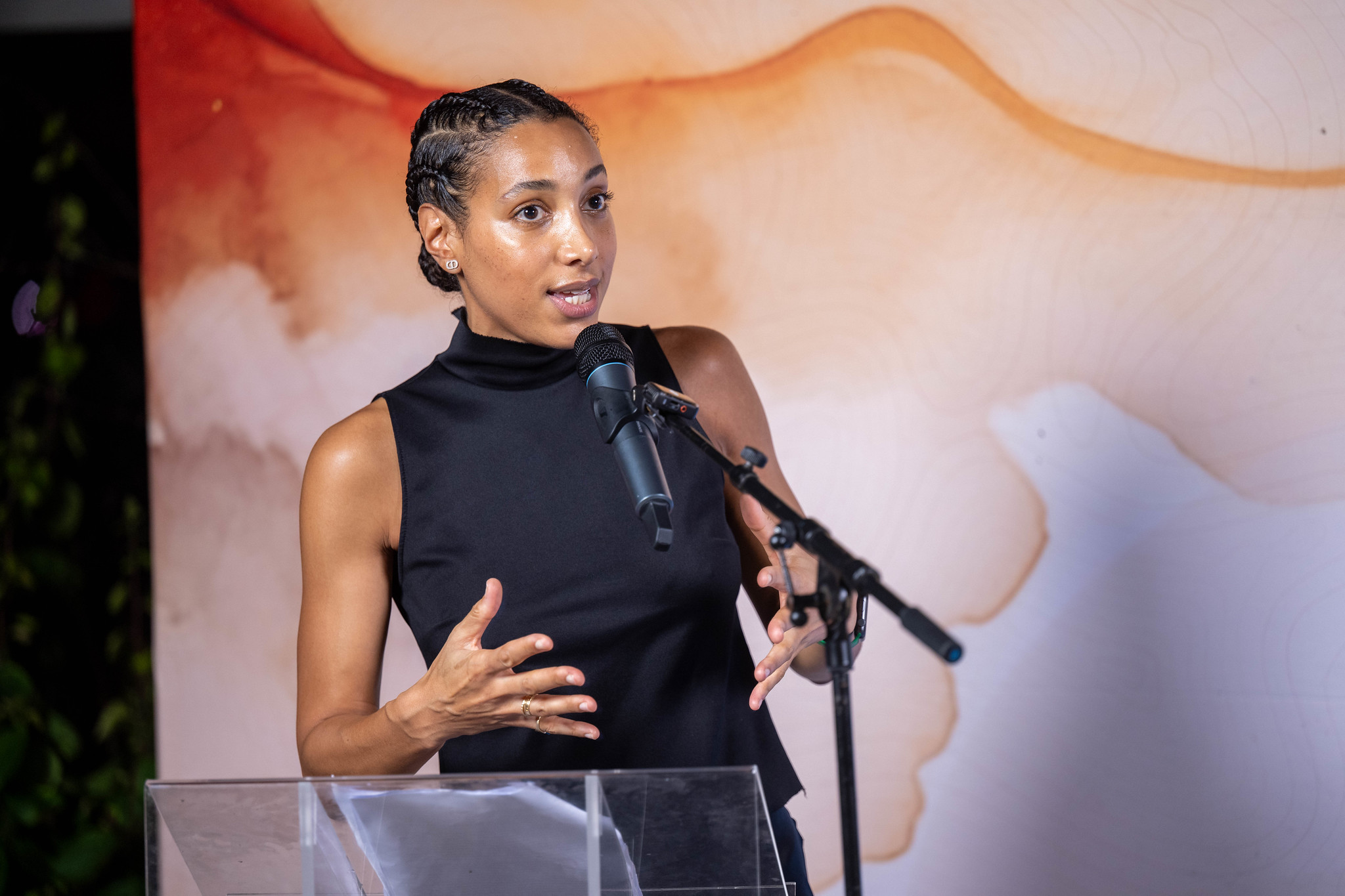
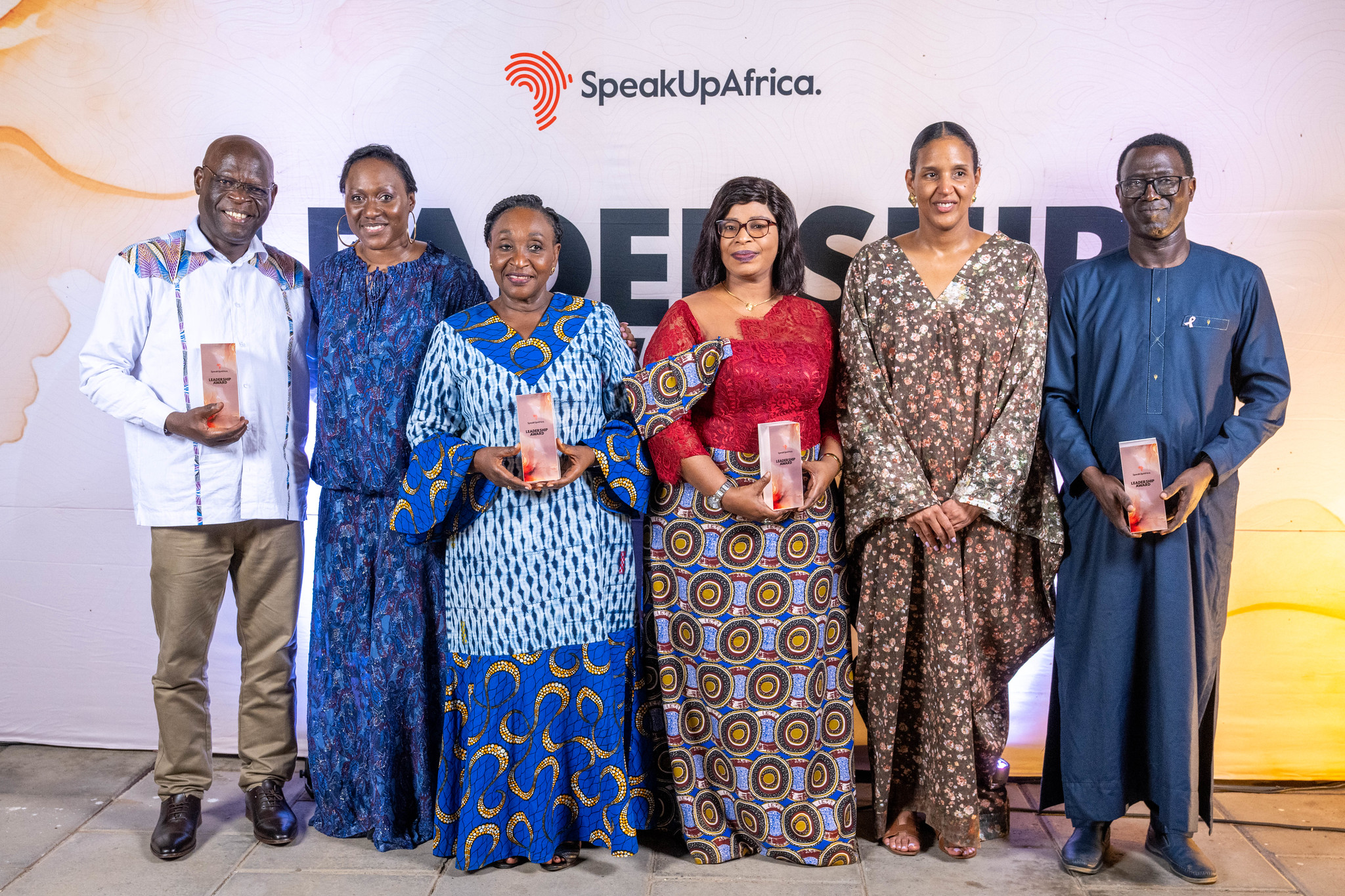
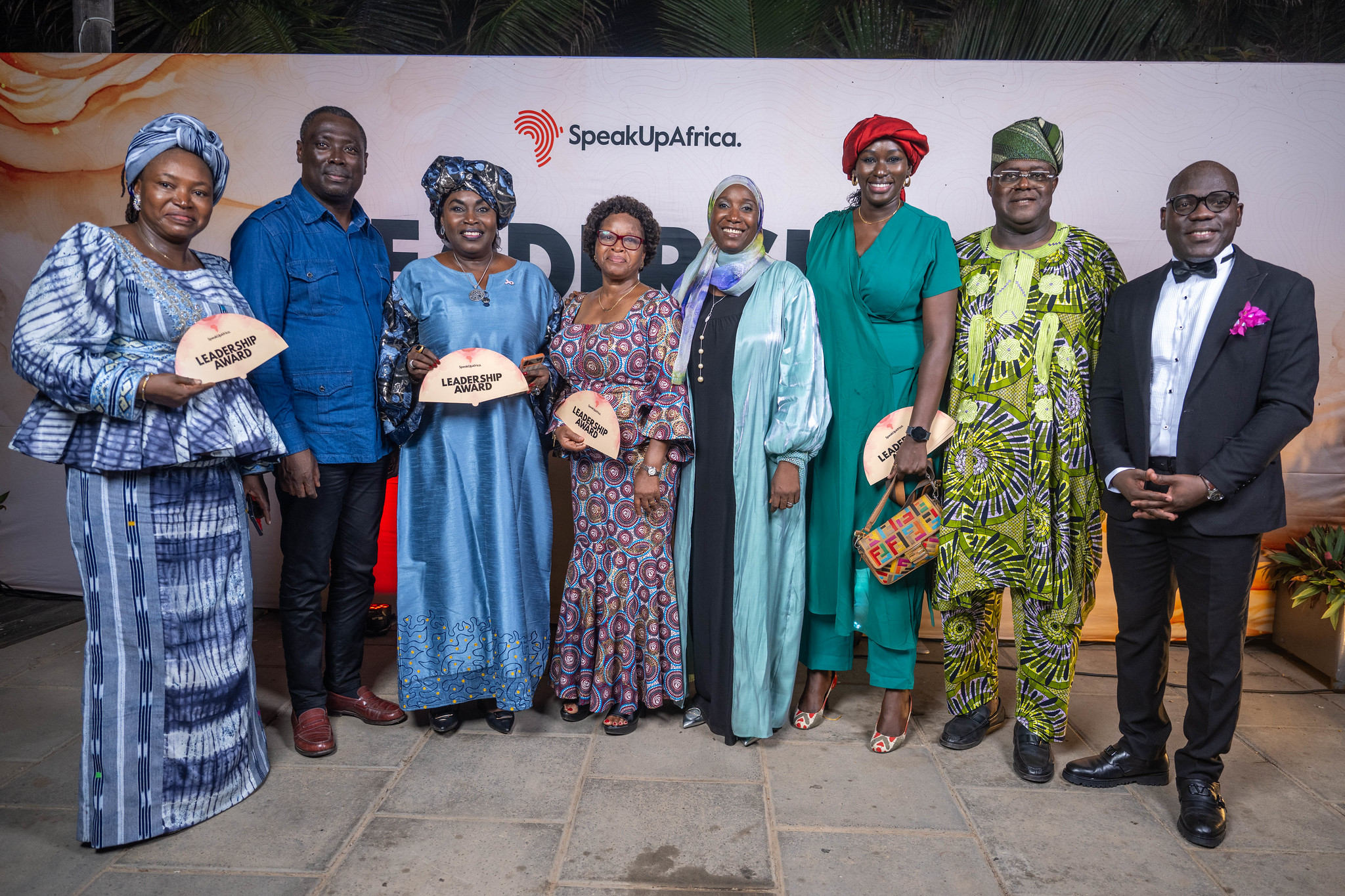
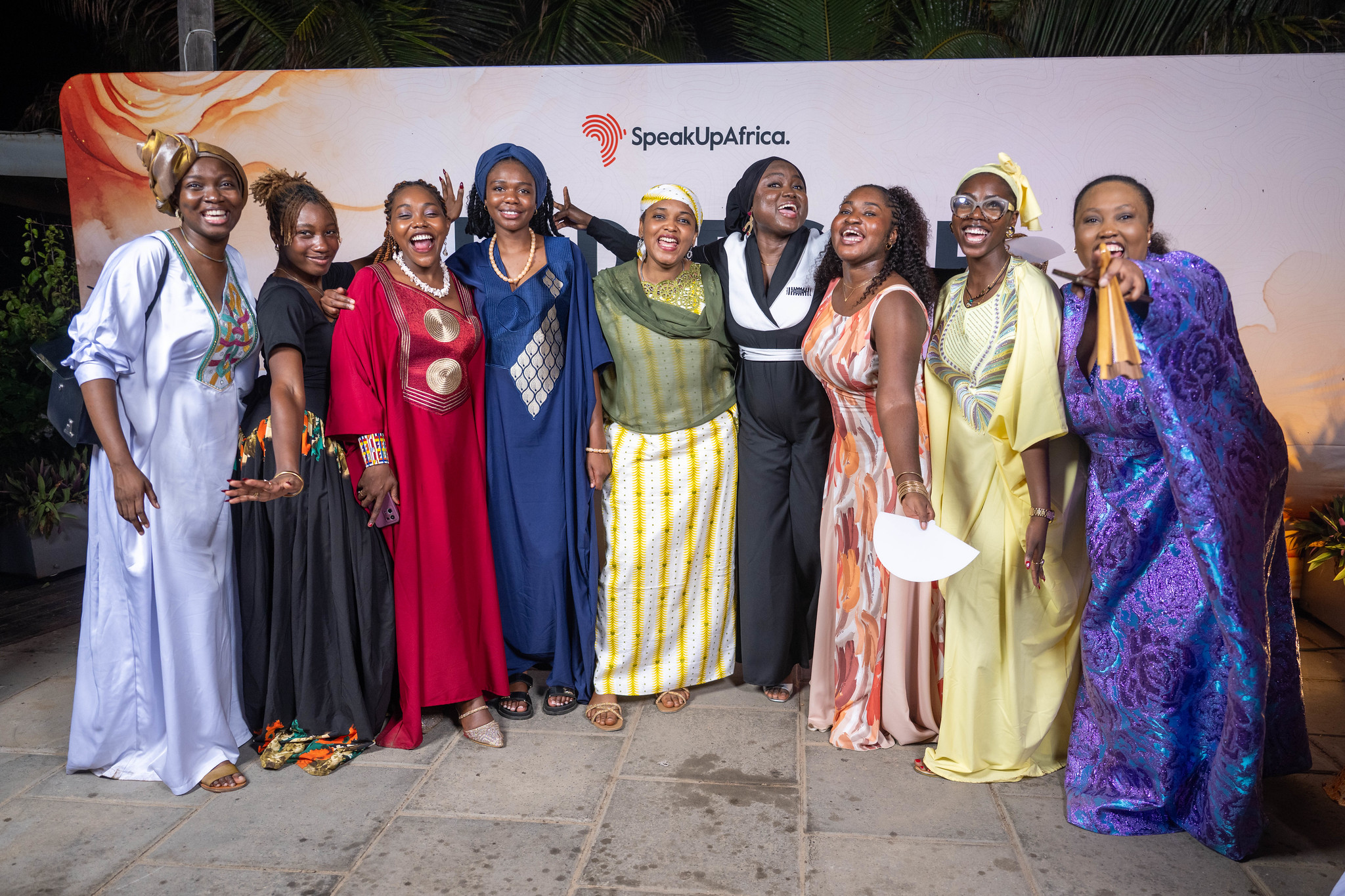
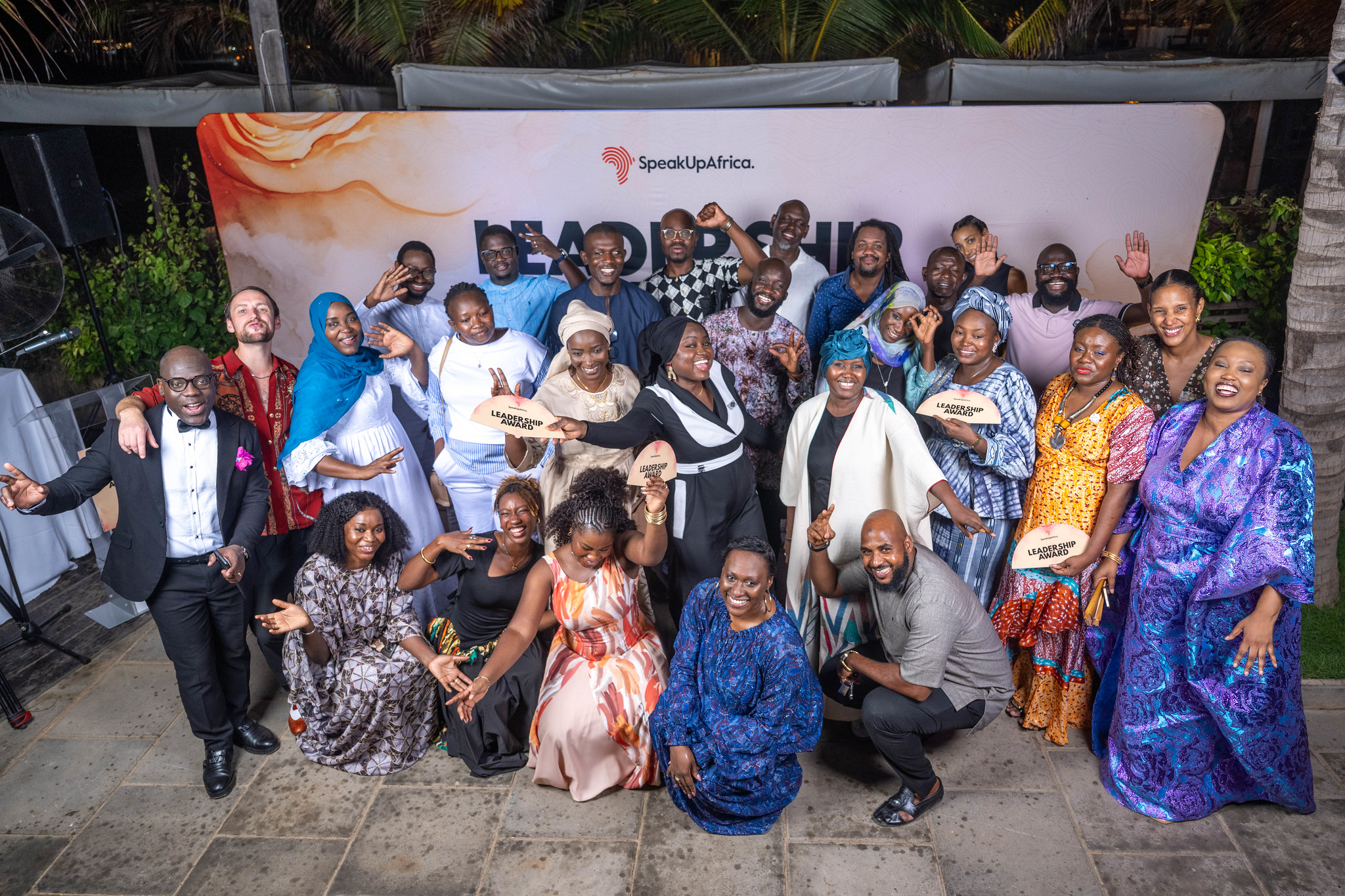
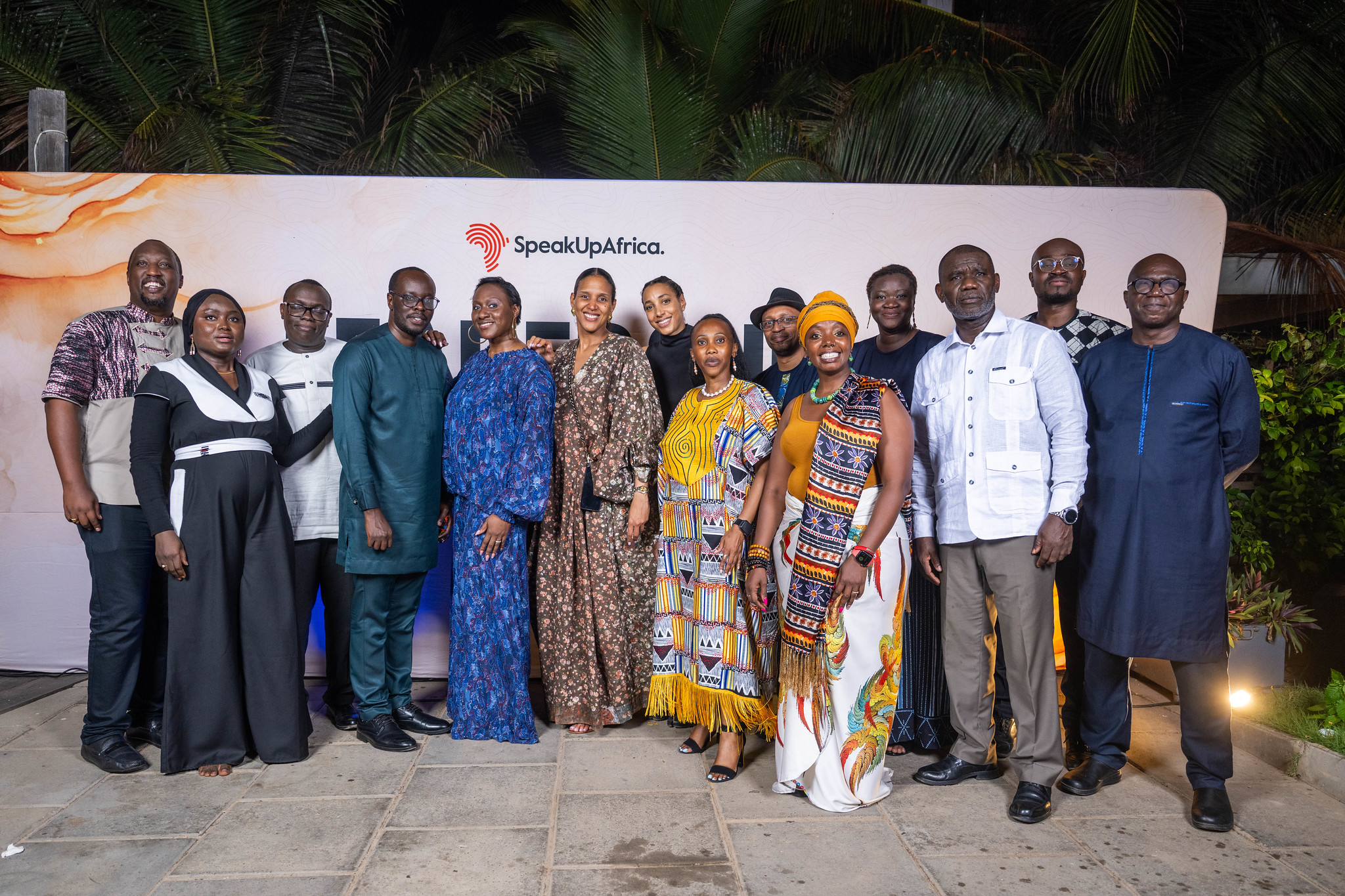
2025 in pictures

Laying the Foundations
- Theme
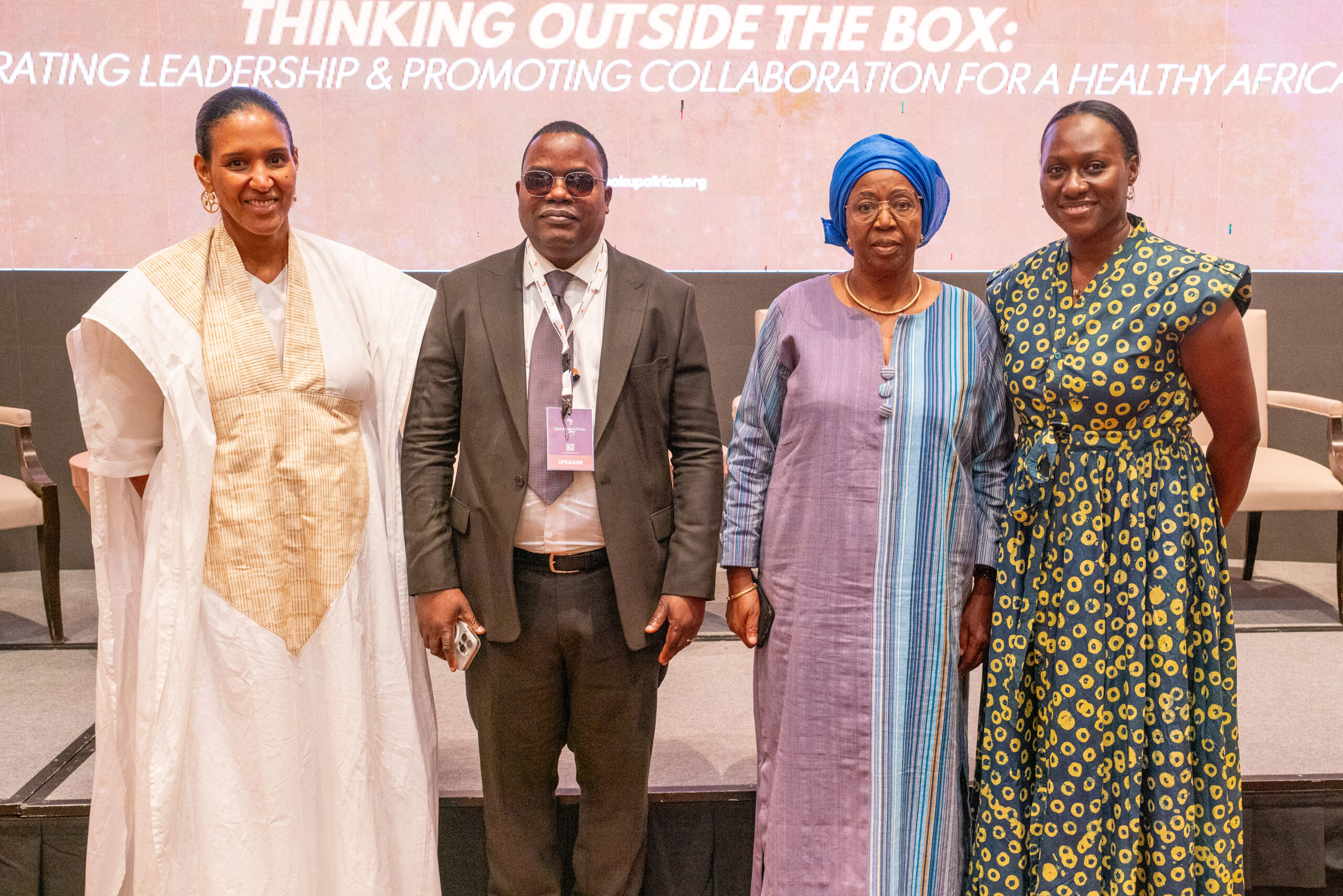
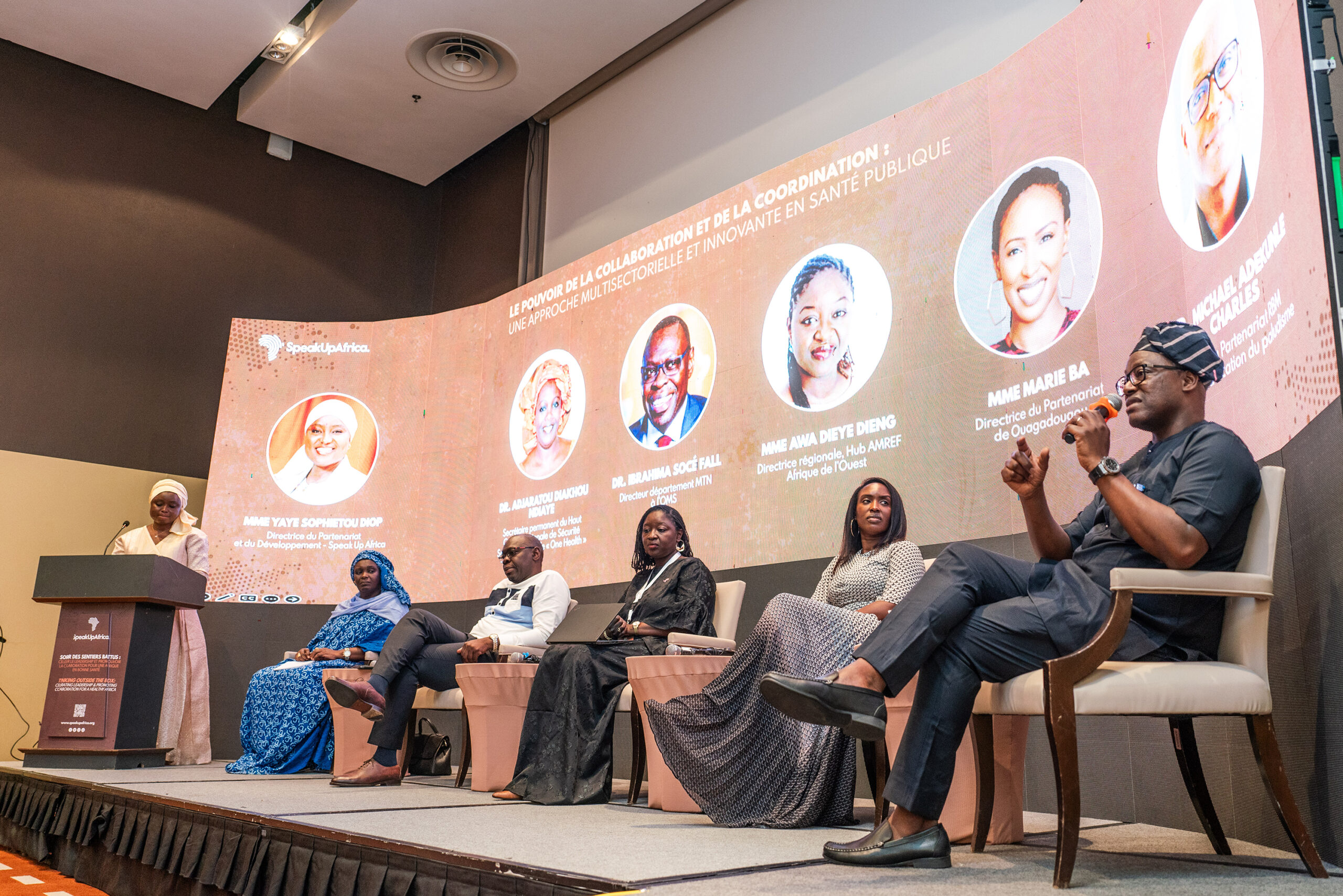
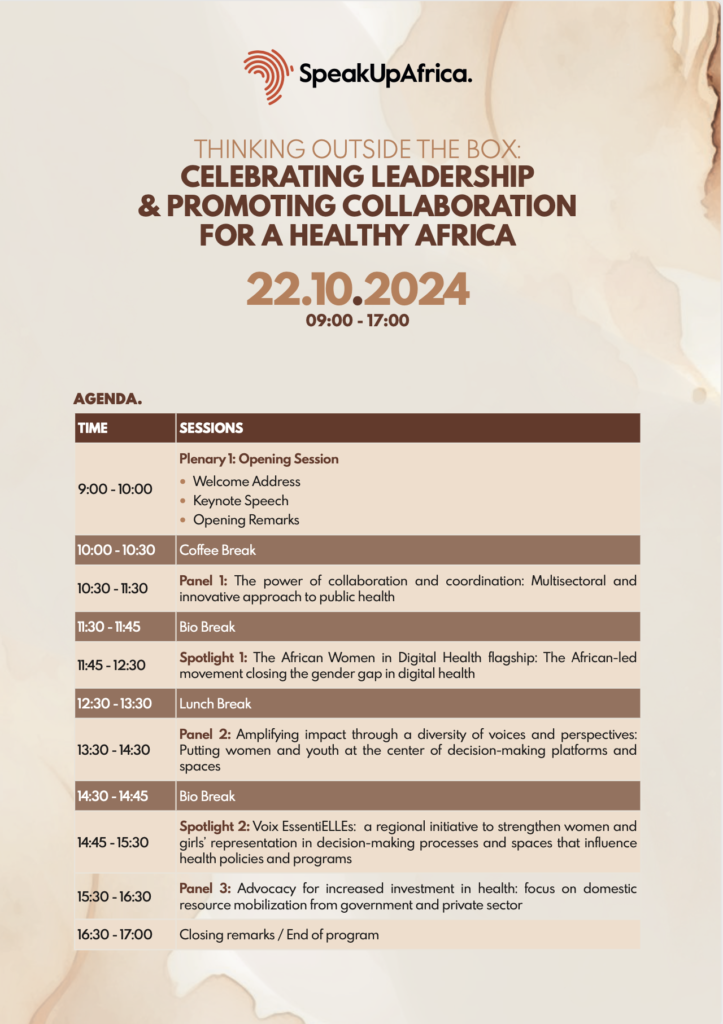
- Thinking Outside the Box: Celebrating Leadership & Promoting Collaboration and Innovative Solutions for a Healthy and Thriving Africa
- Participants
- Over 40 organizations
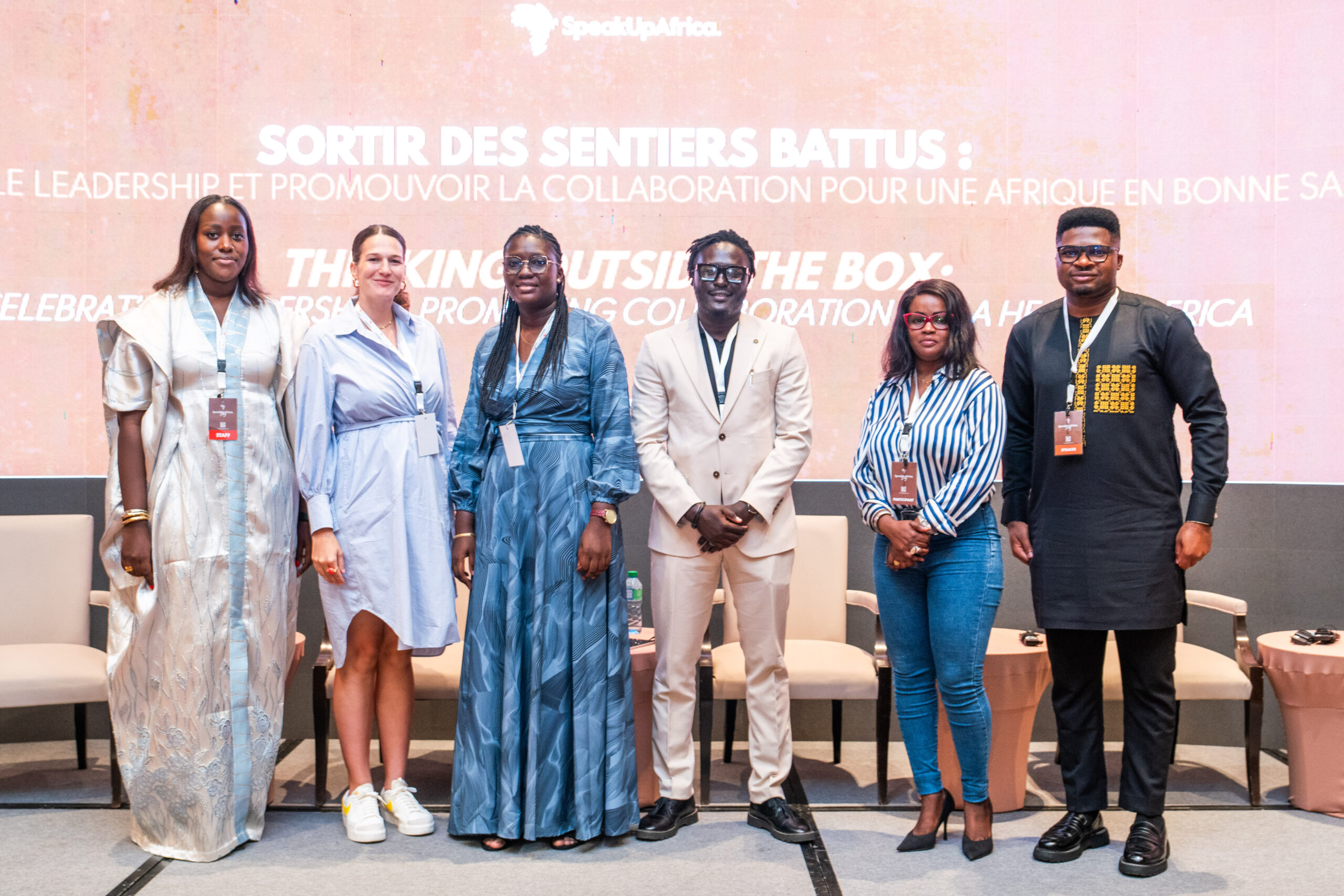
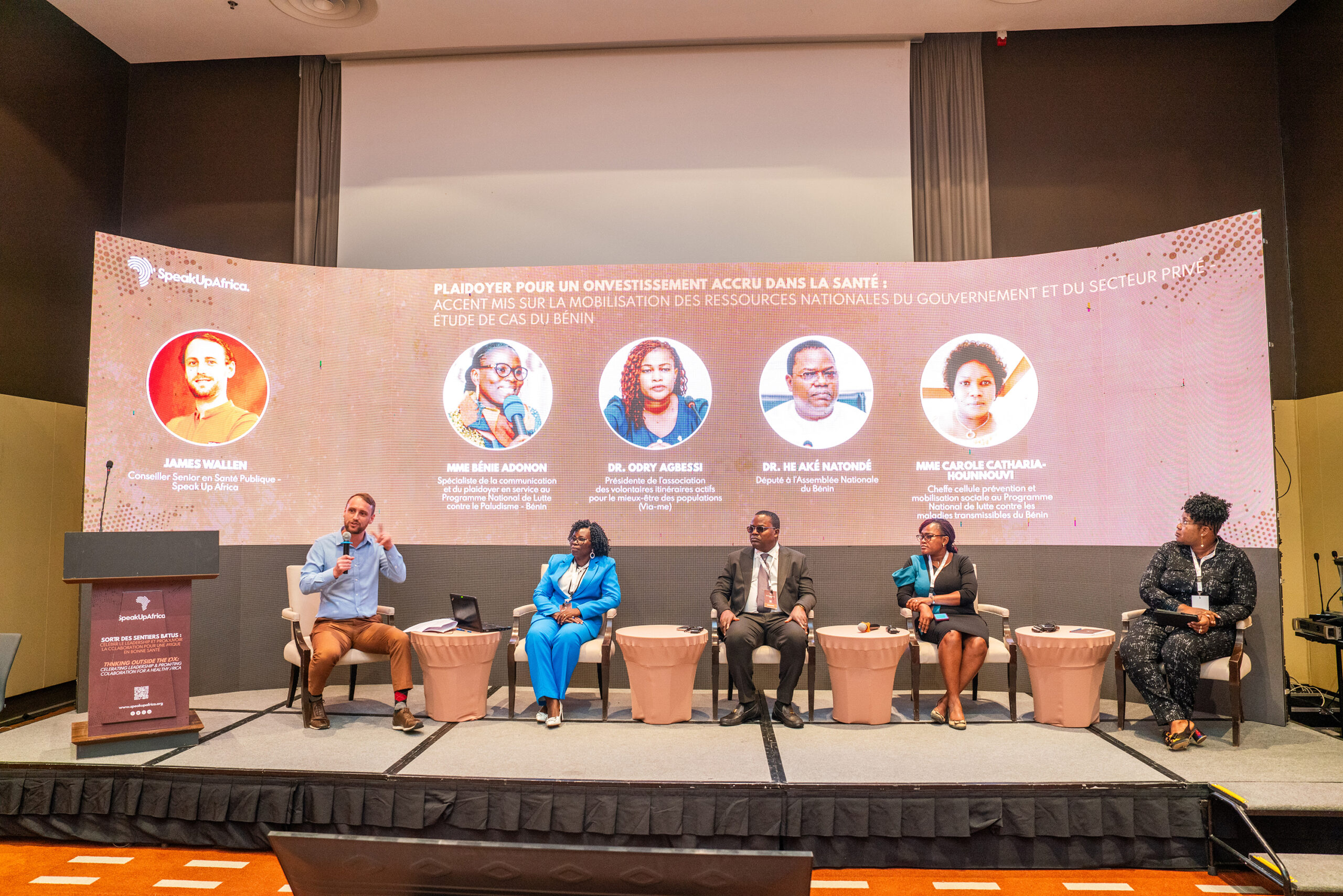
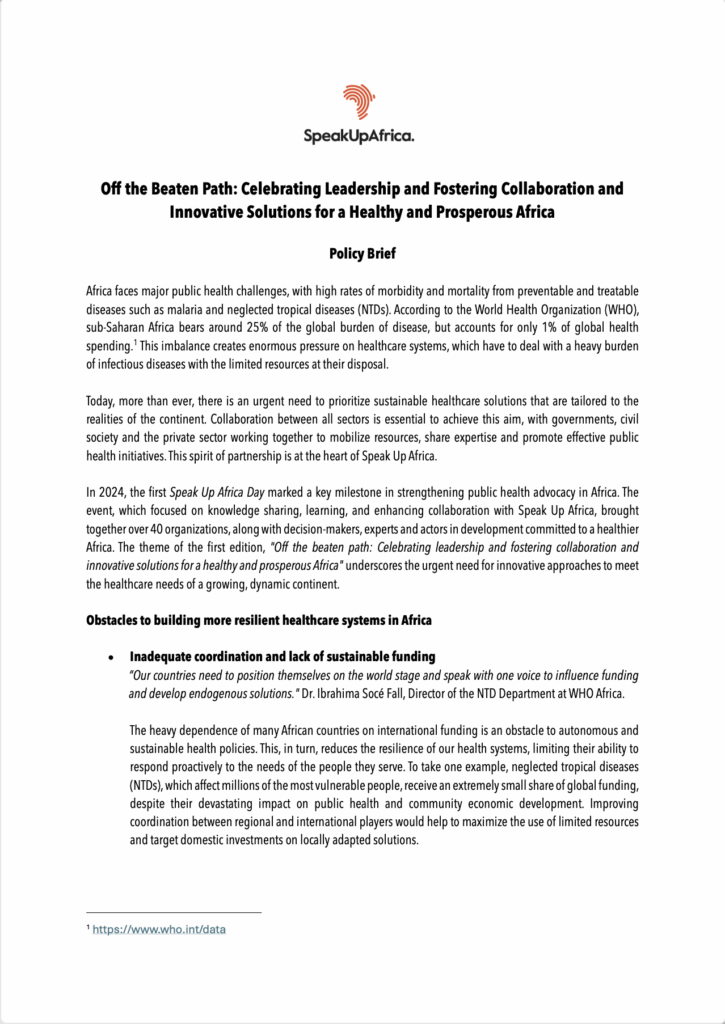
The inaugural Speak Up Africa Day, held in 2024, marked a milestone for health advocacy on the continent.
Gathering over 40 organizations, alongside policymakers, civil society leaders, and development partners, the event created a powerful space for learning, partnership-building, and collective action. It highlighted the urgency of developing homegrown and sustainable solutions, and placed a strong emphasis on inclusion, representation and digital health innovation.
Concrete outcomes
Commitments to stronger domestic health financing
Benin's "Zero Malaria Business Initiative" increased national resources allocated to malaria control by 140% in 2023, proving the impact of public-private partnerships.
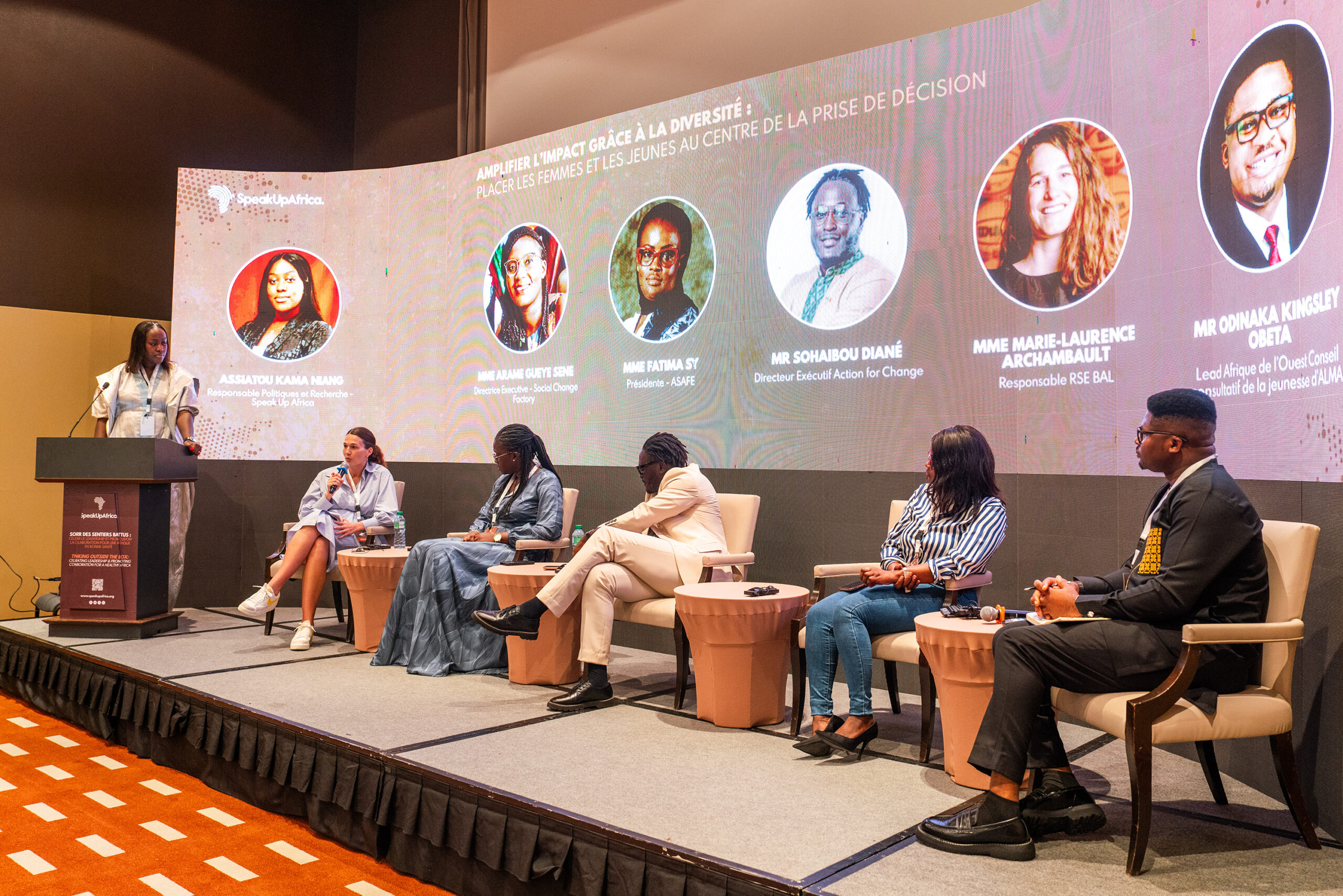
Promotion of women and youth leadership
A recognition of the urgent need for inclusive governance in health decision-making processes.
Advocacy for digital health solutions
Calls to develop accessible, locally adapted tools to expand access in underserved areas.
Strengthened multisectoral partnerships
Reinforced the importance of governments, civil society, and the private sector working together to achieve sustainable health outcomes.
2024 in video
Our countries must position themselves with a common voice to influence financing and develop endogenous solutions.
Women and young people face unique challenges that too often silence their voices. Yet their leadership is essential to shaping fair and effective health policies.
Designing digital tools that are adapted to local contexts is crucial to maximize their impact.