From statistics to policy: making data a tool for women’s rights
How does a statistic become a policy?
This was the central question of the African Feminist Data Summit organised by the Network of Women Leaders for Development (RFLD), which was held in Porto-Novo, Benin, from 28 to 30 July 2026, under the theme “Decolonising Data: Building the Feminist Digital Future in West Africa”.
For three days, feminist activists, journalists, technologists, researchers, parliamentarians, funders and civil society leaders gathered to examine who produces the data, who has access to it, what realities are represented and, most importantly, how the data can be transformed into evidence that guides policy and social change.
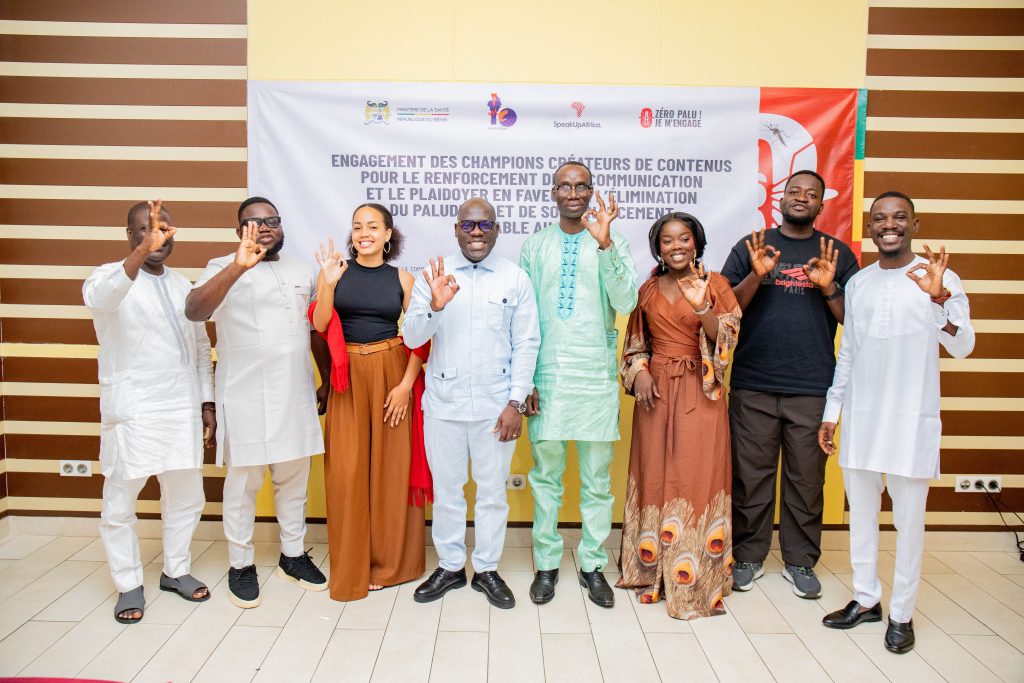
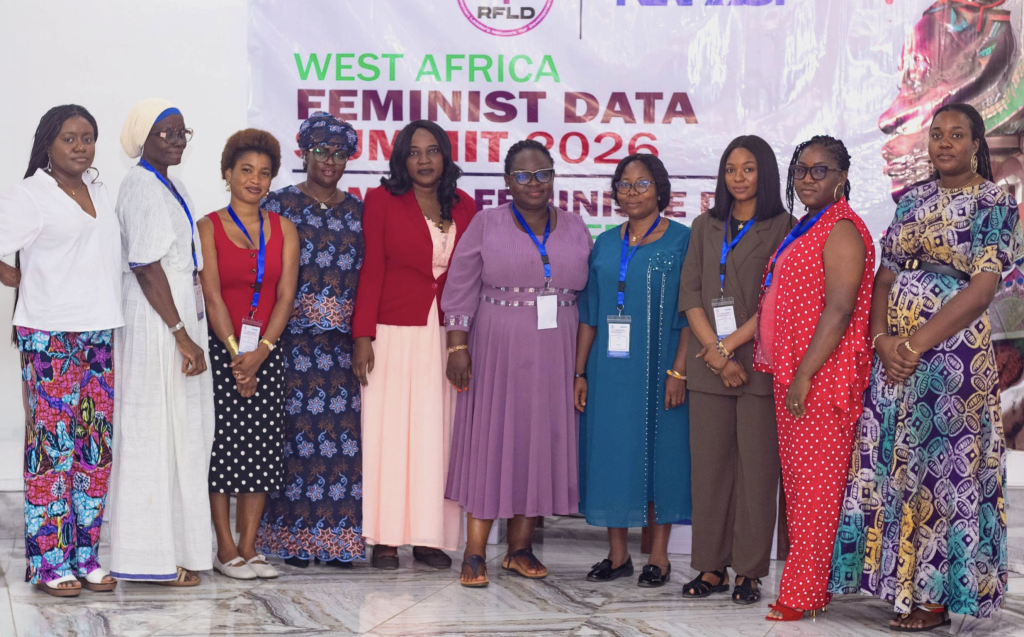
Seven representatives from the Voix EssentiELLES national networks participated in the Summit to ensure the participation of women leaders on the ground in this discussion, which highlights some of their current challenges as human rights activists. Their participation made it possible to integrate the voices and experiences of women leaders on the ground into a regional dialogue on the future of data, technology, and human rights.
Why is data important for women’s rights?
On our African continent, access to data is an essential requirement for effective advocacy. Organizations working in the health and human rights sectors must rely on reliable data to provide the evidence needed to highlight gaps and combat inequalities.
For women-led civil society organizations, data is essential for making invisible realities visible—from gender-based and digital violence to inequalities in health, education, and access to rights. Yet, significant obstacles remain. Advocacy experts at the summit highlighted language barriers, limited technical capacity, and restricted access to publicly available datasets as major challenges, particularly for Francophone civil society organizations. Important data and research are often only available in English, while data produced by public institutions or private actors are not always freely accessible. These obstacles can limit their ability to generate evidence, influence policy, and hold decision-makers accountable.
Linking data, digital security and advocacy
Several sessions of the Summit were particularly relevant to the Voix EssentiELLES community, notably the discussions on:
- The digital protection of women human rights defenders and the risks they face when reporting violations;
- The safety and support of civil society organizations, their members and beneficiaries;
- Gender-based violence facilitated by technology and online censorship;
- Access to datasets and the strategic use of data for advocacy.
The Summit also highlighted key resolutions of the African Commission on Human and Peoples’ Rights on access to information and data (Res. 620), environmental rights (Res. 657) and the protection of women against digital violence (Res. 522), thus providing important entry points for civil society to advocate for more robust national accountability frameworks.
Using data to change discourse and policies
The Voix EssentiELLES present conveyed a clear message during the debates: data must be accessible, usable and linked to the lived experience of the people.
“The problem is that this data is not freely available and is difficult to access. Therefore, a mechanism for centralizing this data needs to be found for efficient and effective use, particularly for the benefit of women and girls, and especially regarding their protection.” Celine Kam Yeli
Their recommendations included:
- Create regional and national platforms to centralize and access data on gender-based violence, digital censorship and human rights.
- Strengthen collaboration with national statistical institutes and ministries so that data produced by feminist organizations are recognized and integrated into official data systems.
- Develop the data skills of local actors by training community organizations in data collection and management, thereby reducing their dependence on international actors.
- Transform statistics into narratives and policy proposals likely to convince parliamentarians and decision-makers.
Towards the construction of a regional movement
The Summit also gave rise to a growing coalition of civil society actors committed to protecting an open data environment and supporting each other, beyond simply exchanging knowledge.
Participants expressed a shared commitment to sharing protection mechanisms and resources, strengthening solidarity among human rights defenders, and placing the rights of women and girls at the heart of digital and data governance.
For Voix EssentiELLES, this participation is part of a broader ambition: to give women leaders the means not only to access decision-making bodies, but also to shape the data, narratives and policies that influence them.
“These collaborative spaces will strengthen prevention through a better flow of information, guide political and institutional decisions based on reliable evidence, and improve community protection.” Fatimata Mamadou Lamine Sy
Emerging from this collective and regional reflection, one thing is certain: when women can access data, interpret it, tell its story and transform it into clear political demands, data becomes more than just a statistic – it becomes a tool for change.
Essential Voices Participants: Cynthia Gba — GFM3 (Ivory Coast); Fatimata Mamadou Lamine Sy — ASAFE (Senegal); Nadine Nikiema — AGMS (Burkina Faso); Marie-Lyse Hounkpatin — ROAJELF-BN (Benin); Esseh Afua — CADEFE (Togo); Plamedie Ibalanshim — Youth in Action (DRC); Céline Kam Yeli — Association Kamy (Burkina Faso)
Date of publication
Category
Program