Burkina Faso : Women’s leadership as a strategic accelerator towards malaria elimination
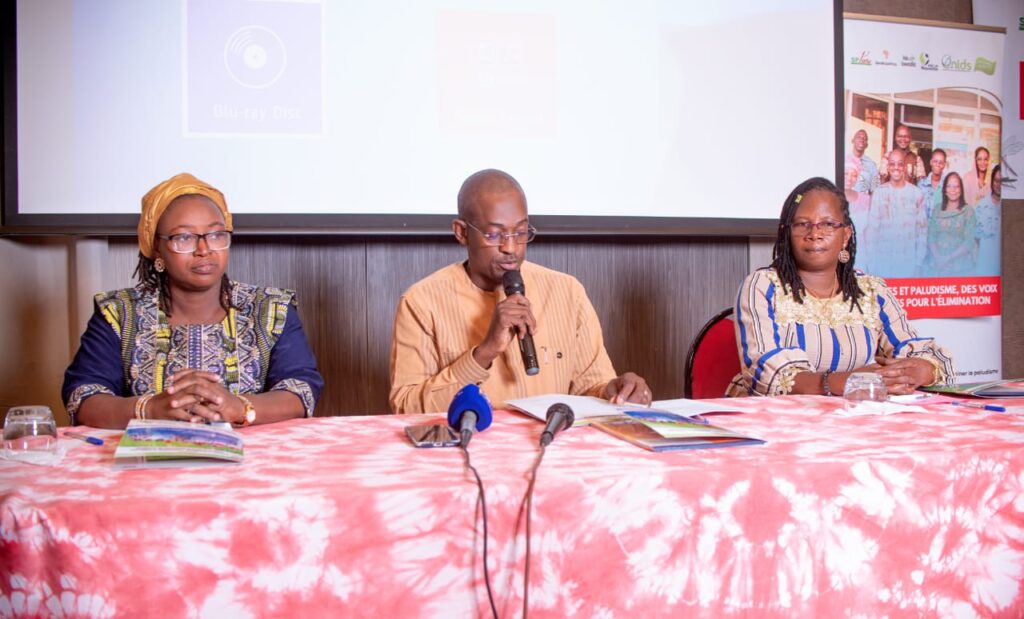
In Ouagadougou, women’s organizations, health authorities, and technical partners gathered for a multisectoral forum organized under the Voix EssentiELLES | Women’s Leadership Against Malaria initiative. The objective: to institutionalize gender within national malaria control policies and position women’s leadership as a key lever for elimination in Burkina Faso.
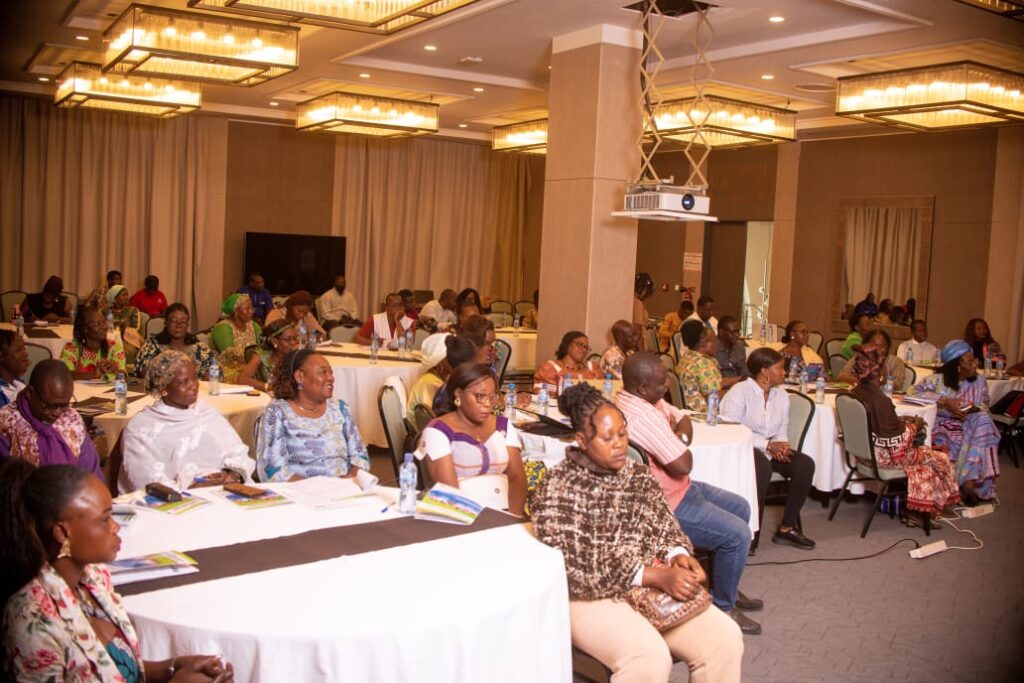
Ouagadougou, February 17, 2026 – In a country where malaria remains the leading cause of medical consultations and hospitalizations, elimination cannot be achieved without the structured mobilization of women, who are a key target group for malaria, in addition to children under the age of 5.It is within this context that the multisectoral forum “Women & Malaria: Transforming Women’s Leadership into a Force for Malaria Elimination” was held under the Voix EssentiELLES | Women’s Leadership Against Malaria initiative, led by Speak Up Africa and funded by the Global Fund.
A major public health challenge in Burkina Faso
According to Ministry of Health 2024 Statistical Yearbook, malaria accounts for:
- 33.6% of medical consultations;
- 43.9% of hospitalizations;
- 10.5 million confirmed cases in 2024;
- 3,523 deaths, 75% of which involve children under five.
These figures underscore the urgency of a coordinated, inclusive, and sustainable response.
Women, on the frontlines within households and communities, ensure prevention efforts, promote proper use of mosquito nets, facilitate access to care, and monitor treatment adherence. Yet their strategic role remains insufficiently integrated into decision-making and budgeting processes.

From engagement to institutionalization
Bringing together the National Malaria Control Program (SP-Palu), sectoral ministries, technical and financial partners, community leaders, and civil society organizations, the forum provided a structured space for dialogue and engagement.
In the fight against malaria, women are not merely program beneficiaries. They are strategic decision-makers, community influencers, mobilizers, guardians of prevention, and trusted intermediaries. However, for their impact to translate into improved national indicators, further steps are needed:
- Structure women’s leadership;
- Strengthen its integration into decision-making spaces;
- Recognize it as a lever for health system performance.
That was the core discussion: how to transform women’s leadership into a true accelerator of malaria elimination.
This forum, held under the Voix EssentiELLES | Women’s Leadership Against Malaria initiative, built a critical bridge between grassroots realities and governance. Sustainable change does not emerge solely from policy nor exclusively from the field—it arises from dialogue and co-construction between both spheres of action.
As stated by Irène Zoungrana, President of the Association Vision Nouvelle:
«To defeat malaria in Burkina Faso, we must include women.»
Institutionalizing women leadership : A strategic priority
At the heart of the discussion was a key question: how can women’s leadership become a sustainable institutional lever?
The forum identified three priority areas:
- Prevention and community mobilization
- Communication, advocacy, and resource mobilization
- Women’s leadership and coordination
The validation of a roadmap, accompanied by a monitoring mechanism, marks significant progress toward a structured and measurable contribution by women’s organizations to the national malaria elimination ambition.
As stated by Roukiattou Ouédraogo, Regional advisor at Speak Up Africa:
« By amplifying women’s voices, we support their capacity to influence public policies, to mobilize resources and to act as a bridge between communities’ priorities and national decisions.»
A multisectoral approach to accelerate malaria elimination toward 2030
Malaria elimination is not solely a health-sector issue. It involves gender-focused institutions, local governments, religious and traditional leaders, media actors, and the private sector.
Dr. Sidzabda Kompaoré, representative of the SP-Palu, emphasized:
«This forum represents a major opportunity to strengthen coordination and accelerate actions toward malaria elimination.»
In the context of digital transformation, community mobilization and digital communication also emerged as strategic levers to amplify impact.
Call to action
Les organisations communautaires (Association Vision Nouvelle, ONIDS, Association KAMY) sous le Community-based organizations (Association Vision Nouvelle, ONIDS, Association KAMY), under the leadership of the Voix EssentiELLES Burkina Faso network, call upon all stakeholders—public institutions, technical and financial partners, community organizations, and opinion leaders to:
- Strengthen the systematic integration of gender into health policies;
- Support the implementation of the women CSOs’ roadmap;
- Invest in women’s leadership as a sustainable driver of health impact.
Malaria elimination by 2030 is achievable.
It will require strong, coordinated, and inclusive multisectoral mobilization.
And at the heart of this mobilization: women.