Speak Up Africa Day 2026: Fifteen Years of Commitment, Voices and Initiatives Shaping Africa’s Future
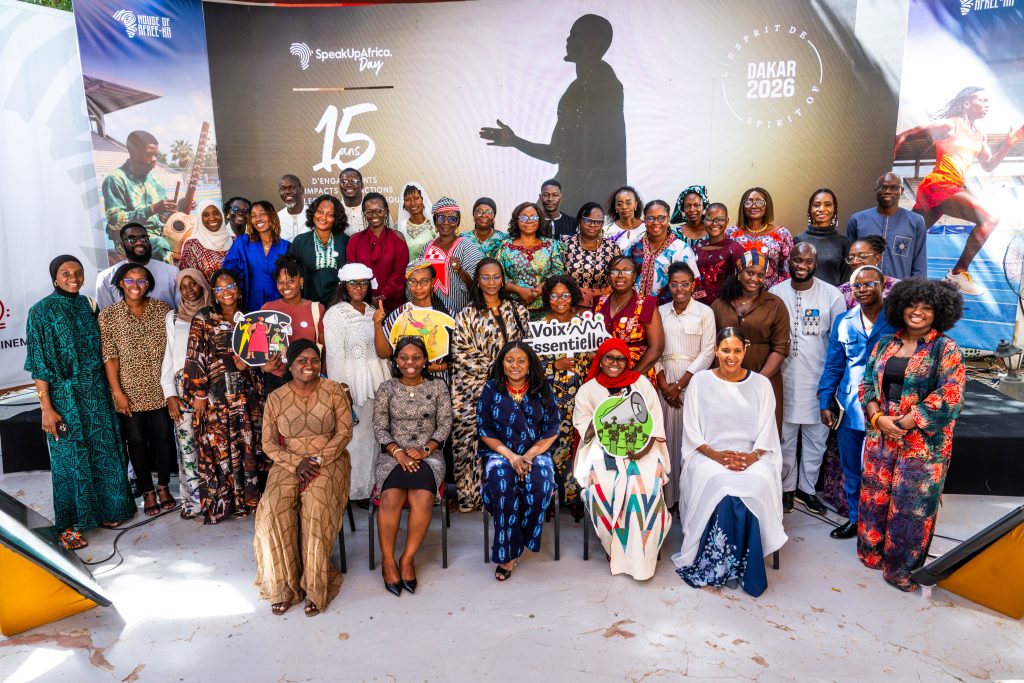
To mark its 15th anniversary, Speak Up Africa brought together more than 400 people from the public sector, scientific community, business, sports, arts and civil society in Dakar. Held from 11 to 20 November, the third edition of Speak Up Africa Day united initiatives, expertise and commitments around Africa’s key priorities in health, education and inclusion, culminating in an artistic celebration of the women and champions driving change across the continent.
Dakar, Senegal, 20 November 2026 – As part of its 15th anniversary celebrations, Speak Up Africa brought together policymakers, African and international institutions, researchers, businesses, technical and financial partners, civil society organizations, media representatives, women leaders, young people and champions committed to Africa’s development. Held on 11, 12, 14 and 20 November, the third edition of Speak Up Africa Day highlighted partnerships and initiatives advancing the continent’s priorities in health, education, innovation and inclusion.
Designed as a platform for dialogue, engagement and collaboration, Speak Up Africa Day brings together diverse expertise, generations and complementary forms of action. From scientific discussions and campaign launches to intergenerational exchanges and sporting and artistic initiatives, this edition showcased the range of approaches championed by Speak Up Africa and its partners. It also took place against the backdrop of the Dakar 2026 Youth Olympic Games and the Dak’Art Biennale, harnessing sport and culture to raise awareness, strengthen advocacy and inspire collective action.
“Over the past fifteen years, we have worked to ensure that solutions to Africa’s challenges are driven by people and institutions across the continent. Speak Up Africa Day takes this commitment further by bringing together voices, expertise and partners who, working collectively, can drive lasting change,” said Yacine Djibo, Founder and Executive Director of Speak Up Africa.
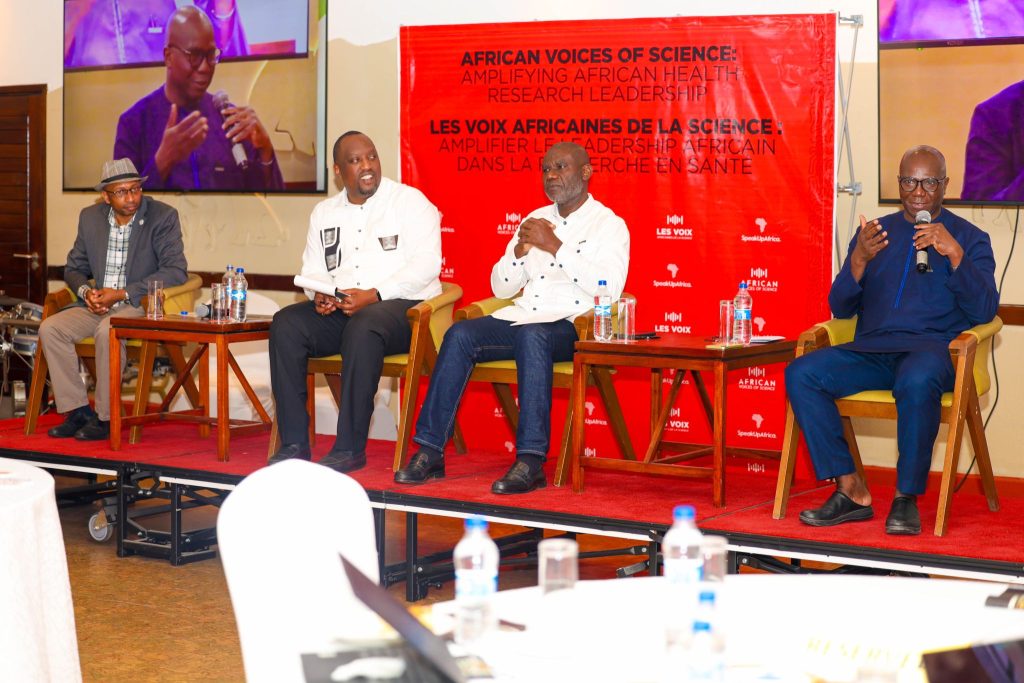
This shared ambition was reflected in efforts to accelerate malaria elimination, which requires stronger connections between scientific advances, policy decisions and the investments needed to translate research into action. Through African Voices of Science (AVoS), African researchers, national programme representatives and partners explored ways to strengthen the contribution of research and innovation to malaria elimination strategies.
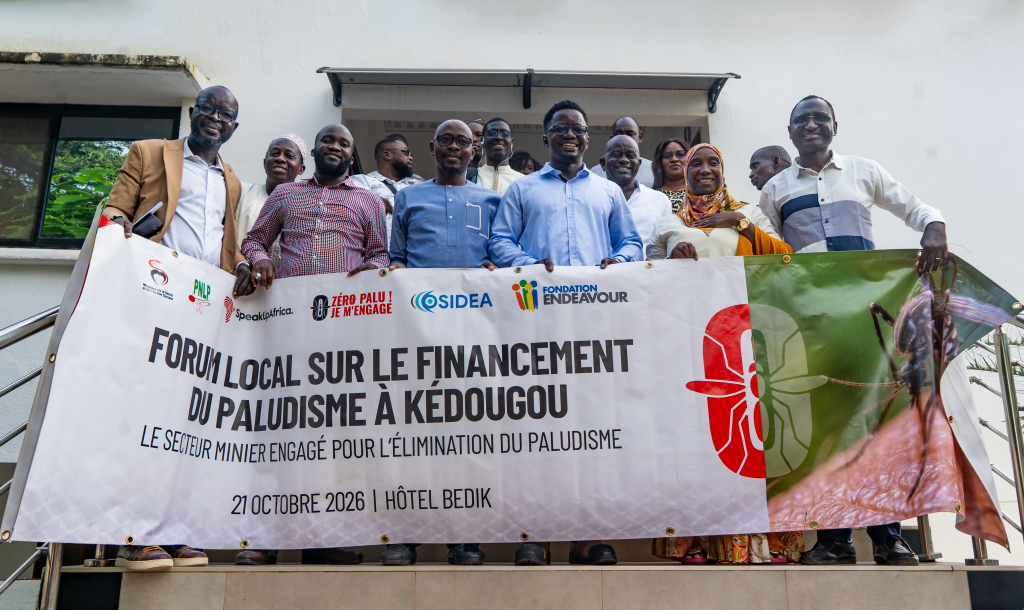
Resource mobilization was another central focus of the discussions. During a luncheon dedicated to private sector engagement in malaria elimination and equitable access to healthcare across regions, Speak Up Africa, the Ministry of Health and Public Hygiene, and OSIDEA convened government representatives and businesses, particularly from the extractive sector, to encourage sustainable investment in public health. A key highlight was Endeavour Mining’s announcement of a commitment of XOF 803 million to support health initiatives in Côte d’Ivoire, Burkina Faso and Senegal in 2027. The event also marked the launch of the Private Sector Health Investment Barometer, a tool designed to document and showcase corporate contributions while encouraging further commitments. Four companies—Canal+, ICons, Boto S.A and Endeavour Mining—were also recognized for their contributions to the fight against malaria.
“The private sector has an essential role to play in malaria elimination. The challenge is to translate this engagement into decisive investments that support national strategies and protect communities where needs are greatest,” said Elhadji Doucoure, Head of Monitoring, Evaluation, Surveillance and Digital Transformation at the National Malaria Control Programme (PNLP).
Education was another major focus of this edition, with the launch of “Make It Count” (Ce qui Compte), a continent-wide campaign led by Speak Up Africa and its partners through the Foundational Literacy and Numeracy Hub (FLN Hub). The campaign calls for collective action to ensure that every African child can read, write and do basic mathematics by the age of ten.
This ambition was reflected in Senegal’s experience with the Harmonized Model of Bilingual Education in Senegal (MOHEBS), which has reached more than 640,000 students and supported 12,116 teachers across the country’s 18 education academies. An interactive activity inviting young people to test their knowledge also provided an engaging way to explore educational challenges while highlighting teaching approaches adapted to children’s needs and realities.
“African governments have made commitments to foundational learning. What matters now is ensuring that these commitments translate into budgets and classroom results, so that every child can read, write and do basic mathematics by the age of ten. Moving from promises to results is precisely what the Make It Count campaign seeks to accelerate,” said Fara Ndiaye, Co-Founder and Deputy Executive Director of Speak Up Africa.
The role of women and young people in shaping the continent’s future was also central to several discussions. An intergenerational luncheon bringing together women leaders provided opportunities to share experiences, exchange knowledge and strengthen connections among women working across different sectors. This momentum continued with BAL4HER Power Hour, an initiative reflecting the Basketball Africa League’s (BAL) commitment to women’s empowerment and inclusion. Through its social and community programmes, the BAL is helping to position basketball as a platform for engagement on issues extending beyond the court, including equal opportunities, public health and youth participation.
Story Lab Next Gen brought together young people, champions and content creators to explore new approaches to influence and advocacy. Discussions organized in collaboration with the Ouagadougou Partnership Coordination Unit (OPCU) also addressed reproductive health and family planning, highlighting the importance of strengthening youth participation and access to essential information and services.
This momentum continued on 14 November in Guédiawaye with the launch of First Shot a campaign led by Speak Up Africa to strengthen public and political support for child health. Organized in collaboration with the Basketball Africa League (BAL), the launch built on more than five years of partnership between the two organizations, which have joined forces to harness basketball as a platform for public health awareness, community engagement and advocacy across Africa.
Among the champions supporting the campaign was Ian Mahinmi, former NBA player and founder of the I AM Foundation, who travelled to Dakar to lend his support to the initiative. Launched in the context of the Dakar 2026 Youth Olympic Games, First Shot aims to promote routine immunization, malaria prevention and polio eradication. Running through the end of 2027, the campaign will leverage major sporting and institutional events to make child health a shared priority.
“Every child deserves a healthy start in life. Yet millions of African children still lack essential protection against preventable diseases. Through First Shot, we want to harness the power of sport and the voices of our champions to make child health a priority, both on the court and in policy decisions,” said Marie Laurence Archambault, Director of Social Responsibility and Player Programs, Basketball Africa League and NBA Africa.
On 20 November, Speak Up Africa Day concluded with a dialogue between art and advocacy through two exhibitions presented amid the excitement surrounding the Dakar 2026 Youth Olympic Games and the Dak’Art Biennale. In “Jambaar”, Franco-Cameroonian artist Fred Ebami used his distinctive pop art style to reinterpret portraits of eight African sports figures who have joined Speak Up Africa in championing health, education and inclusion. Complementing this exhibition, “Leurs voix, nos regards” (Their Voices, Our Perspectives), by photographer Edgar Barros, showcased the journeys of women involved in the Voix EssentiELLES programme, whose work advances health and women’s rights within their communities. Through two distinct artistic perspectives, the exhibitions highlighted a shared reality: behind collective progress are individuals, stories and commitments that deserve recognition.
“Meeting these women gave me the opportunity to discover journeys, commitments and stories that deserve to be heard. Every day, they take action within their communities, often away from the spotlight, helping to change the realities around them. Through Leurs voix, nos regards, I wanted to capture the strength and authenticity of these encounters, but above all, to show these women for who they are: essential drivers of change,” said Edgar Barros, photographer and content creator.
By placing socially engaged athletes and women working every day within their communities at the forefront, these two exhibitions carried forward the messages shared throughout Speak Up Africa Day. They served as a reminder that progress is driven not only by policy decisions, scientific advances and investments, but also by the dedication of those creating change on the ground.
From research and investment to education and leadership, and from sport to artistic expression, Speak Up Africa Day 2026 highlighted the complementary nature of initiatives and the strength of partnerships driving change across the continent. Fifteen years after its founding, Speak Up Africa remains committed to building on this momentum alongside its partners, strengthening connections between the people, resources and solutions needed to build a healthier, more equitable and more prosperous Africa.
Date of publication
Category
Program